The Journal — featured guide
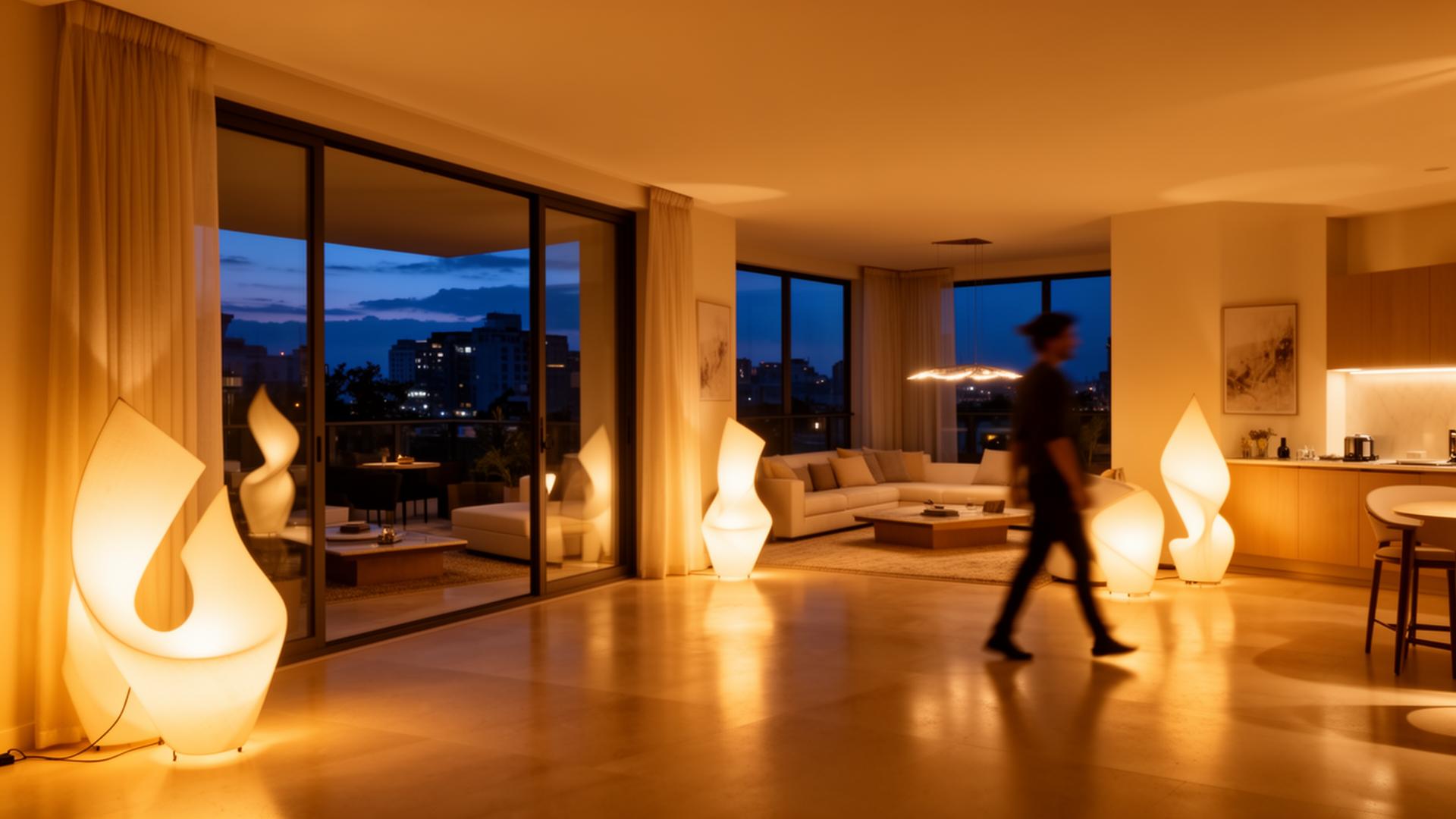
How Light Shapes the Mood of a Room
Read articleAll guides
145 articles
Lighting by Room
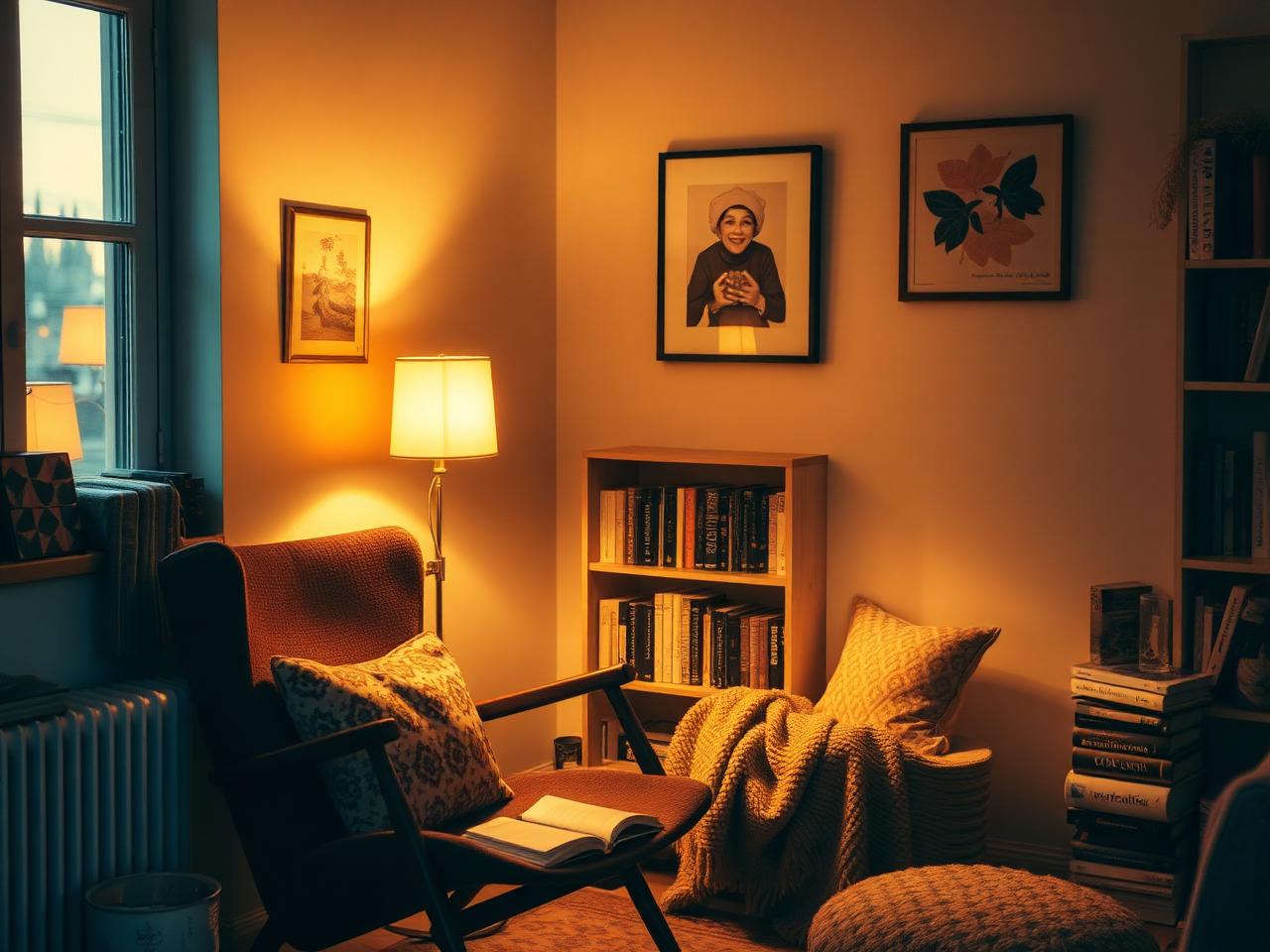
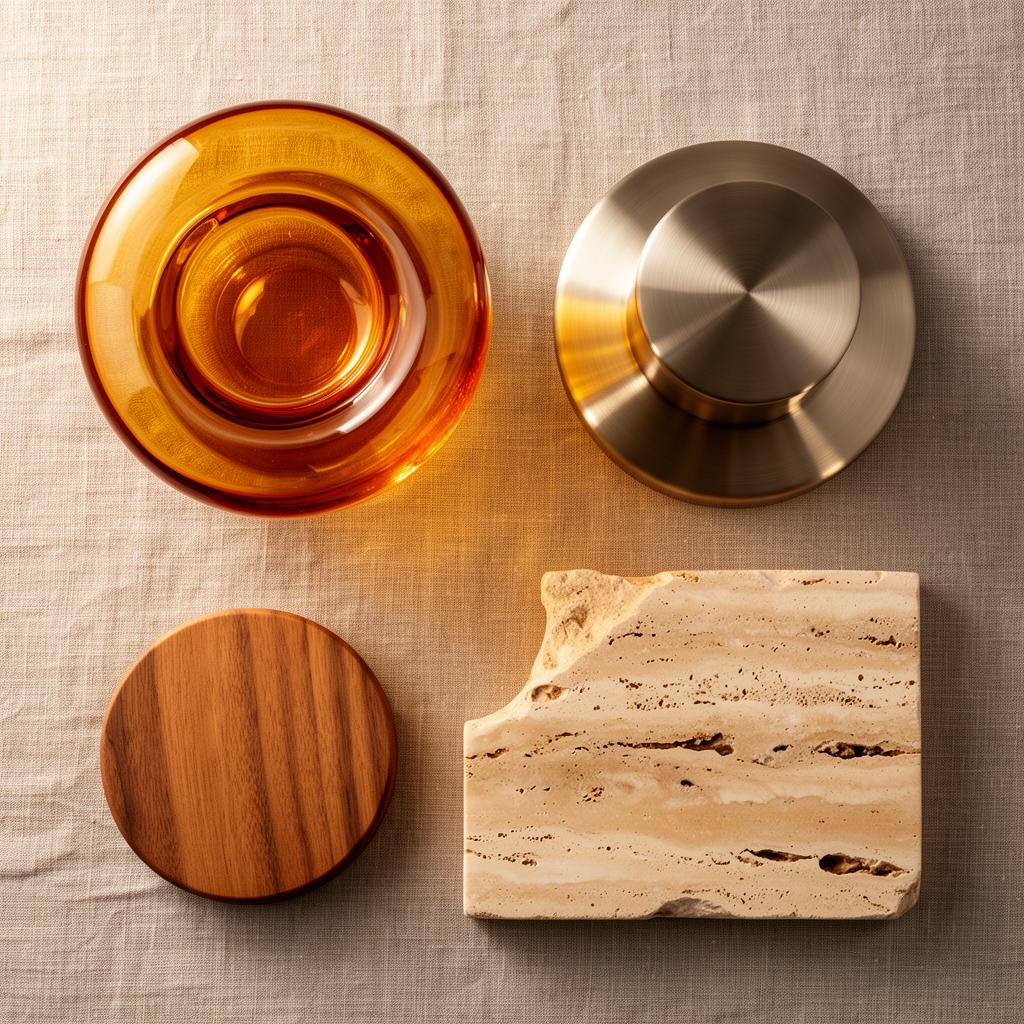
Choose Living Room Lighting by Starting with Your Evening
Map the activities, seats and surfaces that need light before deciding which lamps to add.
3 min read
Materials
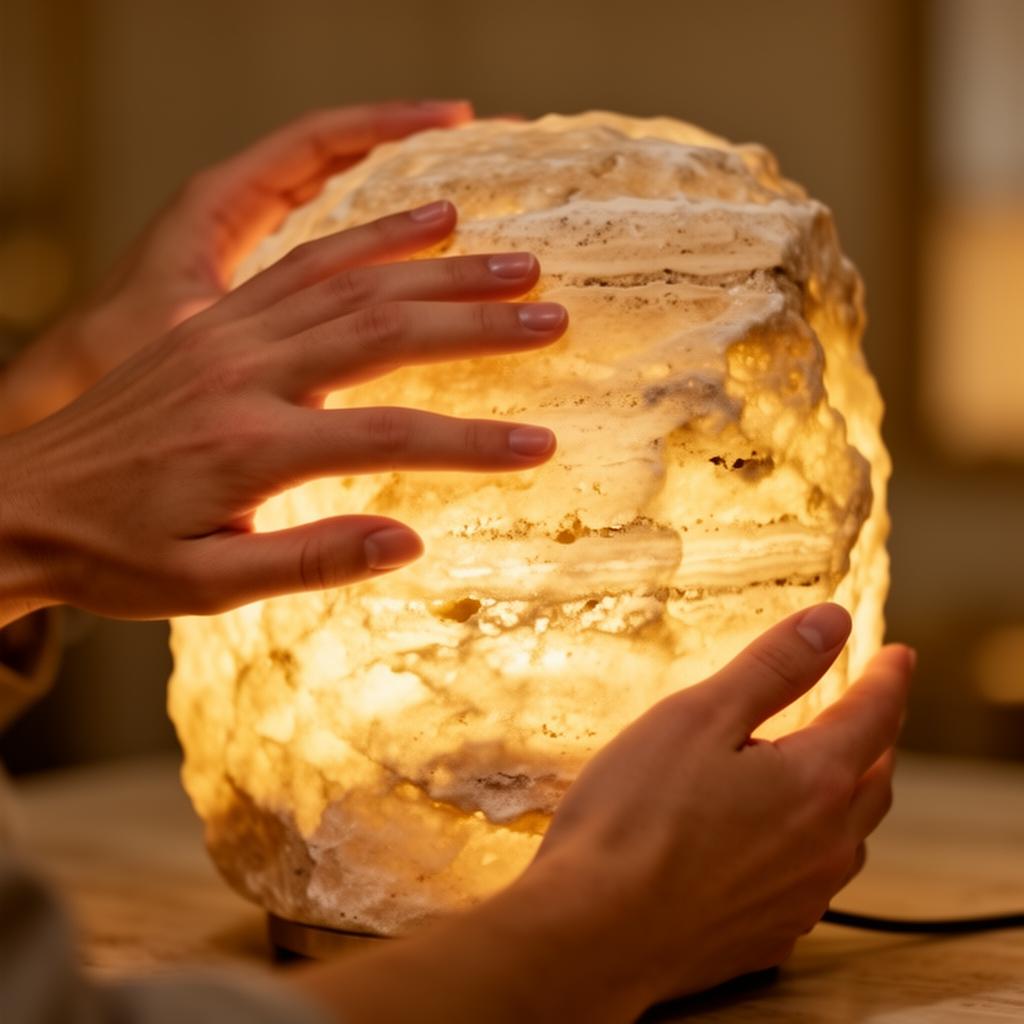
Brass in Lamp Design: Separate Material from Finish
A warm metallic appearance does not establish what a lamp is made from. Learn which material and finish details to verify.
3 min read

Design Principles
Warm vs Cool Light: What the Kelvin Number Means
Understand warm and cool white light, separate colour temperature from brightness, and compare tones against the surfaces in your room.
3 min read
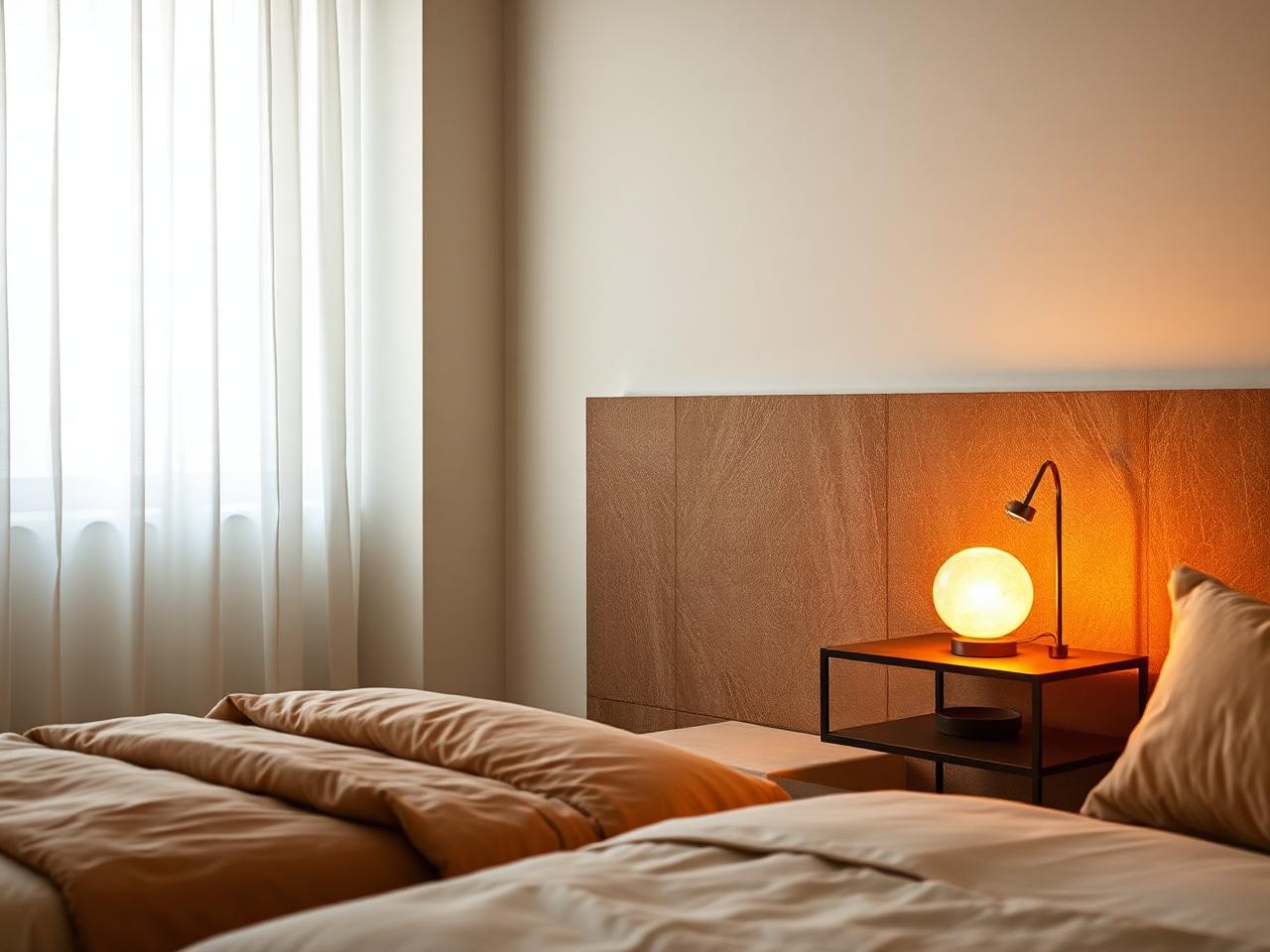
Buying Guide
How to Choose a Bedside Table Lamp
Choose a bedside lamp by its role, your view from bed and the space it needs, rather than a universal height or style rule.
3 min read
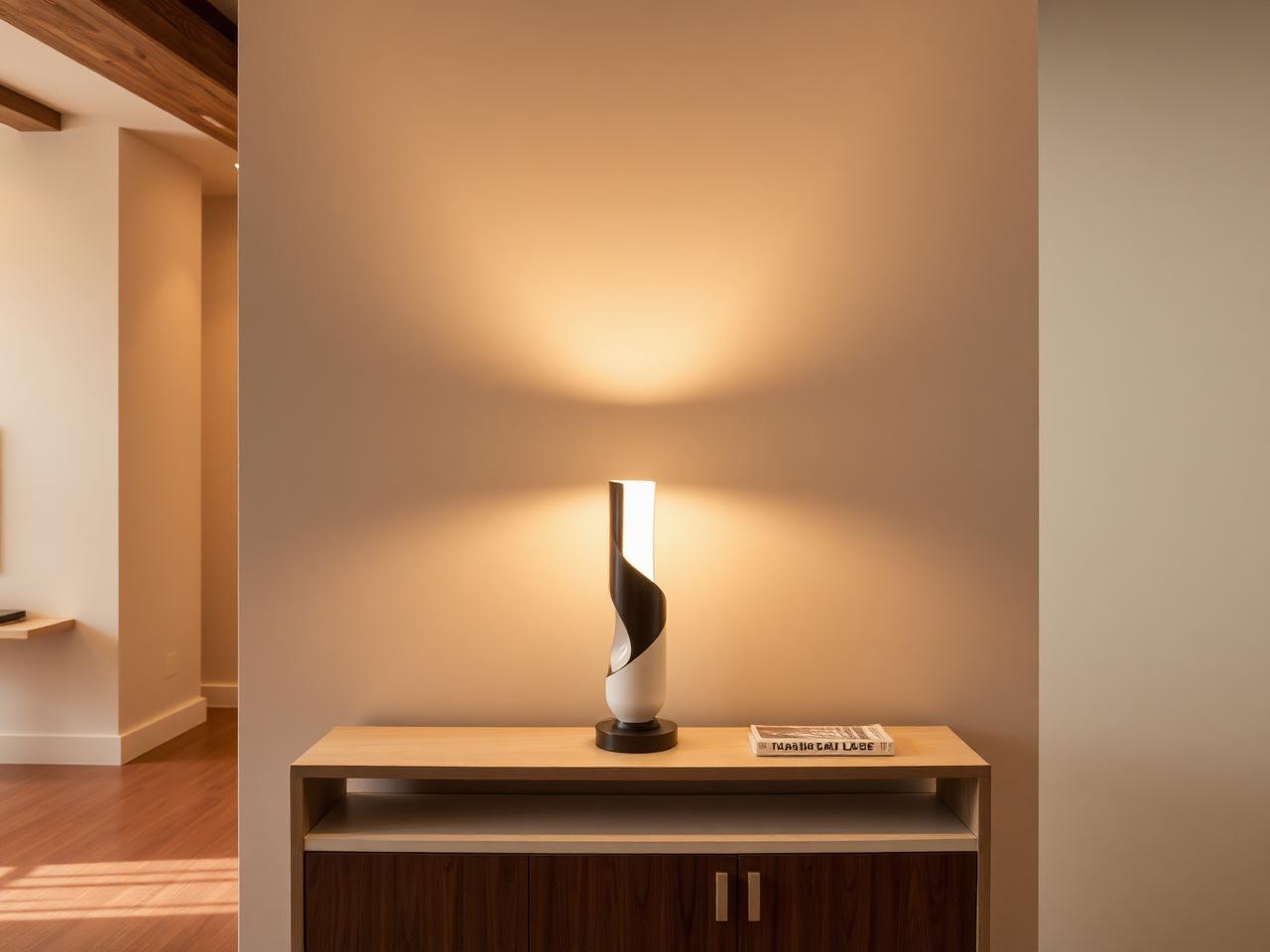
Styling
Choosing a Sculptural Table Lamp That Belongs in Your Room
Judge a sculptural lamp by its silhouette, available space and evening appearance, rather than a trend forecast.
3 min read
Buying Guide
How to Choose a Lamp for Reading at Home
Choose reading light by what reaches the page, not by the glow in a photograph. Check your seat, shade direction and glare before choosing a lamp.
5 min read
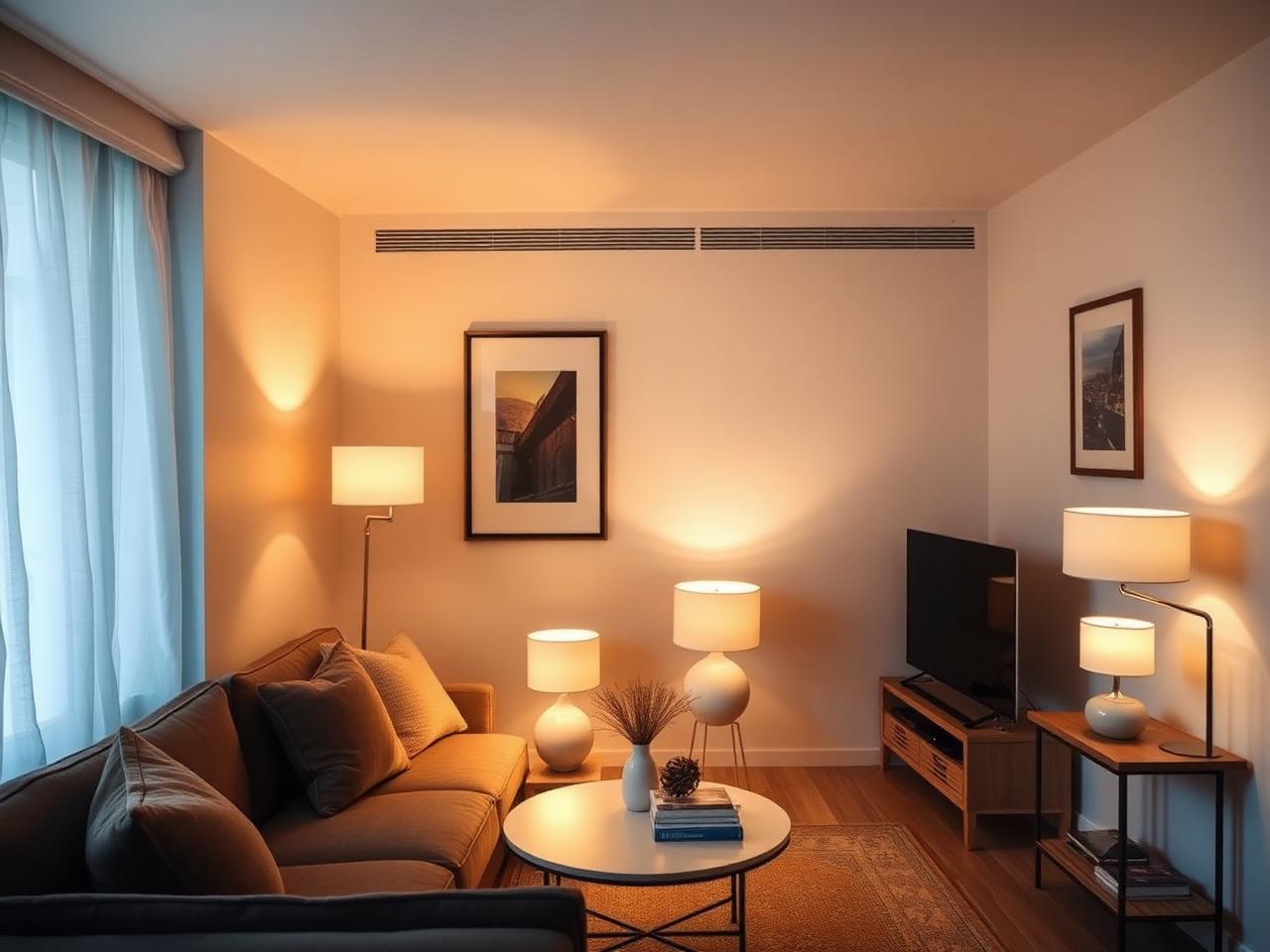
Lighting by Room
Lighting a Small Apartment Without Crowding It
Plan light around the places you use, preserve useful surfaces, and check the view from each seat before adding another lamp.
3 min read
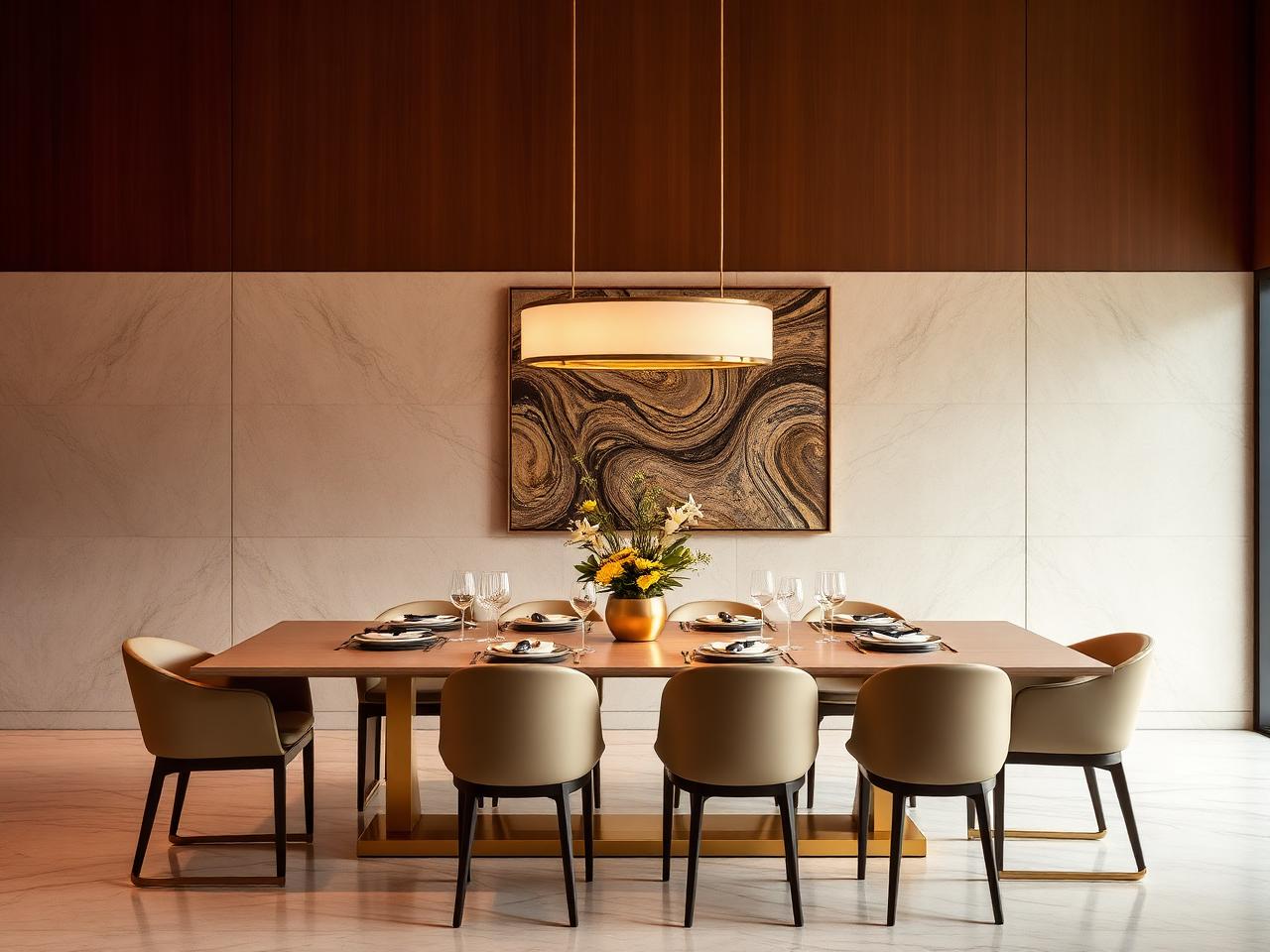
Lighting by Room
Dining Room Lighting: See the Table and Shape the Room
Keep useful light on food, faces and serving areas, then add surrounding lamps for atmosphere without blocking sightlines or creating seated glare.
5 min read
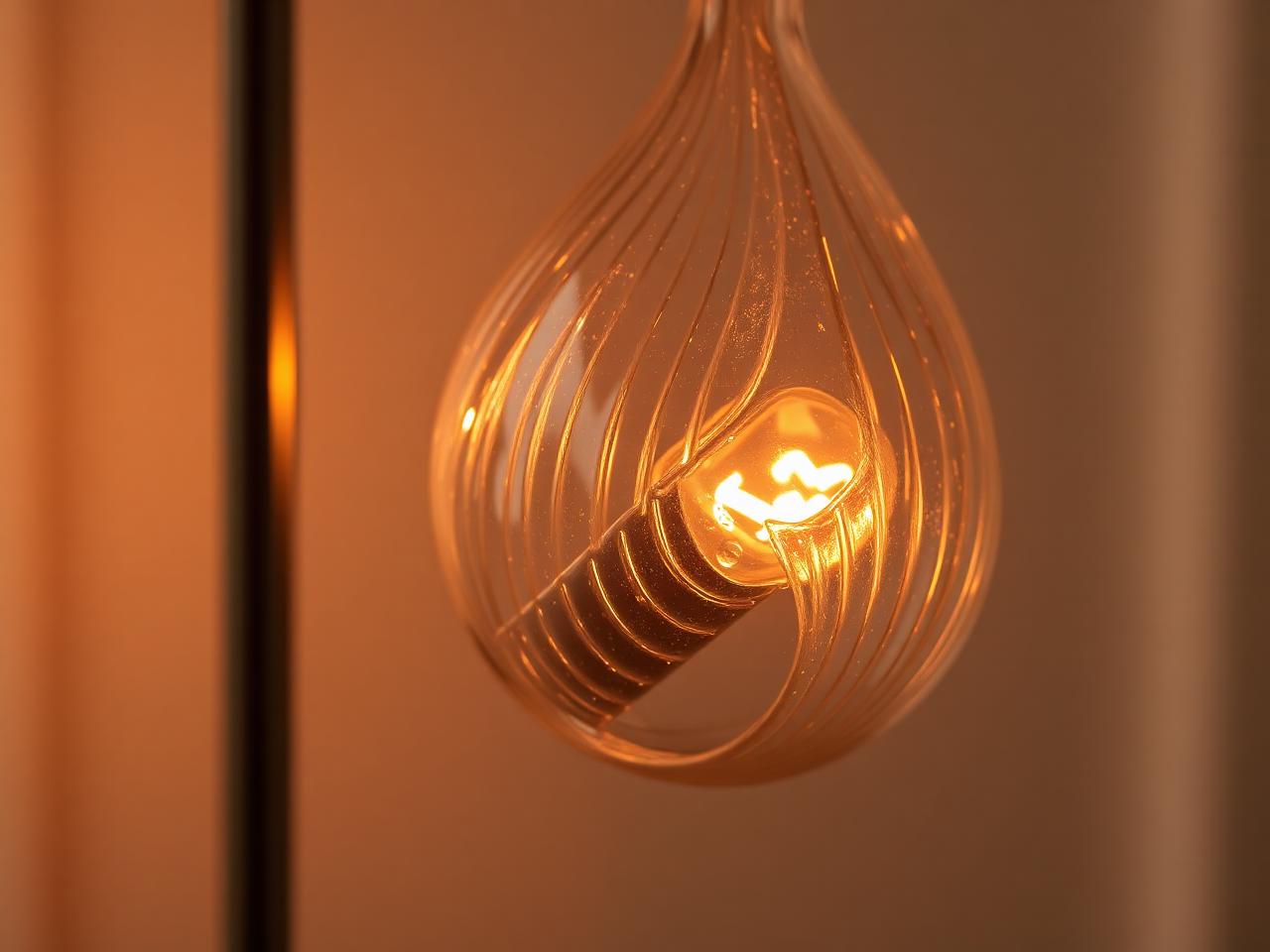
Materials
Blown Glass Lamps: What the Technique Does and Does Not Tell You
Blown glass describes a forming technique. Assess a lamp’s finish, visible source and care separately from its production method.
3 min read
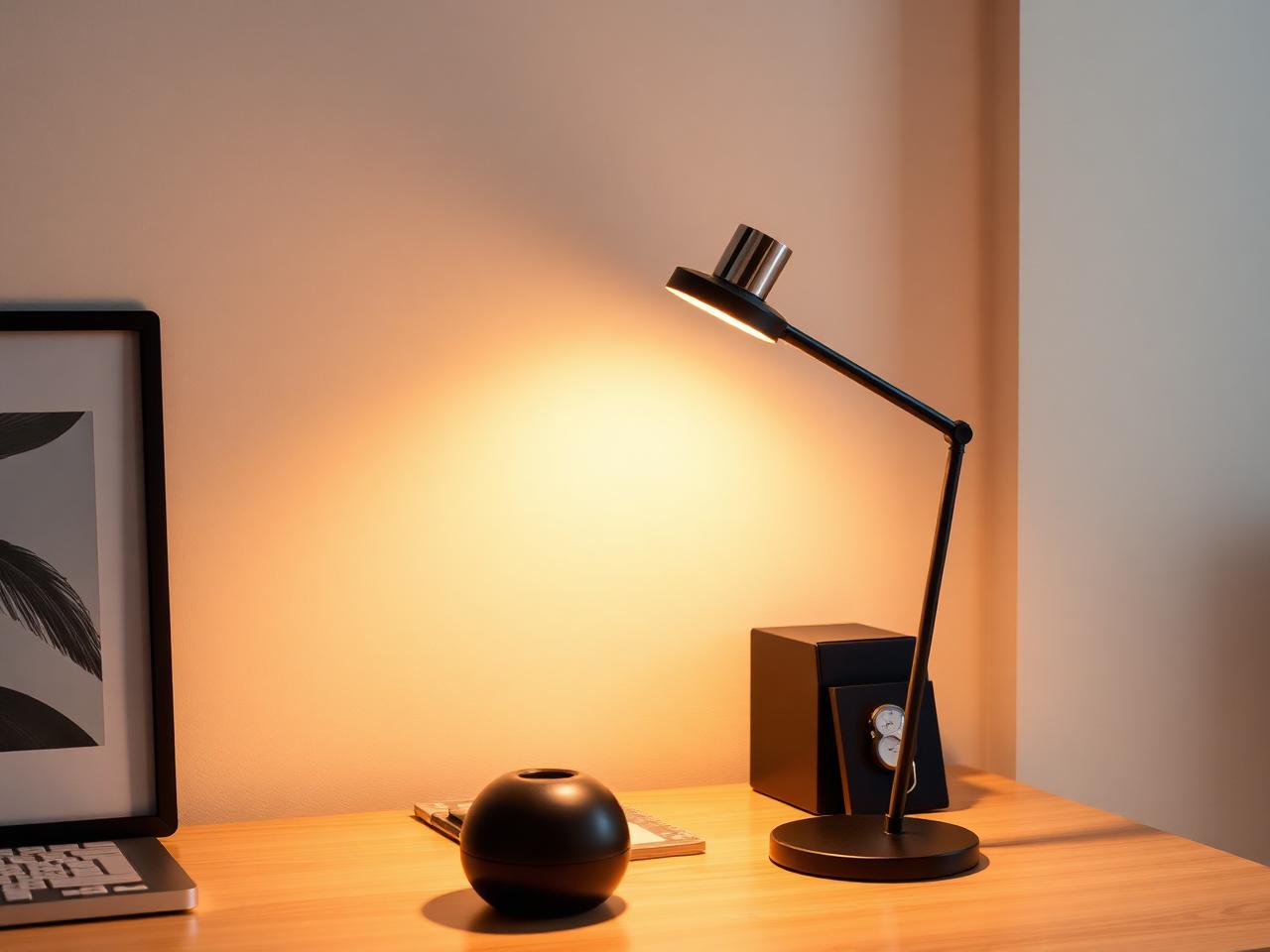
Buying Guide
A Desk Lamp for Home Work: Placement, Glare and Screen Reflections
Troubleshoot a visible light source, screen reflections and shadows separately. Adjust one position at a time, then check the desk from your usual seat.
3 min read
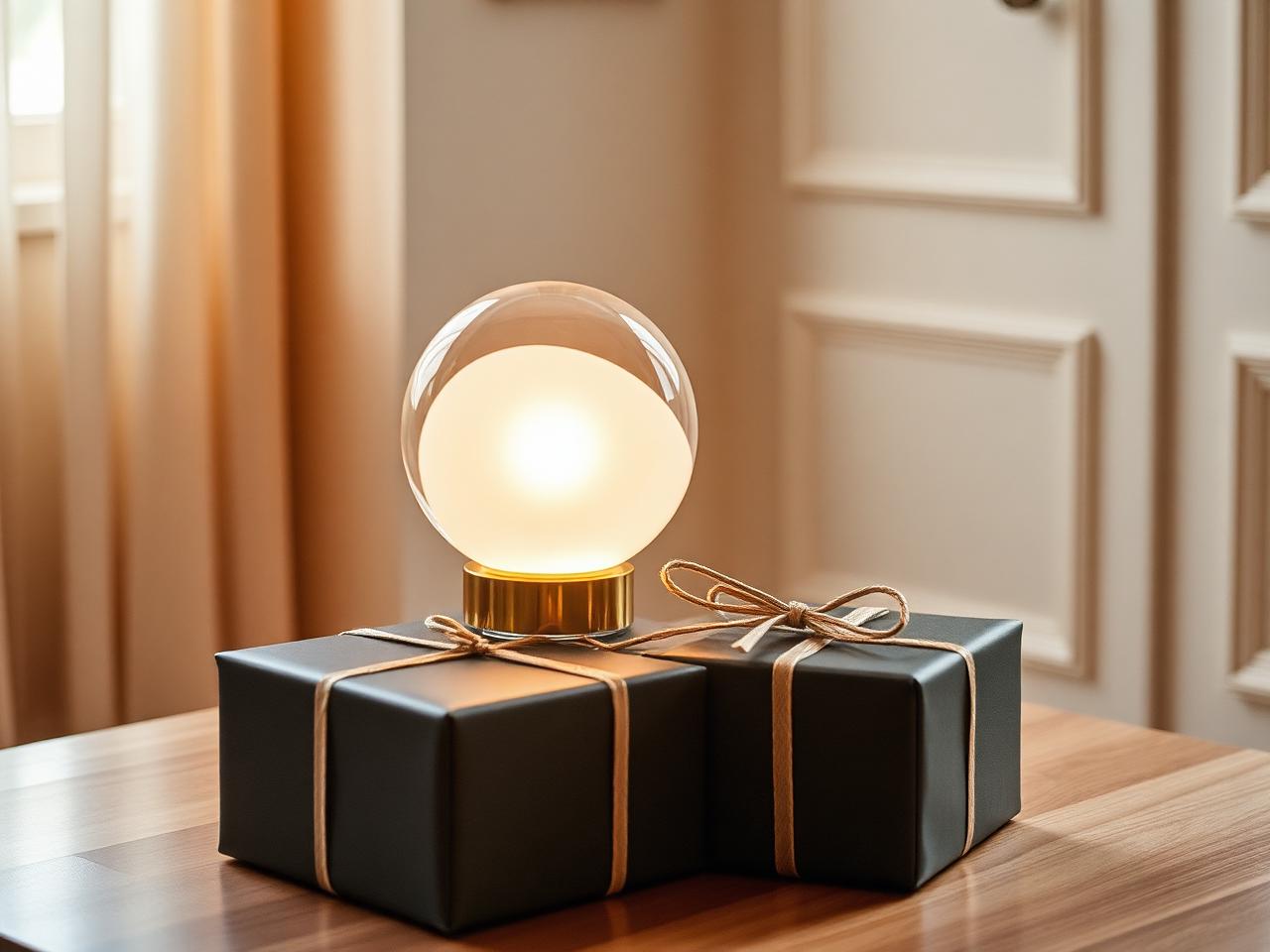
Buying Guide
Choosing a Lighting Gift Around the Person and Their Space
Choose a lamp gift by the intended use, the person's preferences, and what you can actually confirm—not by a price tier.
3 min read
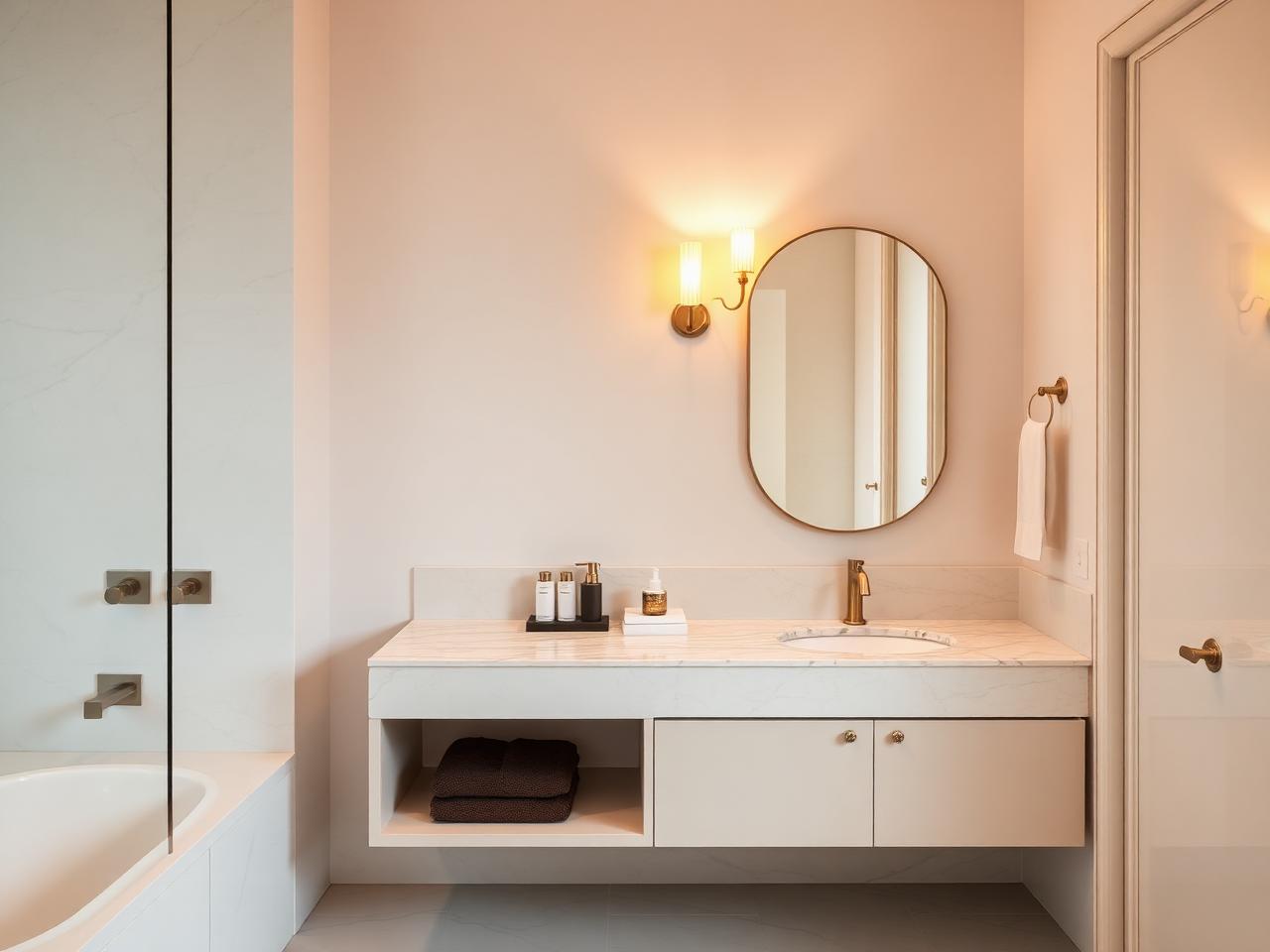
Lighting by Room
Bathroom Lighting Ideas for a Clearer Mirror View
Separate mirror visibility from general room light, assess shadows and glare, and leave fixture selection near water to qualified installation.
3 min read
Buying Guide
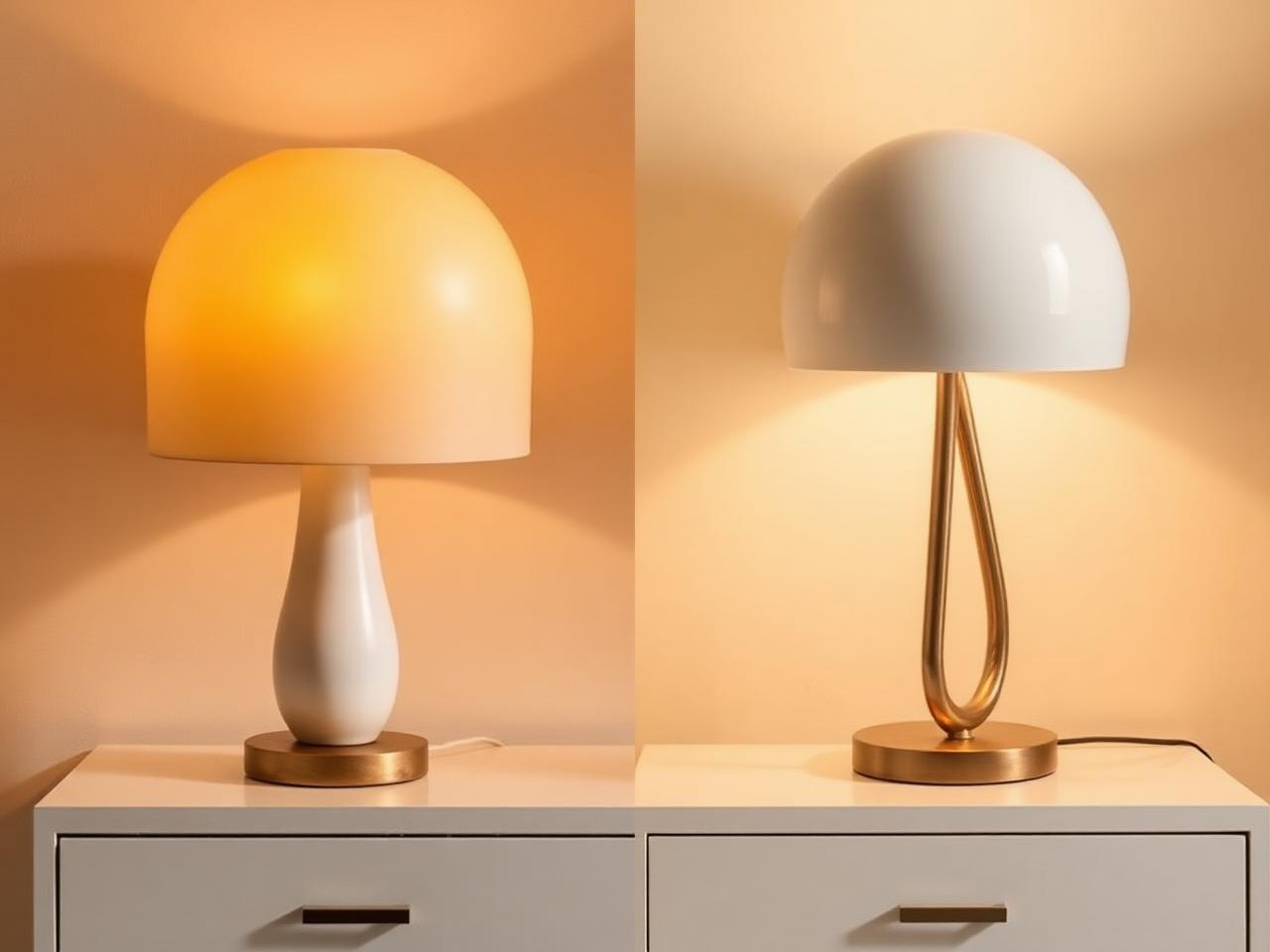
Mushroom Lamp vs Dome Lamp: Compare the Whole Silhouette
These shape labels can overlap. Compare the cap, support and visible light source rather than expecting a name to predict performance.
3 min read
Design Principles
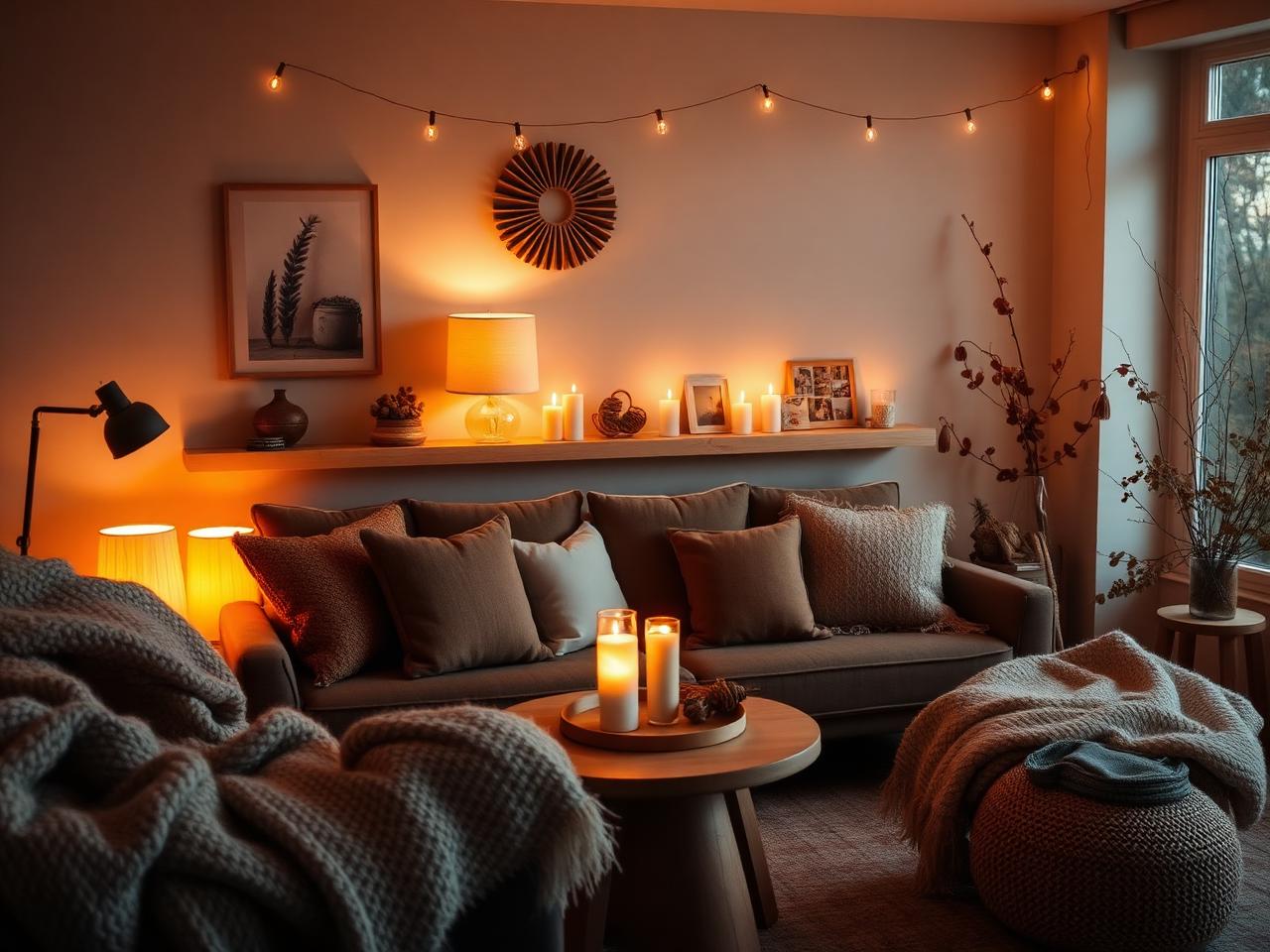
Hygge Lighting: Make a Gathering Space Comfortable to Use
A considerate lighting approach for conversation and shared evenings, with room for individual preferences and the lamps you already own.
3 min read

Materials
Travertine Lamps: Check the Stone, Surface and Setting
Explore travertine as a material without assuming that a stone-like lamp contains it. Verify composition and care before choosing.
3 min read

Lighting by Room
Nursery Lighting: Practical Placement and Everyday Access
Plan nursery light around adult reach, stable placement, clear routes and cables kept out of a child’s reach. Follow each product’s safety instructions.
3 min read
Design Principles
A Room-Lighting Makeover: The Before-and-After Checklist
Start with one corner and one job, check the real placement, then compare consistent views without mistaking photographs for brightness measurements.
5 min read

Lighting by Room
How to Choose the Right Size Lamp for an Entryway Console
Choose a console lamp by usable depth, overall span and reach. Test the real surface rather than using a fixed proportion rule.
3 min read
Design Principles
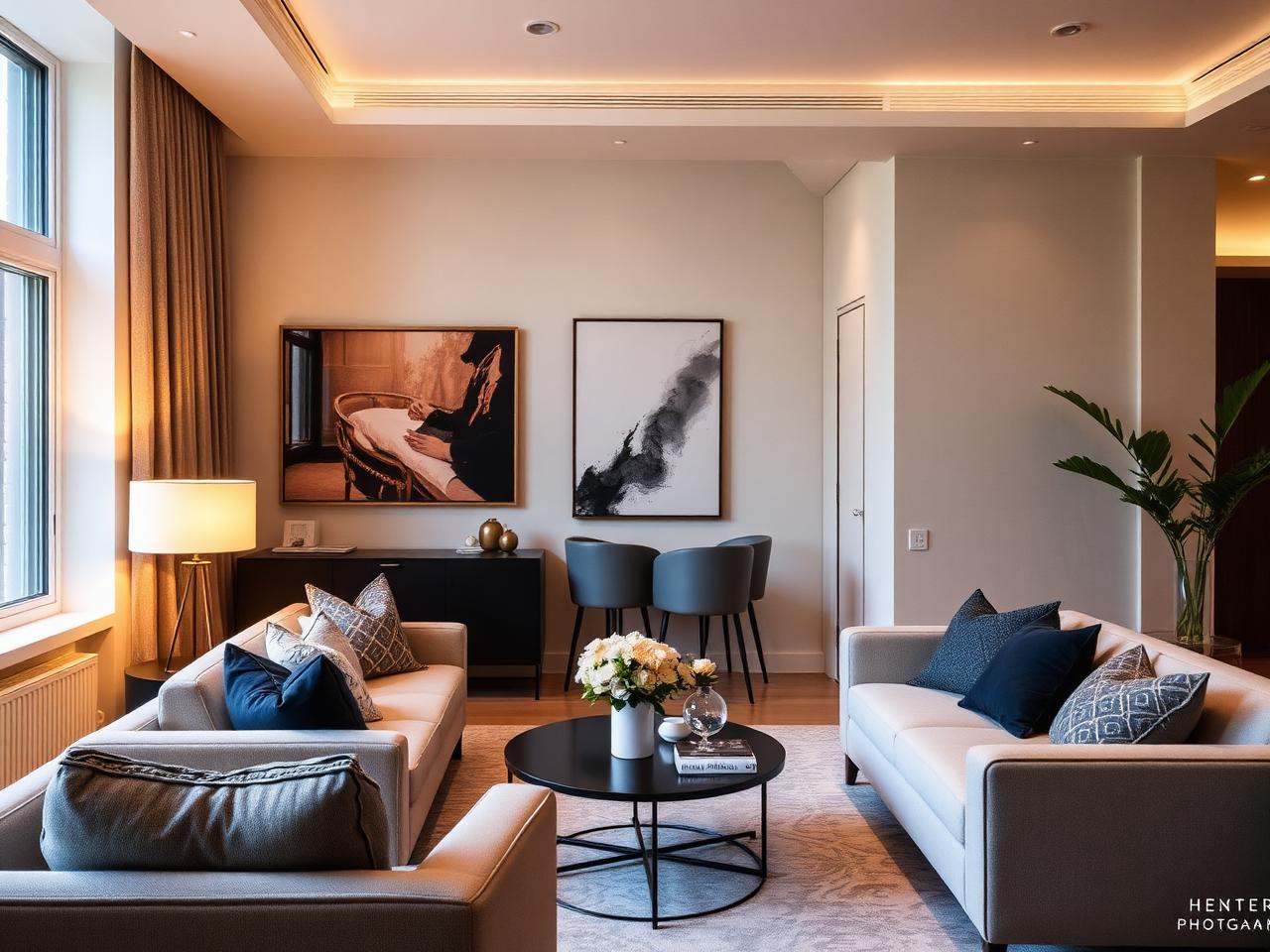
Rental Lighting: Plan Changes You Can Take With You
Check your rental agreement, use existing surfaces and outlets, and make a lighting plan that can move with you.
3 min read
Design Principles
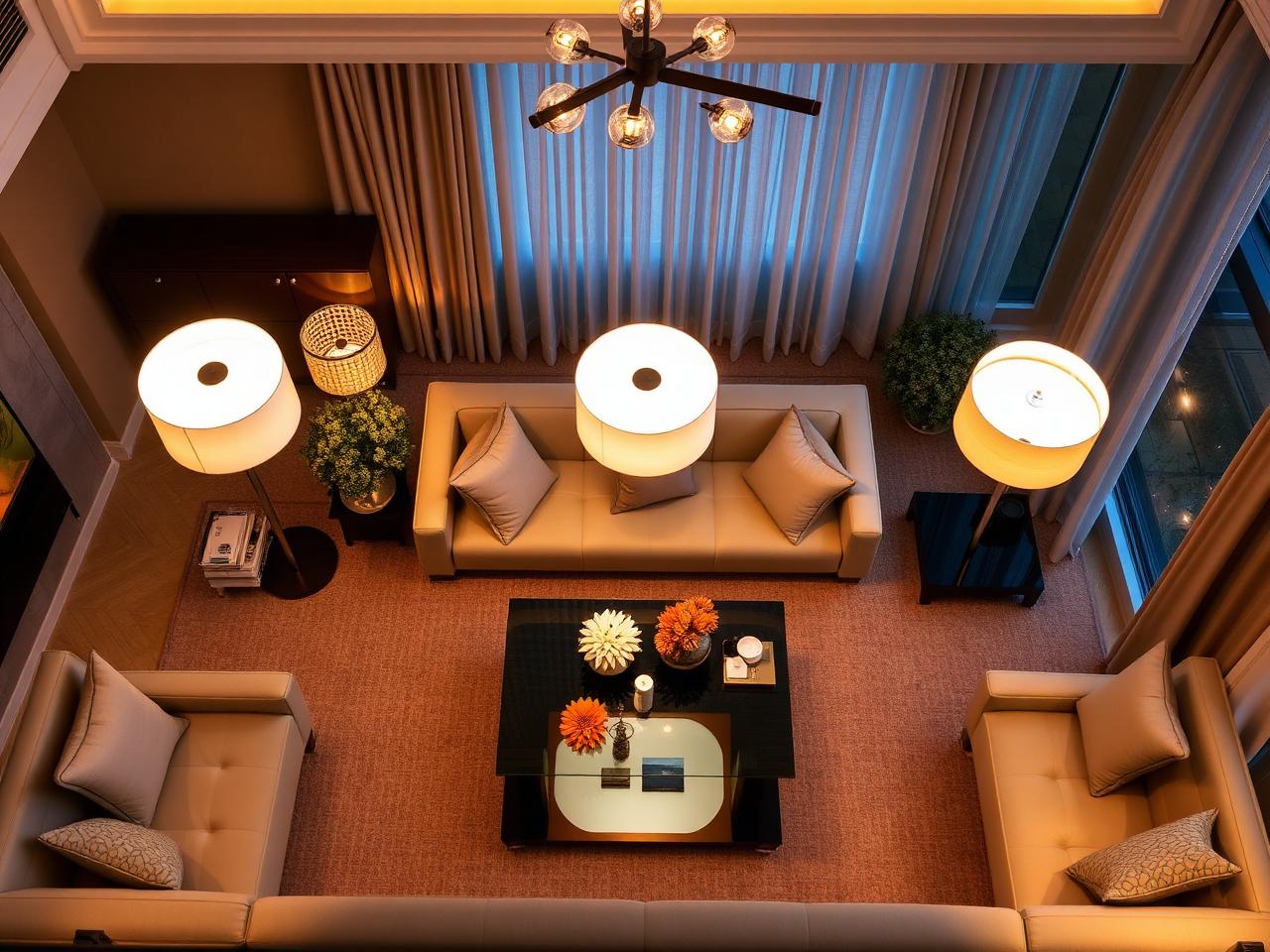
How Many Lamps Does Your Living Room Actually Need?
Decide whether to add, move or remove a lamp by checking what each source contributes to the room.
3 min read
Design Principles
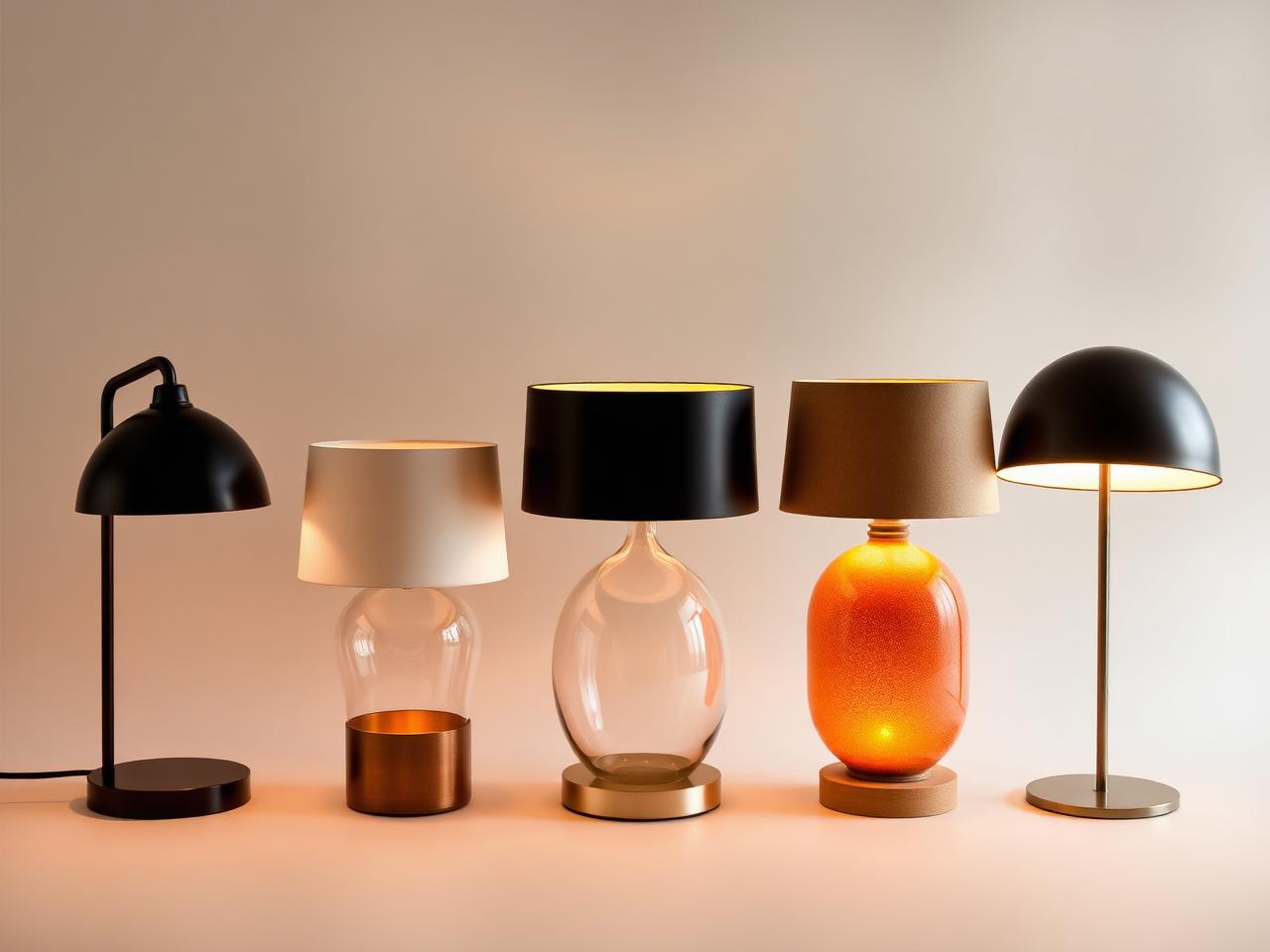
Seven Lighting Decisions Worth Checking Again
Revisit seven practical choices, from lamp scale to controls, without replacing a room’s lighting all at once.
3 min read
Living With Lamps
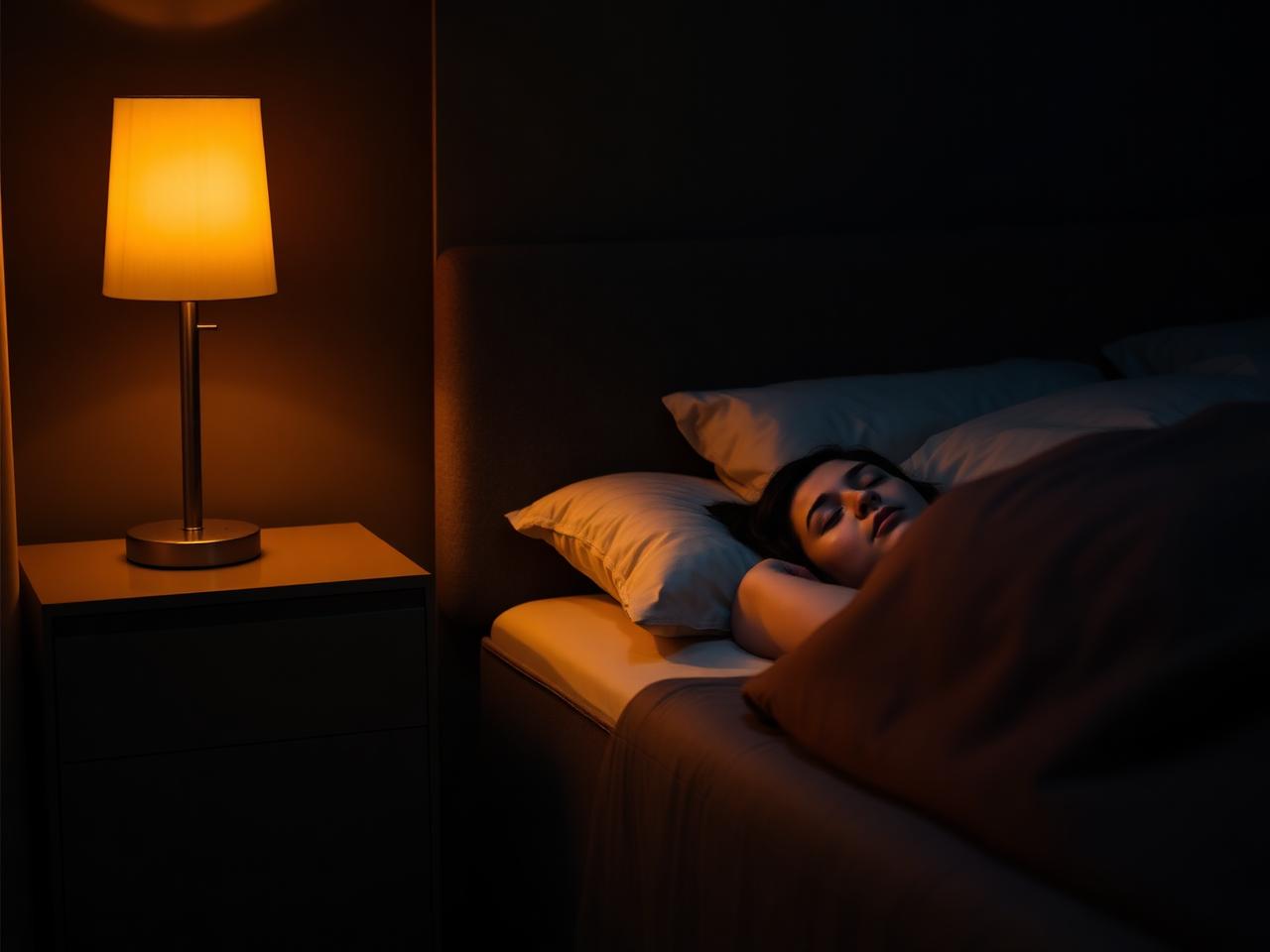
An Evening Bedroom Setup for Different Activities
Plan separate lighting arrangements for dressing, reading and quiet evenings. Choose by visibility and preference, not promised sleep results.
3 min read

Styling
Lighting Ideas to Consider in 2026: Choose for Your Room
A practical way to assess sculptural shapes, colour, texture, and lighting controls without treating a trend as a requirement.
3 min read

Buying Guide
Five Lighting Decisions to Make Before Buying for a New Home
Work through existing light, daily activities, surfaces, power routes, and missing roles before choosing lamps for a new home.
3 min read
Styling
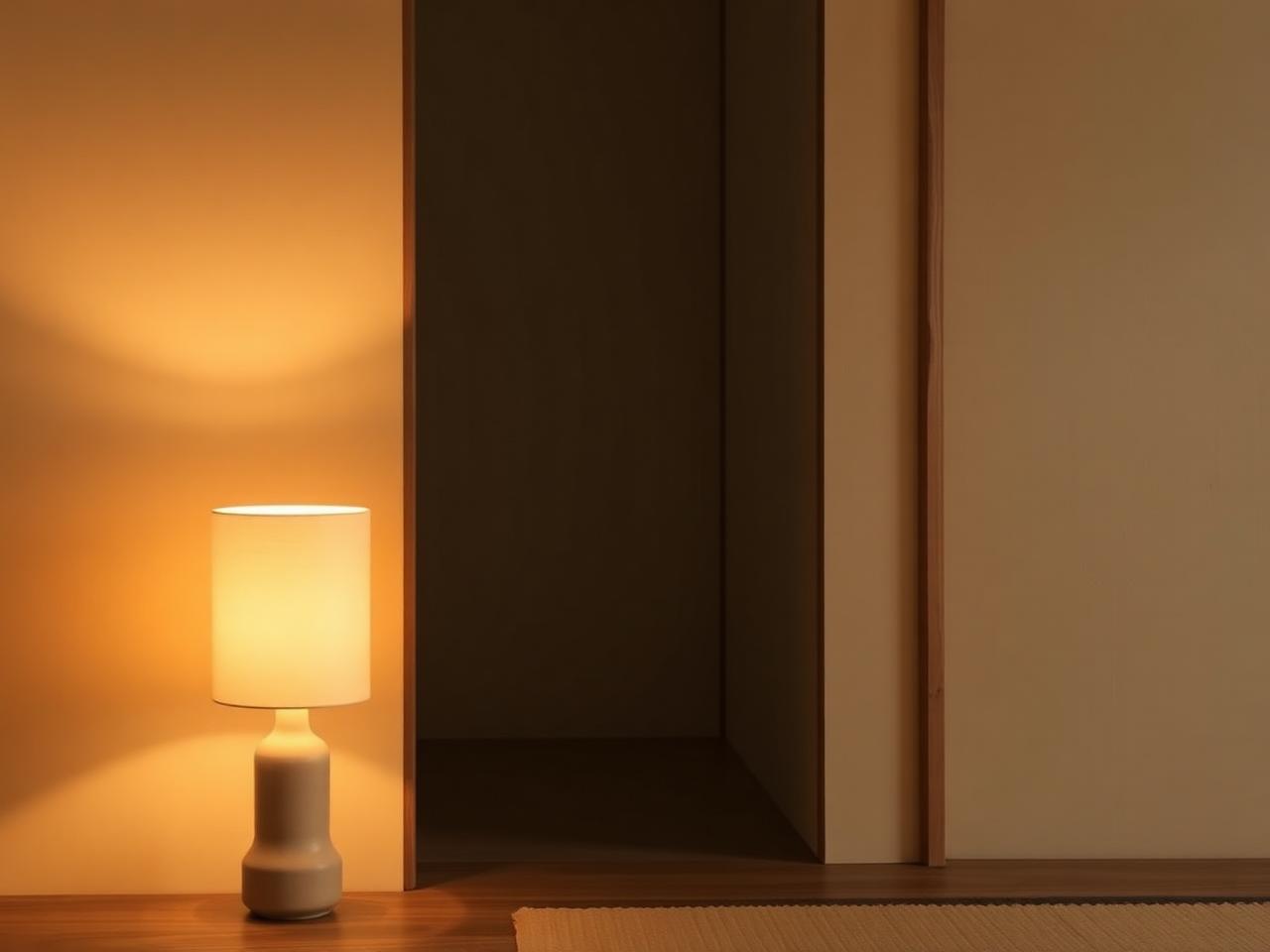
Japandi Lighting: Translate a Style into Your Own Room
Use the Japandi label as a flexible reference for restrained shapes and considered placement, rather than a fixed set of cultural rules.
3 min read
Living With Lamps
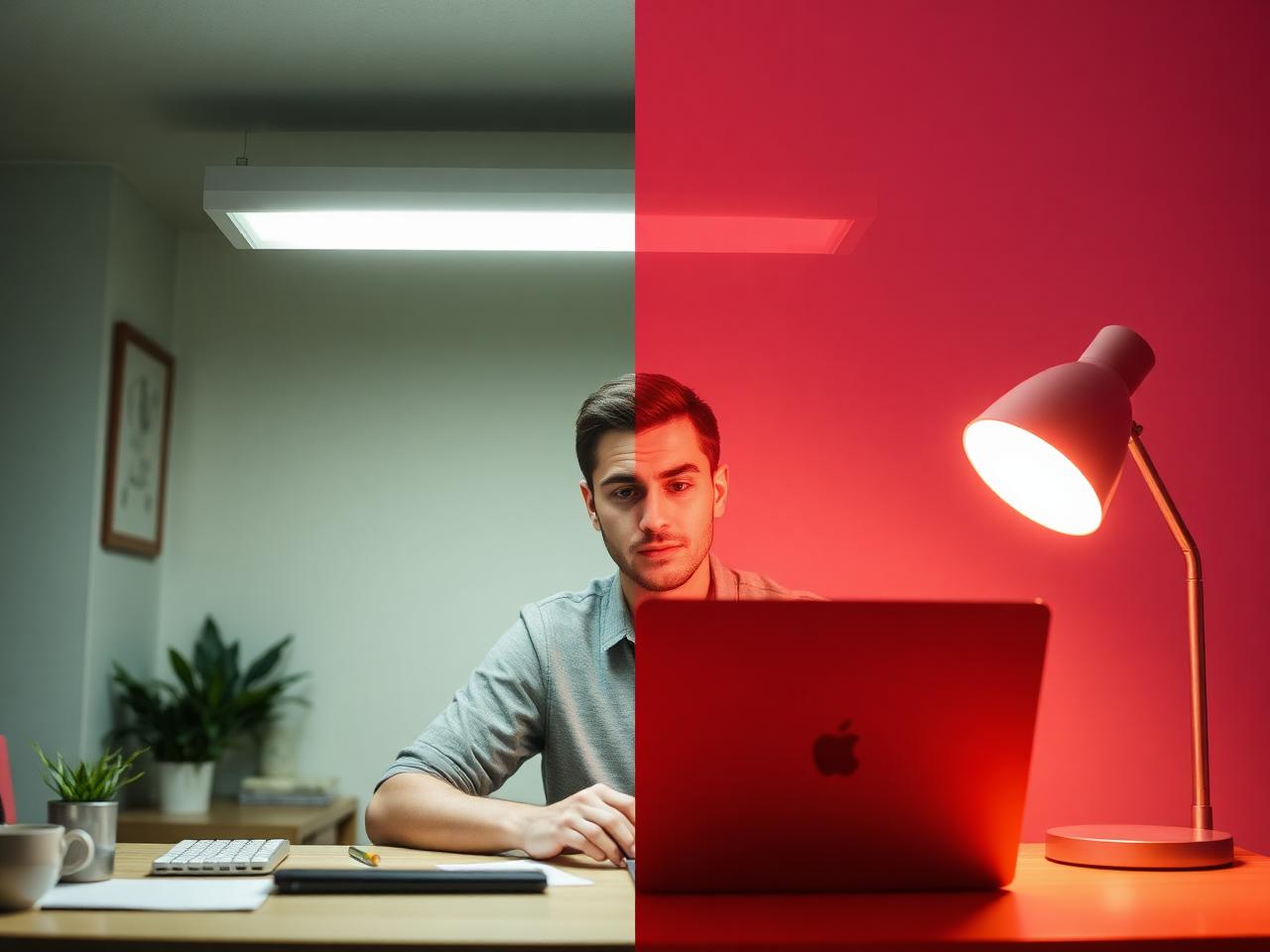
Choosing a Desk Lamp for Paperwork and Everyday Home Work
Choose by the area you need to light, the available desk space and the controls you will use. Decorative appearance alone cannot establish task suitability.
3 min read
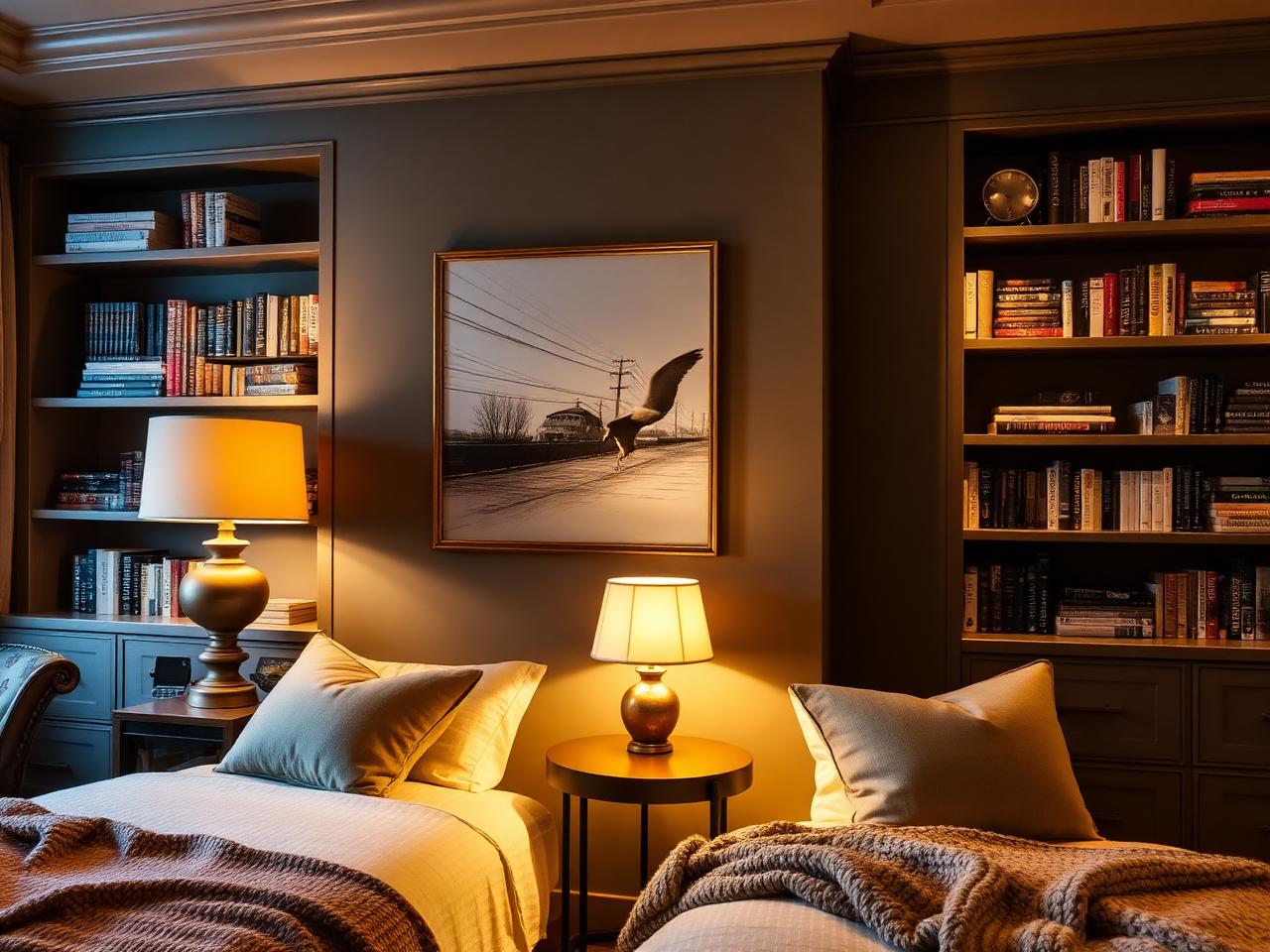
Buying Guide
Lighting for Airbnb Stays: A Repeatable Guest Setup
Make arrival, bedside controls and between-stay resets easier to follow, without relying on guests to understand an unfamiliar lighting system.
5 min read
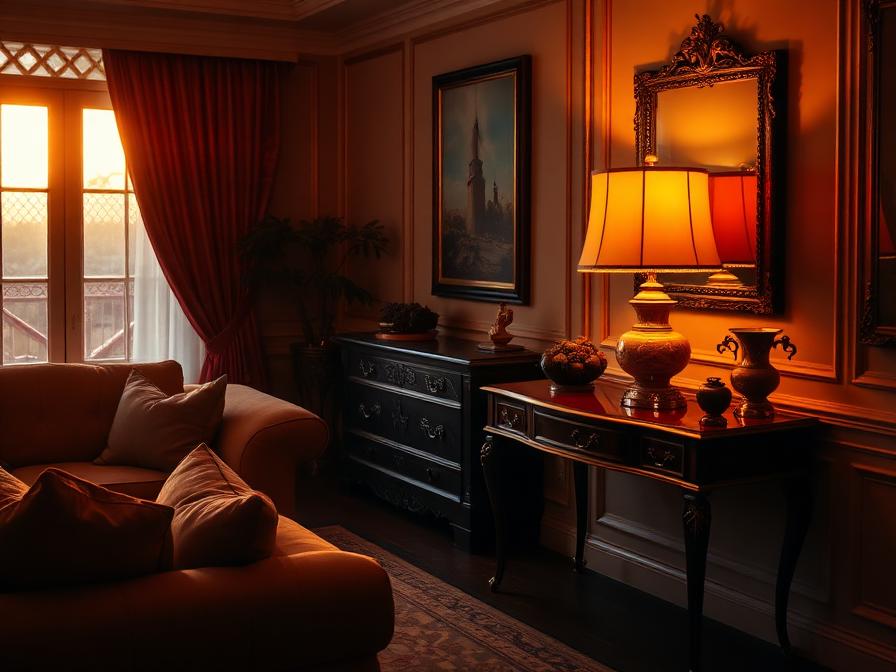
Design Principles
Placing One Lamp So a Room Looks Considered
Use one existing lamp to make a deliberate composition. Start with the room’s main view, then check the light from the place you actually sit.
3 min read
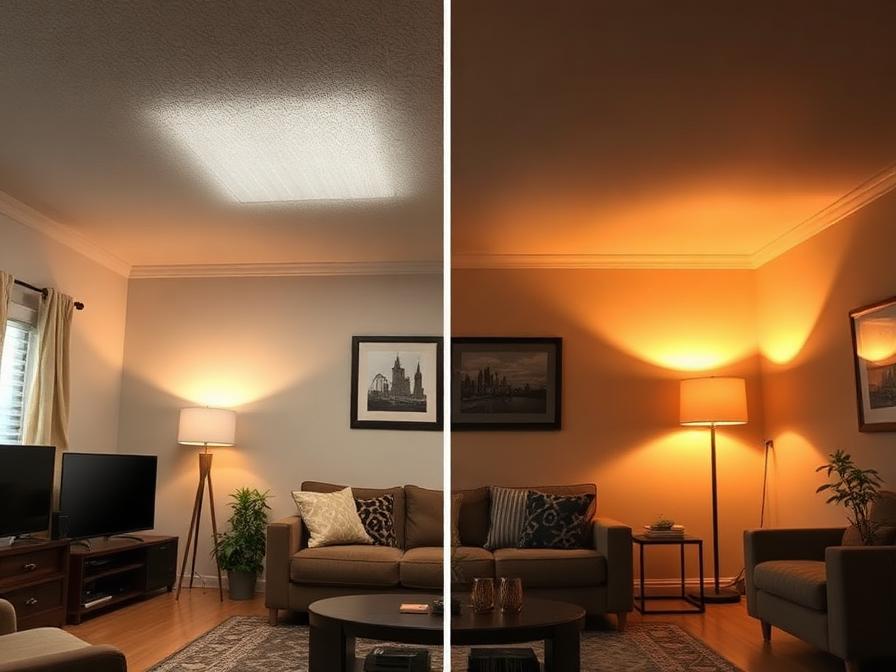
Living With Lamps
Living Mostly Without the Overhead Light: What to Plan For
Prefer lamps in the evening? Plan controls, transitions and exceptions without giving up useful general lighting.
4 min read
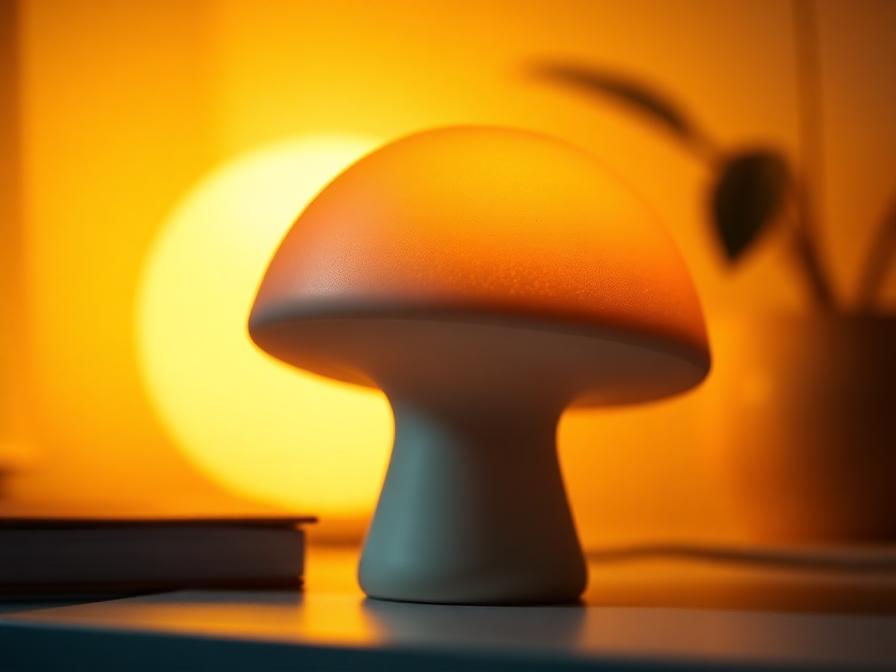
Styling
Why the Single Statement Lamp Look Works
A distinctive lamp can anchor a quiet surface. Judge the silhouette, surrounding space and actual light rather than a social-media image.
3 min read
Living With Lamps
A Quick Evening Walk-Through: Checking How Your Rooms Are Lit
Walk through your home after daylight fades. Check routes, occupied seats and useful surfaces before deciding whether another lamp is needed.
3 min read
Design Principles
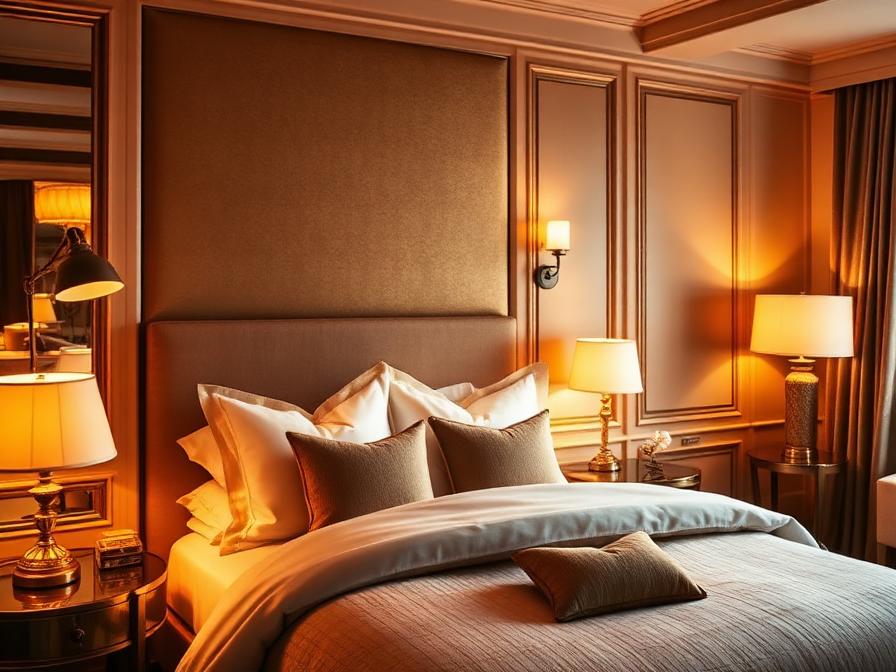
What Hotel Rooms Get Right About Lamp Placement
Borrow a useful hotel-room idea: place light where daily activities happen, then check reach, glare and the route through the room.
3 min read
Design Principles
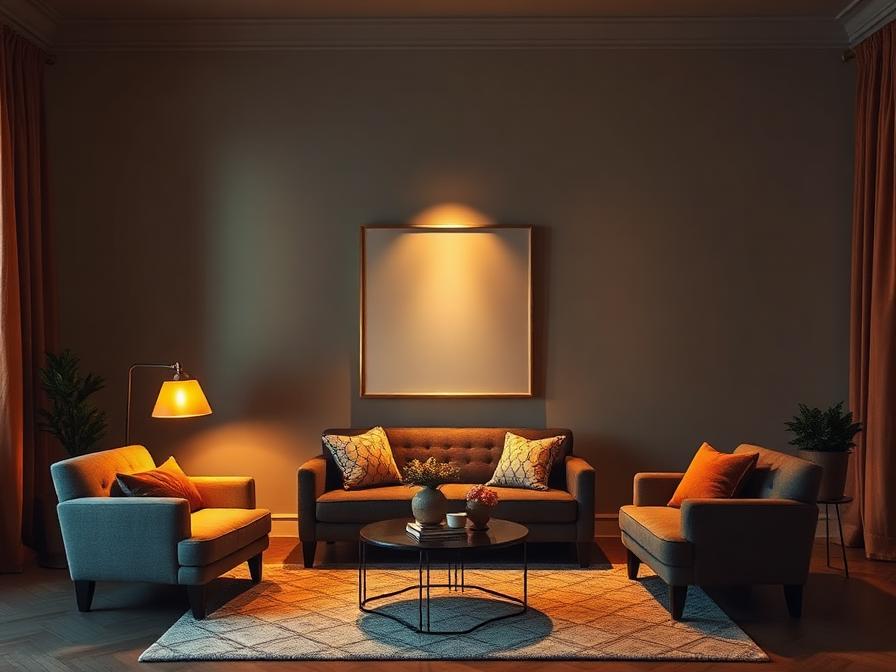
The Lighting Rule Worth Following: Light the Room at Lamp Height
Add light close to where the room is used. A seated-view placement exercise gives table and floor lamps a clear role alongside general lighting.
3 min read
Living With Lamps
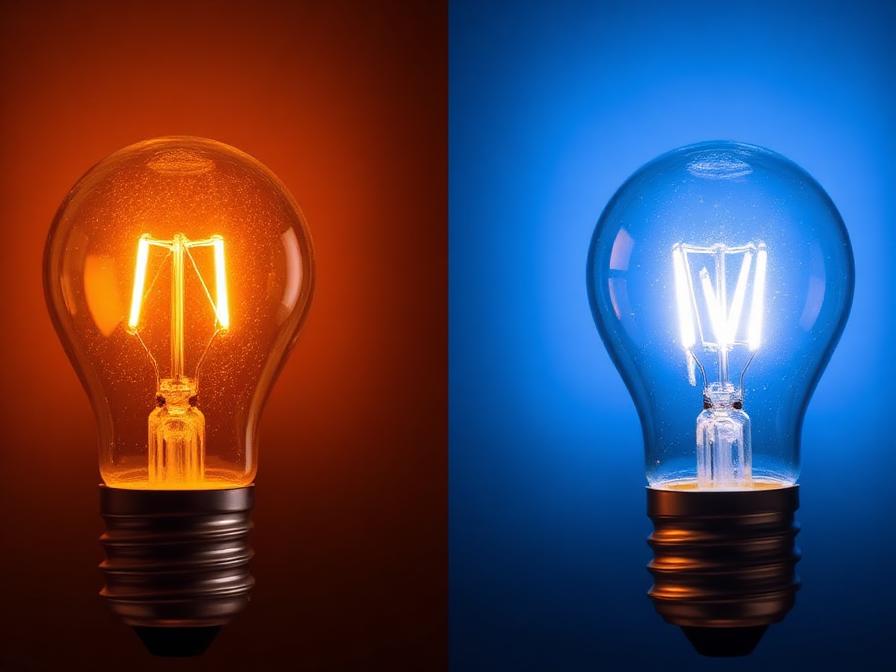
Why Overhead-Only Light Can Look Flat on Faces
Light direction changes the shadows on a face. Compare overhead-only light with a broader side source, without treating the reflection as a health assessment.
3 min read
Living With Lamps
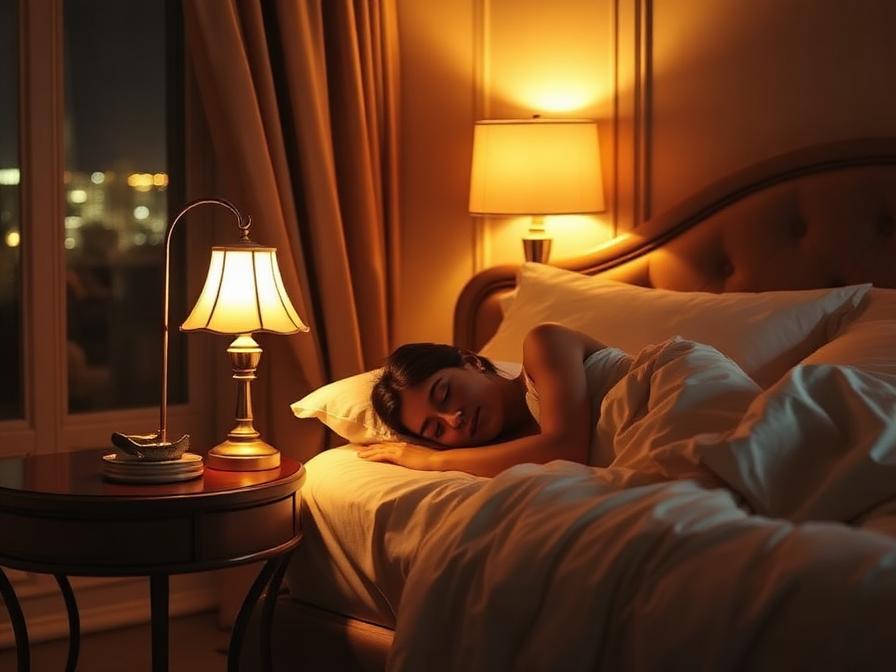
A Simple Evening Lighting Reset
Use a repeatable handover between practical lighting and your preferred evening arrangement, without a timer or a promised result.
3 min read
Design Principles
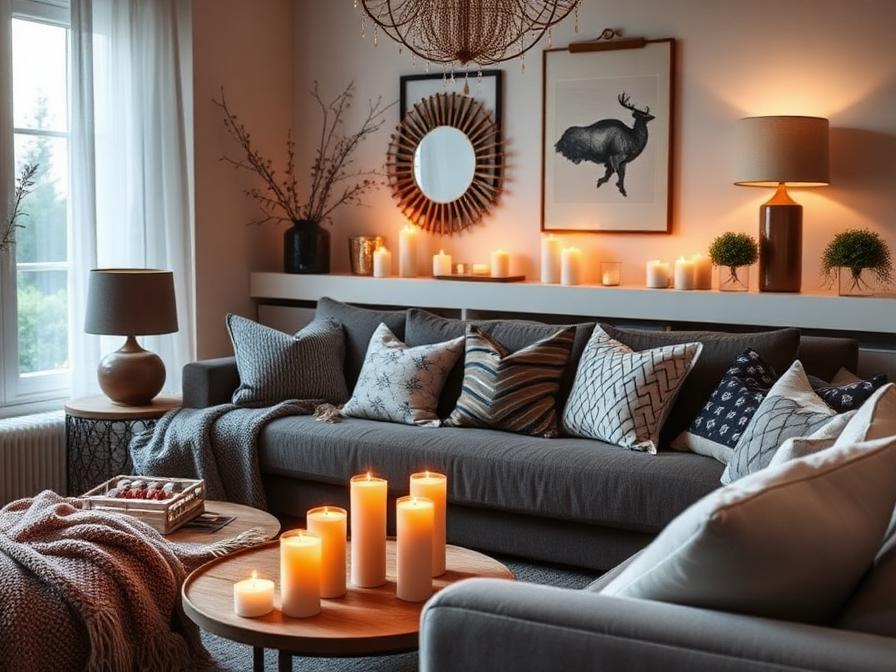
Scandinavian-Inspired Lighting: Plan for a Long Evening
Build a useful evening lighting arrangement around seating, movement, and reachable controls, without relying on national stereotypes.
3 min read
Buying Guide
How to Check Replacement Bulb Compatibility
First confirm whether the light source is replaceable. Then check the stated socket/base, the manufacturer’s maximum and any other compatibility requirements.
3 min read
Design Principles
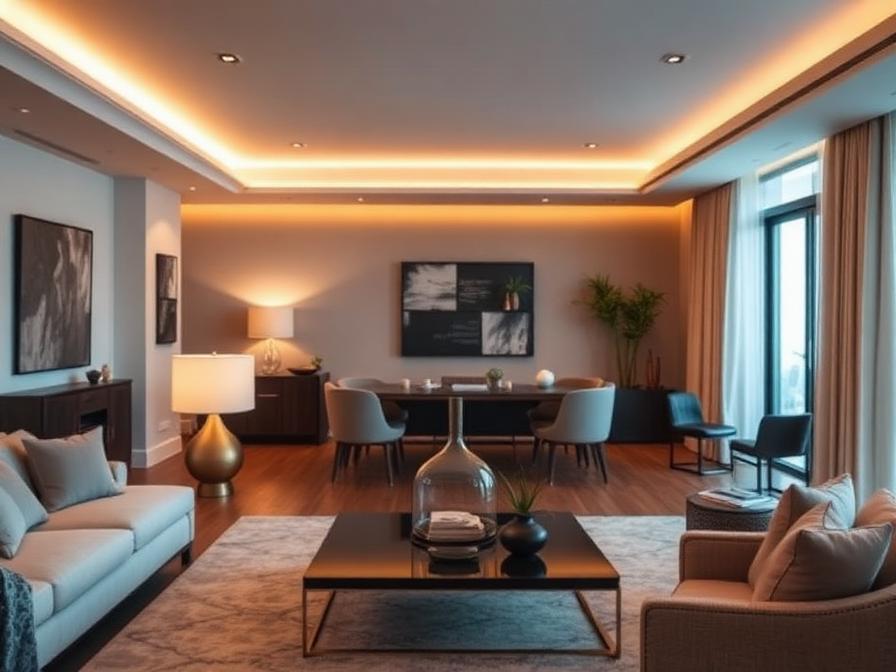
Lighting a Home for Viewings and Listing Photos
Prepare clear, representative room lighting for photographs and visits, without treating lamps as a promise of increased property value.
3 min read
Design Principles
Mixing Colour Temperatures: When to Match and When to Contrast
Mixed warm and cool light can look deliberate or distracting. Judge the sources that share a view before deciding what needs to match.
3 min read
Design Principles
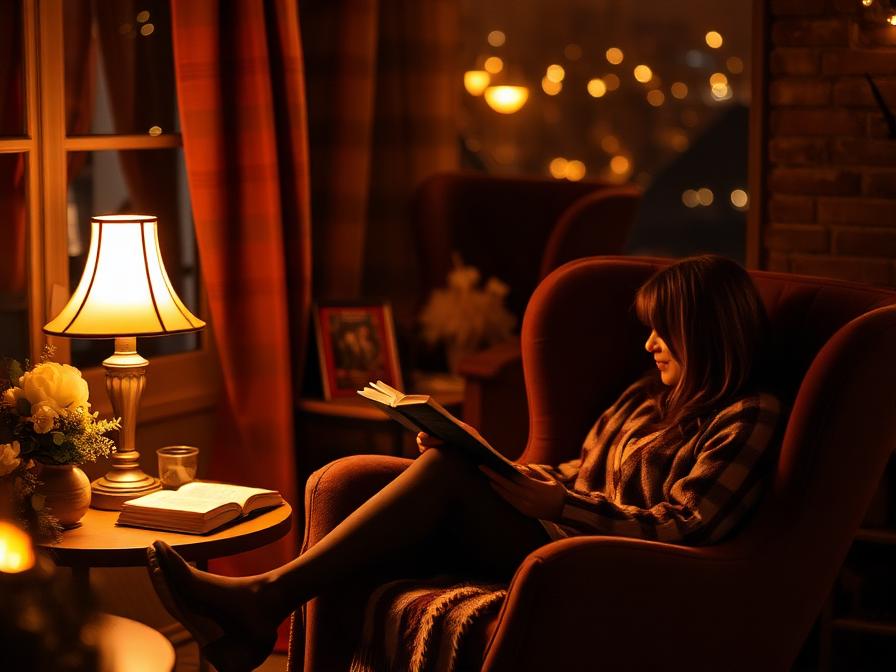
What Your Lighting Choices Say About How You Use a Room
Read your lighting as a record of daily activities, not a personality test. Notice what it serves, what it overlooks and what could change.
3 min read
Design Principles
Borrow a Living Room Lighting Idea Without Copying the Photograph
Translate an appealing room image into one practical change that fits your own furniture, seats and evening routine.
3 min read
Living With Lamps
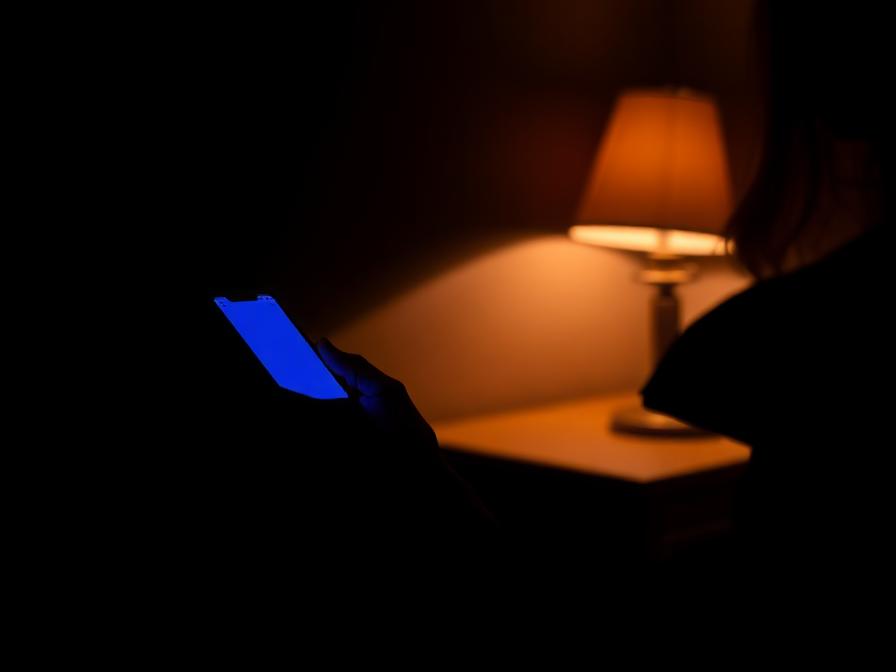
When Bedroom Lighting Feels Visually Uncomfortable: What to Check
Describe visible problems such as exposed sources, reflections and poorly lit surfaces, then make one practical adjustment at a time.
3 min read
Design Principles
A Triangle of Lamps Is a Sketch, Not a Lighting Rule
Use a simple plan view to compare possible lamp locations, then let seating, surfaces and access overrule the shape.
3 min read
Living With Lamps
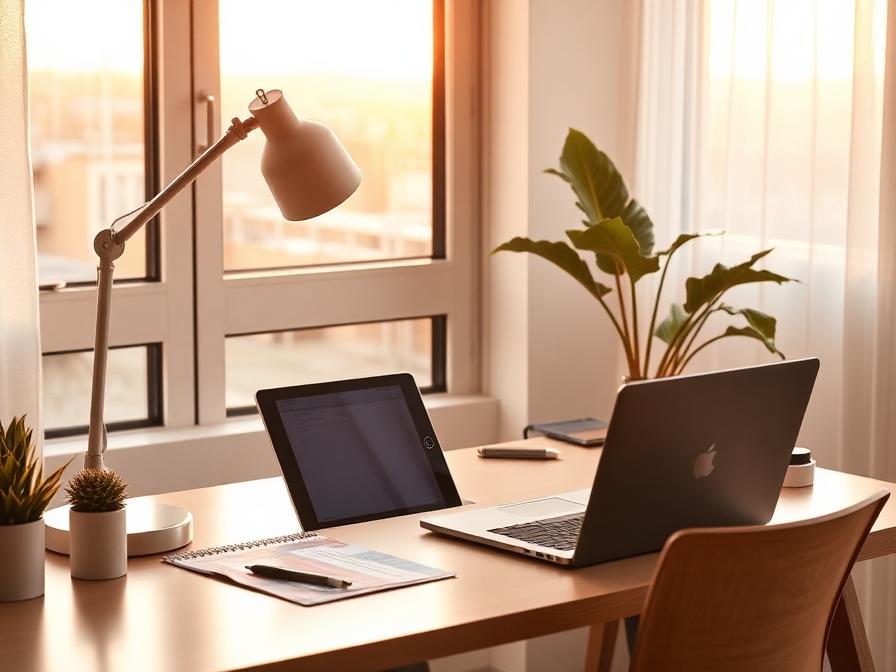
Turning a Work Corner Back into an Evening Living Space
Keep a shared room useful after work. Separate desk-task lighting from the light you want at the sofa, table or reading chair.
3 min read
Design Principles
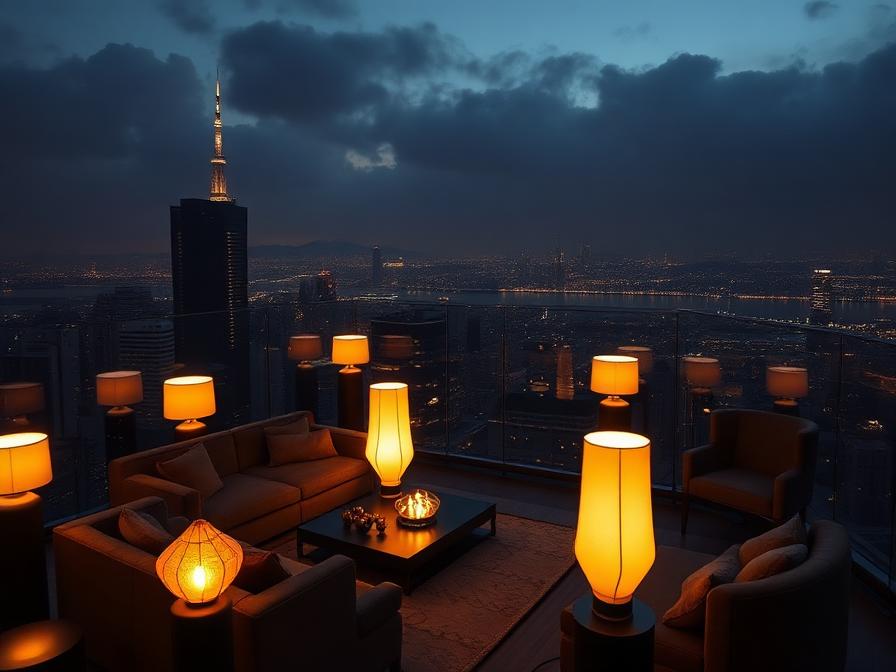
Make an Apartment Look More Considered With Lighting
Use a clear focal point, usable surfaces, and a checked evening view to create a cohesive apartment lighting arrangement.
3 min read
Styling
Komorebi and Home Lighting: Working with Light and Shadow
What sunlight through leaves can teach us about placing lamps, leaving quieter surfaces, and judging shadow without copying an outdoor effect.
4 min read
Design Principles
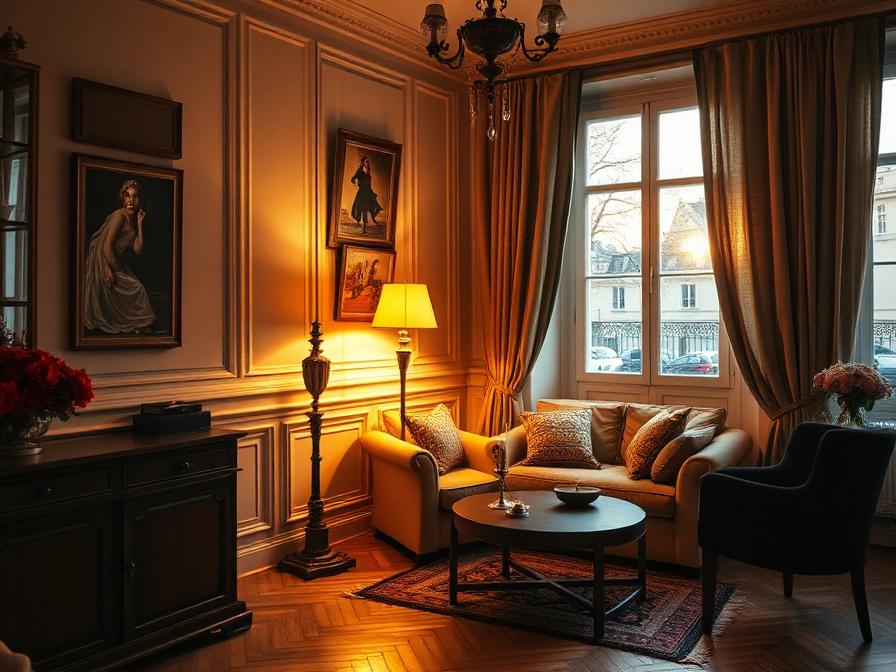
Room-by-Room Lighting Adjustments: Choose the Job Before the Lamp
Different rooms ask different things of light. Use the activity in each space to decide what to keep, what to move and what still needs attention.
4 min read
Design Principles
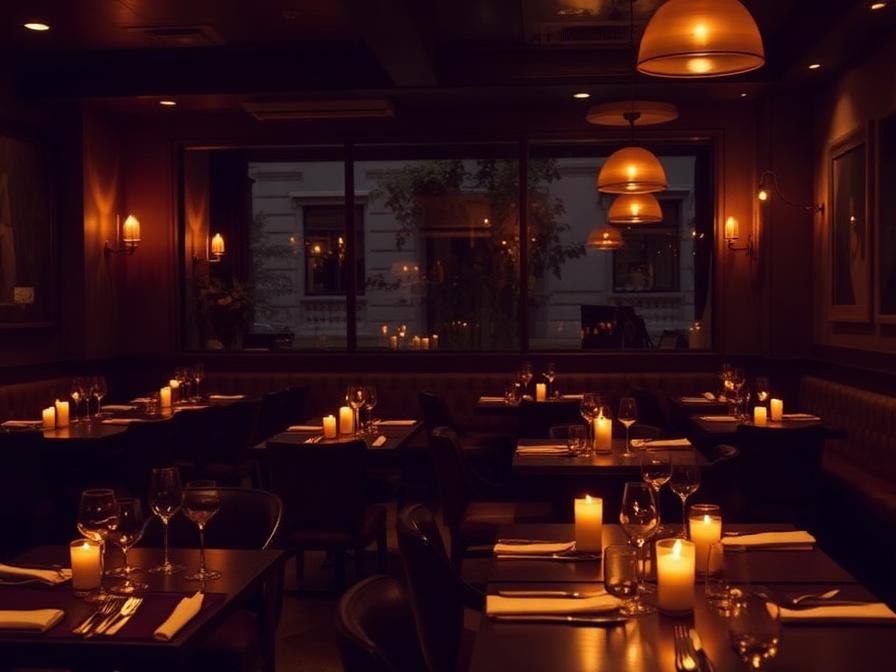
Lower, Warmer Light at the Dinner Table
Plan a softly lit dinner without losing sight of food, faces or the route to the table. Test the arrangement from each seat.
3 min read
Buying Guide
Five Lighting Roles to Check Before Adding Another Lamp
Use five descriptive roles to audit what your current lighting does, without treating them as five required purchases.
3 min read
Living With Lamps
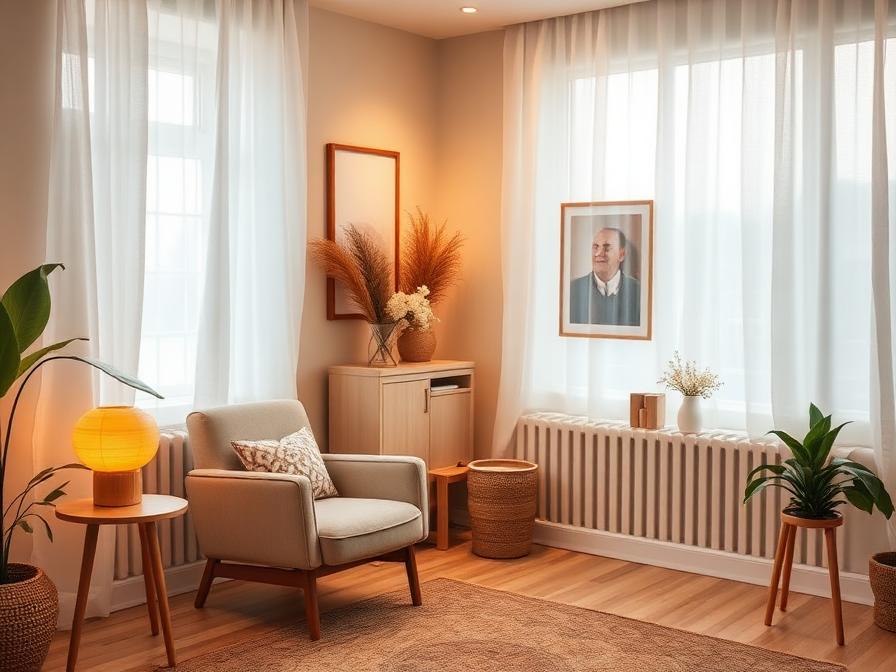
Calm, Low-Glare Light for a Conversation Space
Plan light around both seats, keep bright sources out of direct view, and leave enough light to see faces and surroundings.
3 min read
Buying Guide
Three Lighting Decisions to Revisit Before Replacing a Lamp
Check the purpose, position and documented controls of an existing lamp before deciding that a replacement is needed.
3 min read
Design Principles
Borrowing Lighting Ideas from European Interiors Without Copying a Room
Translate the relationships in an interior photograph into your own space, without assuming a single European lighting style.
3 min read
Styling
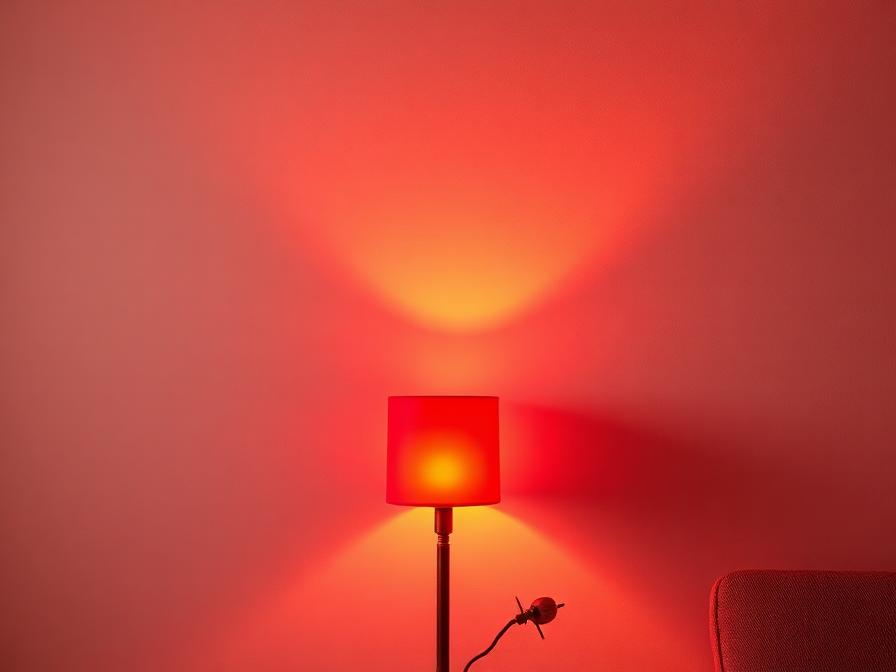
Sunset Projector or Table Lamp? Choose the Effect You Actually Want
A projected color effect and a visible decorative lamp offer different experiences. Compare the room, the surface, and the intended use rather than chasing a replacement trend.
3 min read
Living With Lamps
Expressive Lamp Styling: Choose What You Like Without Mood Promises
Compare color, outline, texture, and light as personal preferences. A decorative lamp does not need a scientific happiness claim to earn its place.
3 min read
Buying Guide
How to Update Your Lighting Without Replacing Everything
Keep what works, name the missing function and change one piece at a time. A practical lighting update does not need a brand hierarchy.
3 min read
Styling
How to Judge Whether a Lamp Is Worth Keeping Long-Term
Look beyond a striking photograph. Judge a lamp by its place in your room, its daily use and the information available about its care.
3 min read
Styling
Lower-Light Rooms: Keep Contrast Without Losing Useful Light
Create a more selective evening arrangement while retaining the light needed for moving around and everyday activities.
3 min read
Lighting by Room
Living Room Ambient Lighting: Check the Gaps After Dark
Assess the room beyond the lamps themselves: faces, furniture edges and the darker areas between seating groups.
3 min read
Lighting by Room
Bedroom Lighting for the Evening: Choose a Setup, Not a Deadline
Build an evening lighting arrangement around what you do in the bedroom, without a fixed switch-off time or a promise about sleep.
3 min read
Styling
How to Style a Table Lamp on a Console, Bedside Table or Reading Corner
Start with the surface’s everyday job. Then check support, reach and the light from the position in which you will actually use it.
3 min read
Buying Guide
A Practical Guide to Ambient Lighting at Home
Plan the general light in a room around the places you use, the views you see and the controls you can confirm.
3 min read
Buying Guide
How to Choose and Style a Table Lamp
Choose a table lamp by its purpose, dimensions, light source and controls, then plan its place on the surface.
3 min read
Styling
Living Room Lighting Without Ceiling Lights: Plan Access First
Build a practical lamp-only plan around arrival, usable surfaces and reachable controls, without changing the ceiling.
3 min read
Styling
Bedside Lamp Ideas for Small Nightstands
Plan a narrow bedside surface around supported placement, usable space and the view from bed. A smaller base alone does not establish a good fit.
3 min read
Styling
Warm or Cool Light in the Bedroom: Compare What You Prefer
Separate light colour from brightness, then compare the appearance of your bedroom under the sources you actually use.
3 min read
Styling
Orange Glass Lamps: Place a Warm Color Accent Without Overdoing It
Separate the color of the shade from the light it produces, then check an orange or amber accent against the room you already have.
3 min read
Styling
Neo Deco Lighting: Use Geometry Without Making the Room a Theme
Use Neo Deco as a styling shorthand, not a promise about trends or provenance. Compare geometry, repetition, and surrounding shapes.
3 min read
Styling
Entryway Lighting Ideas for an Easier Arrival
Plan the view from the door, the landing spot and the onward route. A console lamp can contribute without replacing useful general lighting.
3 min read
Styling
How to Light a Reading Nook Around Your Chair
Plan a reading corner around the chair, page and everyday reach. Keep task light distinct from decorative glow and leave the small table useful.
4 min read
Styling
Make a Rented Apartment Feel Cozy With Light You Enjoy
Build an evening arrangement around your preferred seat, check reflections, and keep enough light for the things you actually do.
3 min read
Styling
When a Lamp Makes a Thoughtful Housewarming Gift
A lamp can be a useful housewarming gift when the new home has a place for it. Ask about space and preferences before choosing.
3 min read
Styling
Mood Lighting for Movie Nights, Dinners, and Slow Mornings
Change the combination of existing lights to suit a film, a meal or a quiet morning. Check reflections, usable surfaces and routes before choosing a setting.
3 min read
Placement & Planning
Light the Whole Table for Puzzles and Board Games
Check a shared game surface from every seat, including reflections on glossy pieces and shadows from hands. Try the existing lighting before adding a lamp.
4 min read
Placement & Planning
Give Each Reader a Usable Place in the Room
Plan a reading group seat by seat. Check separate pages, changing chairs and light spilling toward other readers before settling on a layout.
4 min read
Placement & Planning
Switch a Dining Table Between Paperwork and Dinner
Make two repeatable lighting arrangements for one table, with a clear place for work equipment when the meal begins.
4 min read
Placement & Planning
Position Light Around Hands and Fabric at a Craft Table
Check hand shadows, raised fabric and small tools in the work position. Separate detail visibility from colour-matching claims.
4 min read
Lighting by Room
A Guest Room That Is Also an Office: Plan Two Lighting Setups
Separate desk work from overnight use, with accessible controls and a repeatable changeover between the two arrangements.
3 min read
Placement & Planning
A Lamp for a Reception Desk: Confirm Use Before Choosing the Look
Plan staff control access, clear desk space and care responsibilities, then ask the seller about the exact intended setting.
4 min read
Placement & Planning
Where to Put a Lamp Beside a Sectional Sofa
Choose a position by comparing the sectional’s occupied seats, open ends and inner corner, not by centring the lamp on the sofa.
3 min read
Placement & Planning
Two People, One Sofa: Light for Different Activities
Compare the reading page and the television view at the same time, so a useful change for one seat does not undermine the other.
3 min read
Placement & Planning
A Lamp Beside a TV: Check the Reflection from Your Seat
Use your actual viewing positions to compare a lamp’s reflection, direct visibility and contribution to the surrounding room.
3 min read
Placement & Planning
A Window-Side Lamp: Check the View After Dark
A window-side arrangement has two appearances. Compare its daylight setting with the reflected evening view from the room.
3 min read
Placement & Planning
A Shared Living Room: Agree on the Lighting Before Buying
Separate shared needs from individual preferences, then agree who operates, places and looks after the lamps.
3 min read
Placement & Planning
No Free Floor Space? Find a Viable Lamp Surface First
Compare usable furniture surfaces and permitted fixture options without squeezing a floor lamp into a walking route.
3 min read
Placement & Planning
Rearranging a Living Room? Check the Lighting Before the Final Move
Use the proposed furniture layout to check outlet access, control reach and seat-level views before settling the furniture into place.
3 min read
Placement & Planning
A Long Living Room: Light the Places You Use Along Its Length
Plan separate occupied areas and the route between them instead of expecting one bright end to serve the whole room.
3 min read
Placement & Planning
Bedroom Without Nightstands: Where Can the Light Go?
Compare existing furniture, floor space and professionally installed wall fixtures without inventing a bedside stand.
3 min read
Placement & Planning
Unequal Nightstands: Plan Each Lamp Before Matching the Pair
Different tables do not require identical lamps. Compare each side’s furniture height, usable space and view from bed first.
3 min read
Placement & Planning
A Bedside Table Shared with a Charger and Books
Plan the movements around charging and reading before allocating the remaining surface to a lamp.
3 min read
Placement & Planning
Where Should a Bedside Lamp Switch Be? Test Your Reach
Confirm the exact control position, then rehearse reaching it from the posture in which you will use the lamp.
3 min read
Placement & Planning
Measure a Bedside Lamp in Your Room, Not in the Photo
Read the listed dimensions, make a paper plan and check the complete lamp against furniture, everyday objects and your view from bed.
3 min read
Design Principles
Lumens, Lux and Watts: Three Different Lighting Questions
Separate emitted light, light arriving on a surface and electrical power, with a hypothetical example that shows why the numbers are not interchangeable.
3 min read
Design Principles
Fixed-Brightness or Dimmable: Read What the Control Adjusts
Decide whether adjustable brightness would serve a real use, then check whether the product page actually describes brightness adjustment.
3 min read
Styling
Choosing a Lamp for a Video-Call Background
Use the actual camera preview to place a decorative lamp. Keep background styling separate from face lighting and the light needed for desk tasks.
3 min read
Living With Lamps
How to Estimate a Lamp’s Running Cost from Your Own Tariff
Convert watts and hours into kWh, then multiply by your own electricity rate. A hypothetical example shows the calculation and its limits.
3 min read
Living With Lamps
Decorative Lamps Near Houseplants: Separate Display from Plant Care
A lamp can illuminate a plant display without being a grow light. Plan the decorative arrangement separately from species-specific plant-care requirements.
3 min read
Materials
Frosted, Clear and Tinted Glass: Compare What You See
Compare source visibility, surface appearance and perceived colour. These glass descriptions are not brightness ratings.
3 min read
Materials
Choosing a Lamp for a Room with Mixed Metal Finishes
Inventory the finishes you can actually identify, then choose repetition or contrast without guessing material from a photograph.
3 min read
Living With Lamps
Cleaning a Decorative Lamp Starts with Its Exact Materials
Disconnect power, identify the product and follow its care instructions. An uncertain finish calls for a question, not an improvised cleaner.
3 min read
Design Principles
Matching Lamps or Mixed Shapes: Choose the Relationship First
Use repeated silhouettes for visual continuity or mixed forms for distinction, while keeping placement and practical needs separate.
3 min read
Placement & Planning
Putting a Lamp Near a Mirror: Test the Actual Sightlines
Check the reflected source from the doorway and your usual seat before choosing a centred or offset arrangement.
3 min read
Styling
A Red Glass Lamp in a Neutral Rental: Add Color Without Repainting
Use a red lamp as a movable accent while keeping the room’s existing white walls and neutral furniture.
3 min read
Styling
Red Glass Beside Wood: Compare the Actual Finish
Judge red glass against the wood finish in front of you, rather than assuming that a species name predicts the combination.
3 min read
Styling
A Sculptural Lamp Beside Art: Decide What Leads
Compare the lamp and artwork from the doorway and your seat. Keep the composition distinct from any conservation-lighting requirements.
3 min read
Styling
A Lamp Against a Dark Wall: Judge the Outline Before Adding Decor
Check which parts of the lamp remain visible by day and after dark. Adjust the view before adding objects or changing the background.
3 min read
Styling
A Lamp With Pattern: Simplify What Competes With Its Outline
Use the pattern’s scale and position to decide what belongs beside the lamp, whether the pattern is on the tabletop or behind it.
3 min read
Styling
A Statement Lamp in a Minimal Room: Decide What to Leave Empty
Keep a sculptural lamp distinct without sacrificing the table’s everyday use. Empty space can be part of the arrangement.
3 min read
Placement & Planning
Choosing a Lamp When the Ceiling Feels Close
Compare the whole lamp silhouette, furniture heights, and actual light pattern before choosing a smaller or taller piece.
3 min read
Living With Lamps
Moving House: Give Existing Lamps New Roles First
Inventory the lamps you own and match them to the new home's surfaces and activities before adding more.
3 min read
Living With Lamps
Prepare a Glass Lamp for a Move Without Guesswork
Find the handling instructions, document condition, and resolve packaging questions before moving a glass lamp.
3 min read
Buying Guide
Choosing a Lamp for Student Housing Starts With the Rules
Check the institution's requirements, shared-room needs, and desk space before choosing a lamp for student housing.
3 min read
Buying Guide
Specify a Lamp for a Wedding List Without Duplicate Guesswork
Agree the exact lamp, quantity, destination, and delivery contact before adding it to a wedding list.
3 min read
Living With Lamps
The Information to Hand Over With a Lamp Gift
Keep the instructions, supplied parts, order reference, and current support routes together so the recipient can make the final placement decision.
3 min read
Buying Guide
Buying a Lamp for Another Country: Resolve Compatibility First
Confirm the exact variant's input voltage, connector, and specified accessories before arranging a lamp for use abroad.
3 min read
Buying Guide
What a Lamp’s Power Description Actually Tells You
Separate the connection that supplies power from the way a lamp stores it, and check the exact variant before planning its position.
3 min read
Buying Guide
Integrated LED or Replaceable Bulb: What to Confirm Before Choosing
Understand what the light-source description does and does not establish about future maintenance.
3 min read
Buying Guide
How to Compare Two Lamps Without Relying on the Main Photo
Build a side-by-side record of confirmed facts, preferences and unknowns before choosing between two appealing lamps.
3 min read
Buying Guide
How to Read Lamp Photos: Scale, Detail and Changing Appearance
Use wide views and close-ups for different questions, and understand why the same lamp may look different across images.
3 min read
Living With Lamps
Warranty or Returns: Where to Start With a Lamp Problem
Find the published page that fits your question, without assuming coverage, eligibility or a particular outcome.
3 min read
Living With Lamps
A Damaged Lamp Delivery: What to Photograph Safely
Record the packaging, label and visible damage without powering the lamp or handling broken parts. Then follow the current Returns page.
3 min read
Living With Lamps
More Than One Parcel: How to Reconcile a Lamp Order
Match what arrived to your order and delivery records before assuming a missing item. This is general guidance, not a statement about Lumière fulfilment.
3 min read
Living With Lamps
When a Lamp Looks Different at Home
Compare the exact variant, dimensions and viewing conditions. Record the difference without assuming a defect or dismissing your preference.
3 min read
Living With Lamps
A Lamp Does Not Turn On: Safe Checks Before Support
Use only the documented setup and controls. Stop for damage, unusual heat or smell, and send Client Care the model and observed symptoms.
3 min read
Styling
From Mood Board to Lamp: Choose What Fits Your Room
Turn an inspiration image into a practical lamp brief by separating the feature you like from assumptions about size, light, and daily use.
3 min read
Styling
Choosing Lighting Together When Your Styles Differ
Agree on the job and placement first, then compare the shapes and visual details each person can enjoy living with.
3 min read
Styling
Where to Put a Lamp Beside a Record Player
Keep the lid, controls and album-browsing space usable before deciding where a lamp belongs.
3 min read
Placement & Planning
Lighting a Piano or Keyboard: See the Music and Your Hands
Test the score, keyboard and controls from the playing position without obstructing the instrument.
3 min read
Placement & Planning
Can a Table Lamp Work on an Open Shelf?
Check manufacturer clearances, stable support and access before treating an open shelf as a lamp surface.
3 min read
Placement & Planning
A Lamp on a Stair Landing Is an Accent, Not the Lighting Plan
Keep installed functional lighting and a clear route first. Consider a decorative lamp only where the landing has suitable space.
3 min read
Styling
A Lamp Beside or Behind a Tall Sofa?
Compare a low side table with a sofa-back console using seated sightlines, control access and available space.
3 min read
Living With Lamps
Lamps in a Home With Pets: Plan Around Their Routes
Choose lamp positions by looking at where animals jump, turn and investigate, then trace the entire cable route.
3 min read
Buying Guide
Choosing a Lamp With an Older Relative
Let the person choose the look and operation, then check controls, reach, support and the view from their usual chair or bed.
3 min read
Placement & Planning
Where Will the Lamp Cable Go? Plan Before Choosing
Map the outlet, furniture and full cable path before deciding where a new lamp belongs.
3 min read
Lighting by Room
One Reads, One Sleeps: Check Both Sides of the Light
Plan a shared bedroom around the book and the opposite pillow, not just the brightness beside the reader.
3 min read
Lighting by Room
A Lamp in an Older Child’s Room: Start With the Homework Surface
Plan a usable homework surface, straightforward operation and a cable route an adult can check.
3 min read
Placement & Planning
Lighting a Very High-Ceilinged Room at Living Height
Keep the occupied part of a tall room useful without trying to fill its entire height with lamps.
3 min read
Placement & Planning
Lamps Under Sloped Ceilings: Make the Low Side Useful
Measure the full lamp envelope beneath a slope and check whether the low side needs light, storage or open access.
3 min read
Lighting by Room
Using Lamps in a Dark North-Facing Room During the Day
Assess the interior of the room during weak daylight, then add useful light where the window does not reach.
3 min read
Living With Lamps
Earlier Evenings: Which Lamps Should Come On First?
Re-plan the first lights you use when daylight ends before your evening activities do.
3 min read
Placement & Planning
Getting Ready Before Sunrise: Place Light Where You Dress
Choose light for clothes, small belongings and a bedroom mirror without putting a bright source in your view.
3 min read
Lighting by Room
Can a Lamp Fit on a Kitchen Counter or Breakfast Nook?
Establish a suitable dry location, then check counter depth, food preparation space and the full cable route.
3 min read
Styling
Choosing a Lamp for a Period Home Without Matching Every Era
Use mouldings, existing fixtures and furniture proportions to choose a lamp that belongs without becoming a replica.
3 min read
Placement & Planning
Lighting a Drinks Cabinet: Display Is Not the Same as Finding Things
Separate the shelf display from pouring and finding glasses, then assess reflections and cabinet clearance.
3 min read
Lighting by Room
Light a Room for People Standing and Talking
Check faces above seated height, leave places to set down glasses and preserve routes through a small gathering.
3 min read
Placement & Planning
A Lamp Near a Fireplace: Start with Heat, Then Balance
Check manufacturer guidance before considering a mantel position, and plan the room for evenings without a fire.
3 min read
Ready to find your light?
Every piece in the collection is chosen for the atmosphere it creates. Explore the full range.