What Your Lighting Choices Say About How You Use a Room
Read your lighting as a record of daily activities, not a personality test. Notice what it serves, what it overlooks and what could change.
By Lumière Light Studio Editorial
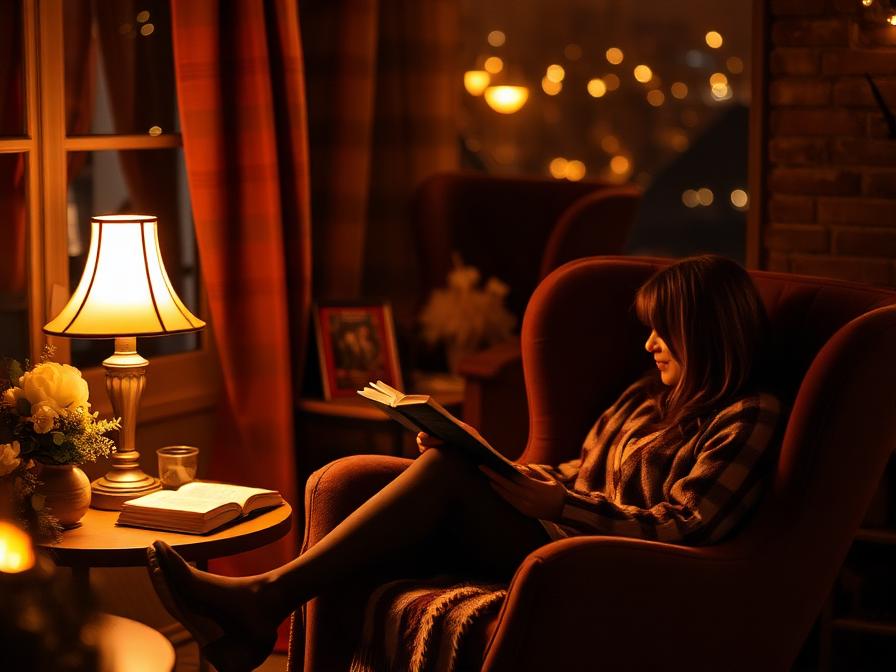
A lamp beside a chair might mark a place for reading. A light over a broad table might serve meals, paperwork or making things. These arrangements tell a useful story about a room's activities. They do not reveal the character of the person who lives there.
Reading your lighting this way is more generous than treating a home as a personality test. Some arrangements reflect preference. Others reflect the available furniture, a shared tenancy, a limited budget or a light switch that happens to be near the door. Start with what the room needs to do, rather than what its appearance supposedly says about you.
A pool of light marks an activity, not a personality
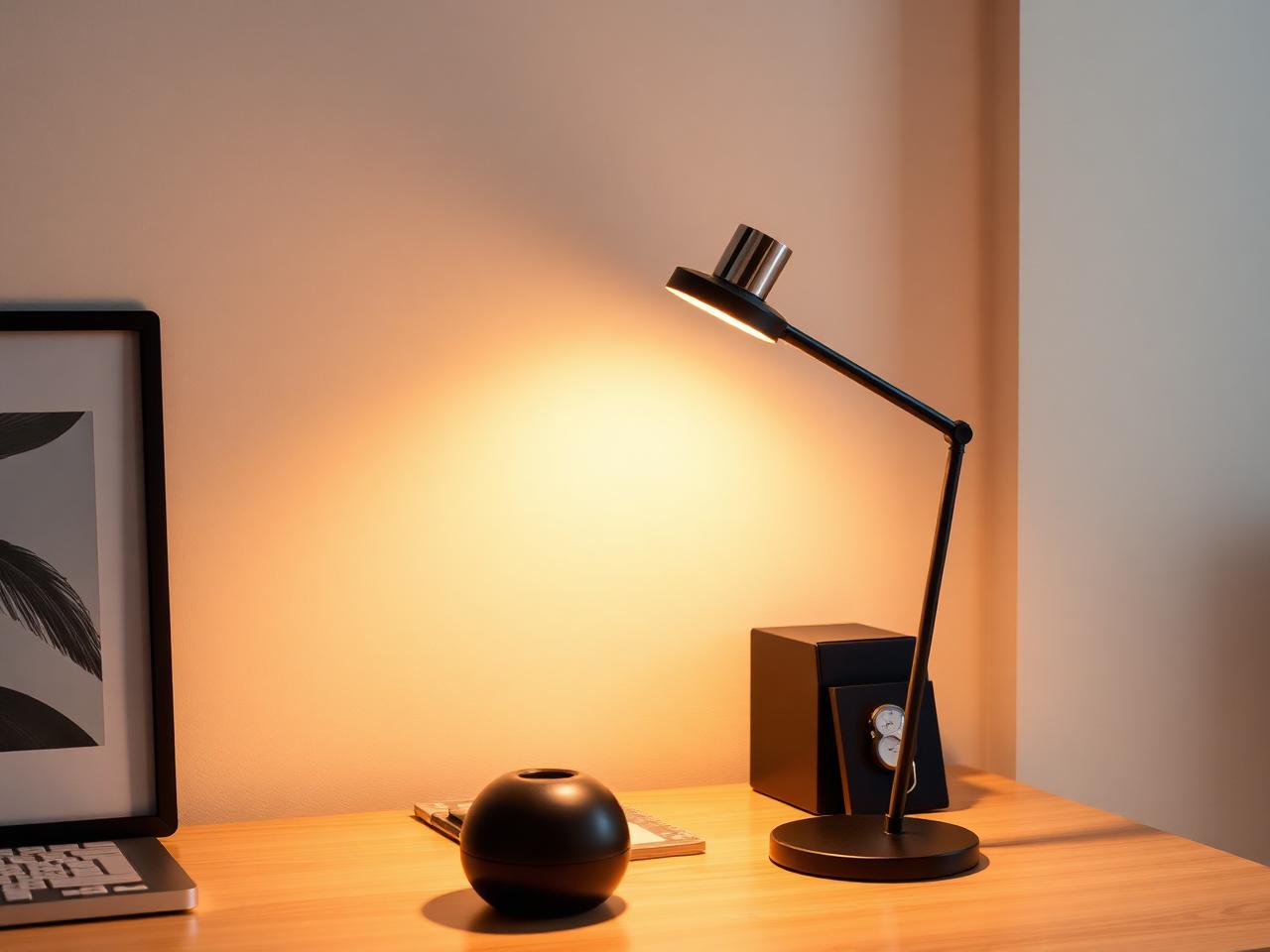
Look at the surfaces that receive light in the evening. Is the clearest patch on a desk, a dining table or an empty console? Then compare that pattern with where people actually spend their time. A well-lit decorative surface and a difficult-to-read page can coexist in the same room.
This is not a reason to remove the decorative lamp. It is a reason to give the page its own consideration. Appearance and practical visibility are different jobs. One source may contribute to both, but a pleasing glow does not establish that it lights a task adequately.
Try completing this sentence for each light: this is here so that someone can do or see something specific. An answer such as 'see the shape of the room from the sofa' is as legitimate as 'read the post at the table'. An arrangement need not justify itself through work alone.
The room can express several preferences at once
A shared living room may hold a bright place for detailed work and a less brightly lit seat for conversation. Those choices are not opposing personality types. They are different uses, perhaps happening at different times. The useful question is whether either arrangement gets in the other's way.
From the second seat, check whether the task source is directly visible. From the table, check whether the decorative lamp leaves the paperwork in shadow. Keep the conversation about these observable details rather than whether one person likes the 'right' kind of atmosphere.
There is also no obligation to hide a ceiling light or collect matching table lamps. If the existing lighting serves the room, keep it. A coherent home can include different shapes, tones and levels of light without needing a single visual formula.
Change the neglected activity before changing the style
Choose one moment that the current arrangement does not support. Perhaps the table becomes a place for letters after dinner, or a chair used for reading has moved away from its light. Describe the missing function before choosing a new object.
Move an existing lamp if its instructions and available surface allow, then use the room normally. Notice access to the control, the occupied tabletop and the view from nearby seats. A new position that looks attractive but obstructs daily use is not a complete answer.
Finish by noting what you want to preserve as well as what you want to alter. The useful story your lighting tells is about the life the room accommodates. Start with one overlooked activity and make a small, practical adjustment for it.
The Editor's Notes
Get the Lumière styling notes
One quiet essay a month on layering light and shaping the atmosphere of a room. No noise. Unsubscribe anytime.
The Editor's Notes
One essay. One piece. Once a month.
Quiet dispatches from the studio. Unsubscribe anytime.
For the hour after
For the hour after the overhead light goes off
Shop lamps built for the quiet part of the evening.
Share this guide