How Light Shapes the Mood of a Room
Use direction, contrast and colour to shape a room’s atmosphere, without treating any lighting choice as a promise about how you will feel.
By Lumière Light Studio Editorial
A room can look quite different with the same furniture and a different combination of lights. A bright ceiling and dark walls draw attention one way; a lit wall and a shaded corner draw it another. Here, mood means the atmosphere of the room, not a measurable change in a person’s emotional state.
The useful question is not whether a lamp will make you feel a certain way. It is what you want to see when you sit down: the whole room, a favourite object, the people opposite, or the page in your hands. Those priorities give lighting a practical starting point.
Direction decides what becomes visible
Light from above can show the floor and furniture clearly while leaving some vertical surfaces relatively dark. Light from the side can reveal the texture of a curtain or bring attention to a wall. Neither direction is inherently wrong. Each makes different parts of the room more prominent.
Start from the place where you spend time rather than from the doorway. From a sofa, notice whether the ceiling fitting is visible, whether a lamp shines directly towards you, and whether the far wall disappears. The view from a seated position can be very different from the view in a photograph.
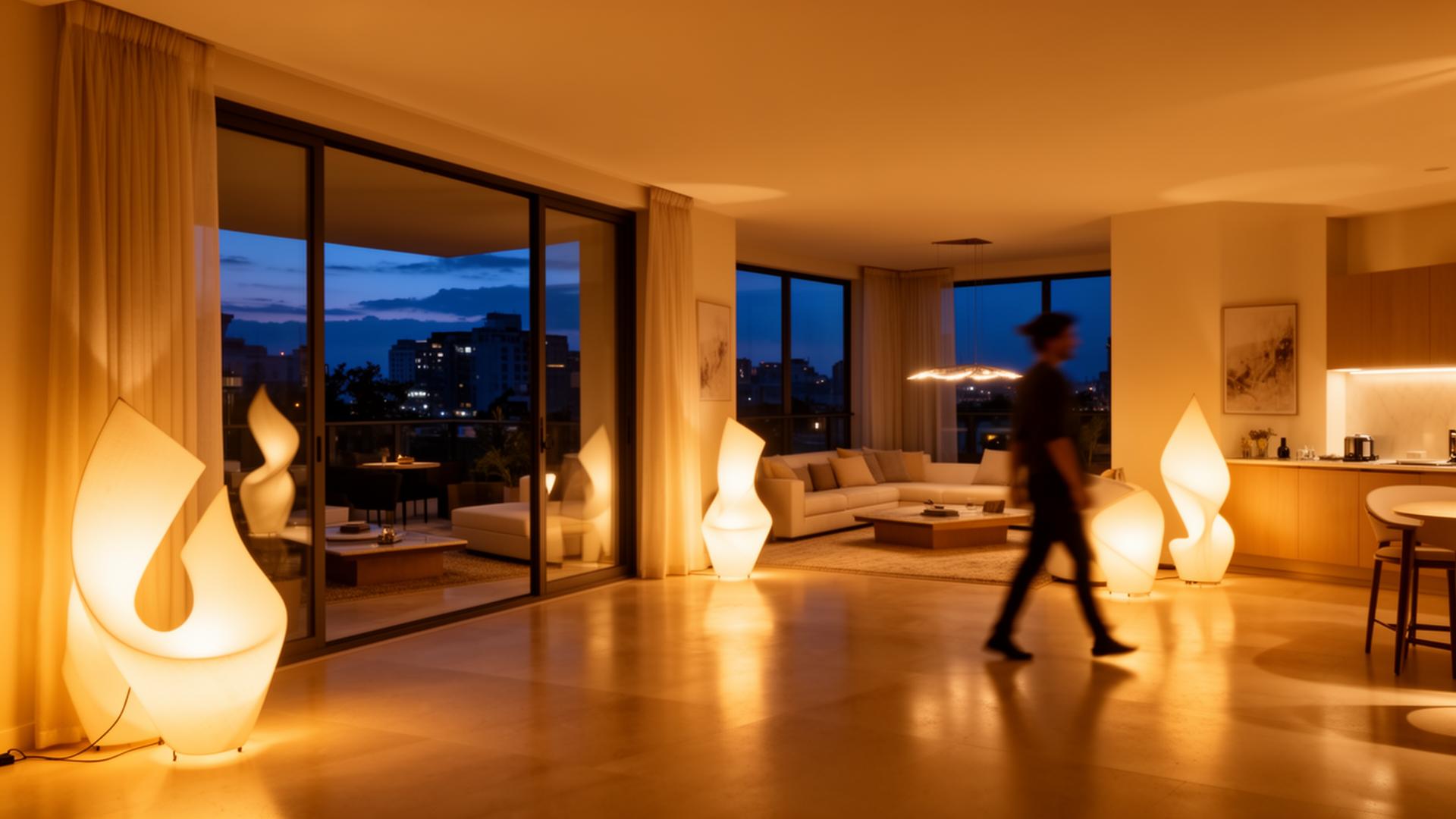
A shaded source beside the room may provide a useful alternative to ceiling-only light. Keep the ceiling light available when it helps. The aim is a choice of views, not a ban on one type of fixture or a requirement to fill every corner with lamps.
Contrast gives the room its emphasis
A small bright shade in an otherwise dark room can become the strongest visual feature. If that is not the intended focal point, more light around it may help, or a different position may keep the bright opening out of view. Simply making the whole room darker does not resolve every glare problem.
Look for a balance between visible surroundings and deliberate shadow. A wall can remain quiet without disappearing; an object can stand out without becoming a spotlighted display. There is no universal proportion to follow. The test is whether the features you want to notice remain easy to see.
Colour is one part of the composition
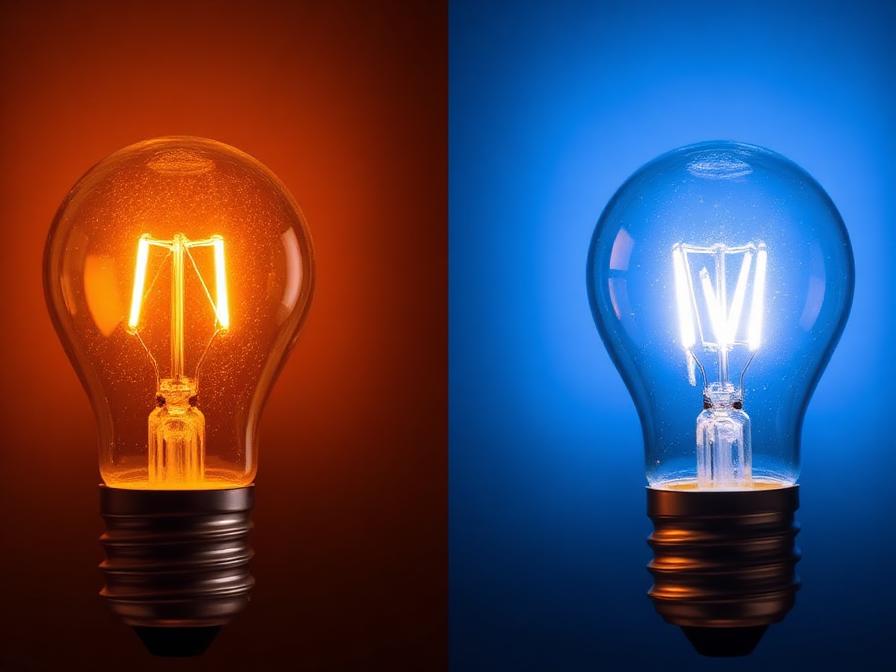
Colour temperature describes whether white light reads warmer or cooler. Lower Kelvin values read warmer and more amber; higher values read cooler and bluer. That description does not tell you how bright the lamp is, where its light goes, or how you will respond to it.
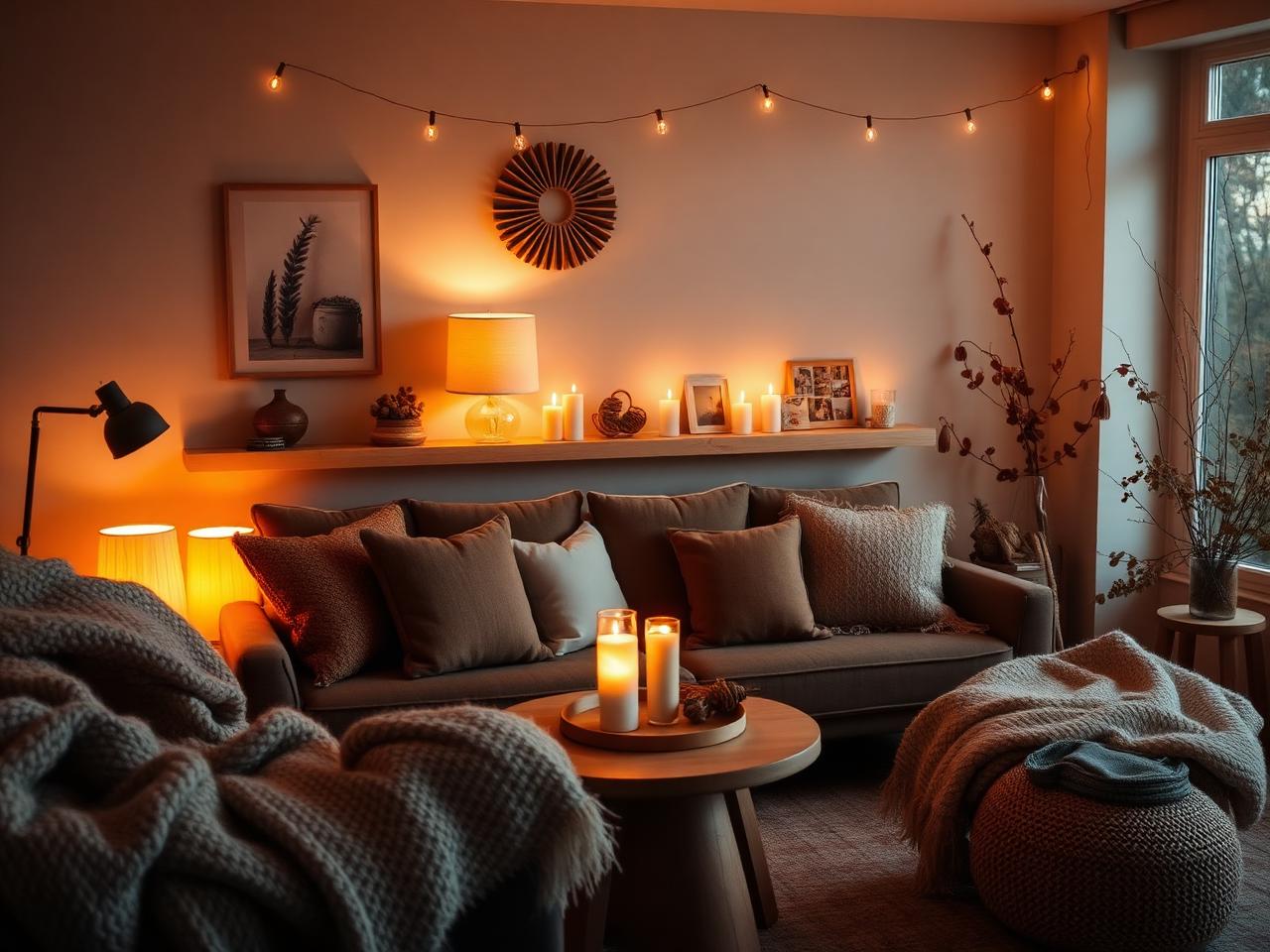
Warm low light reads as calmer to many people in the evening, but preference is personal. A warmer source may suit one arrangement of paint and textiles while another tone suits a different palette. Compare the actual surfaces you live with instead of assuming a single number is right for the whole home.
Change one relationship before adding another lamp
Try the existing lights in different combinations while leaving the furniture in place. First judge direction, then contrast, then colour. If you change all three together, it becomes harder to identify which difference you prefer.
Finish by checking an ordinary activity as well as the overall appearance. Can you find what you need, see the person opposite and use the room as intended? Write down the one area that still needs attention. That observation is a more useful next step than choosing another lamp for atmosphere alone.
The Editor's Notes
Get the Lumière styling notes
One quiet essay a month on layering light and shaping the atmosphere of a room. No noise. Unsubscribe anytime.
The Editor's Notes
One essay. One piece. Once a month.
Quiet dispatches from the studio. Unsubscribe anytime.
For the hour after
For the hour after the overhead light goes off
Shop lamps built for the quiet part of the evening.
Share this guide