How to Judge Whether a Lamp Is Worth Keeping Long-Term
Look beyond a striking photograph. Judge a lamp by its place in your room, its daily use and the information available about its care.
By Lumière Light Studio Editorial
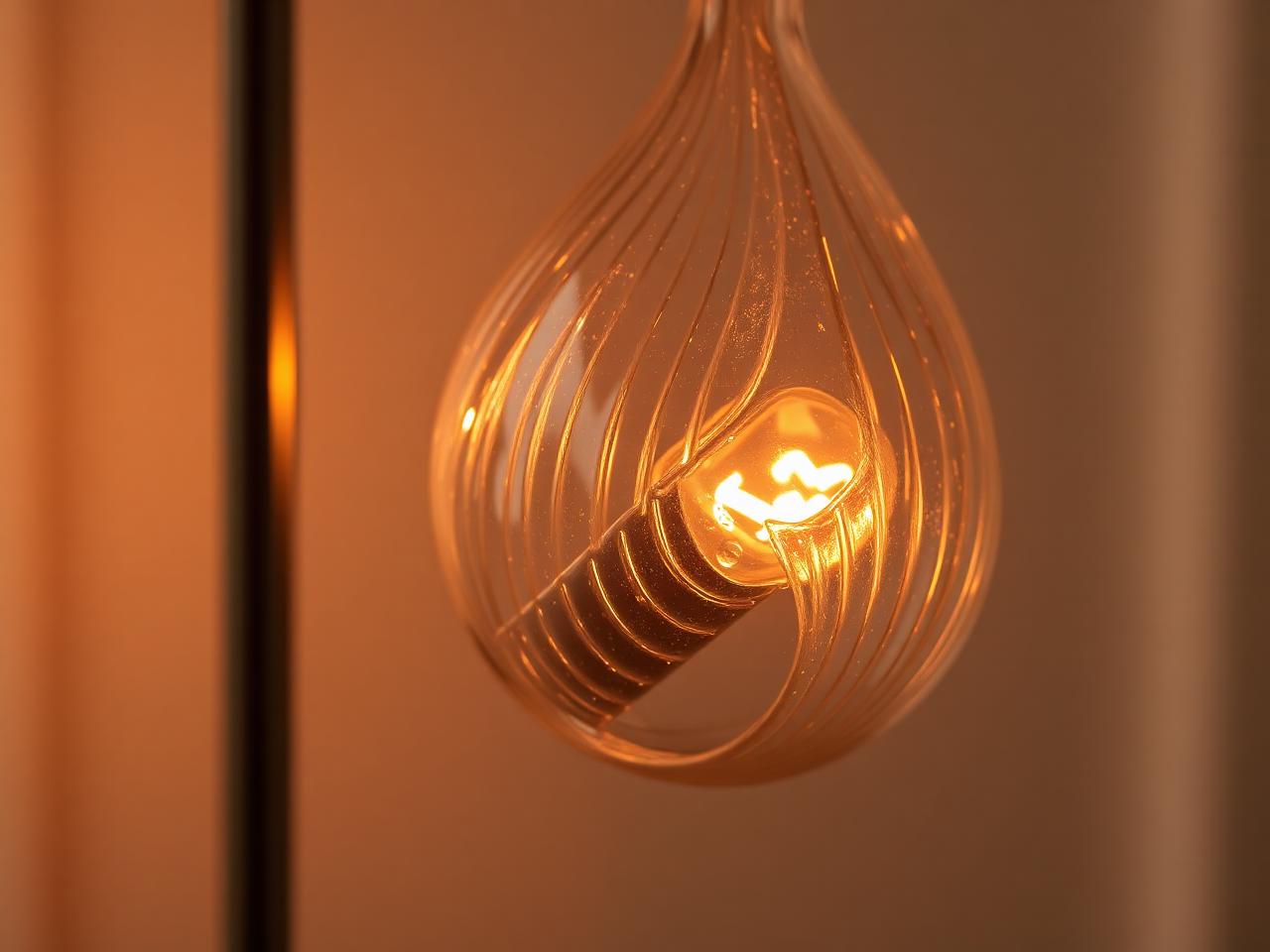
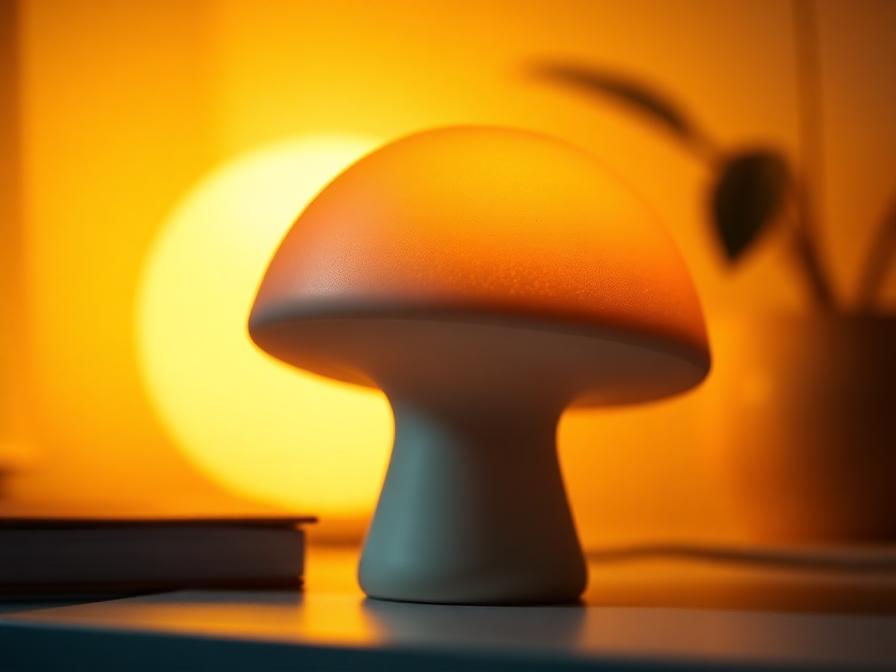
An appealing lamp photograph can make the decision feel complete before the practical questions have begun. The curve of a shade, a distinctive color or a neatly composed table may be enough to catch your attention. None of those things tells you whether you will want the lamp in your room over time.
A long-term choice does not require a prediction about trends. It requires a clear view of what you like and what the object will ask of its surroundings. Assess the lamp as something to live with, not as evidence that you found the right image.
Separate the object from the photograph
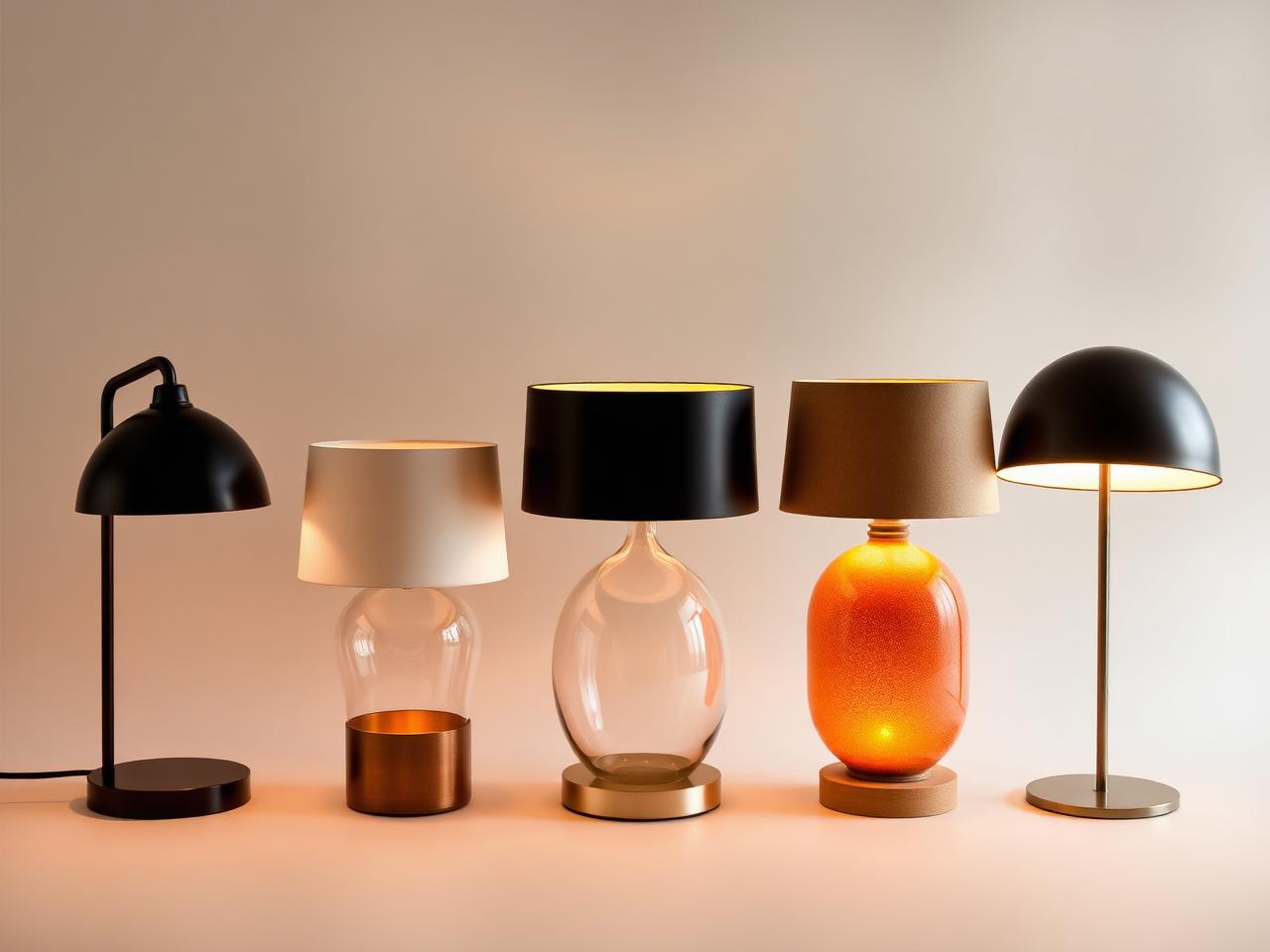
Imagine the lamp without the styled room around it. Would you still like its shape against your own wall? Would its color sit comfortably beside furniture you intend to keep? A dramatic contrast can be welcome, but it should be a choice you want rather than an effect borrowed from a photograph.
Look at available views of the lamp switched off. A glowing shade can dominate an evening image, while the base, proportions and finish are easier to consider in an unlit view. If the listing leaves an important detail unclear, ask about it rather than filling in the gap from a similar-looking design.
Familiarity is not a specification. Seeing the same silhouette in several places does not establish how a particular lamp is made, how it operates or how it will look at home. Judge the exact listing, including the variant, rather than treating a shared outline as proof of equivalent construction.
Everyday fit matters more than a label
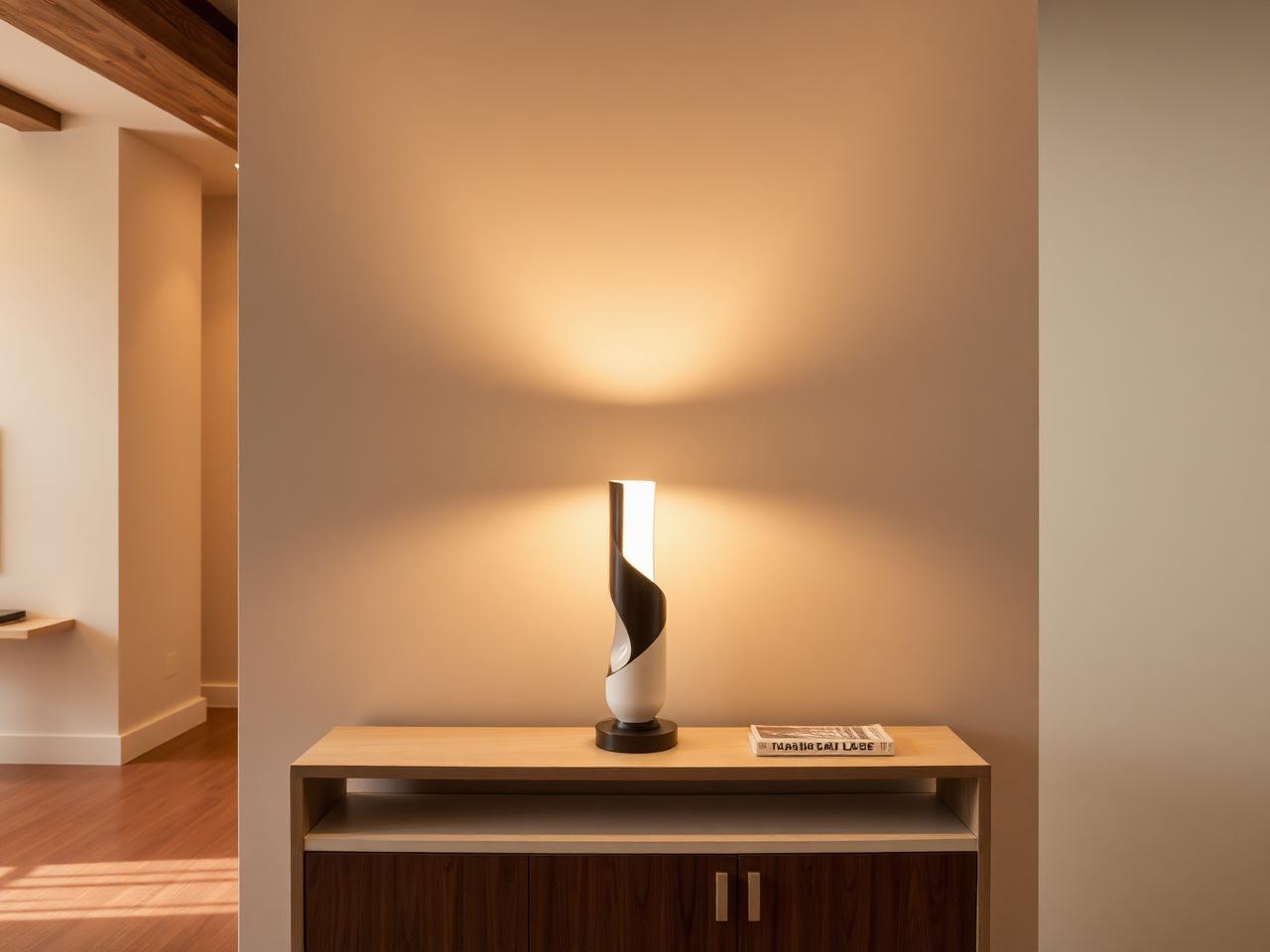
Measure the surface where the lamp will stand. Consider the full stated dimensions, not just the base, and leave room for ordinary use of the table. Think about the view from your usual seat. A lamp can be attractive in isolation and still be an awkward fit beside a particular chair or bed.
Read how the lamp is operated and powered. Check the current specifications on the product page. If a feature matters to you, confirm that it is documented instead of inferring it from the appearance of a switch or from another lamp in the same style.
A decorative lamp also needs an honest role. If your priority is a specific task, do not treat an atmospheric image as evidence of task performance. Keep the requirement separate and ask for information that addresses it. Enjoying a design and relying on it for a particular activity are different decisions.
Care information makes ownership less uncertain
Look for the care instructions before choosing on appearance alone. Are you comfortable following the documented method? Can you reach the lamp in its intended position for routine care? Avoid assuming that a finish can be treated in the same way as another object with a similar appearance.
If future maintenance is important to your decision, ask what support information exists for the exact model. Do not interpret an answer about one component as a guarantee of lifespan for the whole lamp. A purchase price, material name or familiar style is not a promise of durability.
Finally, write two reasons you like the lamp that do not depend on popularity. Add the place it will stand and the question you still need answered. If those notes remain convincing without sales language or a trend forecast, you have a more useful basis for deciding. You do not need a claim about how often a lamp sold out to know whether its design belongs in your home.
The Editor's Notes
Get the Lumière styling notes
One quiet essay a month on layering light and shaping the atmosphere of a room. No noise. Unsubscribe anytime.
The Editor's Notes
One essay. One piece. Once a month.
Quiet dispatches from the studio. Unsubscribe anytime.
For the hour after
For the hour after the overhead light goes off
Shop lamps built for the quiet part of the evening.
Share this guide