How to Update Your Lighting Without Replacing Everything
Keep what works, name the missing function and change one piece at a time. A practical lighting update does not need a brand hierarchy.
By Lumière Light Studio Editorial
Updating a room does not have to mean starting again. A lamp you already own may still suit the space, even if it no longer matches the picture that first inspired it. The useful question is not which price bracket comes next. It is which part of the room needs a different decision.
Begin with the lamps in place and the room in normal use. Include the overhead light if you use it. There is no need to make a room darker to prove that an update has worked. Keep a record of what is useful before drawing up a replacement list.
Keep the pieces that already serve the room
Look at each lamp separately. Consider its size on the surface, access to its control and the way it sits alongside the furniture. Then consider the activity nearby. A lamp can be a successful decorative object without being the answer to a reading or work requirement.
Divide your notes into “keep,” “reconsider placement” and “unresolved need.” These are working categories, not verdicts on quality. A simple lamp may fit the room better than an elaborate one. A distinctive lamp may deserve a place because you enjoy its shape, not because it signals an upgrade.
Do not keep using a piece that shows damage or other warning signs merely to avoid replacing it. Set that question apart from the styling exercise and seek guidance through the current Client Care page where relevant. An update plan is not a repair plan.
Change the weakest fit first
Choose one unresolved need. Perhaps the side table is crowded, the console lacks a focal point or the control cannot be reached comfortably from the seat. Name the problem before deciding whether to move furniture, simplify the arrangement or look for another lamp.
For a new piece, measure the usable surface and compare it with the listed dimensions. Include the space needed by the other objects that genuinely belong there. Check the current specifications on the product page rather than assuming that a familiar silhouette comes in a familiar size.
Think through the documented power setup before ordering. Use only the cable and power source specified for the product. If the proposed position cannot accommodate that setup, ask for product-specific guidance or choose another position. Do not make an accessory purchase part of the plan without confirmation.
Let one decision inform the next
After changing the arrangement, review it during ordinary use. Is the table still useful? Does the lamp look balanced from the chair as well as from the door? Can you reach the control without moving other objects? Those observations tell you more than whether the arrangement resembles a styled image.
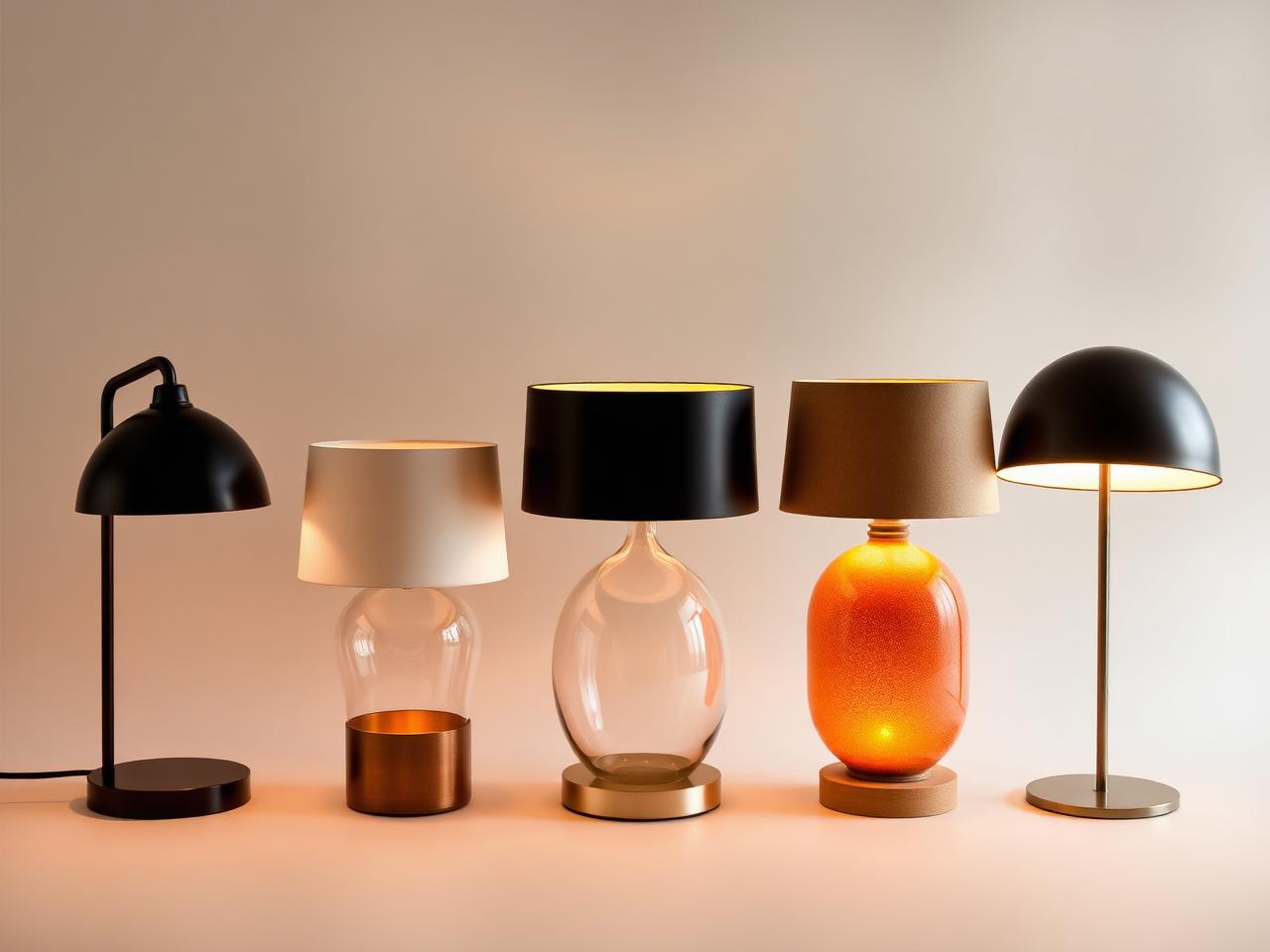
You need not repeat a material across the whole room. A repeated curve, a shared finish or a restrained color relationship can be enough if you like the result. Matching pieces are an option, not evidence that a collection is complete. Nor does a higher price establish a better fit.
Keep a short list of remaining questions rather than a schedule of purchases. Stop when the room meets your needs and the objects feel right to you. If another lamp remains on the list, take measurements and write its intended job beside them. That gives the next search a clear purpose without turning a gradual update into compulsory replacement.
The Editor's Notes
Get the Lumière styling notes
One quiet essay a month on layering light and shaping the atmosphere of a room. No noise. Unsubscribe anytime.
The Editor's Notes
One essay. One piece. Once a month.
Quiet dispatches from the studio. Unsubscribe anytime.
For the hour after
For the hour after the overhead light goes off
Shop lamps built for the quiet part of the evening.
Share this guide