How to Choose a Bedside Table Lamp
Choose a bedside lamp by its role, your view from bed and the space it needs, rather than a universal height or style rule.
By Lumière Light Studio Editorial
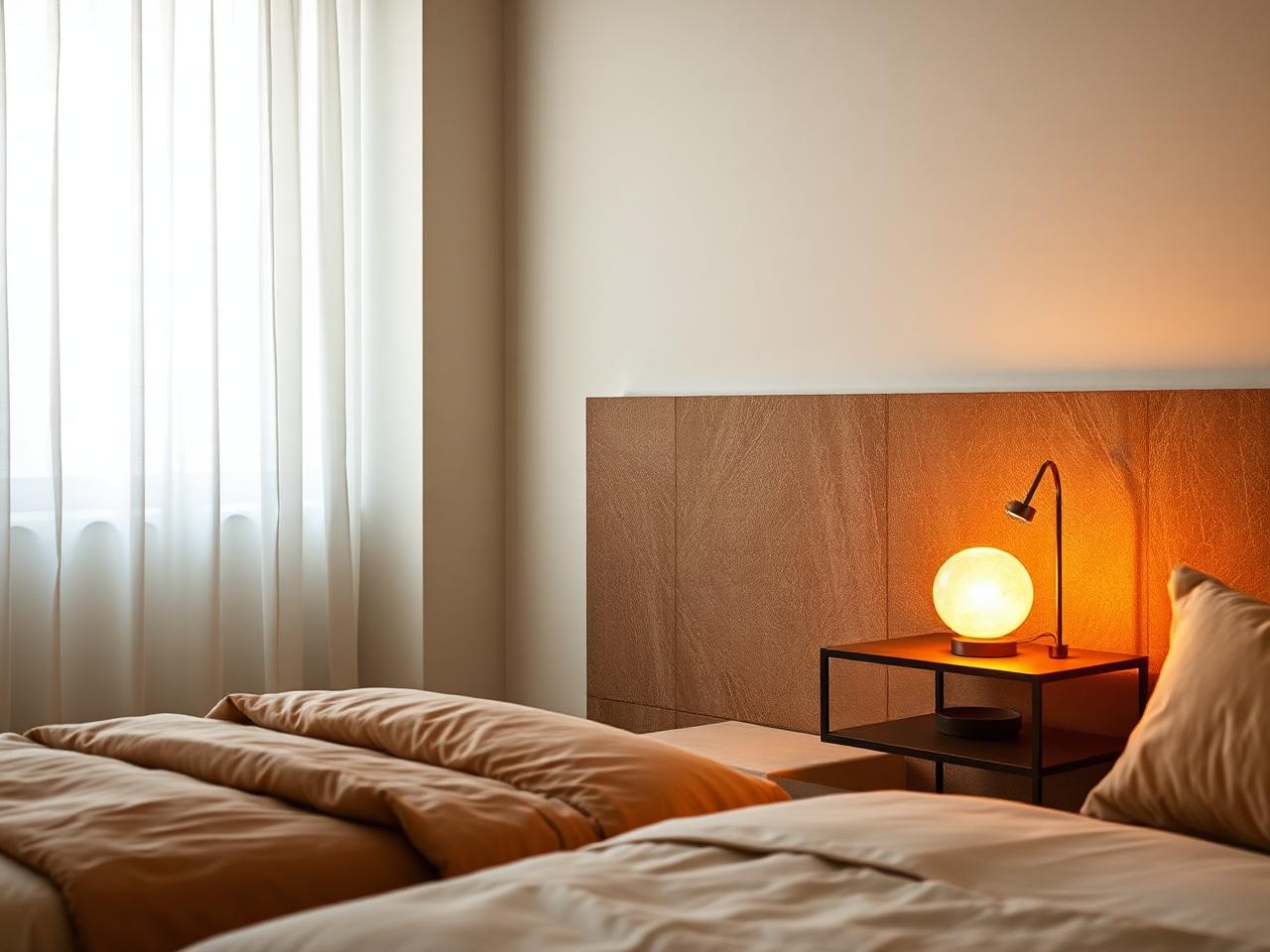
A bedside lamp has a specific place in daily life: beside the person who will use it. That makes the starting question less about which style is best and more about what needs to happen there. A decorative glow, light for handling everyday objects and light for reading are different jobs. One lamp may not cover all three.
Begin with the job that matters most. If you mainly want a lit corner while getting ready for the evening, appearance from across the room may lead the decision. If you read in bed, assess the actual page from your usual position. A decorative lamp's silhouette does not establish whether it will illuminate a book usefully.
Choose the role before the shape
Write a short description of how you use the bedside area. Include whether you sit upright, lie back, share the bed or need the table for other things. These details can rule out an attractive but inconvenient arrangement before you spend time choosing finishes.
For reading, keep any existing useful task light until a replacement has been assessed in the room. A softly lit shade can look inviting while leaving the page in shadow. Conversely, a source that reaches the page may be unpleasantly exposed from the adjacent pillow. Check both positions rather than relying on a product photograph.
Compare the lamp with your furniture and posture
Measure the tabletop and note its height relative to the mattress. Then look at the proposed lamp's base, widest point and overall height. A narrow base can still support a broad shade. There needs to be space around the complete lamp, not merely somewhere to set its bottom.
There is no single shade height that suits every mattress, nightstand and reader. Sit as you normally do and consider where the light source would appear. Check the view when reclining too. If you already own the lamp, small position changes may improve the arrangement; keep its base fully supported on the intended stable surface.
Treat appearance and operation as separate decisions
Matching lamps can give the bed a clear frame. Different lamps can also work, particularly when the tables or preferences differ. Repeating a shape or finish is an aesthetic option, not a requirement for a usable room. Solve each side's practical needs before deciding whether the pair should match.
Confirm the control location for the exact model. A switch behind the lamp may be easy to use while standing and awkward from bed. Check the power arrangement and the route to its specified connection without stretching the cable across a walking route. Use only the cable or adapter specified by the listing or manufacturer; ask support when that information is unclear.
Finally, separate the daylight choice from the evening choice. You may like the unlit form but dislike an exposed source after dark. Compare both views where possible, and record missing information instead of assuming it. The useful next step is a small bedside plan: the lamp's job, its available space and the position from which you will operate it.
The Editor's Notes
Get the Lumière styling notes
One quiet essay a month on layering light and shaping the atmosphere of a room. No noise. Unsubscribe anytime.
The Editor's Notes
One essay. One piece. Once a month.
Quiet dispatches from the studio. Unsubscribe anytime.
For the hour after
For the hour after the overhead light goes off
Shop lamps built for the quiet part of the evening.
Share this guide