Choosing a Sculptural Table Lamp That Belongs in Your Room
Judge a sculptural lamp by its silhouette, available space and evening appearance, rather than a trend forecast.
By Lumière Light Studio Editorial
A sculptural table lamp can be the object that gives a plain corner its character. It can also crowd a surface that already has enough happening. The useful question is not whether this kind of lamp is fashionable. It is whether a particular form gives your room something it lacks without making daily use more awkward.
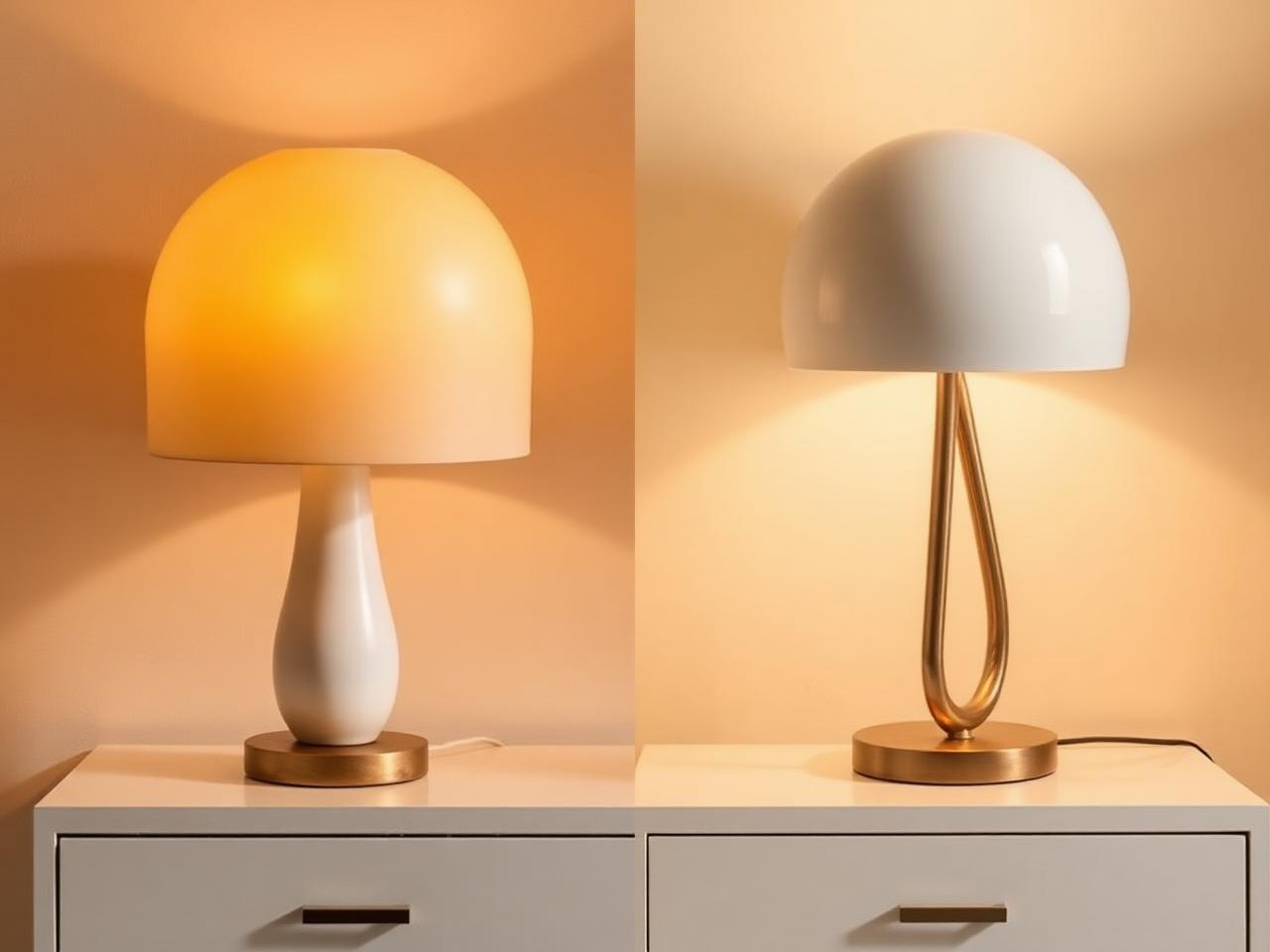
Think of sculptural as a description of visual presence, not a material or a performance category. A ring, a rounded volume or an asymmetric outline can all have presence. None of those shapes tells you how much usable light reaches the room or whether the lamp will suit a particular activity.
Choose the role before the silhouette
Decide whether the lamp should be the main object on its surface or part of a quieter group. If the table faces the doorway, a distinctive outline may be welcome. If it sits beneath a detailed painting, a simpler form may leave the painting easier to read.
Look at the surrounding room before looking at more lamps. A curved chair, patterned rug and clustered objects may already provide variety. In that setting, a restrained lamp can be a deliberate choice rather than a missed opportunity. A spare room may have space for a more expressive outline.
Space around the form matters as much as its size
Use the listed overall width, depth and height, not just the base measurements. A projecting shade can occupy space well beyond its contact with the table. Mark the proposed outline on the empty surface, then put back the objects that need to remain there.
Check the view from the doorway and from the seat you use nearby. A low, broad lamp might read clearly from the hall yet disappear behind objects when seated. A tall open form may leave the tabletop looking less crowded but intersect awkwardly with artwork behind it.
Leave room to reach the control without moving the lamp or clearing the table. Plan the specified power connection too. A form that works only when its cable crosses a walkway is not a good fit for that position.
Judge the object with the light off and on
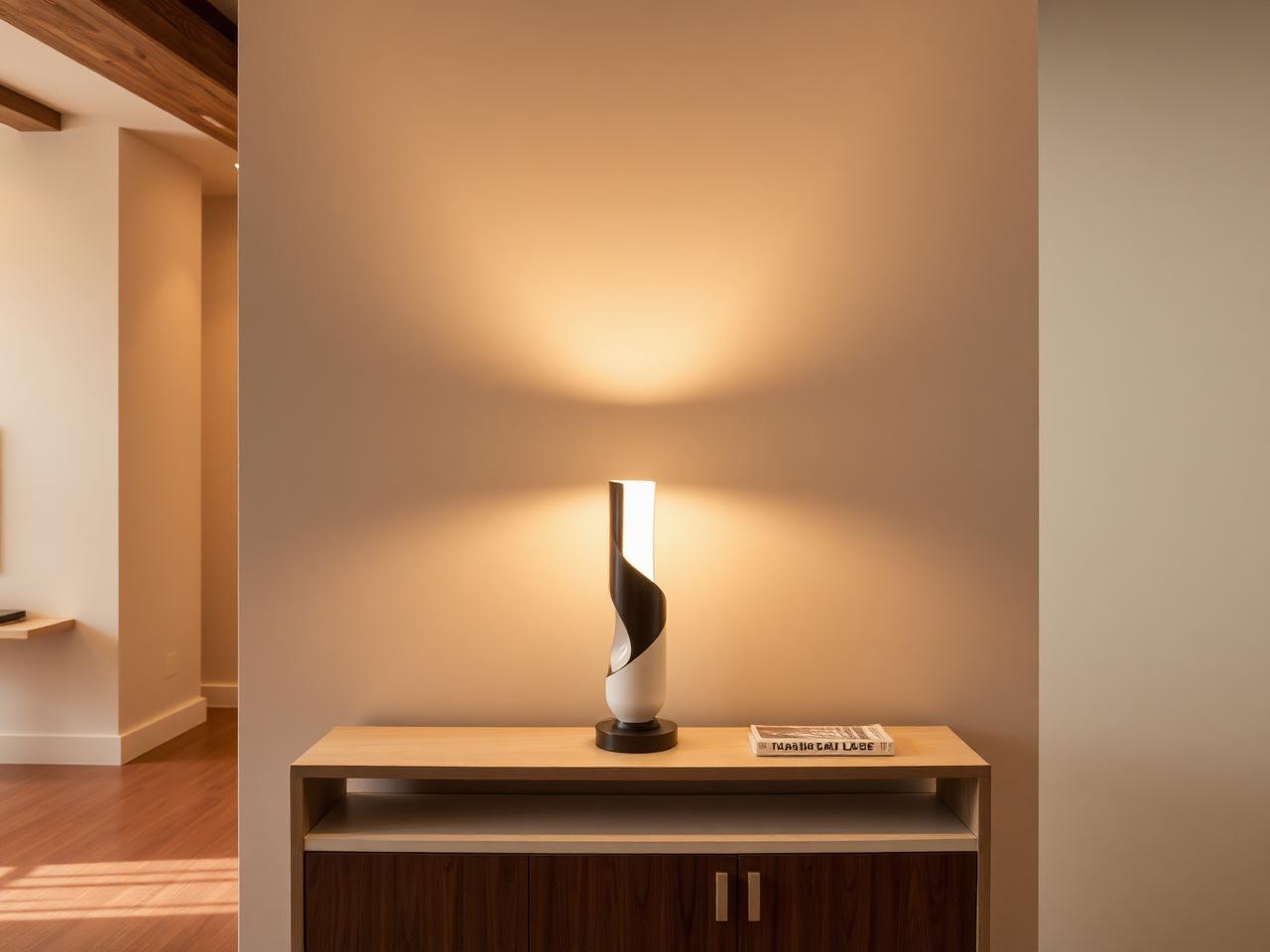
Daylight shows the outline, surface and relationship to nearby furniture. Evening use reveals something different: where the bright parts appear, what shadows fall behind the lamp and whether the source is visible from your seat. An attractive unlit object is only half the decision.
Do not infer a soft glow from a rounded shade or useful task light from a directional-looking shape. Shade material, openings and the light source all matter. For reading or detailed work, assess the actual working surface separately instead of expecting decorative presence to establish performance.
Before choosing, write down the missing role in the room and the space available for it. Compare each candidate against those two facts. A lamp that meets them does not need a forecast about next year's interiors to justify its place.
The Editor's Notes
Get the Lumière styling notes
One quiet essay a month on layering light and shaping the atmosphere of a room. No noise. Unsubscribe anytime.
The Editor's Notes
One essay. One piece. Once a month.
Quiet dispatches from the studio. Unsubscribe anytime.
For the hour after
For the hour after the overhead light goes off
Shop lamps built for the quiet part of the evening.
Share this guide