How to Choose a Lamp for Reading at Home
Choose reading light by what reaches the page, not by the glow in a photograph. Check your seat, shade direction and glare before choosing a lamp.
By Lumière Light Studio Editorial
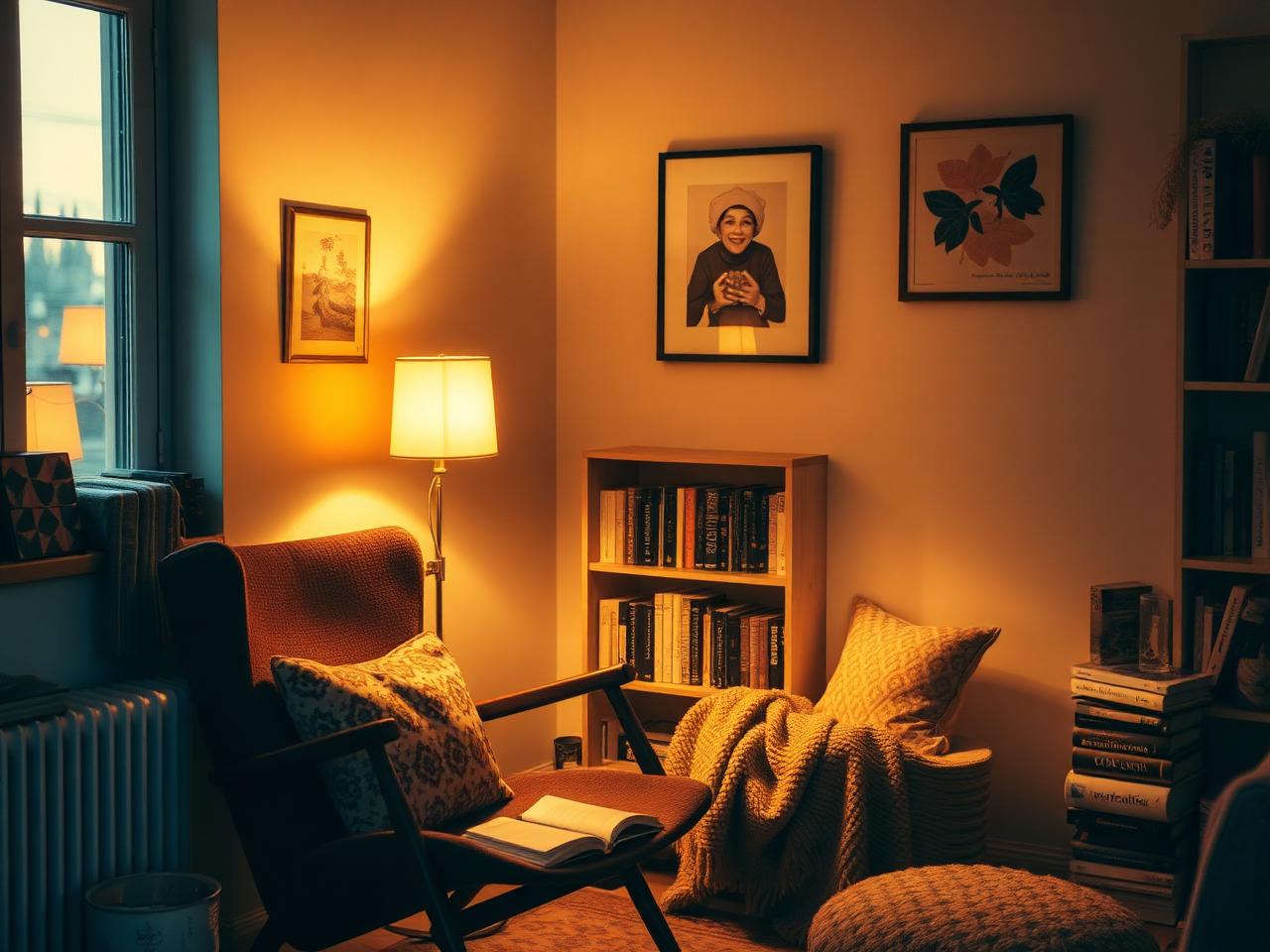
A lamp can make a corner look inviting while leaving a book difficult to see. Those are different results. Decorative light helps shape the room around you; task illumination needs to reach the words you are reading. Choosing between attractive silhouettes comes after deciding whether the lamp can do that particular job.
Start with the book, chair and side table you already use. A photograph of a glowing shade cannot tell you how much light will land on your page. Nor does a description such as warm light establish reading performance. The useful question is whether the setup works from your seat, with your book held where it normally rests.
Let your seat and page set the position
Sit as you would for a full chapter, rather than leaning forward to meet the light. Notice the height of your shoulder, your seated eye position and the place where the open book settles. Reading upright in a dining chair is a different arrangement from reclining in an armchair or against pillows.
Try a source beside you and a little behind the shoulder as a starting position. It should send light toward the open pages without your head or upper arm blocking the path. This is a trial position, not a fixed measurement. A deep chair back, a broad shade or a book held unusually high may call for another arrangement.
Judge lamp height in relation to your shoulder and page, not just the furniture. The opening needs a clear path to the book, while the source should stay out of your direct view. A shade near or above shoulder level may help, but raising it can also expose the light underneath. Check from the seat before deciding that taller is better.
Move the book through its ordinary range: on your lap, raised in your hands and turned slightly toward one side. If only one awkward position is readable, the setup needs changing. Reposition the existing light or consider a more suitable task source rather than adapting your posture to a decorative object.
Read the shade opening as well as the silhouette
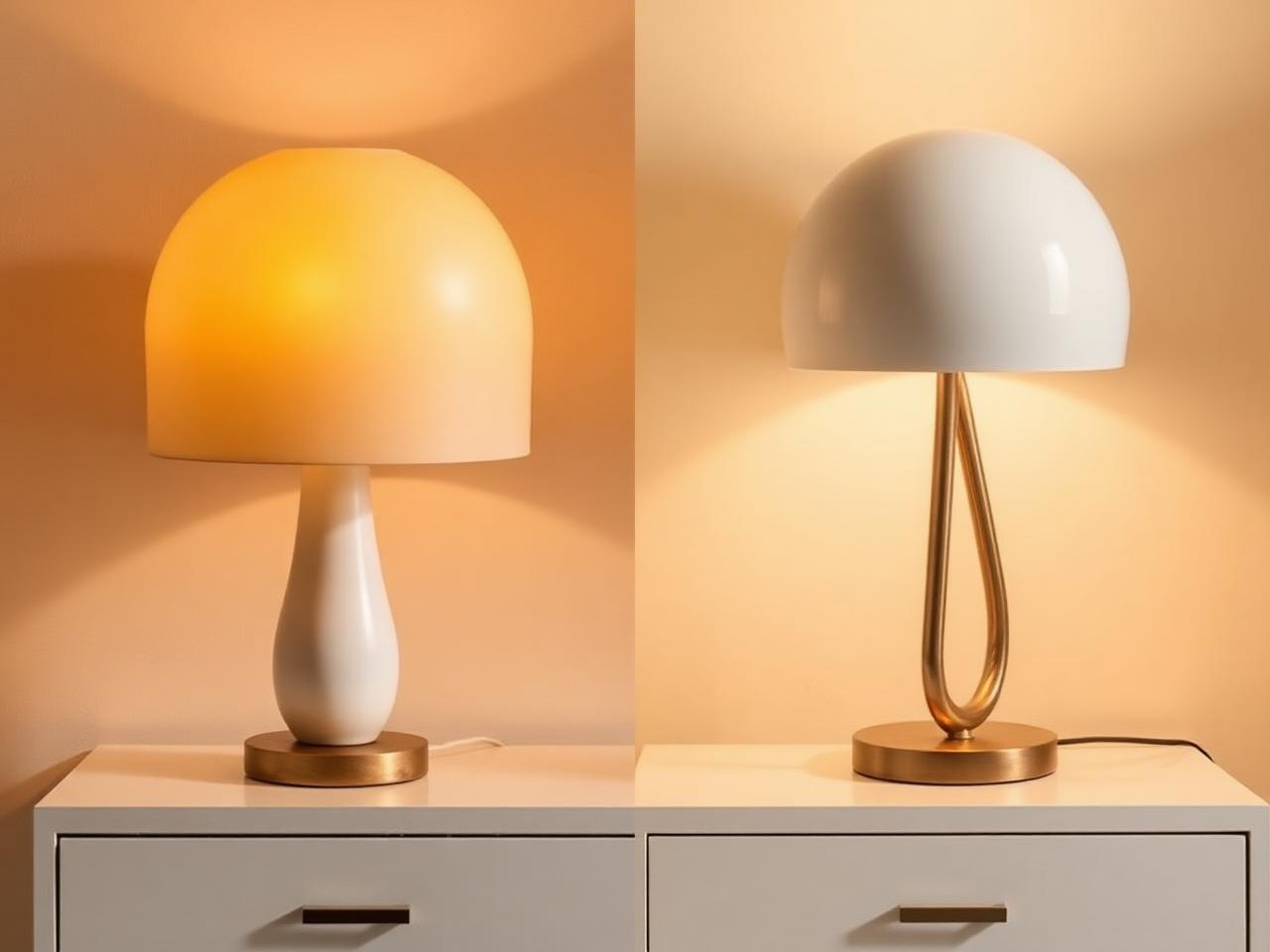
An opening aimed down toward the page can be useful for reading. An opening aimed mainly upward may contribute more to the room around you. A glowing enclosure can look bright without sending enough useful light toward the book. Shape alone does not establish the result; output, position and the light path matter together.
Look at where the opening actually faces once the lamp is on its intended surface. A side table below the chair arm may put an otherwise useful shade too low. A broad lampshade might obstruct the direction you need. A floor-standing option may avoid taking over a small table, but its light still has to reach the same page.
If a lamp has an adjustable head, check the movements the manufacturer specifies. You need an ordinary operating position that holds the direction you want. Do not assume a sculptural shade can be tilted or that a fixed design offers adjustment because it resembles another lamp in a photograph.
Check direct glare, reflected glare and hand shadows
With the light on, look toward the book, then glance toward the room. Can you see an exposed bright source under the shade? Does the shade itself dominate your view? Shift the lamp on its stable supporting surface and compare. A diffusing shade may soften its appearance, but it does not guarantee freedom from glare at every angle.
Next, turn a page and tilt the book slightly. Glossy paper can show a reflection that conceals print even when matte paper looks clear. Test the kinds of books or magazines you actually read. If a reflection follows the reading area, try changing the relationship between the source, page and seat rather than simply adding more brightness.
If you annotate or write beside the book, make a few ordinary marks. Starting with the lamp opposite your writing hand can reduce the chance of that hand blocking the light. Check the result rather than treating handedness as a complete placement rule. Your forearm, the book's spine or another object can still create a shadow.
Keep decorative glow separate from verified task performance
There is no single lumen prescription here. Lumens describe emitted light, not the amount arriving at a particular page after distance, shade direction and obstructions have affected it. An output figure can help compare documented products, but it cannot replace checking the proposed position and the task.
Lumière product pages do not currently list lumen output. They should not be presented as proven reading solutions. A decorative lamp can remain part of the surrounding composition while a separate, appropriately documented task light serves the book. Neither an atmospheric image nor a warm-light description fills that evidence gap.
Choose the appearance of the surrounding light to suit your preference. Keep enough room visibility to find your cup and move around the chair, and compare the page with the rest of the room lit as you normally use it. There is no need to turn reading into a choice between a bright page and a completely dark corner.
Before choosing a lamp, record the usable surface, the seated shoulder height and where the page sits. Then identify what is still missing: page illumination, a better light direction or simply a decorative surrounding layer. Browse table lamps only with that role clear, and check current specifications rather than inferring task suitability from styling.
The Editor's Notes
Get the Lumière styling notes
One quiet essay a month on layering light and shaping the atmosphere of a room. No noise. Unsubscribe anytime.
The Editor's Notes
One essay. One piece. Once a month.
Quiet dispatches from the studio. Unsubscribe anytime.
For the hour after
For the hour after the overhead light goes off
Shop lamps built for the quiet part of the evening.
Share this guide