How to Light a Reading Nook Around Your Chair
Plan a reading corner around the chair, page and everyday reach. Keep task light distinct from decorative glow and leave the small table useful.
By Lumière Light Studio Editorial
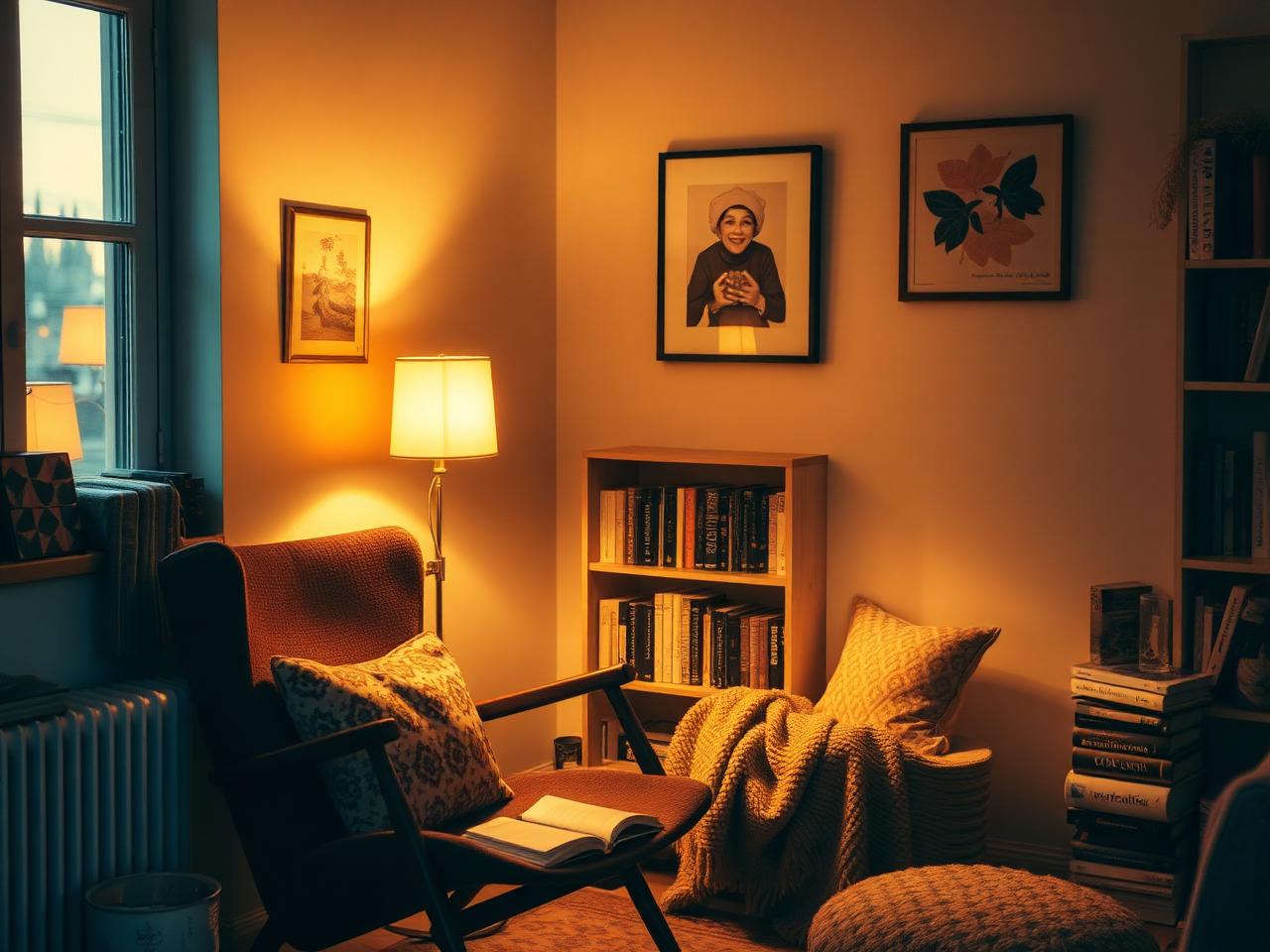
An unused corner does not become a reading nook simply because it contains a chair and a lamp. The arrangement needs to fit the way you settle into the chair, where the book rests and how you reach the small things around you. Begin with those movements rather than a styled photograph.
A useful nook can be modest. It needs a place to sit, useful light on the page and somewhere for the book when you stand up. Additional objects are a matter of preference. They should not take away the space or light that makes the chair usable.
Let the chair determine the layout
Sit with the cushions and footrest as you normally use them. Hold a book in its usual position. Notice whether the chair arm hides the side table, whether your shoulder blocks light from behind and whether a nearby shelf limits where a lamp could sit. These details are more useful than a fixed distance behind the shoulder.
Try the existing lamp beside the chair, slightly behind your shoulder if that gives the opening a clear path to the book. Compare other positions on suitable stable surfaces. Look for light reaching both pages without an exposed source in your view. The best position may change when you recline or use a taller book.
Check the corner after daylight has faded, with the rest of the room used as it normally is. A nook that borrows daylight from a window may need a different arrangement in the evening. Do not judge its page illumination solely from how bright the corner looks during the day.
Give the page and the room separate jobs
Task light serves the open book. Surrounding light helps the corner belong to the rest of the room. One source might contribute to both, but that needs to be established in the actual arrangement rather than assumed from a glowing shade.
A downward-facing opening can help direct light toward a page. An upward or outward glow may be more useful around the chair. Check the opening, not just the lamp silhouette. For a fuller method of assessing shoulder height, page position and glare, use the reading-lamp guide alongside your measurements.
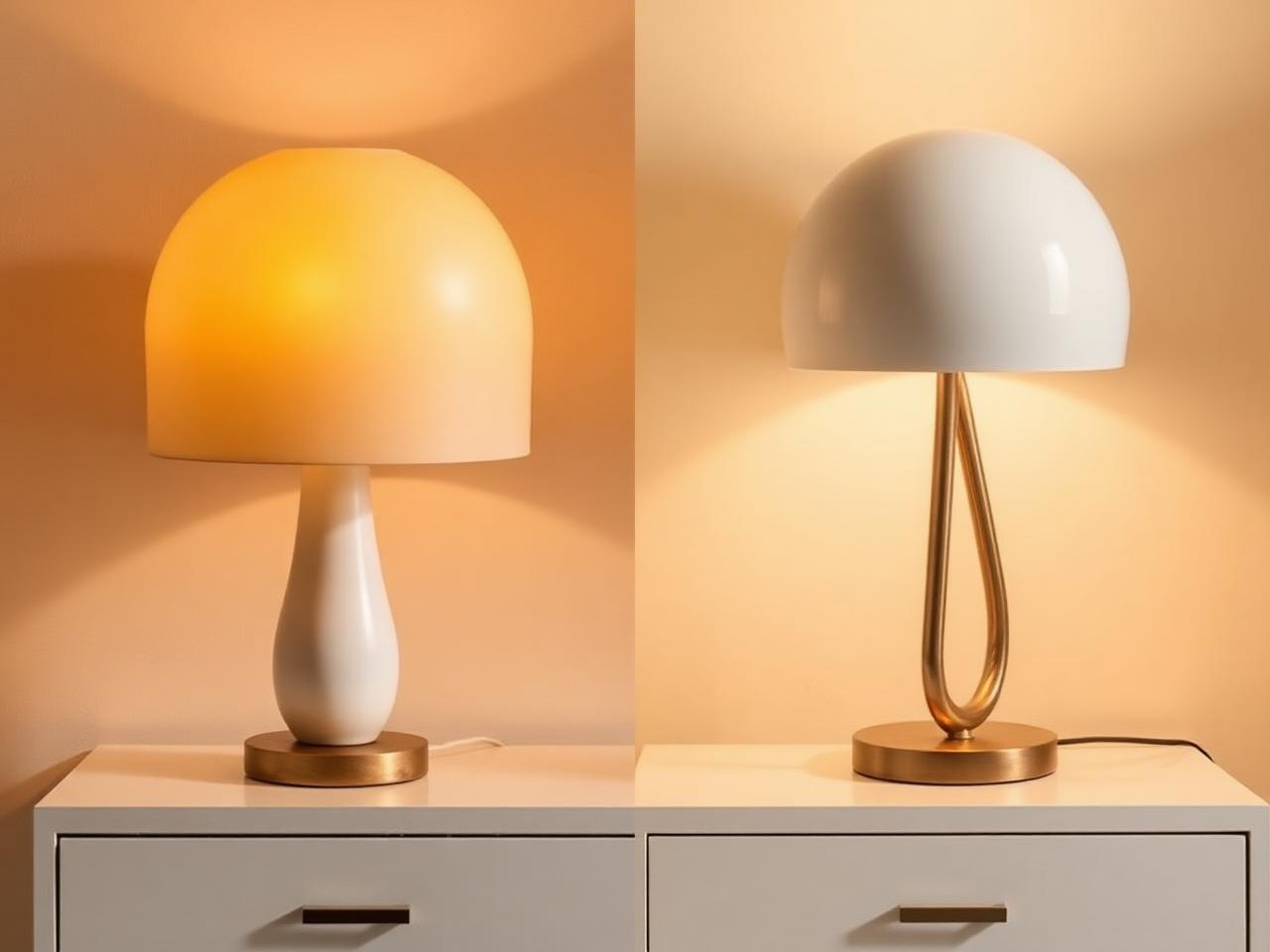
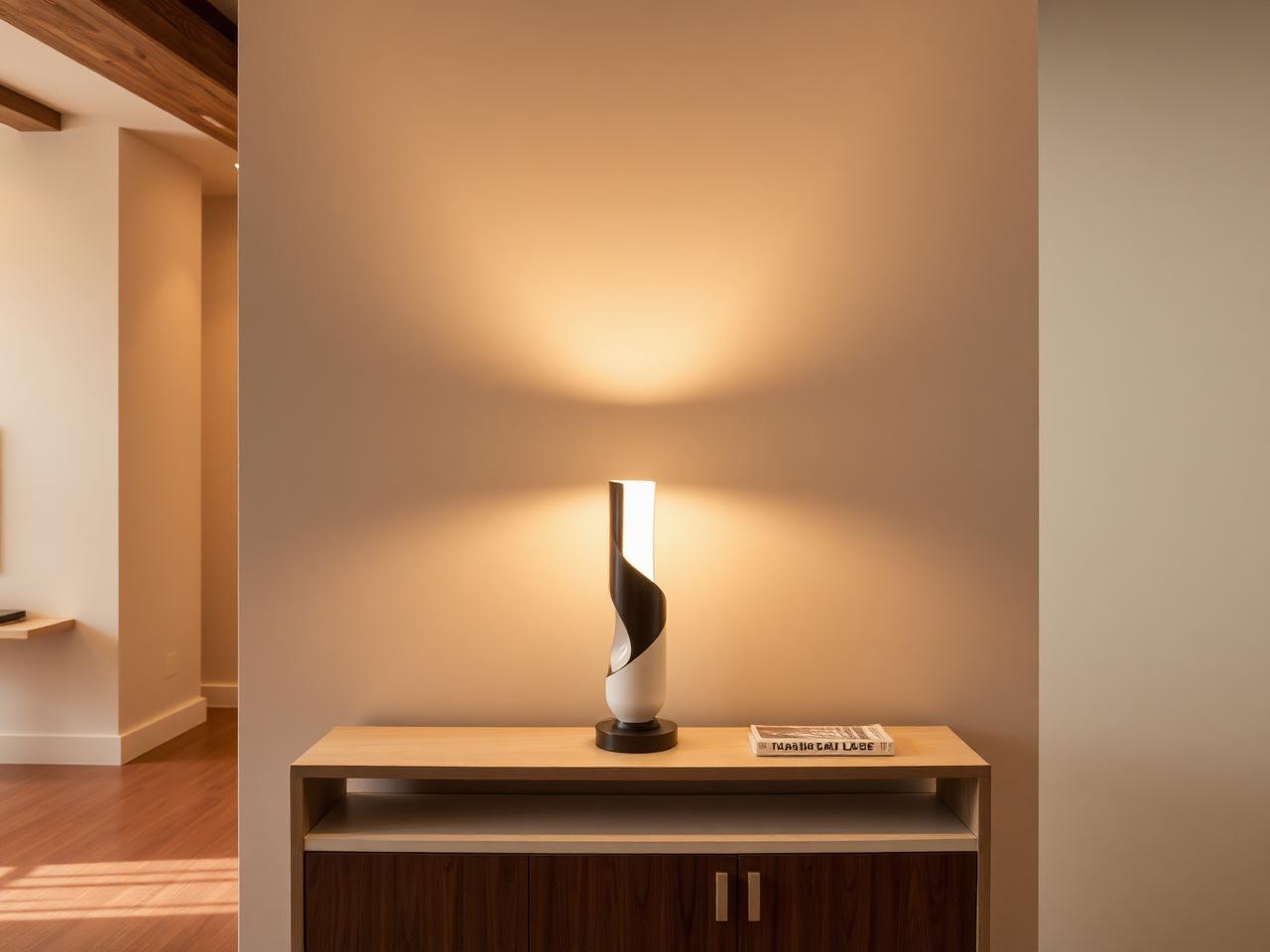
The Lumière specifications supplied for this audit do not verify lumen output. The featured pieces should therefore not be treated as proven reading lights. Their presence in a styled corner is separate from whether you need a documented task source for the page. No universal brightness figure can remove that distinction.
Keep the small table useful from the seat
Allow space for the book and whatever else you genuinely use, such as a cup or notebook. Check the lamp's complete footprint and shade span before giving it the table. If the arrangement crowds your hand or forces the cup to an edge, remove something or consider a different supporting surface.
Reach toward the control without twisting around the chair or leaning across the shade. Only use movements and controls described for the product. Plan the cable route around normal chair use, leaving the way into the corner clear. Use only the cable or adapter the listing or manufacturer specifies; ask support if the instructions leave a question unanswered.
Check the corner while using it
Read a page, turn it and put the book down. Tilt glossy paper to look for reflections. If you make notes, check whether your writing hand shadows the page. A lamp on the opposite side may help, but confirm that its new position does not expose the source to your eyes.
Stand up and return to the seat. Can you reach the book and operate the light without moving the furniture? Does the arrangement leave the route past the chair clear? These ordinary actions reveal more than a tightly composed view of the nook.
Keep the changes that make the chair easier to use, and leave the rest optional. Before choosing a decorative piece, identify whether the remaining need is task illumination or surrounding atmosphere. Check current product specifications for the latter, and the reading-lamp guide for the former.
The pieces referenced above. Check current specifications, delivery and return details on each product page before ordering.
The Editor's Notes
Get the Lumière styling notes
One quiet essay a month on layering light and shaping the atmosphere of a room. No noise. Unsubscribe anytime.
The Editor's Notes
One essay. One piece. Once a month.
Quiet dispatches from the studio. Unsubscribe anytime.
For the hour after
For the hour after the overhead light goes off
Shop lamps built for the quiet part of the evening.
Share this guide