Expressive Lamp Styling: Choose What You Like Without Mood Promises
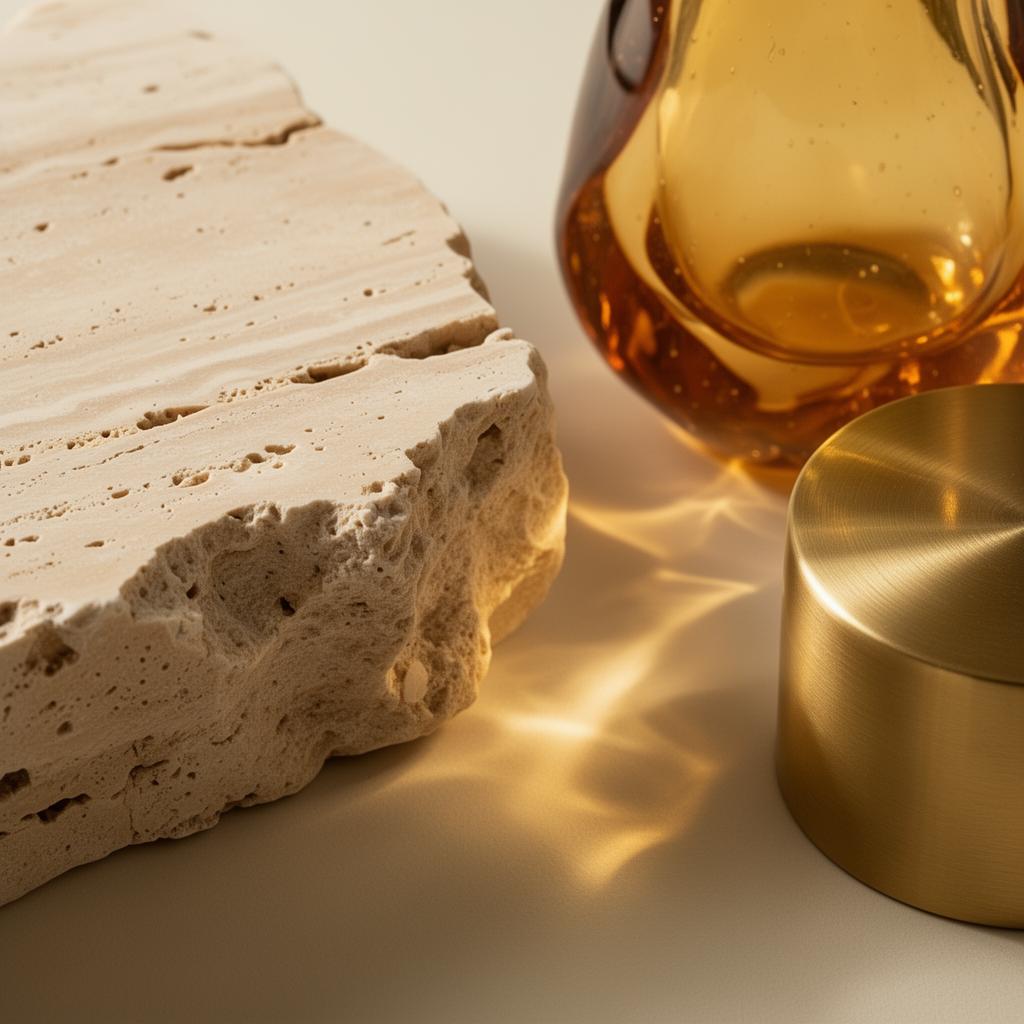
Compare color, outline, texture, and light as personal preferences. A decorative lamp does not need a scientific happiness claim to earn its place.
By Lumière Light Studio Editorial
A lamp can be something you enjoy looking at without being asked to change how you feel. Choose it because its shape, color, or presence appeals to you, not because a decorating label promises a particular response. Preference is personal, and a room does not need a scientific explanation for every object in it.
The useful question is which part of an expressive lamp you want to live with. A bright color, an unusual silhouette, and a prominent light source are different kinds of emphasis. Separating them helps you choose a piece that fits your surroundings rather than an imagined effect.
Name the feature that attracts you
Compare two or three visual qualities instead of looking for the most striking object overall. You might prefer a rounded shade but a restrained color. Or you might want an ordinary outline in a color that contrasts with the wall. Both can be expressive without combining every possible detail.
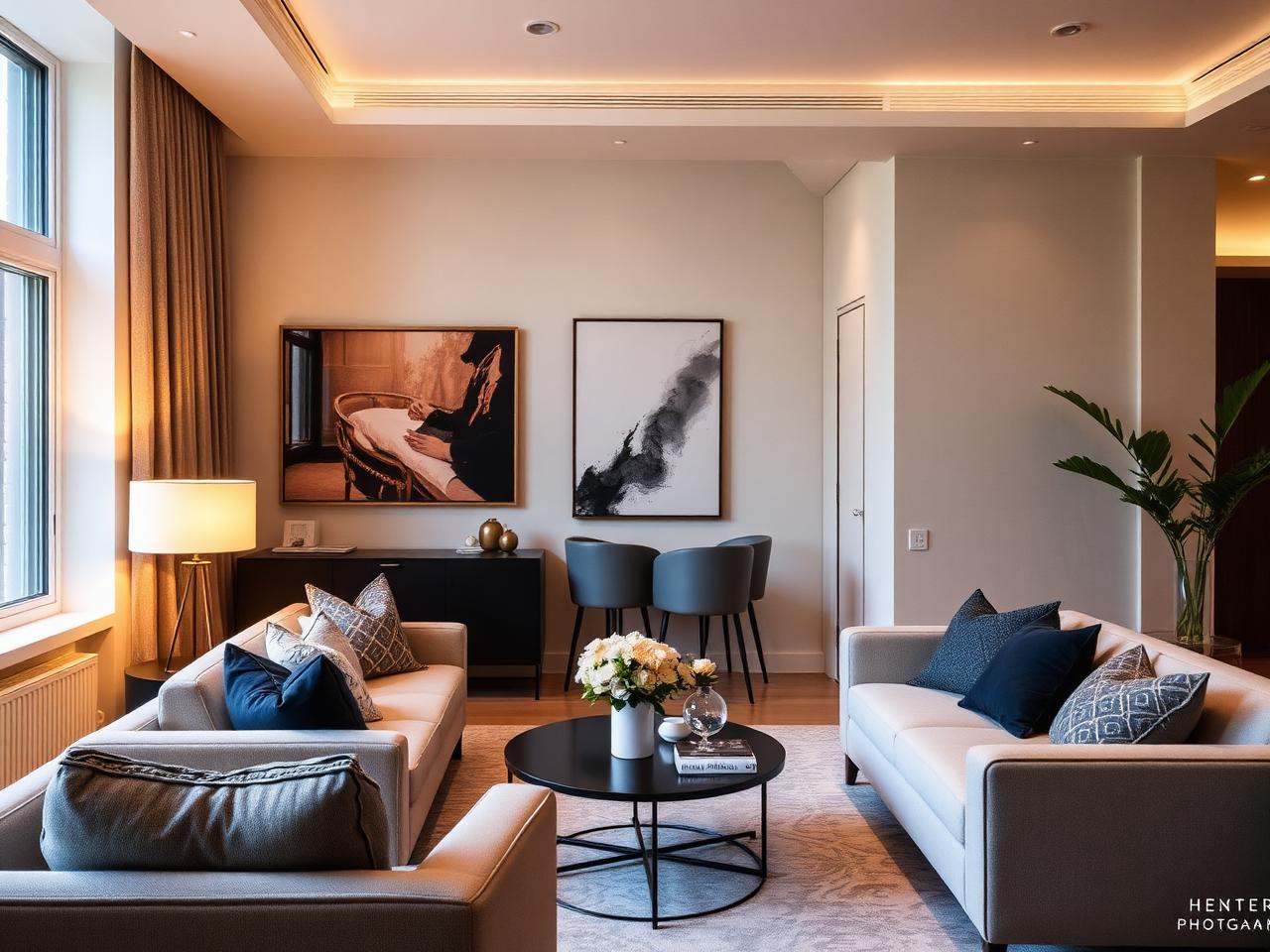
An image saved for inspiration is a starting point. Ask whether the lamp itself attracts you or whether you like the surrounding furniture and photography. Imagine the same object on your actual table, beside the things you keep there, with the room's usual daylight. If that version still appeals, the preference is more useful.
Choose between an accent and a collection
A solitary lamp gives one object room to be noticed. A group of objects can create a more layered surface. Neither approach is inherently better; they ask different things of the available space. Try removing an ornament before deciding to add another.
If you like several colors, give them different roles. A prominent lamp might carry the strongest accent while a book cover provides a smaller echo. Exact matches are not necessary. Equally, there is no requirement to repeat the lamp's color at all if a single distinct object looks right to you.
Inspect light as well as decoration
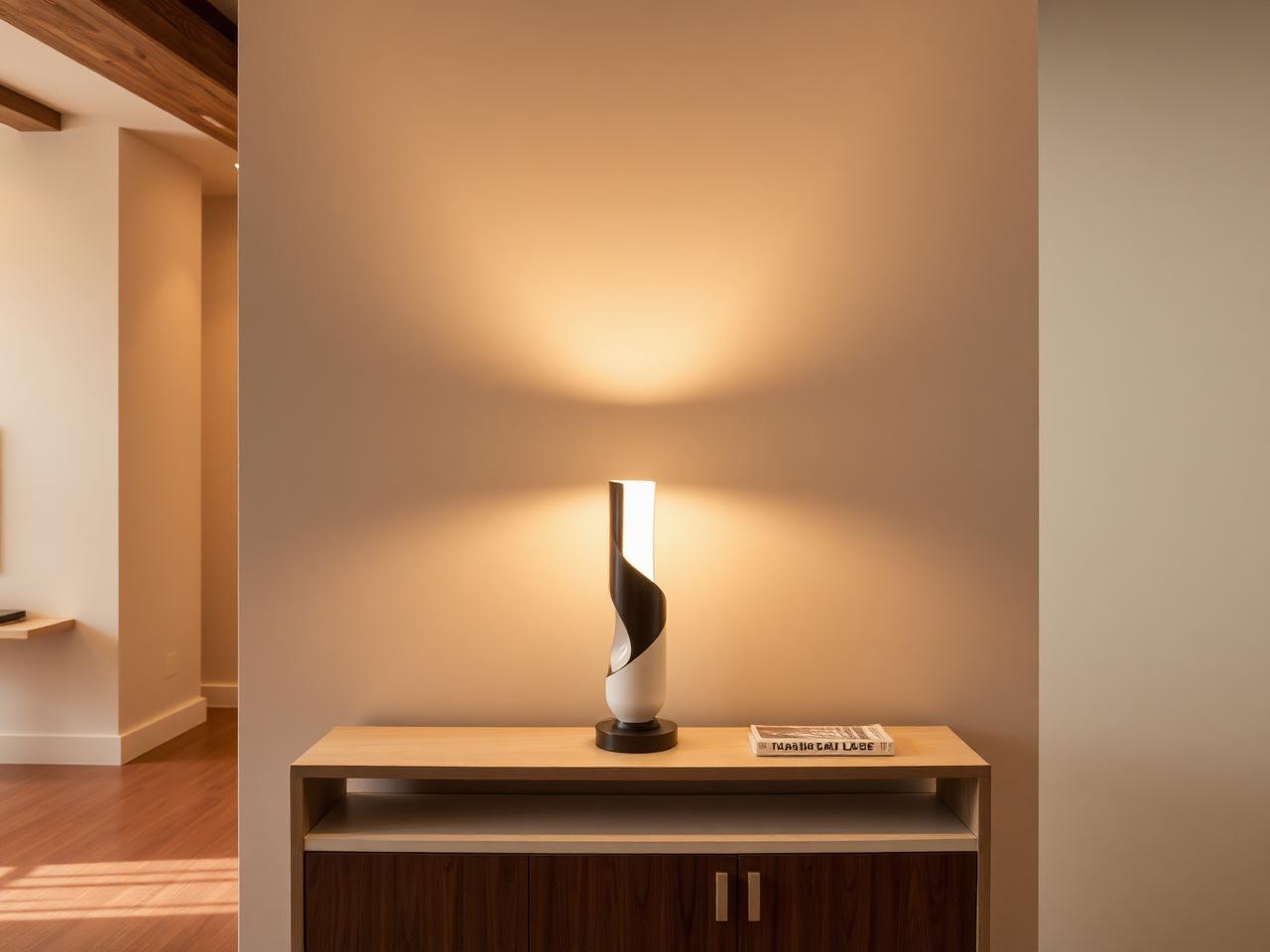
The unlit appearance tells only part of the story. A shade that is interesting by day may become less distinct when illuminated, while a simple outline may become more noticeable. Observe both states where possible, and keep the room's other usual lights on for part of the comparison.
Check the view from where you spend time. A visible bright source may distract from the form you liked in a photograph. Moving the lamp within its intended surface can change the view, provided it remains fully supported and accessible. Do not assume that decorative appeal establishes enough light for reading or other detailed activities.
Let your own preferences settle the decision
There is no obligation to like rounded forms, warm colors, or a collection of small lights. Nor does preferring a spare arrangement say anything reliable about personality or wellbeing. The point is to make an ordinary corner more personally considered, not to pass a test of taste.
Start with one surface and one feature you want to emphasize. Photograph the arrangement for comparison if useful, but also sit beside it and use the table normally. Keep what you enjoy and remove what gets in the way. That is a sound basis for choosing expressive lighting without making promises about happiness.
The Editor's Notes
Get the Lumière styling notes
One quiet essay a month on layering light and shaping the atmosphere of a room. No noise. Unsubscribe anytime.
The Editor's Notes
One essay. One piece. Once a month.
Quiet dispatches from the studio. Unsubscribe anytime.
For the hour after
For the hour after the overhead light goes off
Shop lamps built for the quiet part of the evening.
Share this guide