Sunset Projector or Table Lamp? Choose the Effect You Actually Want
A projected color effect and a visible decorative lamp offer different experiences. Compare the room, the surface, and the intended use rather than chasing a replacement trend.
By Lumière Light Studio Editorial
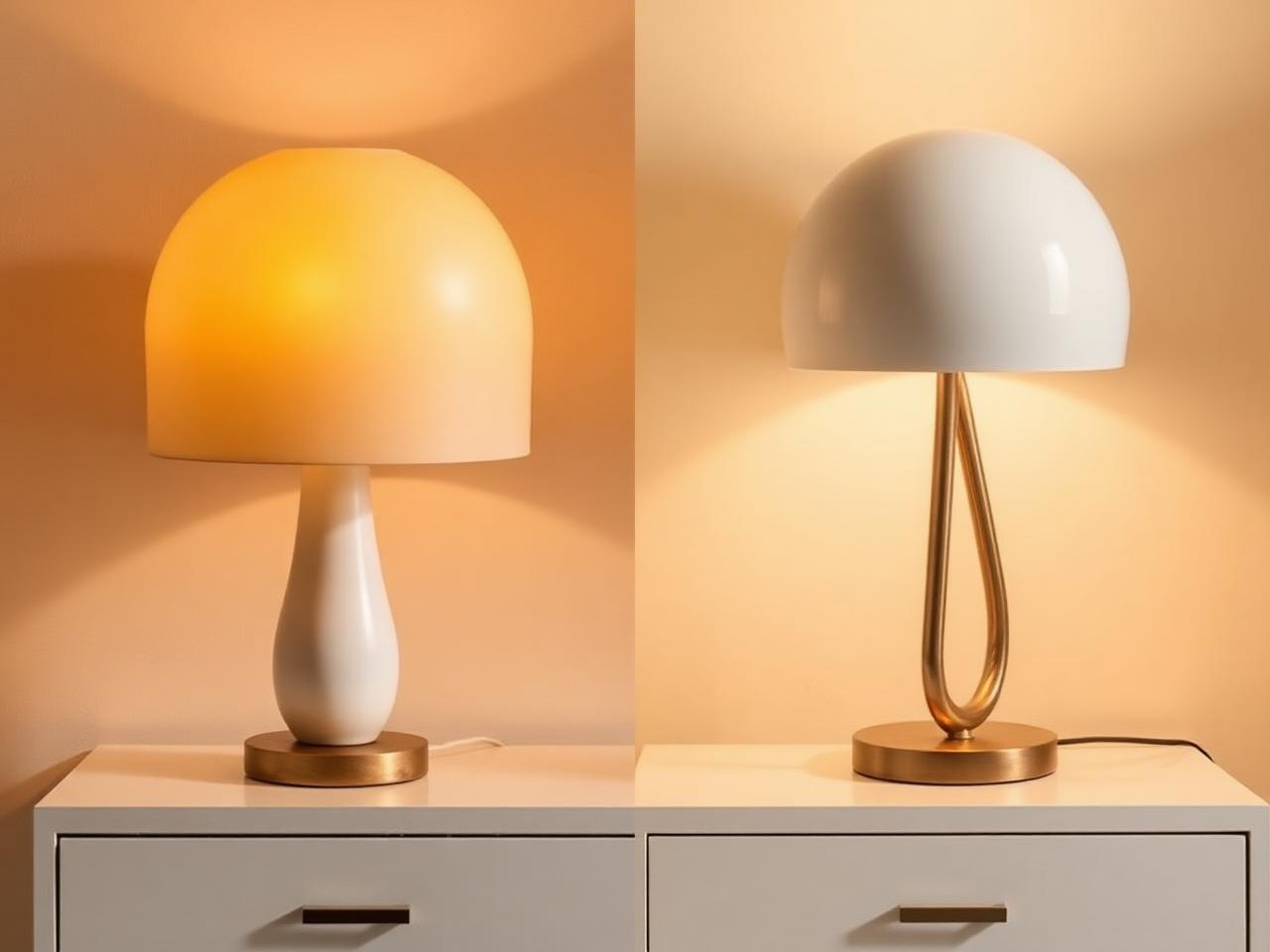
A projected circle of color and a decorative table lamp are not interchangeable ideas. One may be chosen mainly for the effect it creates on a wall; the other may be chosen partly for the object it places in the room. Neither needs to replace the other because a trend has supposedly ended.
If your current lighting no longer suits the space, identify what is missing before looking for something new. You may want a different wall effect, a visible object on a table, or more useful light for an activity. Those are separate questions and may lead to different choices.
Choose between a wall effect and a visible object
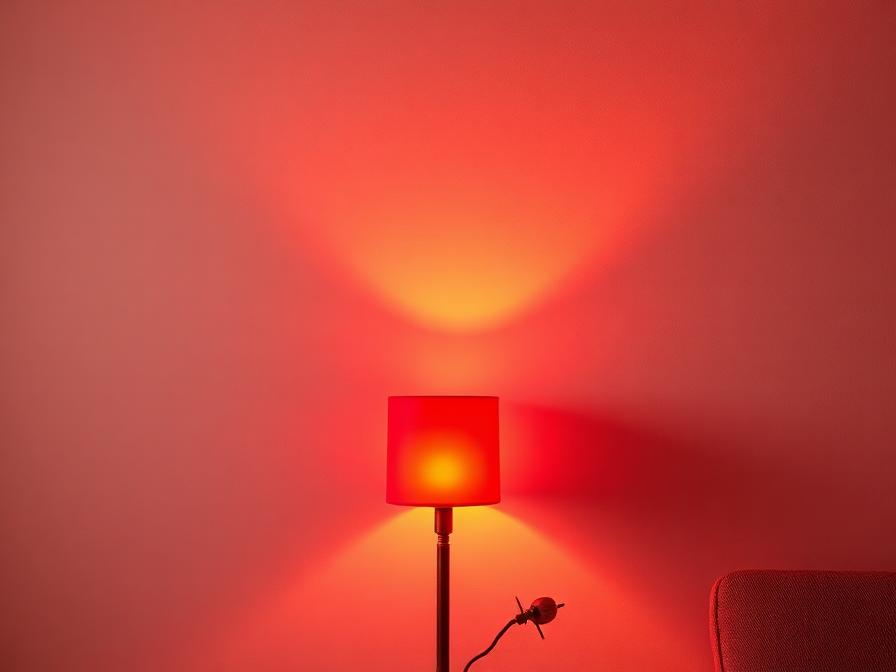
A projected effect makes the receiving surface part of the arrangement. Wall color, available space, nearby frames, and furniture can influence how the composition looks. Before changing the lamp, consider whether the wall is still the right place for the effect you want.
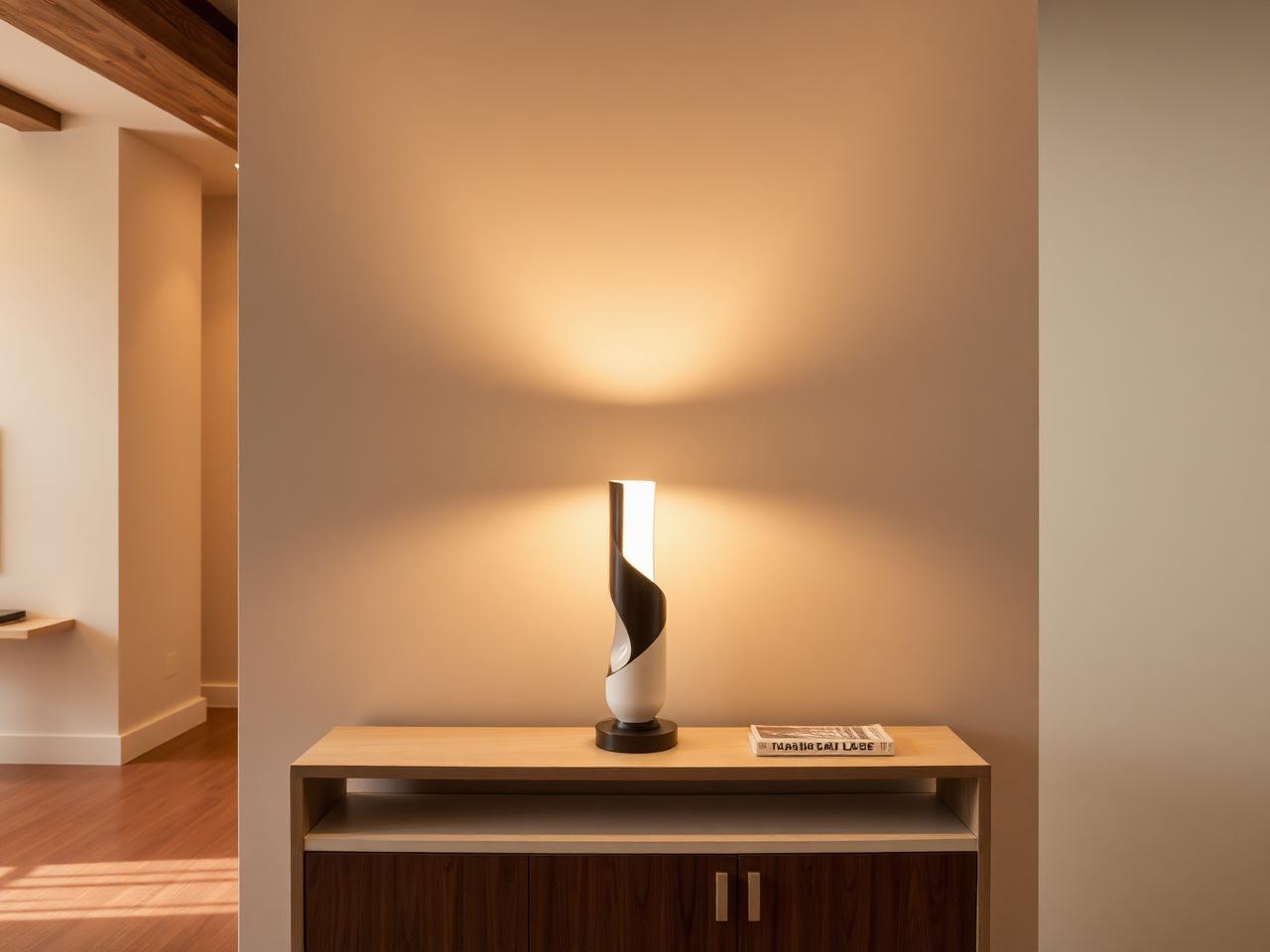
A table lamp occupies space even when it is off. Its outline and color become part of the daytime room as well as the evening setting. That can be appealing if you want a focal object, but it also means giving up some usable surface. Assess that trade-off rather than treating a sculptural shape as an automatic improvement.
Compare the ordinary view, not just the photograph
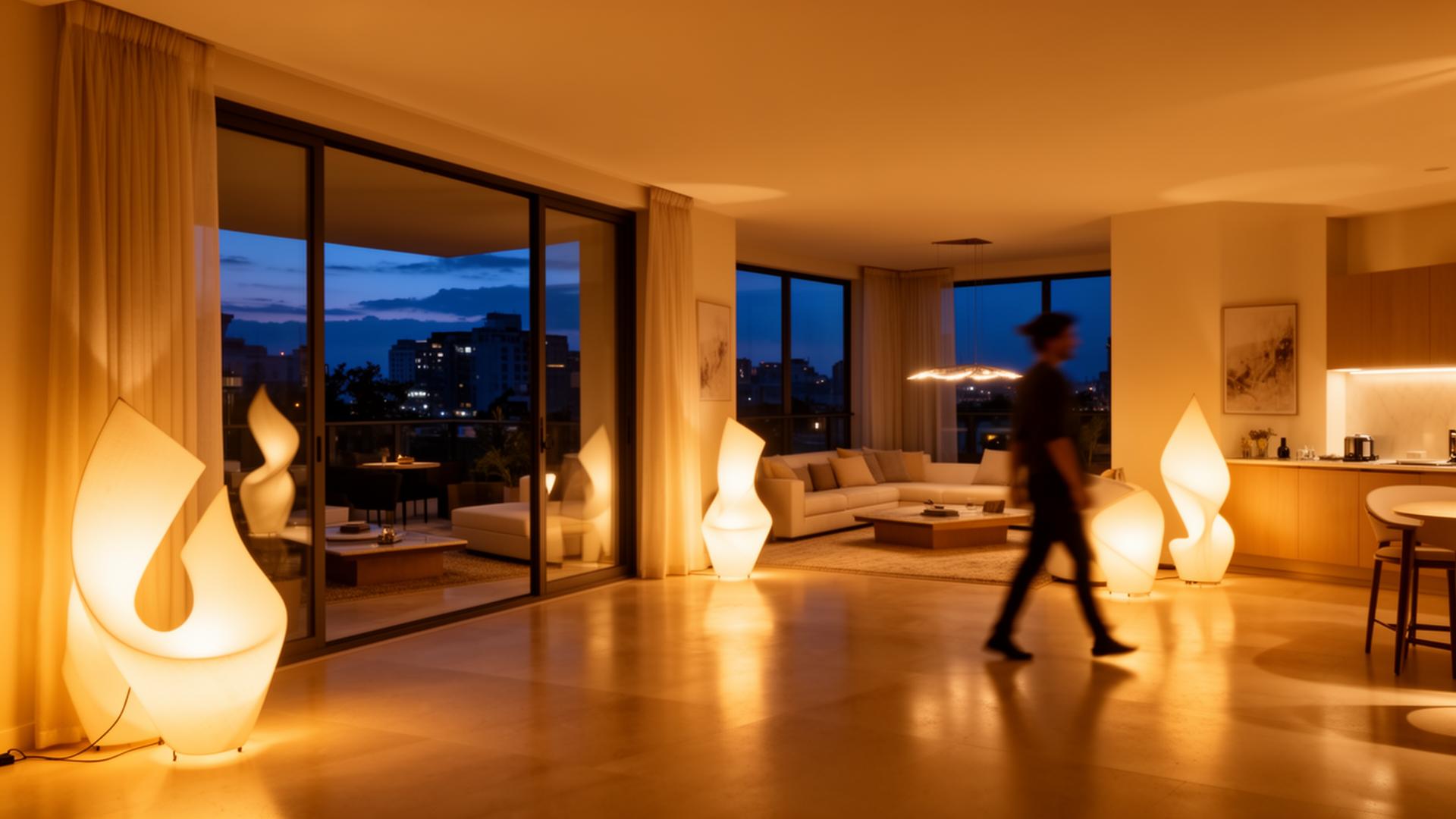
Sit where you usually sit. Does the projected effect remain visible, or is it hidden behind furniture? Does a table lamp interrupt your view across the room? An arrangement that looks distinctive from a camera position may be less convincing from the sofa.
Look at the room in daylight too. If a projector is still enjoyable for occasional use, it can remain part of the room without being the main decorative feature. If an unlit table lamp is what you want to see during the day, evaluate that object independently of the evening photographs used to present it.
Separate decoration from practical lighting
Neither a colored wall effect nor a striking lamp shape establishes suitability for reading or detailed tasks. Keep the lighting that supports the activity and compare decorative options alongside it. A new object should not be expected to solve an illumination problem merely because it is larger or more expensive.
There is also no reliable lifespan or value calculation based on whether a lamp looks fashionable. Price, personal interest, and years of use cannot be inferred from a style category. Choose against your current needs and check the current specifications on the product page for any option under consideration.
Try changing the arrangement before replacing the lamp
You might prefer the effect on a less crowded section of wall, or find that another decorative object is competing with it. Make a reversible placement change within the product's stated use and compare it with the usual arrangement. Keep cables clear of walking routes and follow the manufacturer's placement instructions.
If the existing lamp still gives you an effect you enjoy, there is no deadline to replace it. If it does not, write down the missing quality before browsing: an object visible by day, a different outline, or lighting for a separate activity. That simple distinction gives the next choice a practical purpose without declaring any style finished.
The Editor's Notes
Get the Lumière styling notes
One quiet essay a month on layering light and shaping the atmosphere of a room. No noise. Unsubscribe anytime.
The Editor's Notes
One essay. One piece. Once a month.
Quiet dispatches from the studio. Unsubscribe anytime.
For the hour after
For the hour after the overhead light goes off
Shop lamps built for the quiet part of the evening.
Share this guide