A Practical Guide to Ambient Lighting at Home
Plan the general light in a room around the places you use, the views you see and the controls you can confirm.
By Lumière Light Studio Editorial
A room can have an appealing lamp and still feel poorly lit for the way it is used. Ambient lighting is the general background layer, rather than the concentrated light for a particular task or the accent on a single object. Planning it starts with the room, not with a required number of lamps.
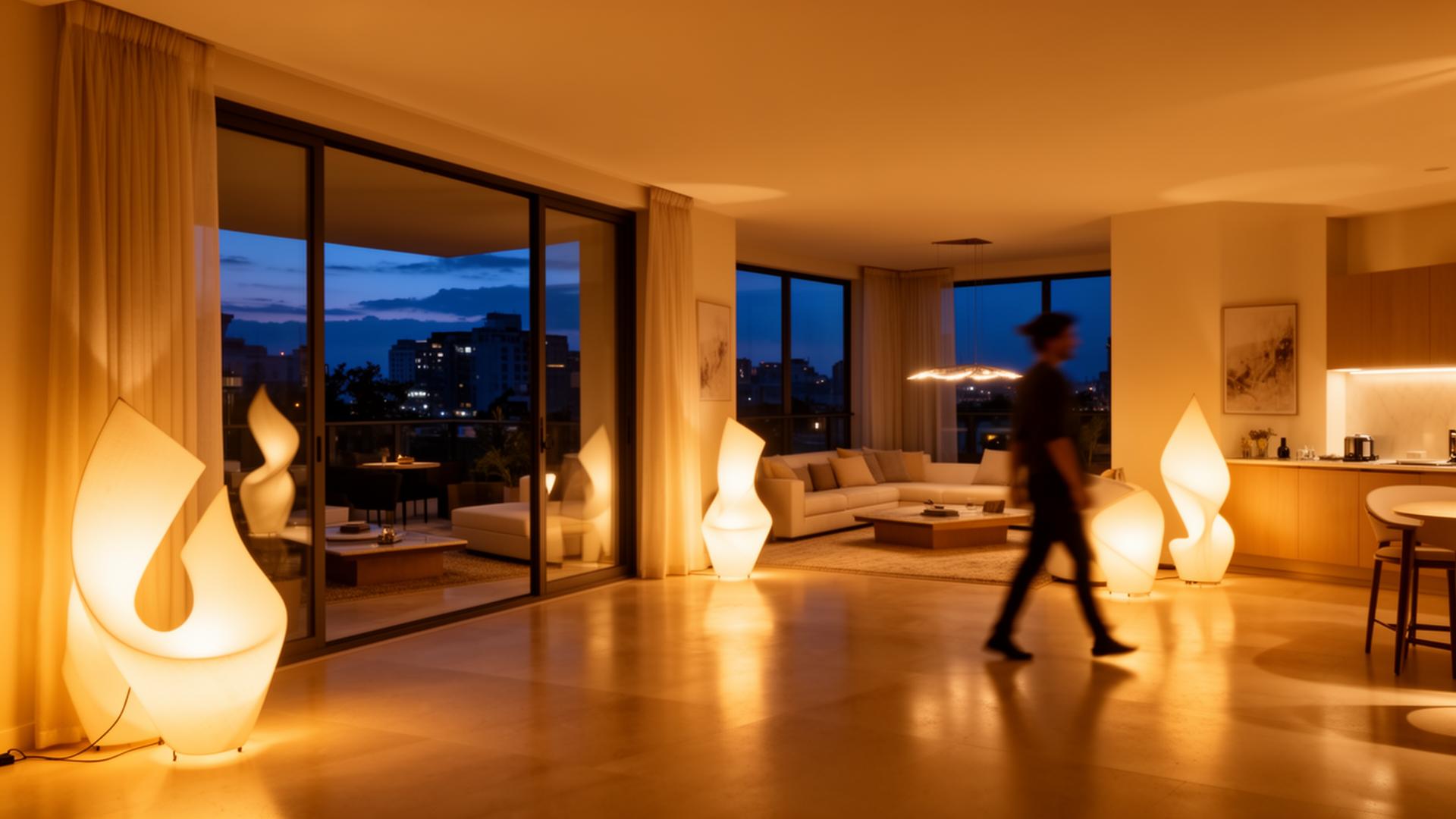
Look at the space after daylight has faded, using the lights you already have. Notice which areas remain difficult to see and which sources draw more attention than you want. Include the entrance, the seating area and the route between them. A photograph of one attractive corner may leave those relationships out.
Keep useful ceiling light in the plan
An overhead source is not automatically a mistake. It may provide useful general light, while smaller sources add options in parts of the room. The question is whether the combination suits what you do there. There is no requirement to replace a ceiling light with a set number of table lamps.
Try the existing sources separately, then together. If the middle of the room is visible but the far wall disappears, that observation is more useful than a rule about lighting every corner. If a lamp appears dazzling from the sofa, consider its position and your view of the light source before adding another.
Give each room its own starting point
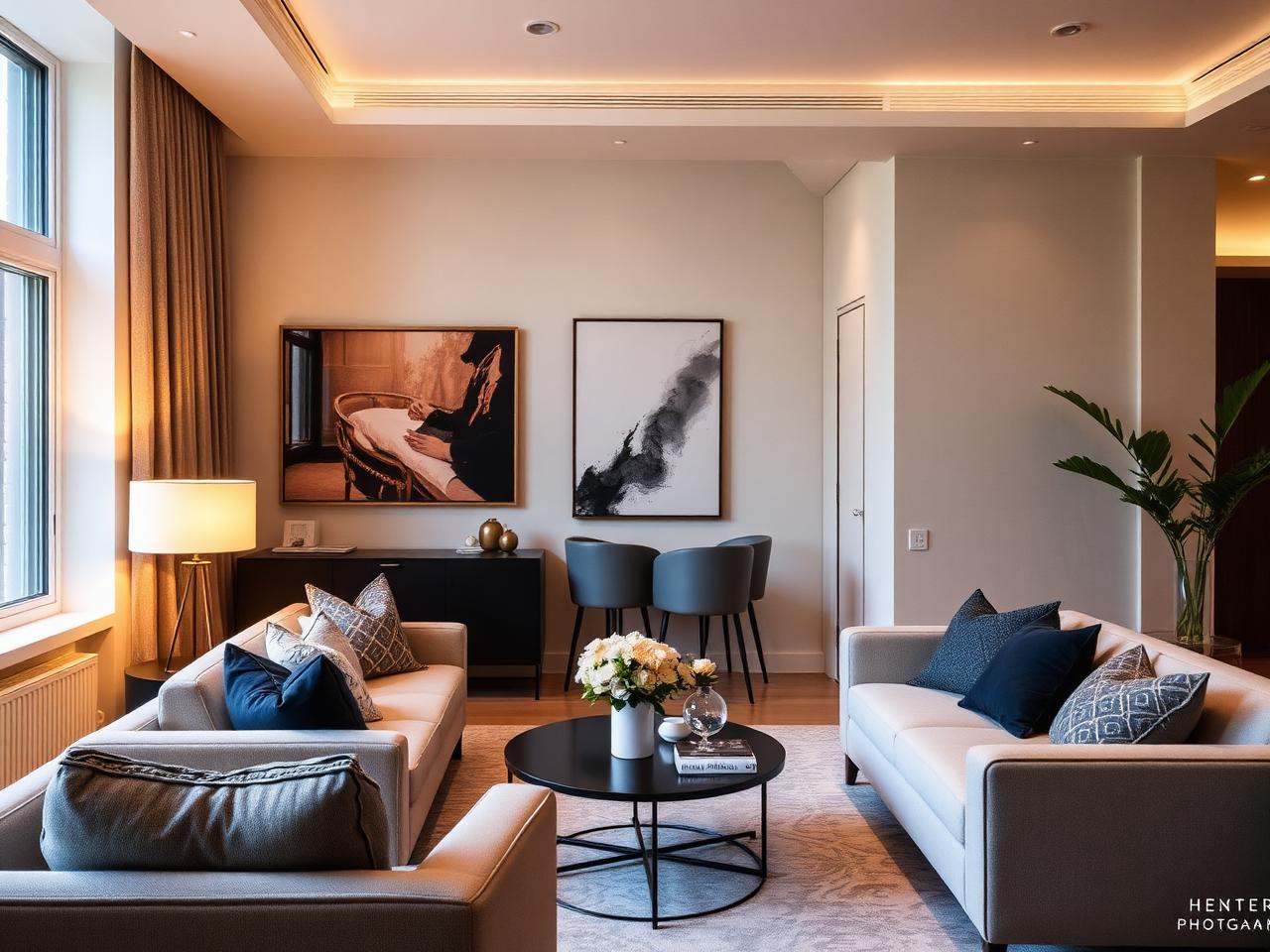
In a living room, begin with the seats and the paths people use. A light near a wall may help reveal that part of the room, but its effect depends on the shade, the source and the surrounding surfaces. A decorative lamp should not be assumed to provide reading light simply because it sits beside a chair.
In a bedroom, consider the view from the bed as well as from the doorway. Check whether a control will be within comfortable reach. The amount and appearance of light you prefer are personal; this is not a prescription for sleep or a reason to adopt a fixed evening schedule.
In an entryway, preserve the console's everyday purpose. Leave space for keys or a bag and consider how the lamp relates to the door and nearby furniture. A smaller room does not remove the need to check footprint and power access.
Separate colour preference from control features
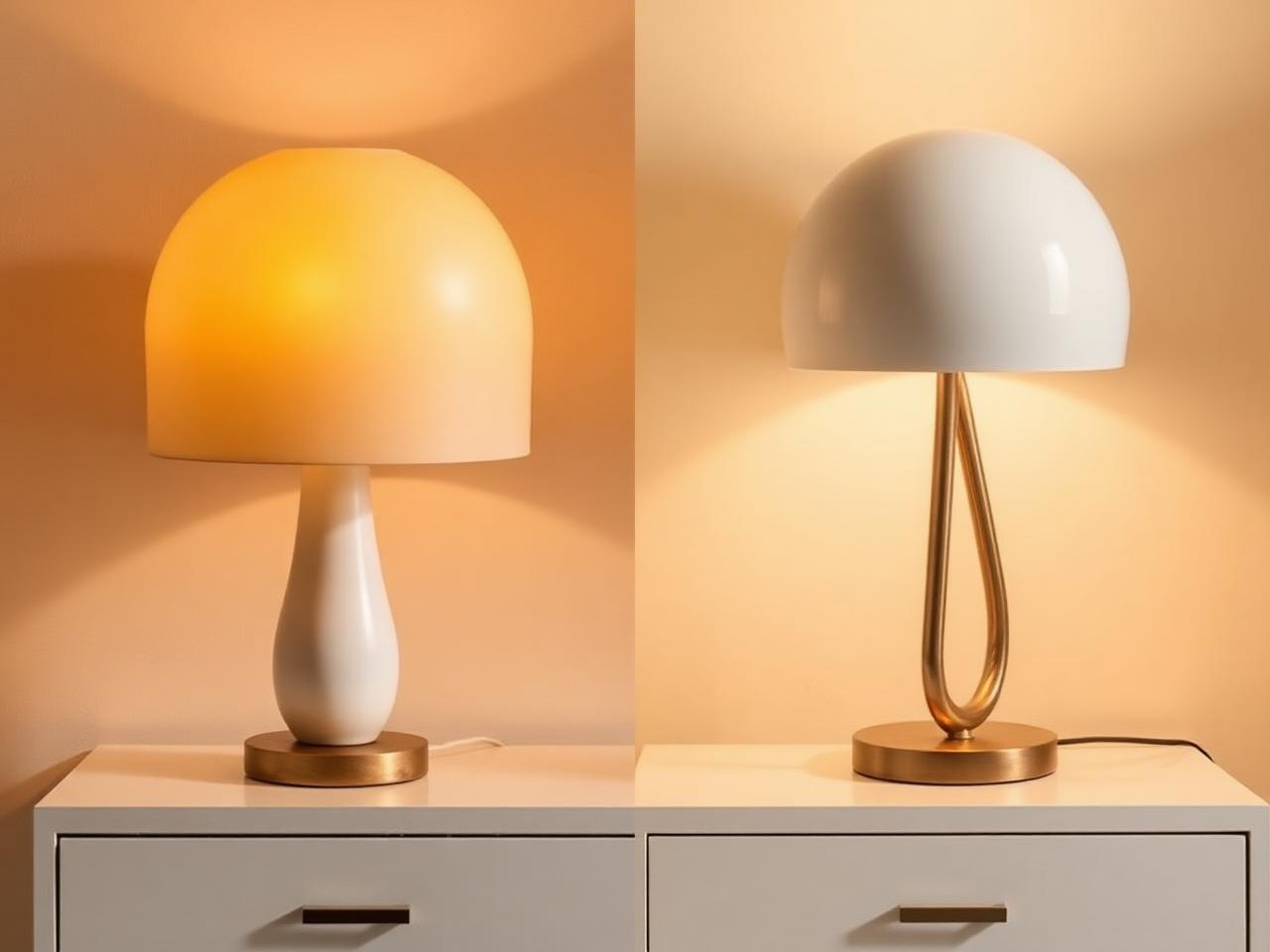
Colour temperature describes how warm or cool white light appears. Lower Kelvin values describe warmer-looking white light. This does not tell you how bright the room will be, whether colours will appear accurate, or whether a lamp suits a particular task.
Warm low light reads as calmer to many people in the evening, but preferences differ. You can compare the sources already in the room rather than treating one value as correct throughout the home. Do not assume a light-colour control also changes brightness.
Dimming can offer flexibility when it is explicitly supported. Fixed-brightness lamps can also form part of a useful plan, with different sources switched on for different activities. Check the exact product's controls instead of assuming a collection shares one feature.
Add only after identifying a gap
For each proposed position, confirm dimensions and the exact variant's power note. Use only the cable or adapter the product listing or manufacturer specifies. Do not assume a hidden cable means a lamp operates independently of a power connection.
Many lamps have integrated LEDs that are not user-replaceable. If a lamp accepts a bulb, follow its stated socket/base, the manufacturer's maximum and compatibility instructions. Check the current returns page before relying on any purchase arrangement. The next useful step is to identify one gap in the existing room and decide what information would show whether a new light could address it.
The pieces referenced above. Check current specifications, delivery and return details on each product page before ordering.
The Editor's Notes
Get the Lumière styling notes
One quiet essay a month on layering light and shaping the atmosphere of a room. No noise. Unsubscribe anytime.
The Editor's Notes
One essay. One piece. Once a month.
Quiet dispatches from the studio. Unsubscribe anytime.
For the hour after
For the hour after the overhead light goes off
Shop lamps built for the quiet part of the evening.
Share this guide