How to Style a Table Lamp on a Console, Bedside Table or Reading Corner
Start with the surface’s everyday job. Then check support, reach and the light from the position in which you will actually use it.
By Lumière Light Studio Editorial
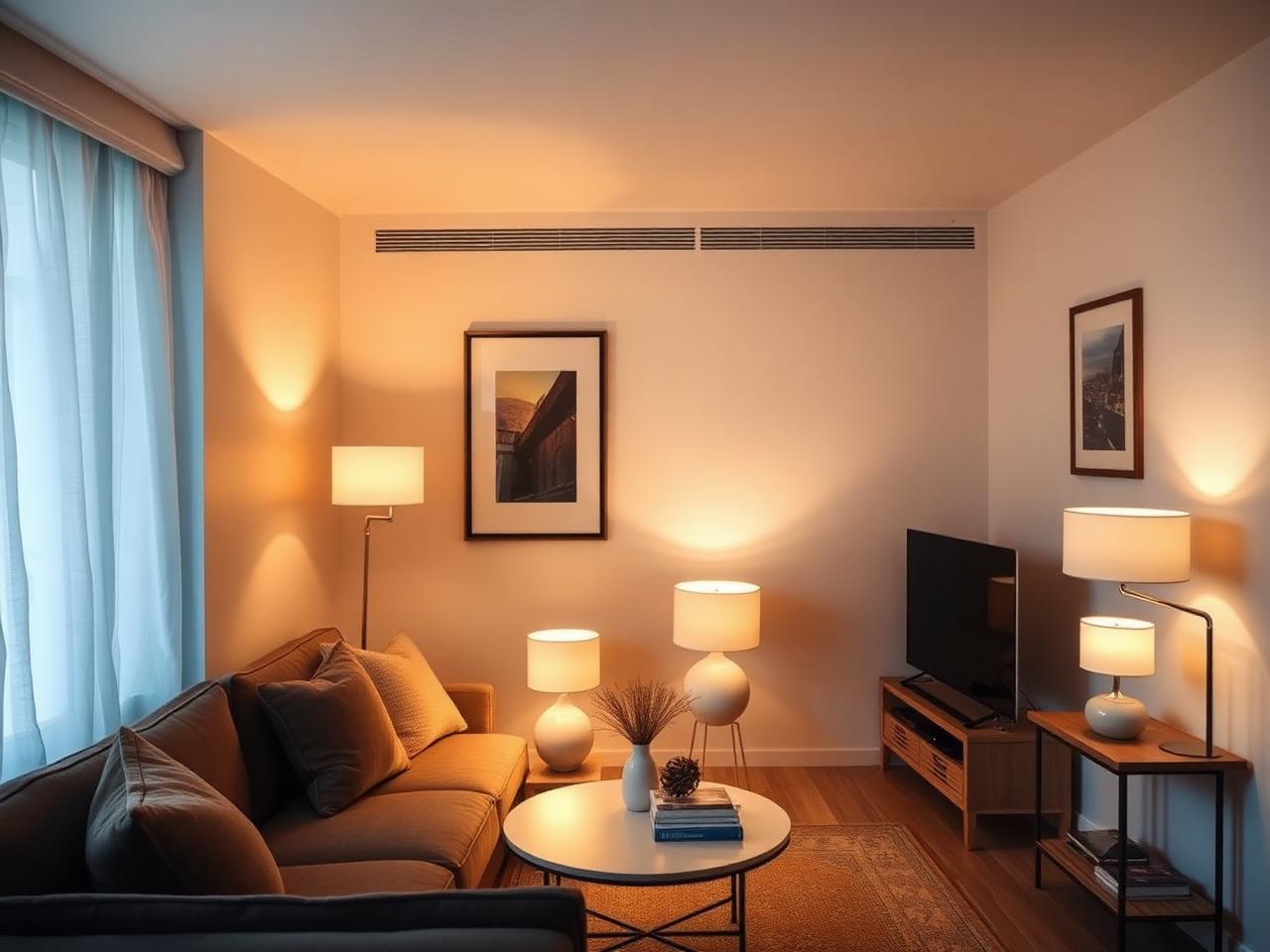
Styling a table lamp starts with the surface beneath it. A console receives things as you come through the door. A bedside table holds what you want within reach. A table beside a reading chair supports a particular activity. Each can look considered, but the lamp should not prevent the furniture from doing its ordinary job.
Choose the surface first, then test the lamp as both an object and a source of light. A good outline does not establish useful illumination, and useful light does not require a rigid decorative formula. The arrangement needs to work in daylight, after dark and from the seat or doorway that matters most.
A console needs room for arrivals
Place the lamp where its whole base has stable support and its shade stays out of the passage. Preserve an obvious space for keys or other daily objects. If a mirror or picture hangs behind it, check their overlapping outlines from the entrance rather than insisting on a particular height ratio.
Try placing the lamp off-centre if that leaves a more useful clear area. Add only the objects you want to keep there. A small group can feel balanced through contrasting shapes and gaps; it does not need an odd-number rule. Leave the base directly supported on the furniture, rather than using decorative stacks to change its height.
Switch the lamp on and look at the wall. Its light may become part of the composition, or the shade may be the main visible element. Neither result is automatically preferable. Decide which one suits the entrance while retaining the lighting needed to see and move through it.
A bedside table needs a reachable control
Sit against the pillows as you normally would. Reach for the control without shifting the lamp or leaning over other objects. Then lie down and check whether the source is directly visible. The relevant height is the one that works with your bed, table and position, not a universal dimension.
Leave a clear landing place for glasses and a book. Keep the lamp and cable away from the area where your hand naturally searches for those items. If the table becomes crowded, reduce what is stored there or choose a different arrangement instead of building the lamp upward on loose objects.
A reading corner needs a page test
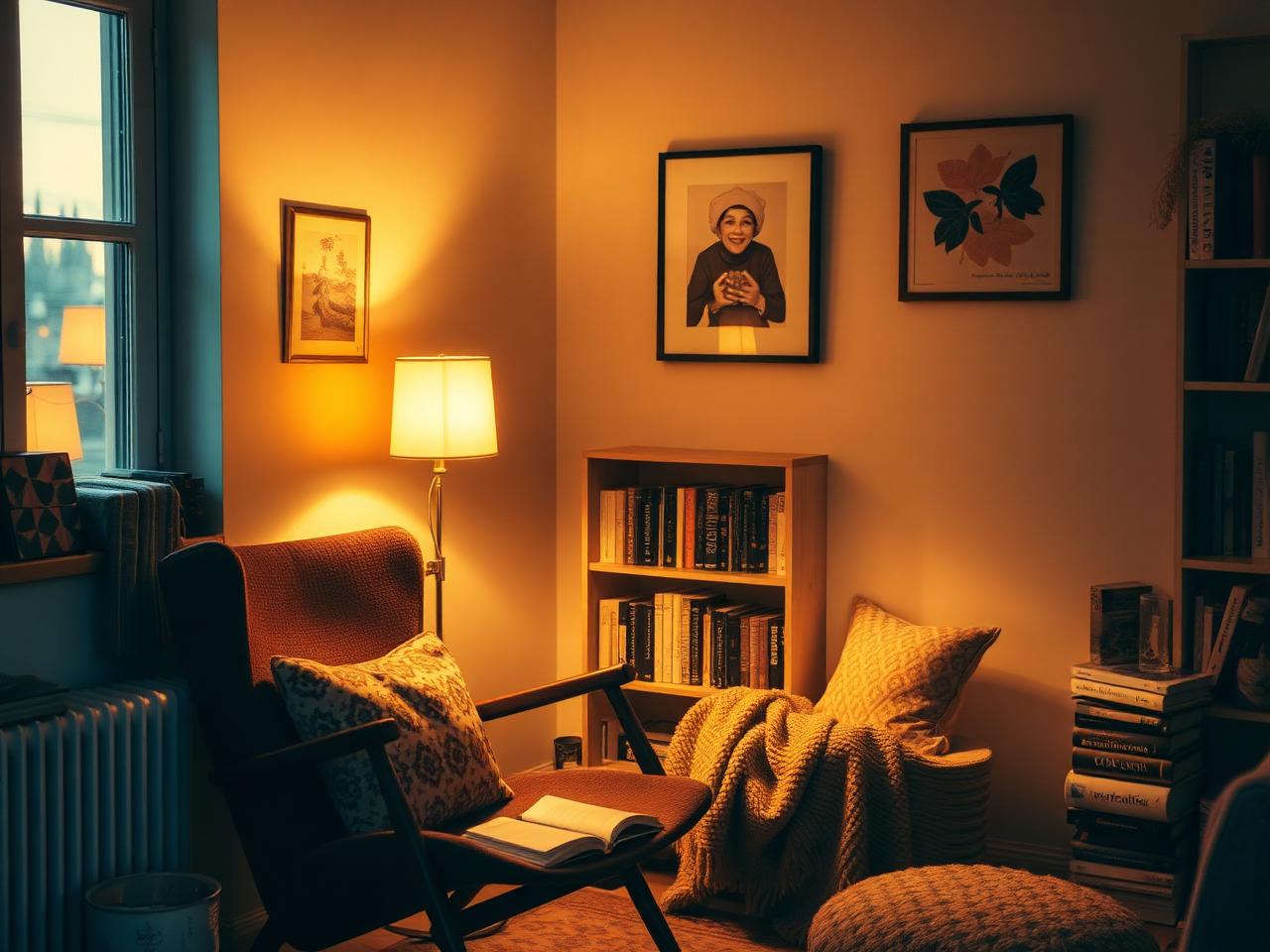
Sit with an open book in the position you actually hold it. Try the light to one side and look for shadows across the page, bright reflections and a source visible in your direct view. Changing the position can help, but the result depends on the lamp's distribution of light.
A decorative table lamp is not automatically a reading solution. If the page remains difficult to see, plan a separate task light rather than assuming a warmer appearance or a larger shade will solve it. Keep the side table usable for setting down the book without contacting the lamp.
Across all three positions, follow the manufacturer's placement instructions and keep cables out of walking routes, away from moving furniture parts and free from pinching. Do not improvise a power arrangement to preserve the styling. Finish by using the surface for its normal purpose, then remove or move the first object that gets in the way.
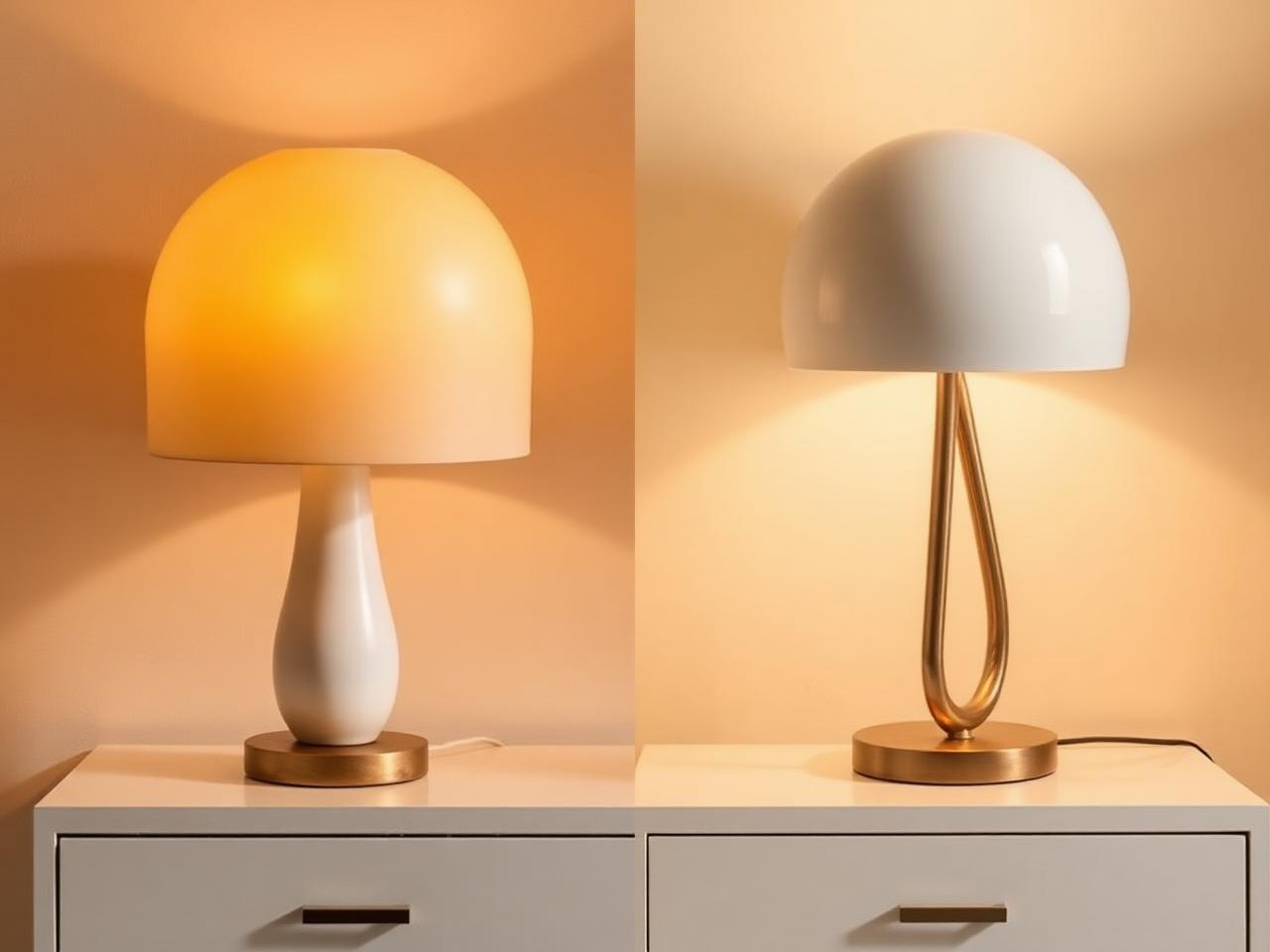
The pieces referenced above. Check current specifications, delivery and return details on each product page before ordering.
The Editor's Notes
Get the Lumière styling notes
One quiet essay a month on layering light and shaping the atmosphere of a room. No noise. Unsubscribe anytime.
The Editor's Notes
One essay. One piece. Once a month.
Quiet dispatches from the studio. Unsubscribe anytime.
For the hour after
For the hour after the overhead light goes off
Shop lamps built for the quiet part of the evening.
Share this guide