Mood Lighting for Movie Nights, Dinners, and Slow Mornings
Change the combination of existing lights to suit a film, a meal or a quiet morning. Check reflections, usable surfaces and routes before choosing a setting.
By Lumière Light Studio Editorial
The light that suits a film may not suit setting out breakfast. Mood lighting becomes more useful when it describes a choice for a particular activity rather than a fixed recipe of warm and dim. You can often make that choice by changing which existing lights are on, without buying a new lamp.
Start with the lighting you have and the controls it actually offers. Some lamps have one fixed setting; others offer adjustment. Do not assume an adjustable setting is available, or that an extra control can be added. Read the current specifications and manufacturer instructions before planning around a feature.
Movie night needs a screen check
Sit in the main viewing position with the television on. Turn on one nearby light and look for its reflection in the screen. Repeat from other usual seats. A lamp that disappears from the centre of the sofa may reflect strongly from the end, especially when the picture is dark.
Try a position outside the reflected view rather than simply reducing the light until it is barely noticeable. Keep enough illumination to find a drink and walk out of the room. There is no need to claim a health benefit or describe a decorative lamp as technical screen lighting; the practical aim is an unobstructed picture within a usable room.
Leave drinks and remotes within reach without crowding the lamp. If a side table is small, a different lamp surface may be more convenient. Test the arrangement during the film as well as before it, since the changing screen image can reveal reflections that a bright menu hides.
Dinner needs more than an attractive background
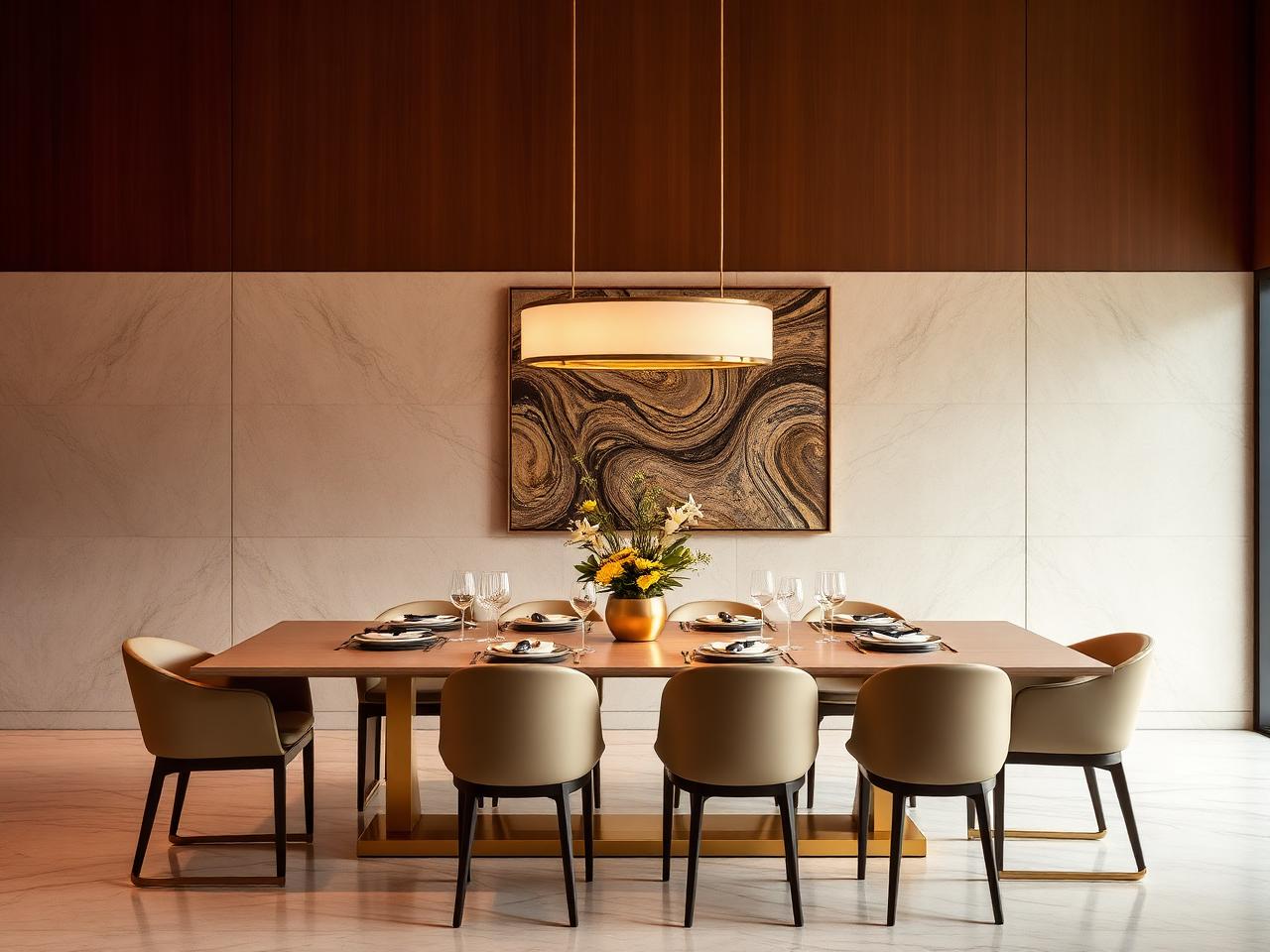
A lamp on a sideboard can soften the room around a dining table, but check what happens to the table itself. Set out a plate, glass and serving dish. Sit at each side and make sure you can see what you need. Retain the main dining light if it provides useful visibility.
Keep the serving area clear of the lamp and its cable. A lower setting is not an improvement if it makes a shared dish hard to find or leaves the route to the kitchen dark. Treat the sideboard light as one part of the arrangement, not a replacement promised to suit every meal.
Slow mornings start with available daylight
Look at the room before switching on the full evening arrangement. Daylight may already illuminate the table but leave a chair in shadow. Use a lamp where it fills that gap, then reassess as the room brightens. A warm appearance is a preference, not a requirement or a promised effect on the day ahead.
If you read or write at the table, judge the page directly. The setting that looks gentle from the doorway may not provide the light you want for small print. Use the functional light when needed rather than preserving an atmosphere at the expense of the activity.
Once you find a useful combination, note which sources are on and where they sit. You do not need numerical settings or an automated schedule. Try one arrangement for the next activity, then change the part that proves inconvenient.
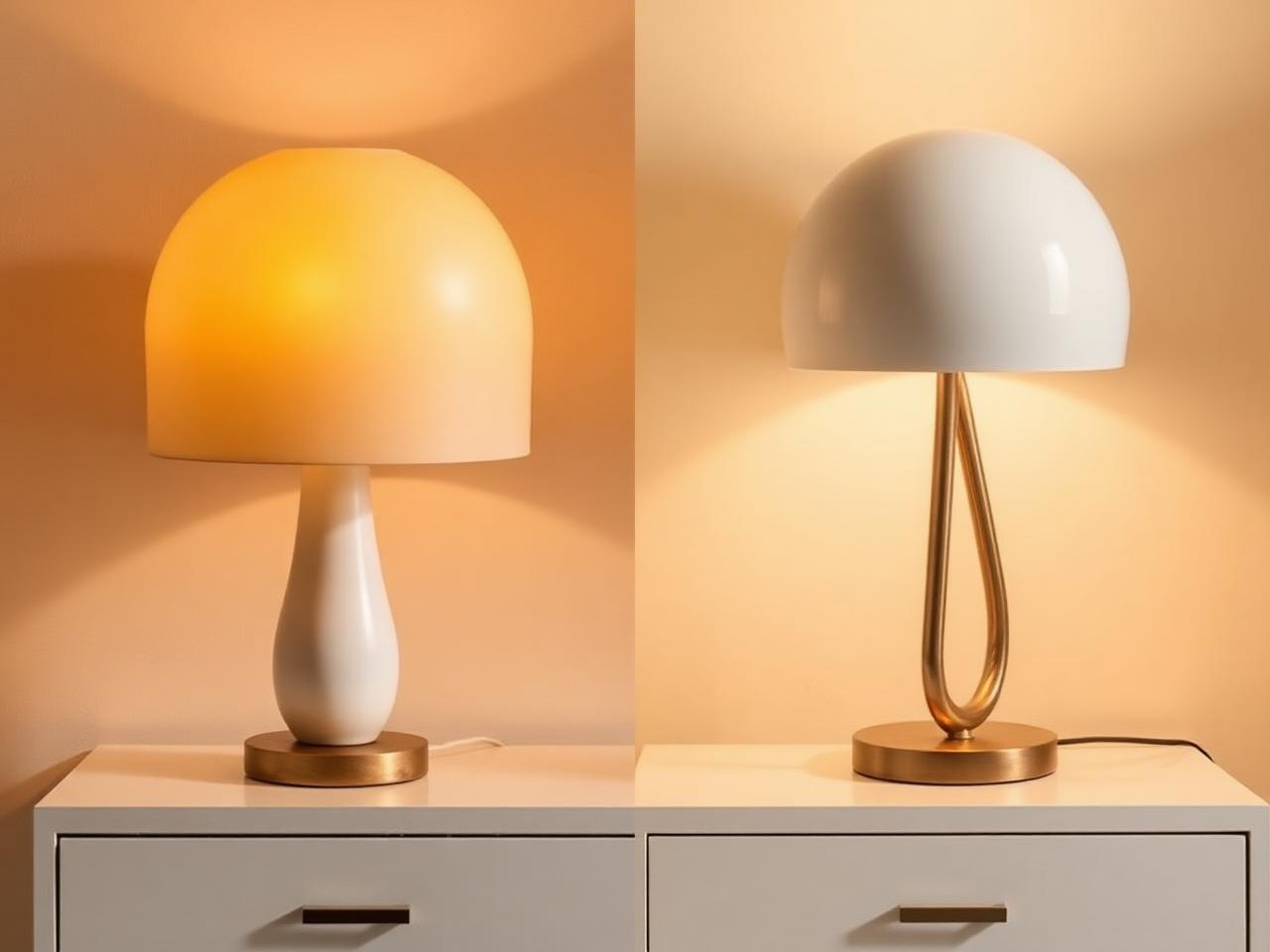
The pieces referenced above. Check current specifications, delivery and return details on each product page before ordering.
The Editor's Notes
Get the Lumière styling notes
One quiet essay a month on layering light and shaping the atmosphere of a room. No noise. Unsubscribe anytime.
The Editor's Notes
One essay. One piece. Once a month.
Quiet dispatches from the studio. Unsubscribe anytime.
For the hour after
For the hour after the overhead light goes off
Shop lamps built for the quiet part of the evening.
Share this guide