Lower, Warmer Light at the Dinner Table
Plan a softly lit dinner without losing sight of food, faces or the route to the table. Test the arrangement from each seat.
By Lumière Light Studio Editorial
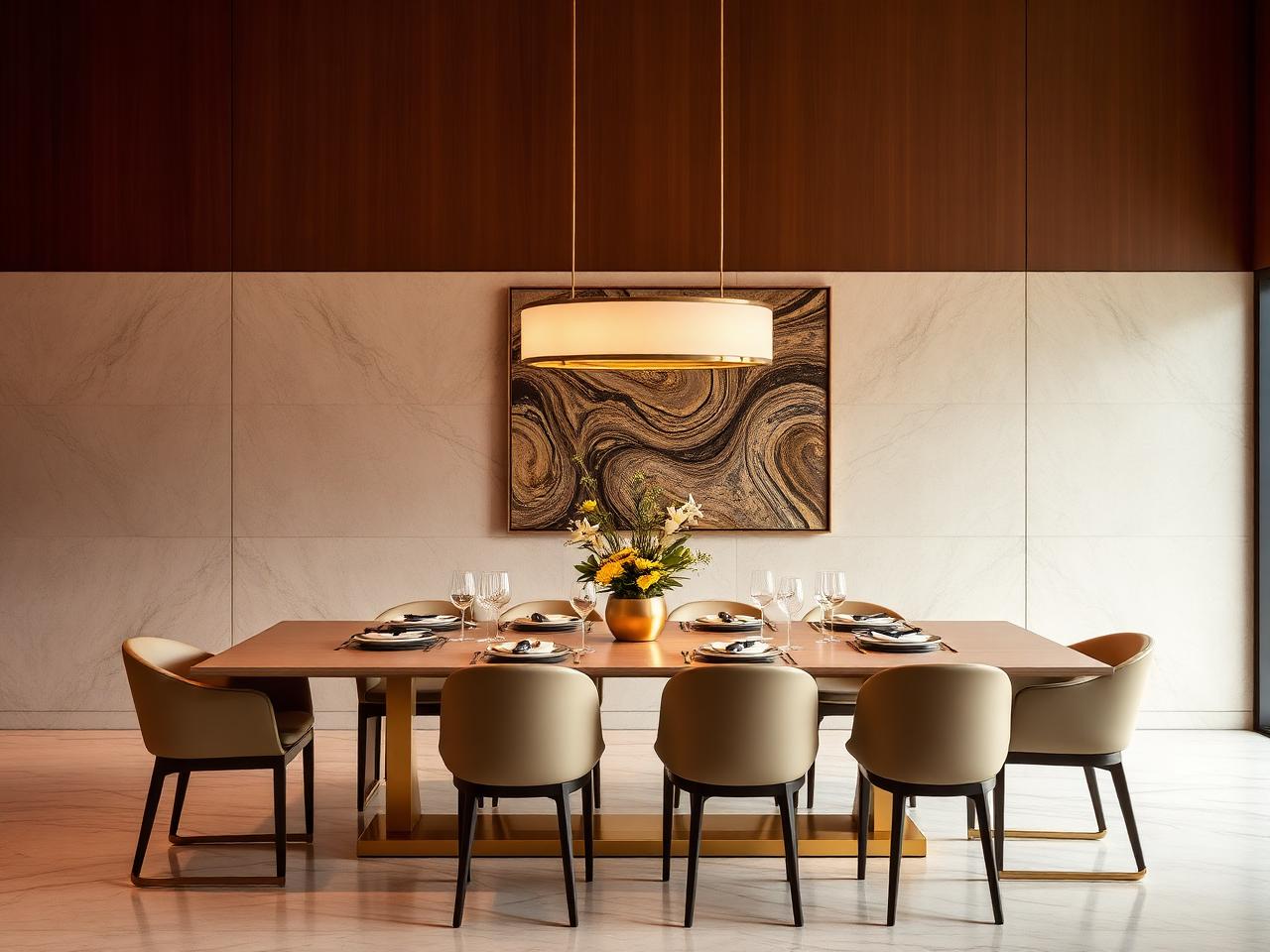
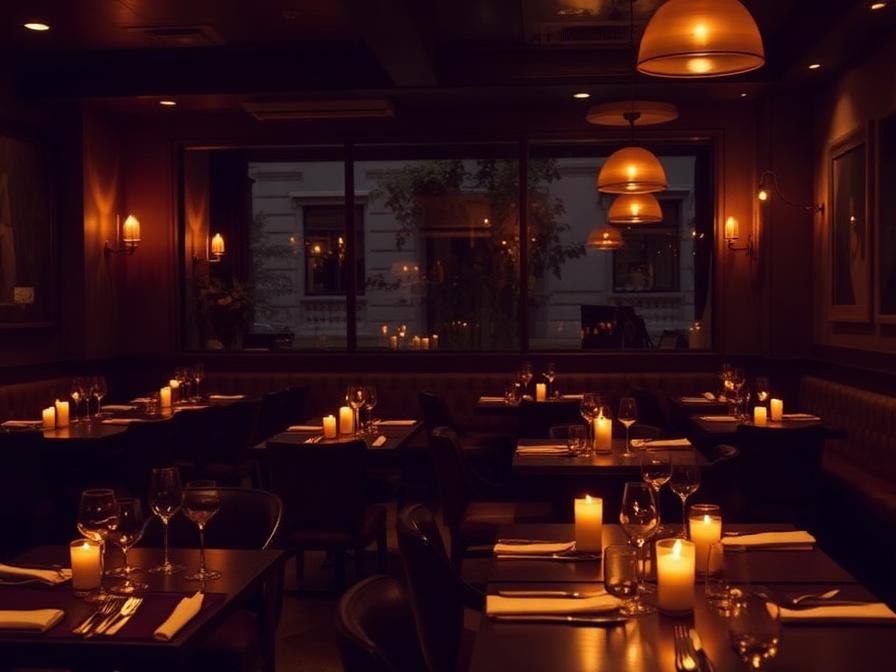
A dinner table can look inviting while remaining easy to use. Lower, warmer light is one way to give the table a distinct presence within a room, but darkness is not the objective. People still need to see their plates, find serving utensils and move between the table and kitchen.
There is no need to borrow a restaurant's supposed formula. Different dining rooms use different lighting, and lighting does not promise better food, conversation or enjoyment. At home, the useful question is simpler: which combination lets this table feel separate from the rest of the room without making the meal awkward?
Keep the meal visible before changing the atmosphere
Set out the plates, glasses and serving dishes you actually use. Turn on the usual dining lights, then change one source at a time. This makes it easier to notice what disappears when a light goes off. A handsome glow on the wall is not enough if the centre of the table becomes difficult to see.
Leave the general lighting available. A ceiling fixture may be the most useful light for serving, clearing or a larger gathering. If it has an appropriate built-in control, adjust it according to its instructions. There is no aesthetic reason to reject overhead light when it does the job well.
Place supplementary light beside the table
A sideboard lamp can give the room a softer edge without taking up dining space. Put it on a stable surface and check its light from every chair. The view beneath a shade changes as people sit down, and a source hidden from one end of the table may be exposed from the other.
Keep the sideboard useful for serving. Leave room to put down a dish without reaching around the lamp or passing close to its cable. If the arrangement only works when the furniture is empty, it is not yet ready for dinner. A different surface may be a better answer than squeezing the objects together.
Judge warmth with the table set
Warm light may suit the colours of the room, but its appearance depends on the shade, nearby finishes and other lights in use. Look at a plain plate and the table linen under the proposed combination. If the light seems too amber for your preference, choose a less warm setting where the existing equipment allows it.
Reflective glasses and polished cutlery can reveal a bright source even when it is outside your direct view. Move your head slightly while seated and look for distracting reflections. A small change in placement may solve the problem without lowering the overall light.
Keep the route to the kitchen visible, including the area beside pulled-out chairs. Do not run a lamp cable through that route to achieve a particular composition. Before the next meal, test the setting with a full place arrangement and someone in each usual seat. Keep whichever combination makes both the table and its surroundings straightforward to use.
The Editor's Notes
Get the Lumière styling notes
One quiet essay a month on layering light and shaping the atmosphere of a room. No noise. Unsubscribe anytime.
The Editor's Notes
One essay. One piece. Once a month.
Quiet dispatches from the studio. Unsubscribe anytime.
For the hour after
For the hour after the overhead light goes off
Shop lamps built for the quiet part of the evening.
Share this guide