Room-by-Room Lighting Adjustments: Choose the Job Before the Lamp
Different rooms ask different things of light. Use the activity in each space to decide what to keep, what to move and what still needs attention.
By Lumière Light Studio Editorial
A dining table, an entrance and a desk can share the same decorating palette without needing the same lighting arrangement. A home-wide audit is most useful when it sorts jobs by room. Otherwise, it is easy to repeat an attractive lamp placement where the underlying task is entirely different.
The rooms below are planning examples, not case studies or reported transformations. Choose the spaces you use and record one unresolved lighting job in each. This is a way to set priorities across a home, rather than a method for photographing a single corner before and after.
Living and dining rooms need different checks
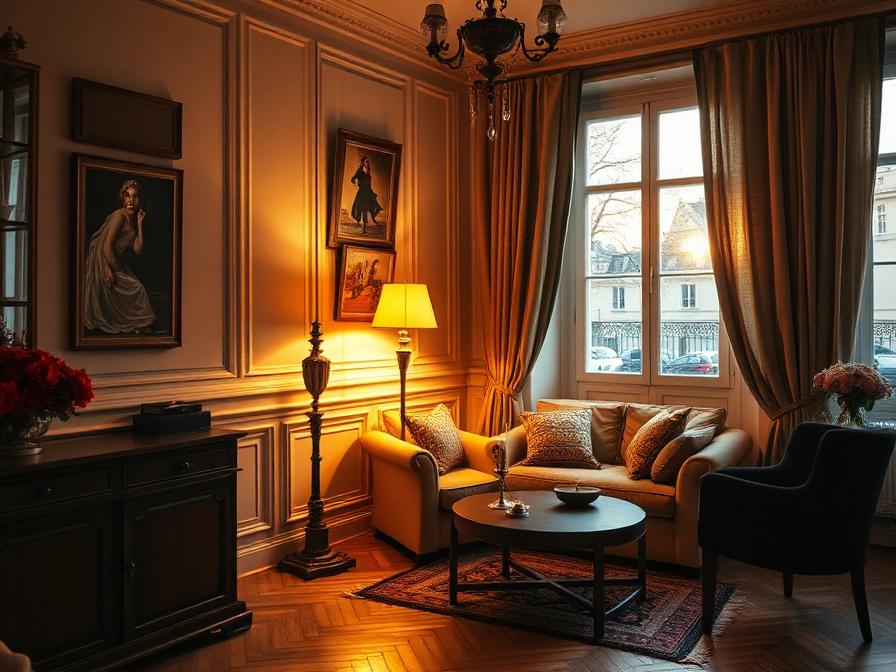
In the living room, begin with the occupied seats rather than the empty corners. List what happens at each: conversation, reading, television or a mixture. A decorative lamp across the room may add an evening focal point but leave a reader without useful page illumination. Record those as separate jobs instead of assuming one addition covers both.
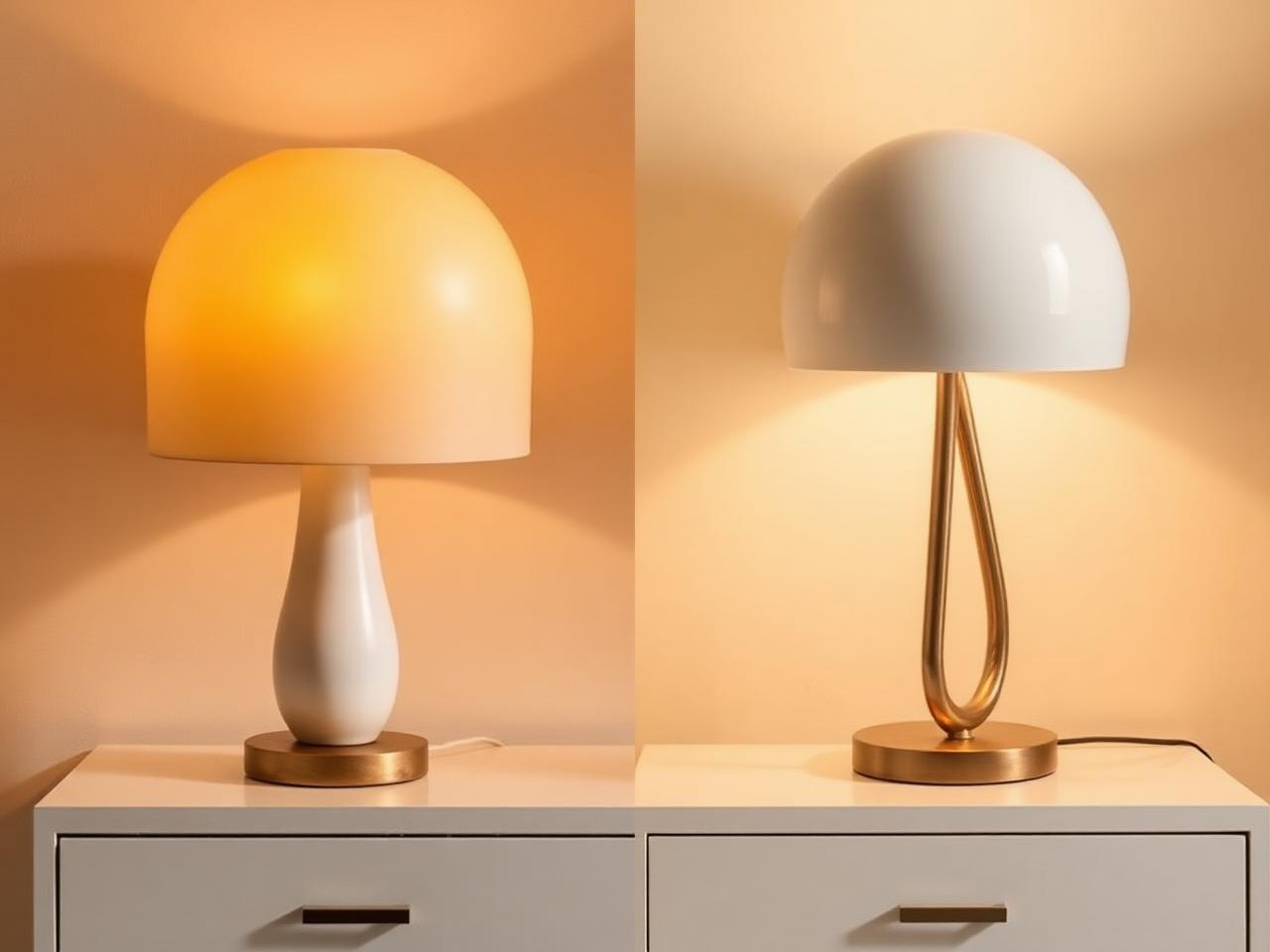
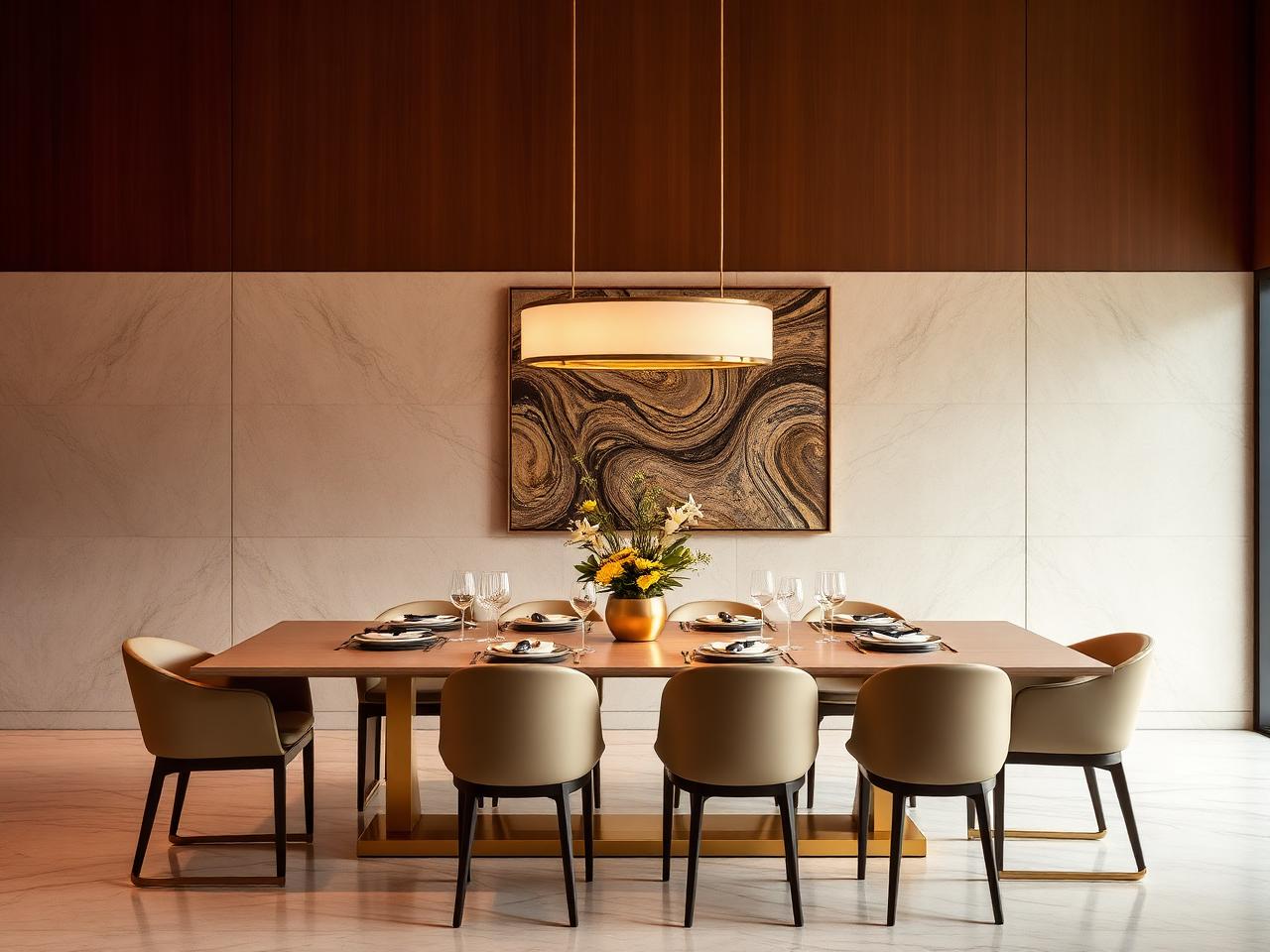
For the dining room, check the tabletop from the chairs. Can people see the place settings and serving dishes with the lights you intend to use? Keep suitable table illumination in the plan. A lamp on a sideboard can provide background light, but its distance and direction may leave it contributing little to the table itself.
In either room, test the ordinary layout with chairs pulled out and doors open. A lamp on a convenient surface can become inconvenient when people are moving around it. If a sideboard or side table already supports a busy routine, preserving that usable space may be more valuable than adding another decorative object.
Bedrooms and work areas ask for local control
In a bedroom, check the bed and storage separately. Being able to turn off a lamp from the pillow does not establish that clothes are easy to find in a wardrobe. Retain general light for dressing and room use, then check whether each occupied side of the bed has a reachable control.
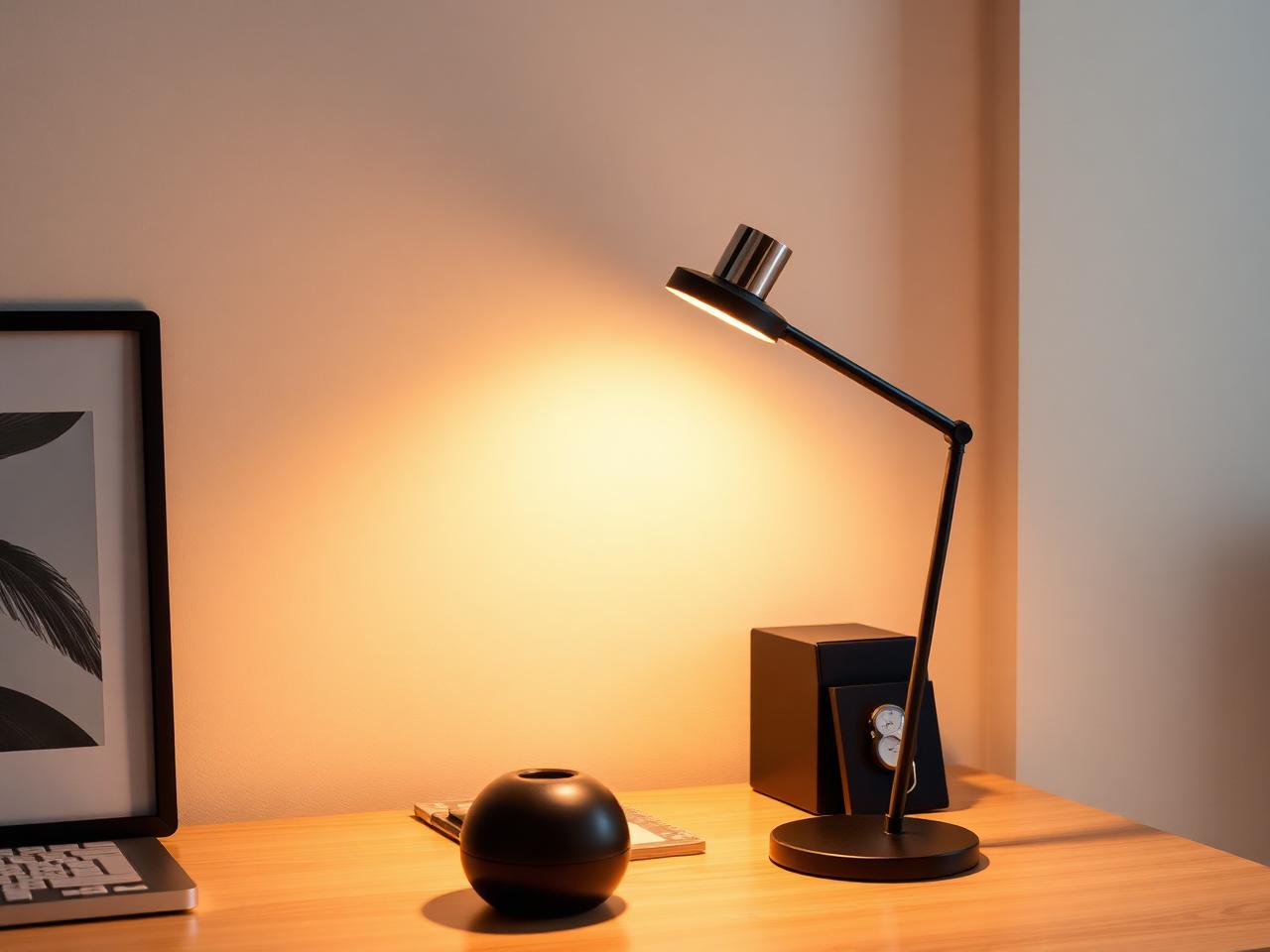
At a desk, place the documents, screen and chair in their normal positions. Notice hand shadows and screen reflections while doing an ordinary task. A decorative accent can stay part of the room, but it should not be presented as a proven work light. Choose a task source by what it does on the working surface.
A hobby room may need another arrangement again. Fabric, a music score and glossy puzzle pieces sit at different angles and create different shadows or reflections. Write the actual activity on the audit sheet. “Needs a lamp” leaves too much undecided; “needs light across the open score from the playing seat” gives the next choice a clear purpose.
Functional spaces are not gaps to fill with decor
In the kitchen, preserve lighting intended for food preparation and other kitchen activities. Do not treat an unused-looking counter as an automatic lamp location. Counters have working clearances and changing uses. If the installed arrangement needs improvement, obtain advice appropriate to the room rather than moving an ordinary decorative lamp into a demanding location.
For bathrooms, separate decorative wishes from lighting and placement requirements for that setting. This guide does not establish wet-location suitability for any lamp. Seek product-specific confirmation and appropriate professional advice instead of assuming a shelf or distance from a basin makes an indoor lamp suitable.
At an entry or hallway, start with the route and its controls. A console accent may be pleasant, but it does not replace the functional visibility needed through the space. Keep passageways clear. For stairs or changes of level, retain appropriate functional lighting and seek qualified advice where improvements are needed.
Prioritise the unresolved jobs
Make a short list with three columns: room, activity, next check. “Bedroom, switching off from bed, check reach” is actionable. “Dining room, serving dinner, inspect table illumination” is another. Avoid assigning a fixed number of lamps before you know which jobs are missing.
Start with a frequently used unresolved activity, then consider decorative additions once the room works for its ordinary routines. Reuse an existing lamp only where its instructions and dimensions fit the proposed location. The next useful step is a room list with one clear question per space, not a purchase for every surface.
The Editor's Notes
Get the Lumière styling notes
One quiet essay a month on layering light and shaping the atmosphere of a room. No noise. Unsubscribe anytime.
The Editor's Notes
One essay. One piece. Once a month.
Quiet dispatches from the studio. Unsubscribe anytime.
For the hour after
For the hour after the overhead light goes off
Shop lamps built for the quiet part of the evening.
Share this guide