Three Lighting Decisions to Revisit Before Replacing a Lamp
Check the purpose, position and documented controls of an existing lamp before deciding that a replacement is needed.
By Lumière Light Studio Editorial
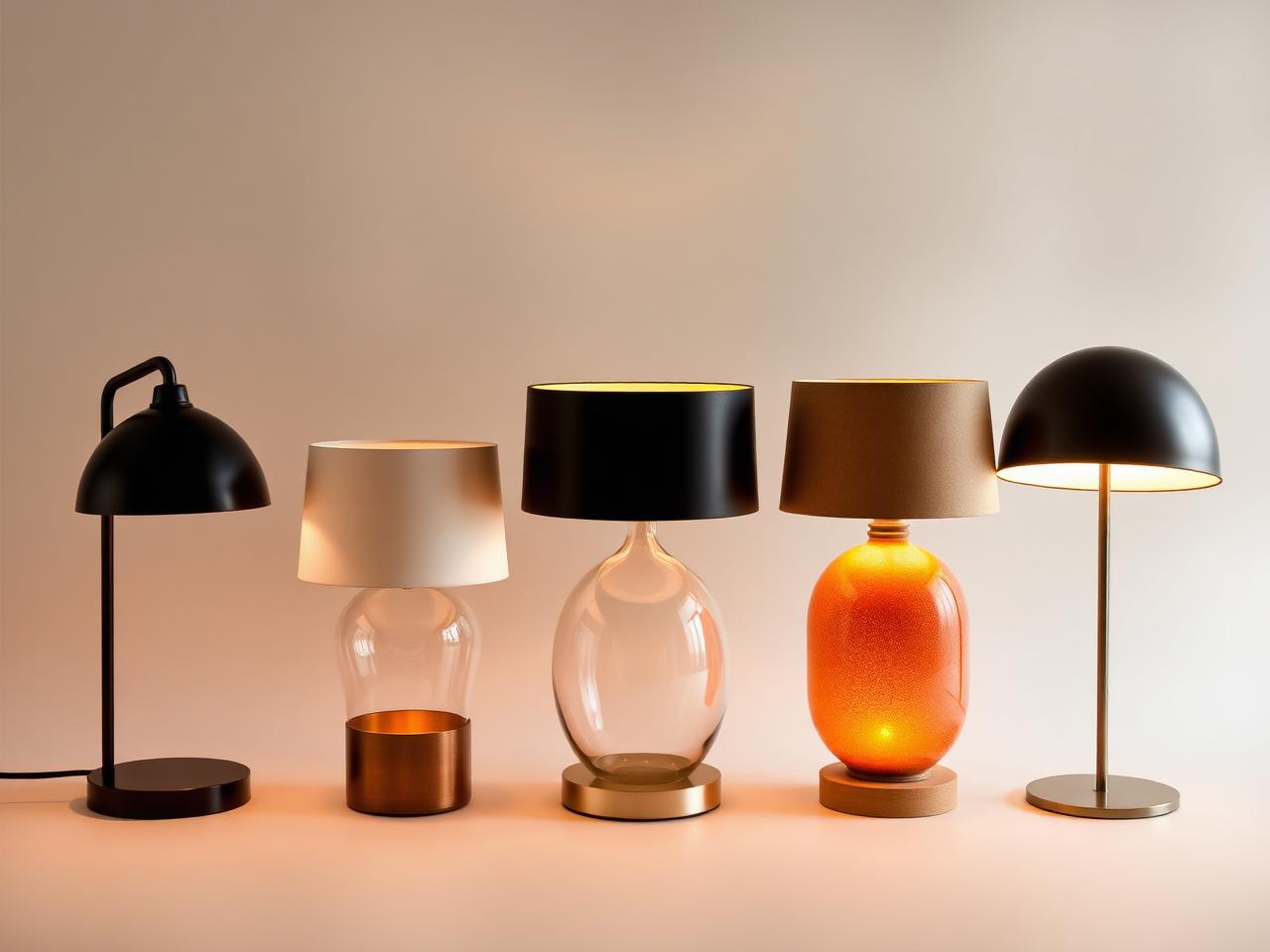
A lamp can look wrong in a room without being the wrong object. It may be asked to do a job it was not chosen for, placed where it interrupts the view, or used with expectations its documented controls cannot meet. Before replacing it, separate those three questions.
This is not a promise that a small change will solve every lighting problem. Sometimes a different lamp is appropriate. The aim is to identify the mismatch first, so that the next decision responds to something you have observed rather than to a photograph of a different home.
Give the lamp one clear job
Start with a plain sentence: this lamp is here to make the console a focal point, to add light beside the sofa, or to illuminate a specific activity. Those are different requests. A decorative glow that looks pleasing across the room does not establish whether a page or a work surface is adequately lit.
Look at the place where you actually use the room. If you are reading, consider the page from your seated position rather than judging the shade from the doorway. If you want a decorative accent, consider the whole arrangement with the lamp switched off as well as on. The object remains part of the room in daylight.
Write down the unmet need without attaching a remedy. “The page is difficult to see” is more useful than “I need a more expensive lamp.” “The shade dominates the console” points to proportion, not a particular material or brand. A precise observation keeps the next choice open.
Check position before changing the object
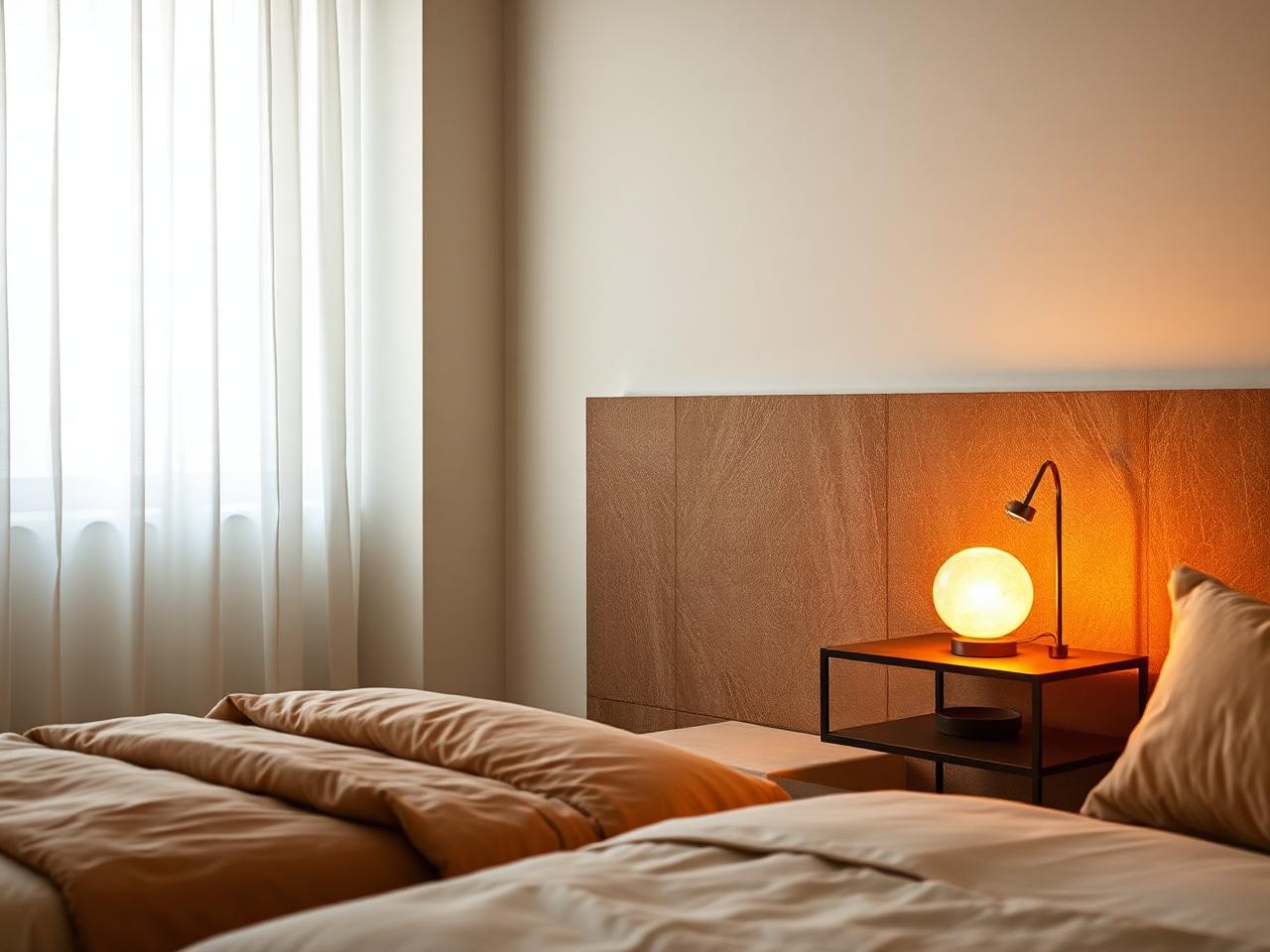
Consider the lamp from the seat, the doorway and the surface where it stands. Does it interrupt a view you value? Is its control easy to reach? Is there enough usable table space left for the things that belong there? These are ordinary placement questions, not measures of design quality.
If a different position is possible within the product instructions, compare it with the original position. Switch off and disconnect before moving the lamp, following its instructions. Choose a stable surface and keep the cable out of walking routes. Do not improvise a raised platform to force the proportions to work.
Change one thing at a time. Moving the lamp, clearing the table and changing nearby decorations together makes it harder to identify what helped. A simple note about the original arrangement can be enough to make the comparison useful.
Use documented controls rather than assumed upgrades
Read the listing and the instructions for the exact lamp. Do they describe the adjustment you want? A familiar-looking control does not establish what it does. Do not add a dimmer, change a power accessory or try an alternative setup simply because another lamp supports it.
If the instructions leave a question unanswered, ask through the current Client Care page. Describe the model and the function you want, rather than requesting a generic accessory. Support can address the specific product; a styling article cannot confirm compatibility.
Finish with a short note: the job, the placement problem and the unanswered specification. If a replacement still makes sense, use that note as your brief. It is a more dependable starting point than price, a dramatic before-and-after image or a promise that one lamp will transform daily life.
The Editor's Notes
Get the Lumière styling notes
One quiet essay a month on layering light and shaping the atmosphere of a room. No noise. Unsubscribe anytime.
The Editor's Notes
One essay. One piece. Once a month.
Quiet dispatches from the studio. Unsubscribe anytime.
For the hour after
For the hour after the overhead light goes off
Shop lamps built for the quiet part of the evening.
Share this guide