When a Lamp Looks Different at Home
Compare the exact variant, dimensions and viewing conditions. Record the difference without assuming a defect or dismissing your preference.
By Lumière Light Studio Editorial
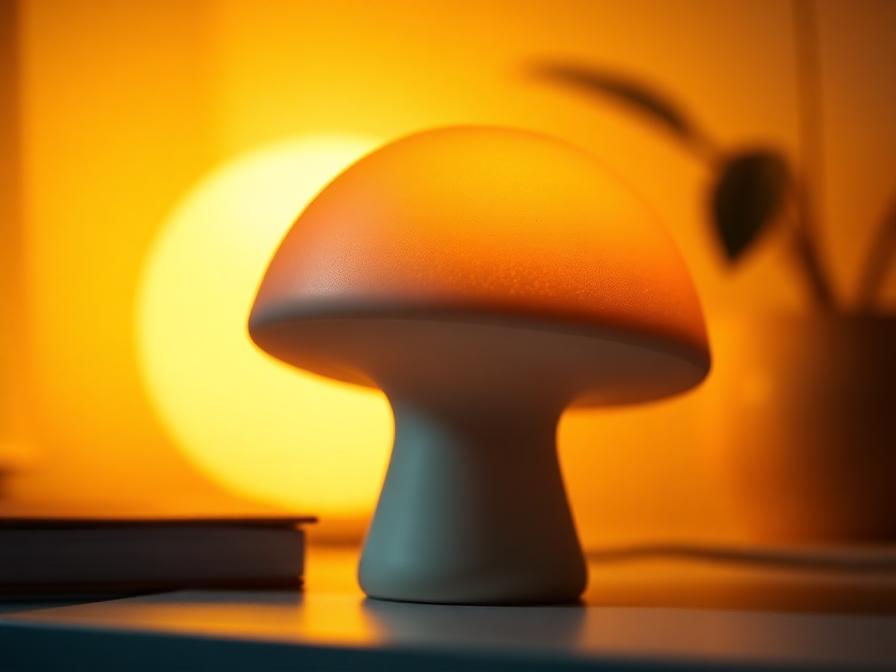
The lamp is on the table, but it is not quite the object you imagined from the listing. Perhaps the color seems different, the shade looks larger or the finish is more noticeable. You can take that reaction seriously without immediately deciding that the item is faulty or that you chose badly.
Begin by describing the difference in ordinary words. “The shade looks wider beside this chair than I expected” gives you something specific to compare. “It looks wrong” is a valid first reaction, but it leaves several different questions tangled together.
Confirm that you are comparing the same item
Check the order record against the listing for the exact model and variant. Read any stated finish, color and dimensions. If a page offers several versions, make sure the photograph you are using corresponds to the one you ordered rather than a neighboring option.
Compare the listed dimensions with the space you intended to use. A dimension tells you about size, while a styled photograph also includes surrounding furniture whose measurements you may not know. Do not infer a mismatch solely because the lamp occupies more of your table than it occupied in an image.
If an accessible external measurement would help, take it only where safe and without dismantling anything. Follow the instructions for switching off and disconnecting before moving the lamp. If damage is visible, do not power it or continue a styling comparison; check the current Returns page instead.
Record the conditions instead of diagnosing the difference
Look at the lamp unlit in the intended place. Then, only if it is undamaged and set up as instructed, consider it in normal use. Note which state you are comparing with the listing. An illuminated product image and an unlit object are not the same view.
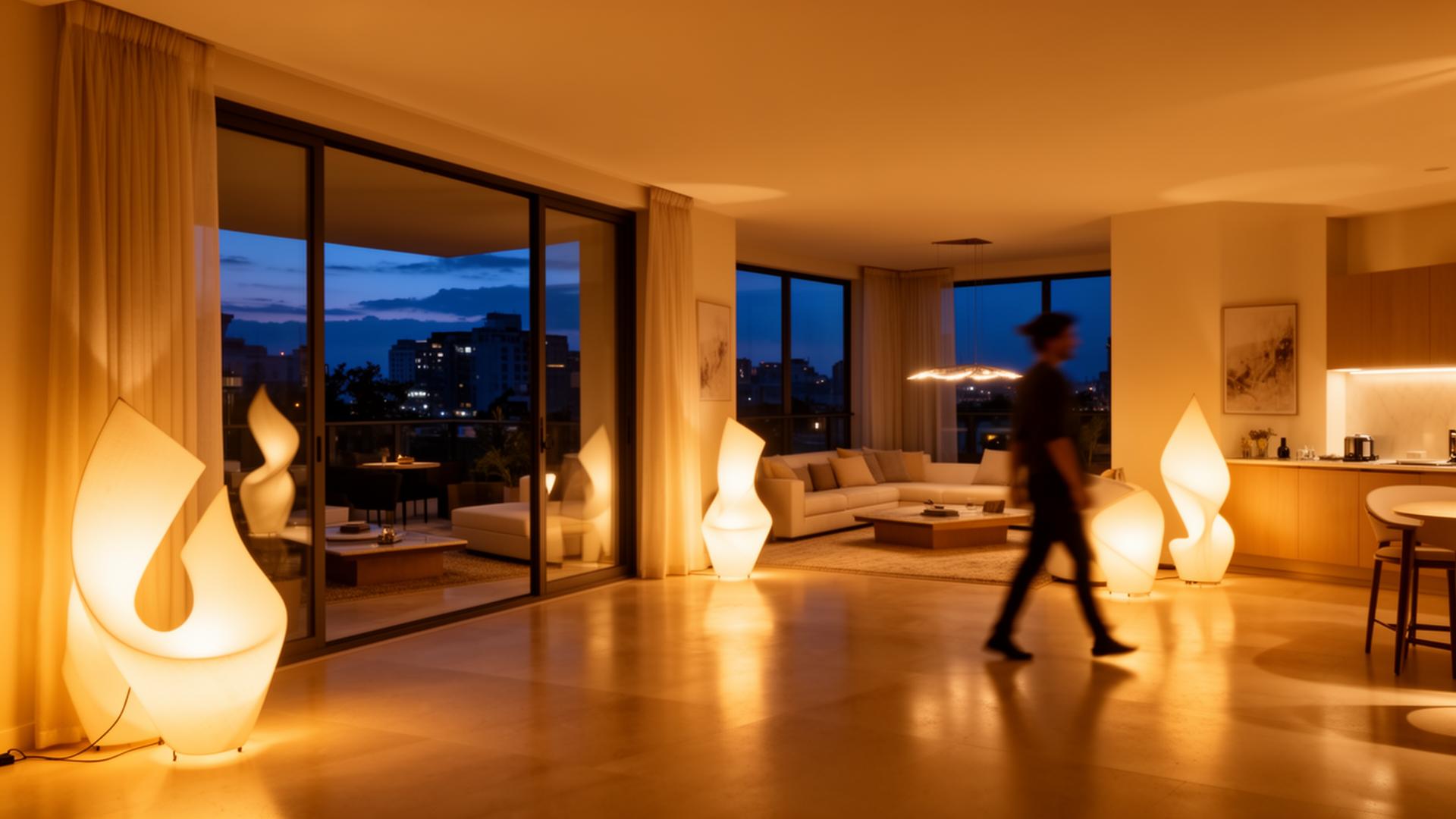
Describe the setting: daylight or room lighting, the nearby wall color and the angle from which you are looking. These notes provide context. They do not prove that the room caused the difference or that the lamp has a fault.
If you take photographs for support, include an overall view and a closer view of the specific detail. Avoid filters and dramatic edits. Treat the photograph as a record of your concern, not a test that certifies the finish or light output. You do not need to resolve a technical explanation before asking a question.
Separate a listing question from a preference question
If the supplied item appears not to match the ordered variant or a stated detail, send that specific comparison to support. Include the order reference and explain what you expected from the listing. Ask for clarification without naming an unverified cause.
If the model and stated details match but you do not like the result in the room, that is still a useful conclusion. You do not have to manufacture a defect to explain a preference. Check the current Returns page before deciding on an action; this guide does not determine eligibility.
For an unresolved product question, use the current Client Care page. A concise description might identify the variant, the detail that looks different and the conditions in which you noticed it. Finish by choosing that one question to send, rather than repeatedly rearranging the room in search of proof. A calm comparison should clarify your decision, not talk you out of what you can see or what you prefer.
The Editor's Notes
Get the Lumière styling notes
One quiet essay a month on layering light and shaping the atmosphere of a room. No noise. Unsubscribe anytime.
The Editor's Notes
One essay. One piece. Once a month.
Quiet dispatches from the studio. Unsubscribe anytime.
For the hour after
For the hour after the overhead light goes off
Shop lamps built for the quiet part of the evening.
Share this guide