Calm, Low-Glare Light for a Conversation Space
Plan light around both seats, keep bright sources out of direct view, and leave enough light to see faces and surroundings.
By Lumière Light Studio Editorial
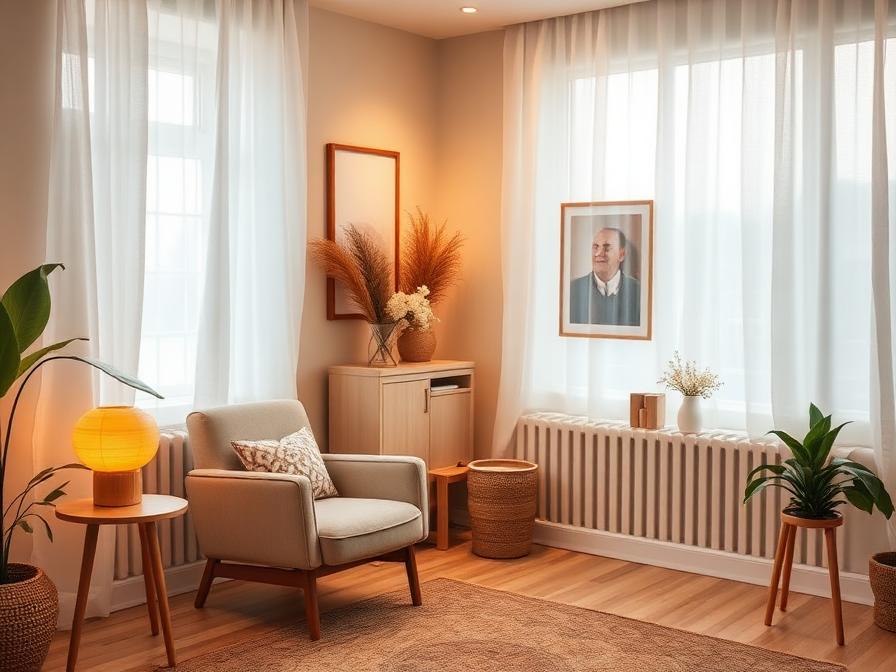
Two chairs can share a corner without sharing the same view of its lamp. From one seat the shade may look soft; from the other, its bright opening may be directly visible. A conversation space works better when its lighting is considered from both positions, not just from the entrance.
Calm here describes a restrained visual setting. It is not a promised emotional response or a professional lighting protocol. Preferences differ, and the useful goal is straightforward: see the other person and the surrounding room without a bright source dominating the view.
Give both seats an unobstructed view
Begin with the line between the seats. A lamp on the table between them may interrupt faces or require someone to look past a bright shade. Moving the light to a nearby side surface can leave that shared view more open, provided the new position works from both chairs.
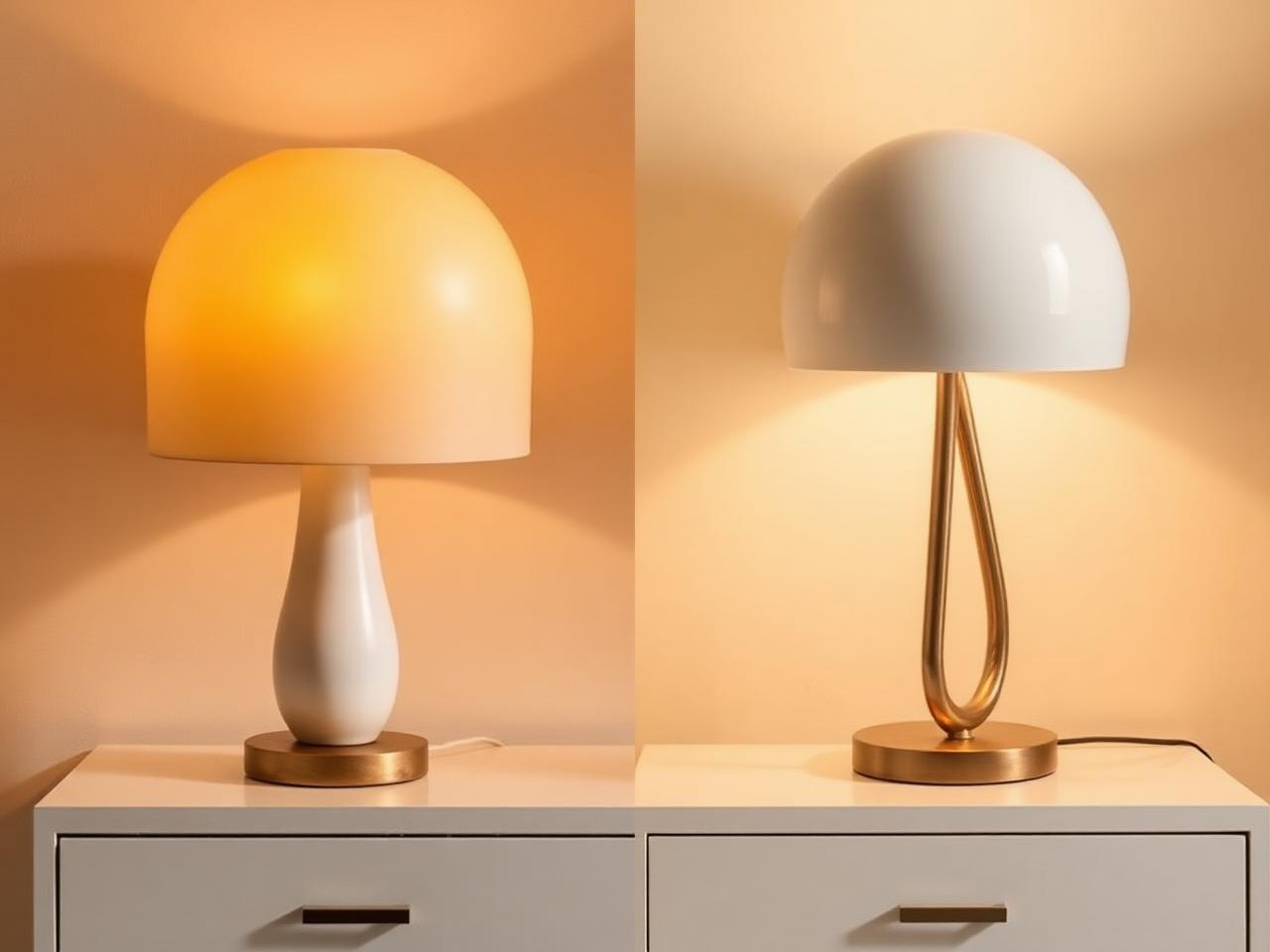
Sit in each place before deciding. Look towards the other seat, then towards the lamp and the path out of the corner. Check whether the source is exposed under the shade, whether it reflects in nearby glass, and whether a dark background makes the shade seem especially prominent.
Height is a relationship rather than a fixed rule. A tall lamp may conceal its source from one chair yet reveal it from another. Shade shape, table height and the way someone sits all matter. Judge the actual seated view instead of relying on a single recommended measurement.
Keep faces visible without making the lamp the focus
A source to one side can bring light onto faces, but a strong one-sided arrangement may leave the opposite side dark. Existing general light can provide balance. There is no requirement to switch off the ceiling fitting if it helps the room remain legible.
Low light is not the same thing as low glare. A small, exposed bright point in a dark corner can still draw attention. Look at whether the shade conceals the source from the seats and whether a wider area of the room remains visible. Dimming alone may not resolve an awkward direct view.
A nearby wall can provide a quiet visual background when it receives some light. Judge the result in your own space: wall colour and finish affect how that background appears. Keep any lamp within its intended placement and operating instructions rather than redirecting it through improvised alterations.
Choose the evening setting together
Warm low light reads as calmer to many people in the evening, but it is not a universal preference. Ask what level and tone each person finds useful. A space used for conversation and occasional reading may need different combinations of lights rather than one setting expected to do everything.
If a lamp offers brightness adjustment, verify that the current product description explicitly says so. Touch control alone does not identify what is adjustable. A fixed-brightness source may still work well if its normal setting suits the corner and other lights can be used independently.
Keep the final arrangement simple enough to use. Check that the controls are reachable and that the surface still holds the everyday objects it needs to hold. Try a normal conversation from both seats, then make one placement adjustment if necessary. The next step is a shared view that works in practice, not a claim that a room can produce a particular state of mind.
The Editor's Notes
Get the Lumière styling notes
One quiet essay a month on layering light and shaping the atmosphere of a room. No noise. Unsubscribe anytime.
The Editor's Notes
One essay. One piece. Once a month.
Quiet dispatches from the studio. Unsubscribe anytime.
For the hour after
For the hour after the overhead light goes off
Shop lamps built for the quiet part of the evening.
Share this guide