Why Overhead-Only Light Can Look Flat on Faces
Light direction changes the shadows on a face. Compare overhead-only light with a broader side source, without treating the reflection as a health assessment.
By Lumière Light Studio Editorial
A face can look quite different under a ceiling light and beside a window. The features have not changed; the direction and distribution of light have. Overhead-only light may leave the front of a face looking unevenly lit, with bright areas above and stronger shadows beneath projecting features.
That appearance is a lighting question, not evidence that a light is damaging skin. It is also not a reliable way to assess health or appearance outside that setting. The practical aim is to see a face more evenly, without replacing useful visibility with a dim decorative glow.
Top-down light leaves some areas in shadow
A source above the head reaches the upper surfaces of a face more directly than the areas beneath the brow, nose and chin. Depending on the fitting and surrounding light, those shadows can look pronounced. The result may be described as flat or harsh, although the actual issue is often an imbalance between bright and shaded areas.
Not all ceiling fixtures create the same view. A broad, shaded fitting in a room with light walls differs from a small exposed source against dark surroundings. There is no reason to condemn the whole category. Keep overhead light if it is useful, and assess what another direction could add.
Look from the position that matters. For conversation, this means the view between seats. For a mirror, it means your ordinary standing position. An assessment made from directly beneath a fitting may not describe either of those everyday views.
A broader side source can fill the darker areas
Light arriving from the front-side of a face can reach areas that the overhead source leaves shaded. A broad source may produce a more gradual transition between light and shadow than a small exposed point. The goal is fill, not a second bright spot aimed at someone’s eyes.
One strong side source can create its own pronounced shadow on the opposite side. More side light is therefore not automatically more even light. Check both sides of the face and the brightness of the source itself. A little existing general light may help the two directions work together.
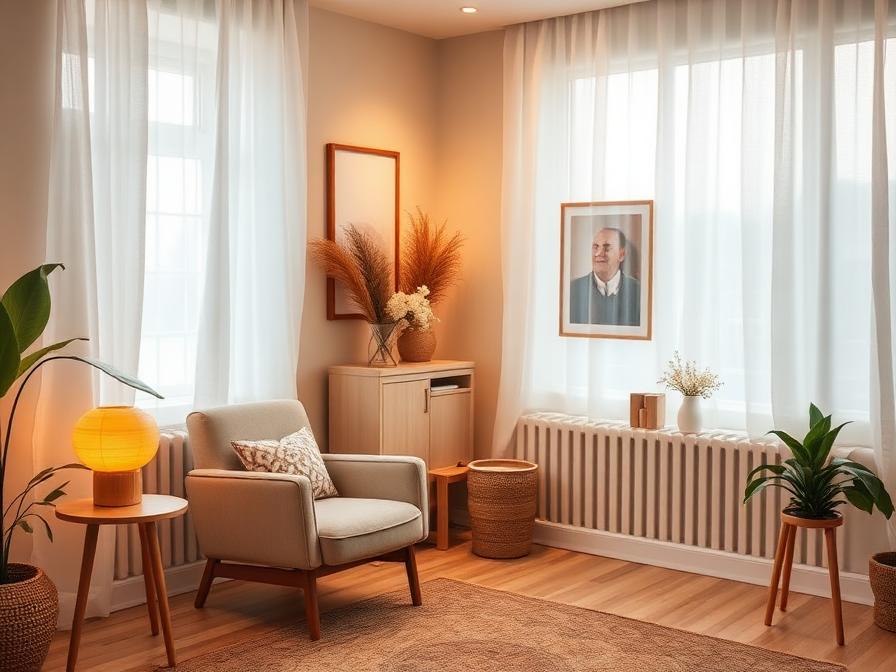
In a dry conversation area, an existing shaded lamp can help you compare the effect of side light. Keep it on a suitable stable surface and within its intended use. Do not turn that trial into a reason to place a decorative lamp in a bathroom.
Separate mirror planning from decorative placement
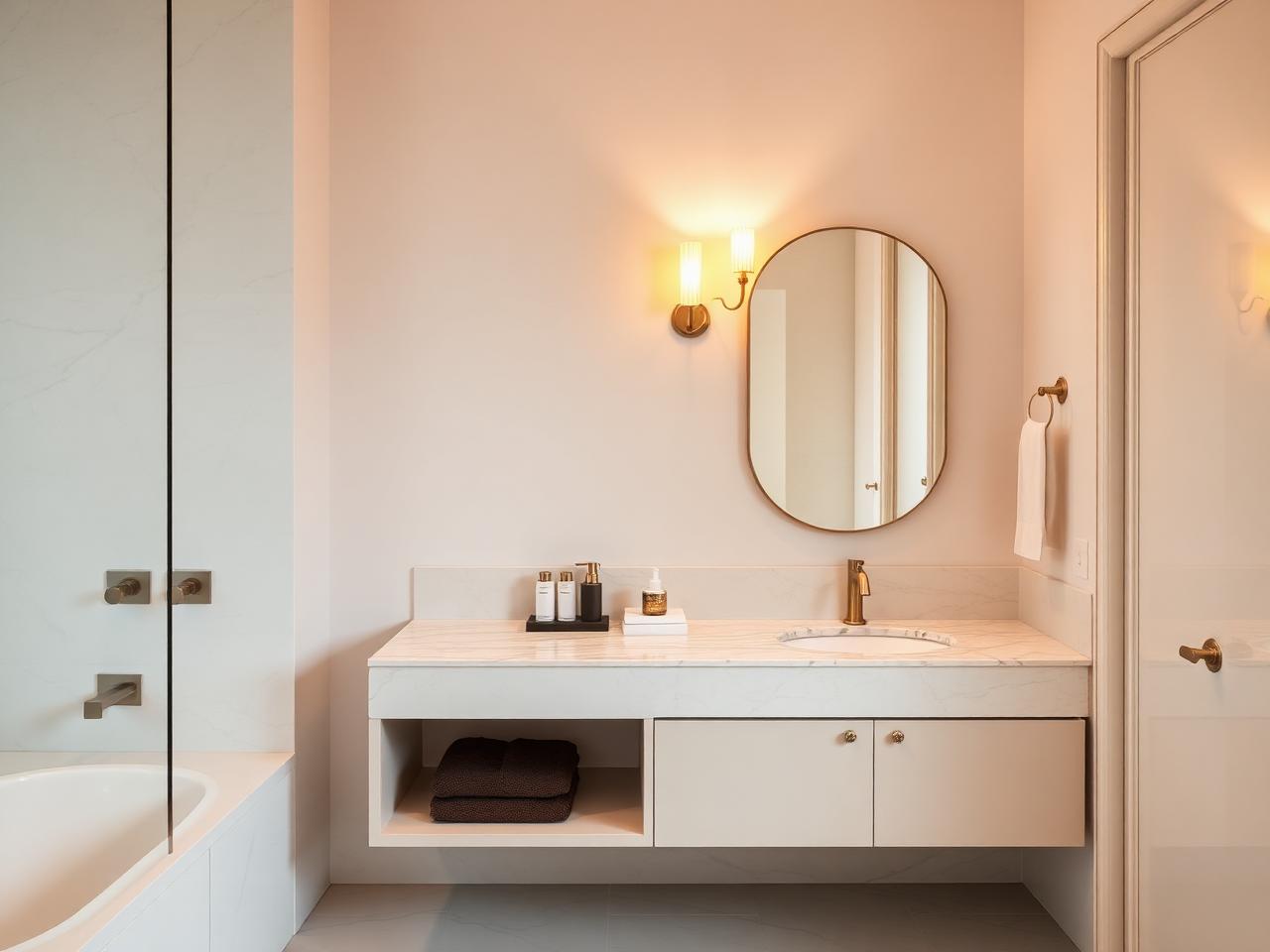
Fixed bathroom fixtures and anything near water need products rated for that location and qualified installation; decorative table lamps are not for wet areas. If the issue is a bathroom mirror, describe the shadow pattern to a qualified installer rather than improvising with a lamp on the counter.
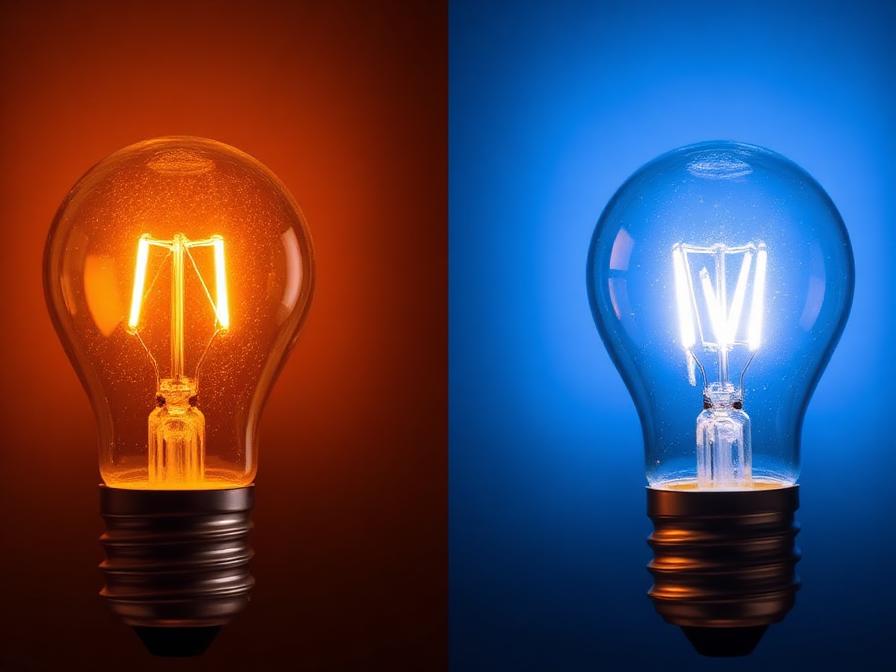
Colour temperature is a separate consideration. Lower Kelvin reads warmer and higher Kelvin reads cooler, but neither establishes accurate colour rendering. A change in tone does not correct every directional shadow, and a flattering impression is not proof of an accurate reference.
For a useful comparison, keep your position and the surrounding lights similar while adding or removing one existing source in an appropriate dry area. Notice the shadows, visible glare and whether both faces remain easy to see. Use that observation to define the missing direction of light, not to make a judgment about the person in it.
The Editor's Notes
Get the Lumière styling notes
One quiet essay a month on layering light and shaping the atmosphere of a room. No noise. Unsubscribe anytime.
The Editor's Notes
One essay. One piece. Once a month.
Quiet dispatches from the studio. Unsubscribe anytime.
For the hour after
For the hour after the overhead light goes off
Shop lamps built for the quiet part of the evening.
Share this guide