A Simple Evening Lighting Reset
Use a repeatable handover between practical lighting and your preferred evening arrangement, without a timer or a promised result.
By Lumière Light Studio Editorial
An evening lighting reset can be an ordinary household action, like putting a book back or clearing a chair. Its purpose is to leave the room ready for what you want to do next. It does not need a stopwatch, an exact start time or an explanation about what it will do to your body.
The most useful reset is the one that fits the room you already have. Instead of buying a special lamp first, decide which lights you want available for the next activity and which can be switched off. Keep the process short enough to be convenient, but allow whatever time it actually takes.
Prepare the next activity before changing the light
If you are moving from dressing to reading, put the book and any glasses where you use them. If you are leaving the room, keep the route to the door visible. The reset should follow the activity, not replace practical judgment with a rule that the entire home must become dim.
Turn on the source needed for the next activity before turning off another. This makes it possible to see whether the new arrangement provides useful visibility. If it does not, retain the light you need rather than continuing simply because it was part of the intended sequence.
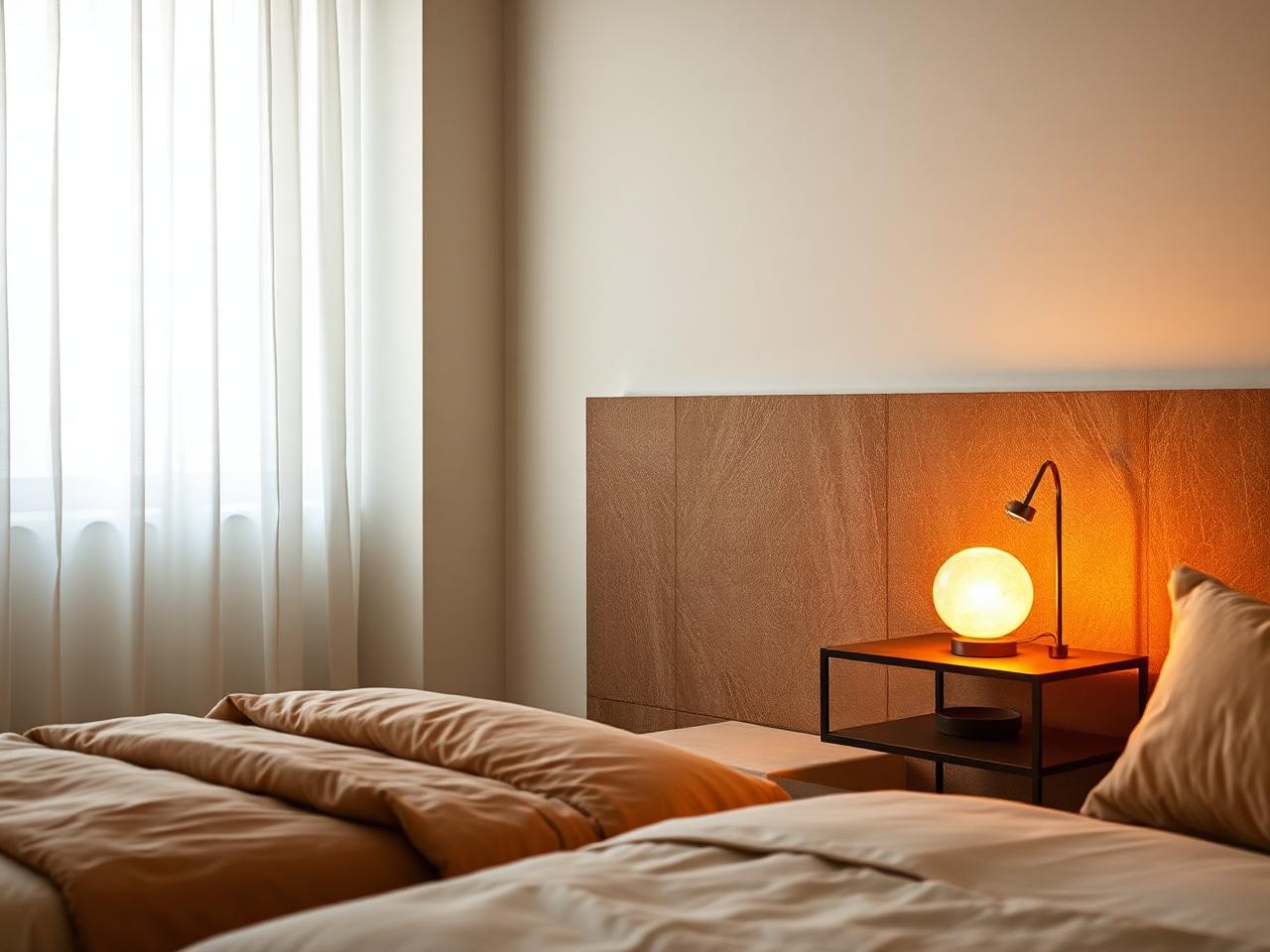
A decorative lamp may contribute to the look of the room without being enough for reading or finding small objects. Keep those roles separate. A visible glow in the corner is not evidence that the page, bedside surface or route across the room is adequately lit.
Make the handover workable for the people present
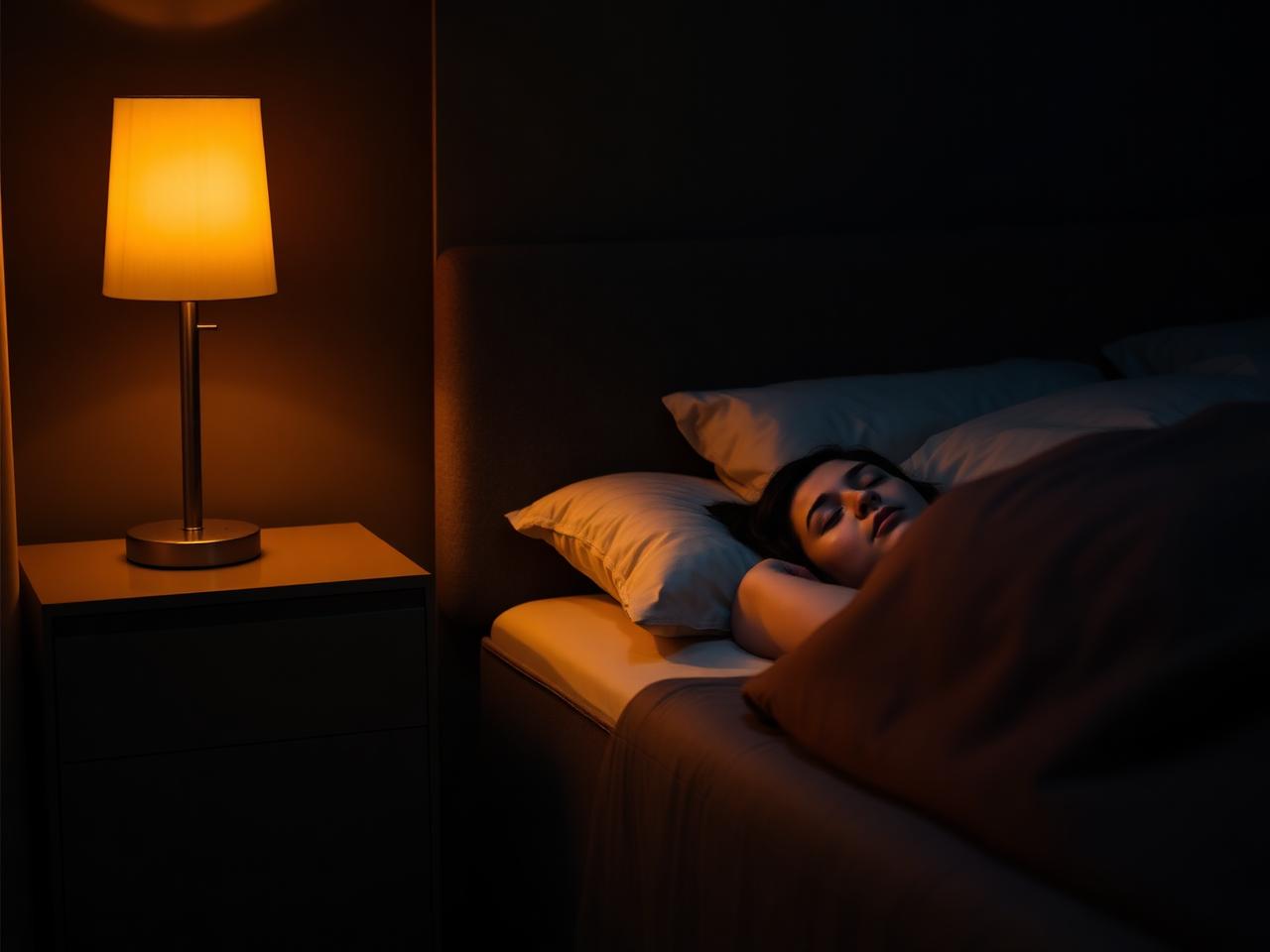
In a shared bedroom, agree the sequence rather than assuming both people want the same thing at the same time. One may still be getting dressed while the other is reading. Local lighting and an available general source may accommodate that situation better than one shared low-light setting.
Use the controls the lamps actually have. If adjustable brightness is confirmed, select a level that suits the current activity. A fixed-brightness lamp has a different role; there is no need to pretend it has intermediate settings. Do not add unverified accessories to create a control function the listing does not promise.
Check that the switch can be reached without moving the lamp, pulling its cable or reaching across nearby objects. A repeatable reset depends on convenient operation more than on an elaborate arrangement. Keep lamps on suitable stable surfaces and follow their setup and placement instructions.
Leave useful options available
A reset is not a commitment to one lighting arrangement for the rest of the evening. You can turn the general light back on to find something or finish a task. You can also prefer a brighter room. The value of the sequence is clarity about what is available, not strictness about what stays off.
Try the handover once during an ordinary evening. Note the awkward step: perhaps a control is hidden, the page remains dark or someone has to cross the room unnecessarily. Change that step before adding more actions. Speak to a medical professional if you have concerns about sleep.
Finish with a simple personal instruction, such as putting the book in place and choosing the light needed to read it. That is a usable routine without a time limit or an outcome promise.
The Editor's Notes
Get the Lumière styling notes
One quiet essay a month on layering light and shaping the atmosphere of a room. No noise. Unsubscribe anytime.
The Editor's Notes
One essay. One piece. Once a month.
Quiet dispatches from the studio. Unsubscribe anytime.
For the hour after
For the hour after the overhead light goes off
Shop lamps built for the quiet part of the evening.
Share this guide