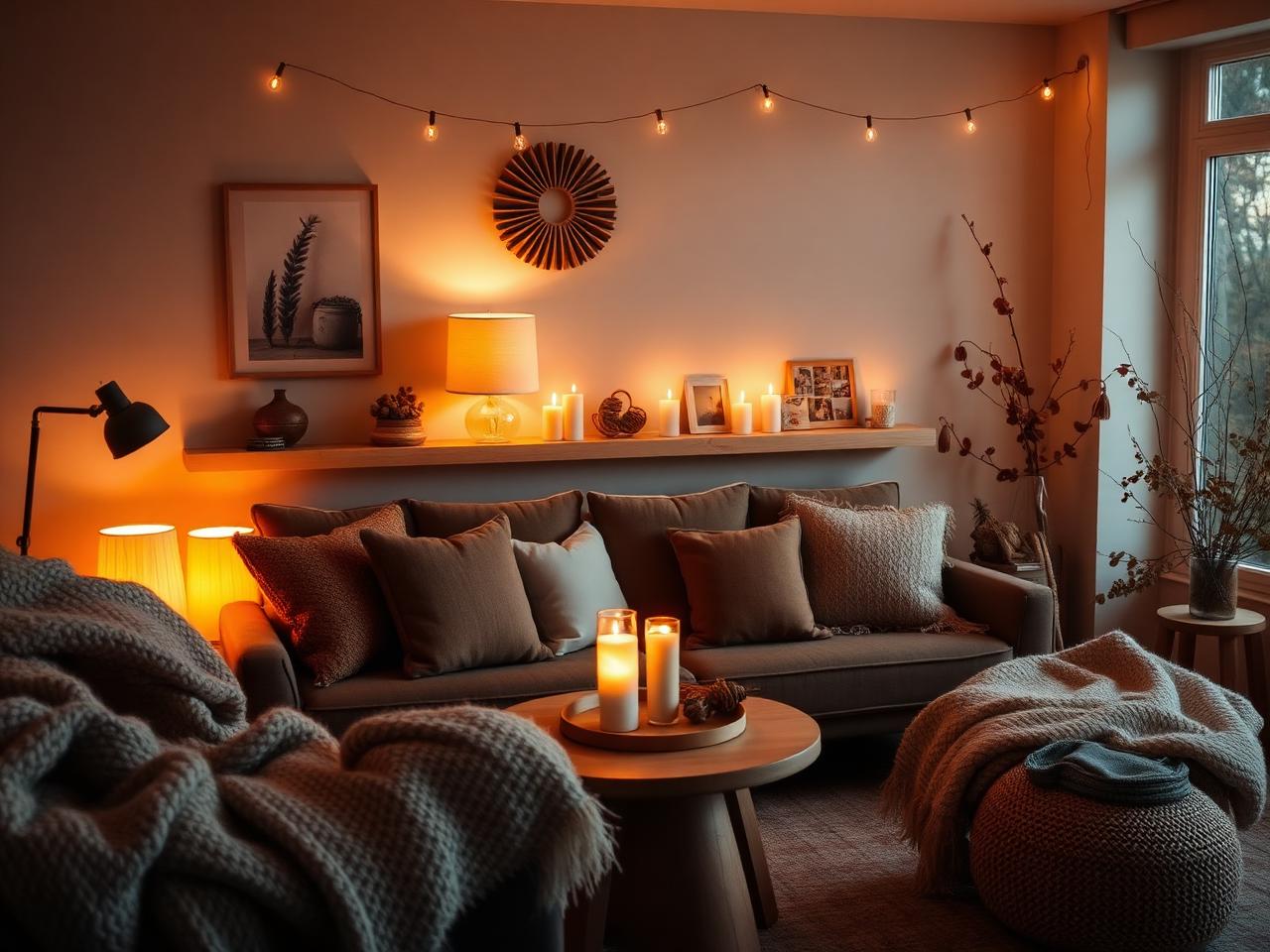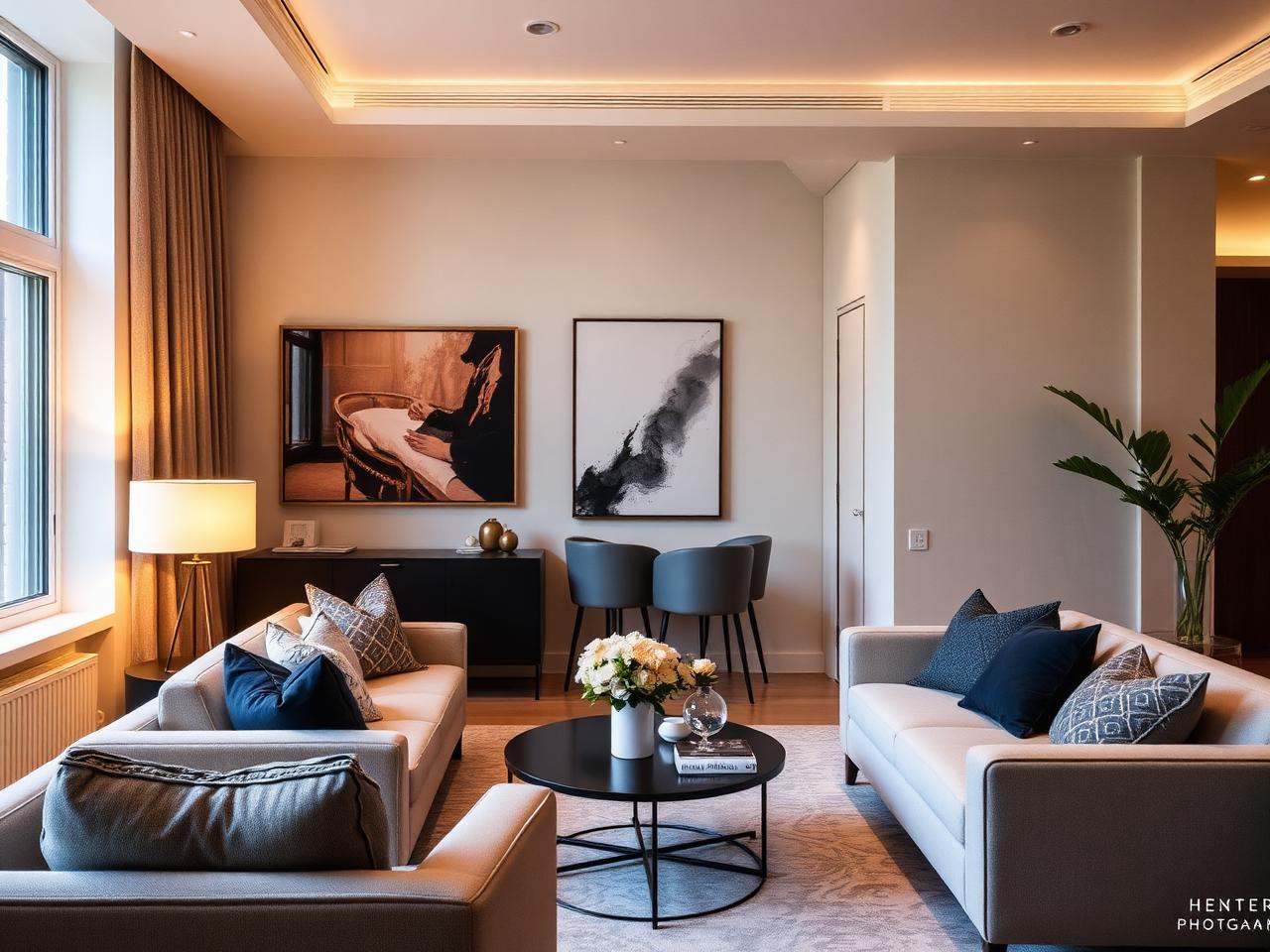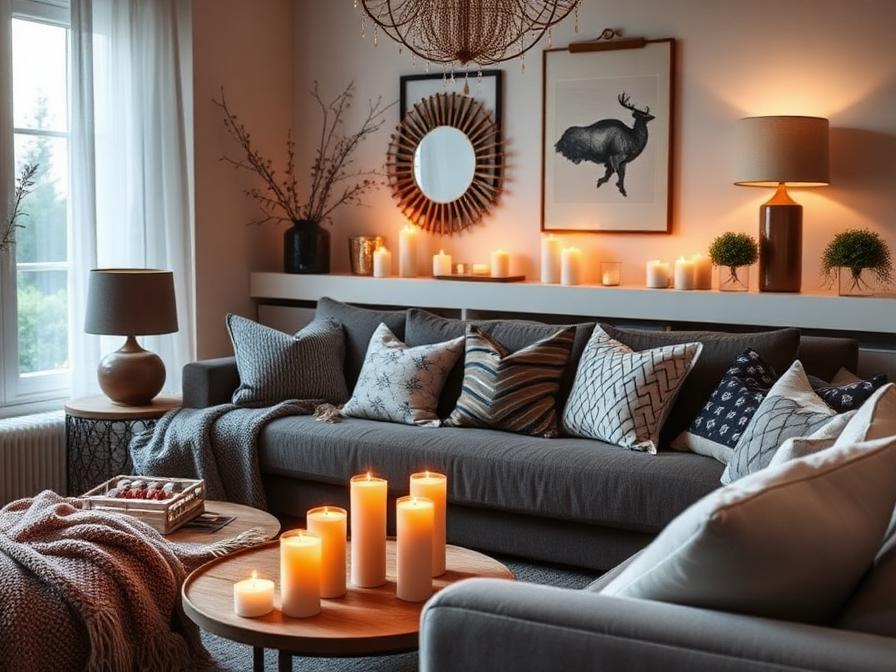
Scandinavian-Inspired Lighting: Plan for a Long Evening
Build a useful evening lighting arrangement around seating, movement, and reachable controls, without relying on national stereotypes.
By Lumière Light Studio Editorial
An evening room has several jobs. You might talk on the sofa, cross to the kitchen, look for a book, and return to the same seat. A lighting arrangement that looks inviting from the doorway may still leave one of those actions awkward.
Scandinavian-inspired interiors can provide a visual reference for simple forms and pools of light. That does not mean homes across several countries follow the same plan. Here, the useful question is narrower: how can a room stay comfortable to use throughout a long evening?
Start with an evening route, not a lamp count
Walk through the sequence you normally follow. Note the entry, the seat, the surfaces you reach, and the route out. Include the places other people use. A plan drawn around one attractive corner may neglect the rest of the room.
Keep existing illumination where it helps you move or find things. Ceiling lighting can remain part of the arrangement. It need not be treated as the opposite of atmosphere, particularly when a room serves several activities.
Next, mark any gap in use rather than any gap in decoration. A table that is difficult to see or a seat facing an exposed source is a more useful starting point than an empty shelf. More lamps are not necessarily the answer to either problem.
Give each source a distinct role
One source might make the background visible; another may serve an activity. Two lights close together can look balanced while doing much the same job. Before adding either, ask what would be lost if it were switched off.
For a decorative lamp, consider whether its contribution is primarily the illuminated shade, the surface it lights, or its daytime shape. This keeps the choice specific. It also prevents a pleasing accent from being mistaken for sufficient light for reading or other detailed work.
There is no required number of sources. A compact room and a room with several seating areas ask different questions. Add only when you can name the missing role and identify a suitable location for it.
Check the arrangement from every regular seat
Sit where each person normally sits. A shade that conceals the source from one chair may reveal it from another. Reflective furniture and screens can also repeat a bright point into a different view.
If something is distracting, try another suitable position before changing the entire plan. Keep the lamp on a stable surface and respect its placement instructions. Check the cable route at the same time; a visually pleasing position is not useful if the cable crosses a walking route.
Reach matters too. Can the person using the seat operate the light without moving furniture or leaning across objects? If not, consider a different position or product control arrangement, verified in the listing.
Judge the room during its actual routine
Use the lights together during an ordinary evening. A quiet background may suit conversation but not every other activity. Keep the options that make those transitions straightforward rather than insisting on one permanent scene.
Candles are not a requirement for this approach. Nor is a specific colour temperature a test of cultural authenticity. Begin with one regular seat tonight: check visibility, direct glare, and access to controls, then change the weakest part of that arrangement.
The Editor's Notes
Get the Lumière styling notes
One quiet essay a month on layering light and shaping the atmosphere of a room. No noise. Unsubscribe anytime.
The Editor's Notes
One essay. One piece. Once a month.
Quiet dispatches from the studio. Unsubscribe anytime.
For the hour after
For the hour after the overhead light goes off
Shop lamps built for the quiet part of the evening.
Share this guide