An Evening Bedroom Setup for Different Activities
Plan separate lighting arrangements for dressing, reading and quiet evenings. Choose by visibility and preference, not promised sleep results.
By Lumière Light Studio Editorial
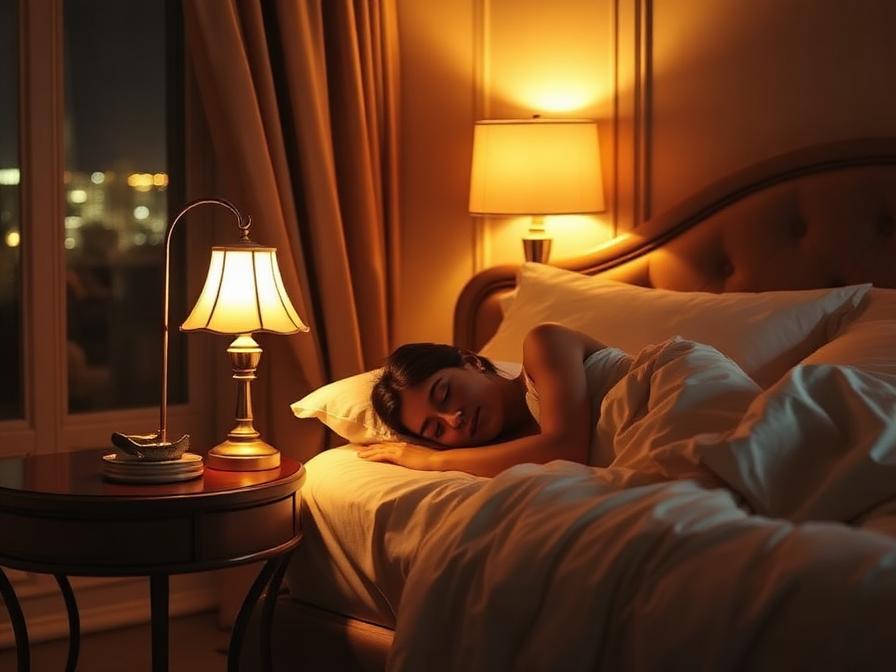
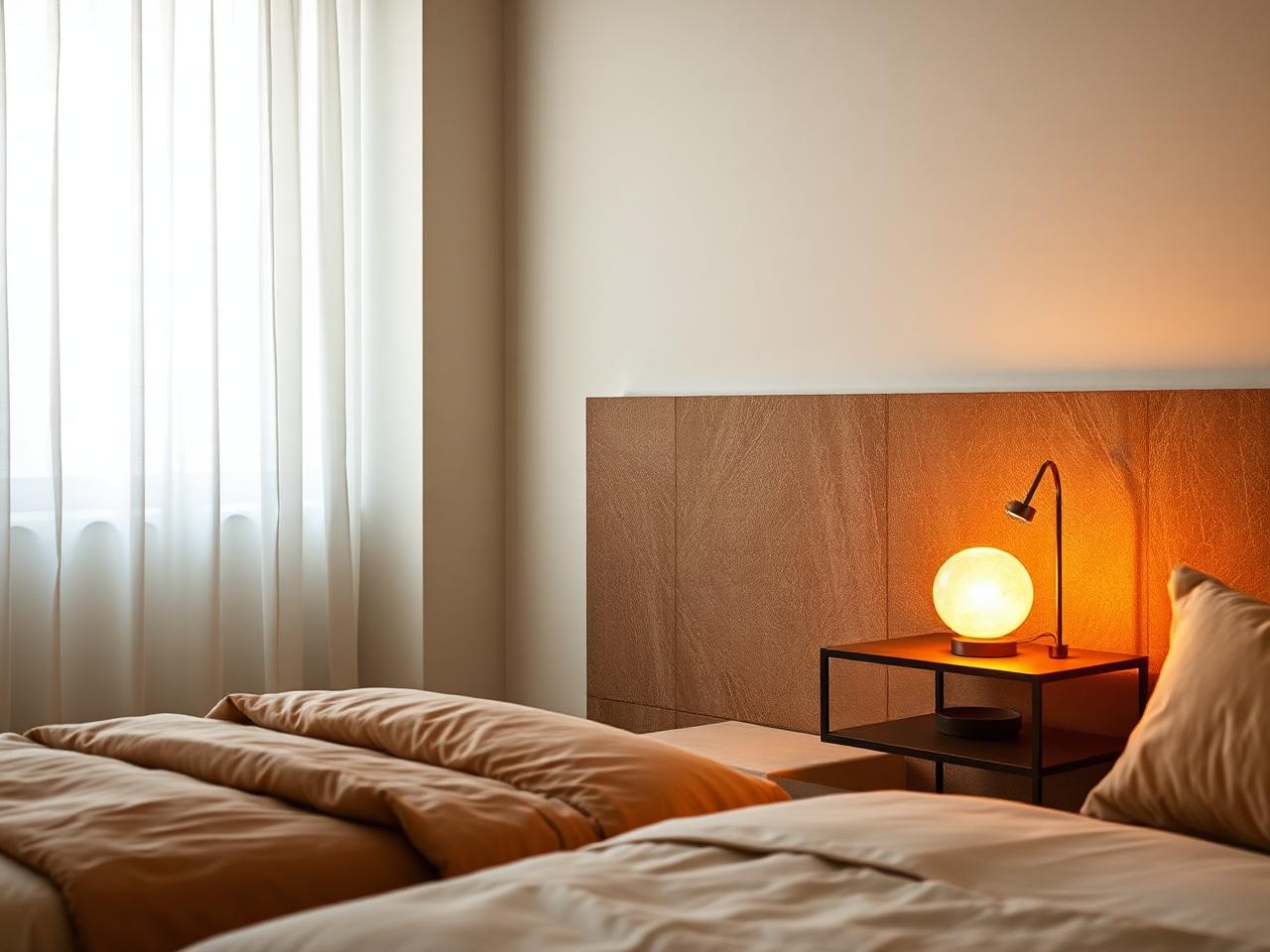
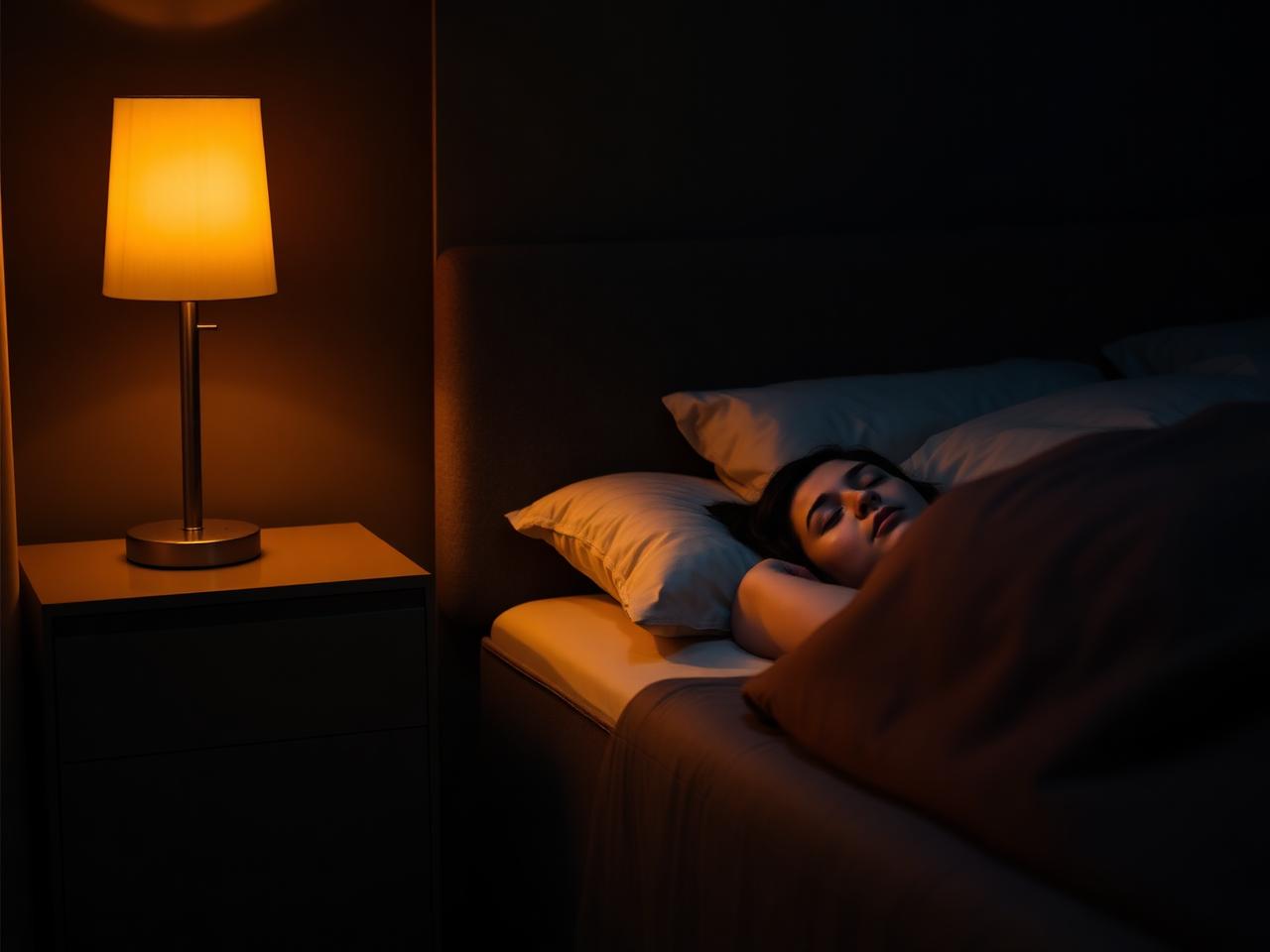
The bedroom can host several activities before the lights go out. Putting clothes away needs a different view from looking at a book, and both differ from simply enjoying a softly lit room. Treating those moments as separate arrangements is more useful than searching for one supposedly ideal evening lamp.
This is a guide to room use and visual preference. It does not prescribe a treatment or a bedtime schedule. If you have concerns about sleep, speak to a medical professional. The practical decisions here are where light is needed, what is visible from bed and how the arrangement is controlled.
Describe the activities before choosing settings
List what you actually do in the bedroom during an ordinary evening. Keep the list concrete: find tomorrow's clothes, read a chapter, put a phone down, cross to the door. These actions make it easier to judge whether an arrangement works than a broad instruction to make the room relaxing.
For each activity, identify what must be visible. Choosing clothes may call for the existing general lighting. Reading needs useful light on the page from your normal posture. A decorative glow may suit the room's appearance while doing neither of those jobs well enough on its own.
Do not remove useful lighting because it seems inconsistent with an evening aesthetic. Keep a brighter option available when needed. A bedroom does not need to remain uniformly dim to have a considered arrangement, and the ceiling fixture can remain part of the plan.
Build configurations around real positions
Check the room from the place you will occupy, not only from the entrance. Sit on the bed with the pillows as you use them. Look toward the proposed lamp position, then check the view while reclining. Notice whether the source is exposed or its reflection appears in a nearby mirror.
If two people use the room, check both sides. A source that is hidden from one pillow can be conspicuous from the other. Plan each person's practical lighting separately where possible, and agree which shared sources will be used during different activities.
Brightness adjustment is useful only when the lamp provides it and the available settings suit the job. A fixed-output lamp may still have a decorative role. Confirm the controls for the exact model instead of assuming that a touch surface changes brightness or that a lamp remembers its last setting.
Keep the transition simple and reversible
Once the arrangements are clear, choose an easy order for changing between them. Turn on the next useful source before turning off the previous one. Keep enough visibility for the route to the bed and any furniture you need to access. There is no required duration for this transition.
Place lamps only on stable, suitable surfaces and follow their instructions. Keep controls accessible without reaching around a shade or shifting objects. Check cables as part of the arrangement rather than treating them as something to hide later.
For a first trial, use the lights already available and choose just two configurations: practical tasks and the quieter-looking room you prefer afterward. Notice what each one fails to illuminate. Resolve that specific gap before considering a new lamp; no measured change in sleep is needed to evaluate whether a room is convenient to use.
The Editor's Notes
Get the Lumière styling notes
One quiet essay a month on layering light and shaping the atmosphere of a room. No noise. Unsubscribe anytime.
The Editor's Notes
One essay. One piece. Once a month.
Quiet dispatches from the studio. Unsubscribe anytime.
For the hour after
For the hour after the overhead light goes off
Shop lamps built for the quiet part of the evening.
Share this guide