Lighting Ideas to Consider in 2026: Choose for Your Room
A practical way to assess sculptural shapes, colour, texture, and lighting controls without treating a trend as a requirement.
By Lumière Light Studio Editorial
A lamp can look current in a photograph and still be awkward beside your sofa. A broad shade may occupy the space you use for a drink. A striking silhouette may block artwork. Before adopting a lighting idea, give it a job and a place in your own room.
This is a selection of directions to consider in 2026, not a ranked forecast or a claim about what most homes contain. Shapes and finishes can be useful prompts. Their popularity does not tell you whether they work for your daily routine.
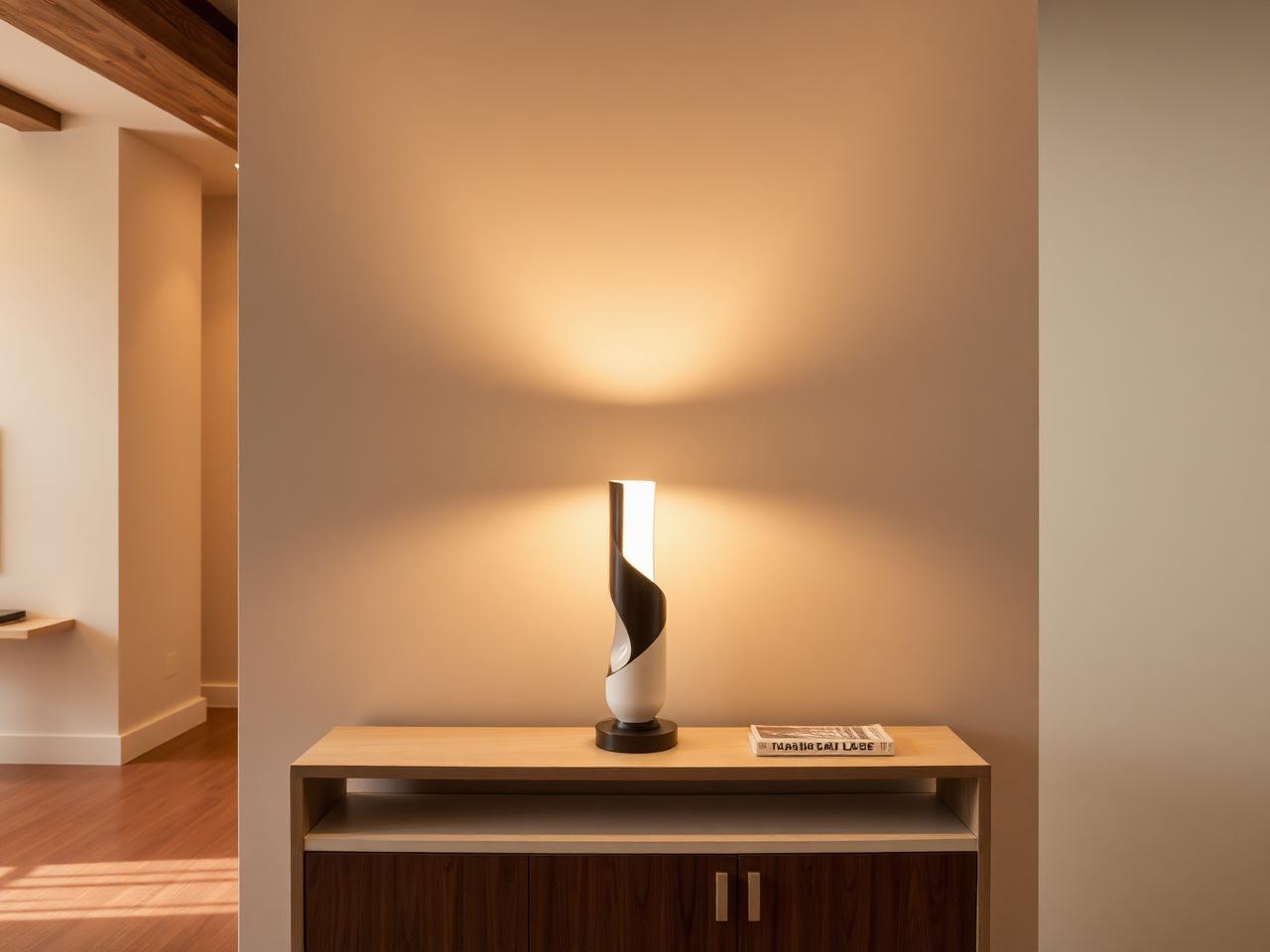
A sculptural shape needs a clear reason to be there
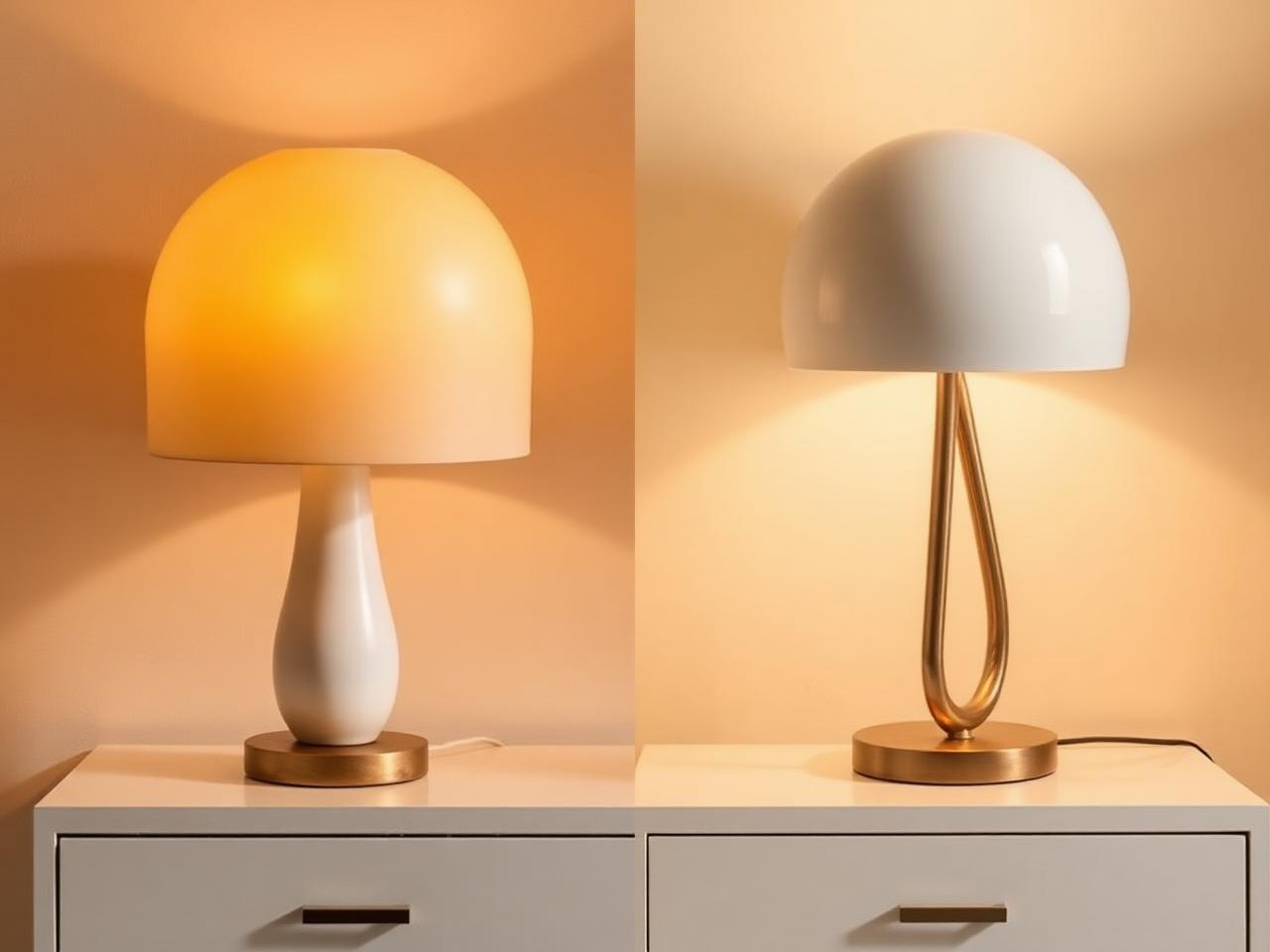
A rounded dome, an angular base, or an unusual outline can make a lamp a focal point even when it is off. That is useful if a room feels visually scattered and you want one object to lead the composition. It may be less useful beside a collection that you already want to display.
Choose the intended focal point before adding another. Look across the room and decide whether your eye should settle on the lamp, the artwork, or the view. If all three compete, reducing nearby decoration may help more than changing the lamp.
Scale deserves a separate check. Record the full dimensions rather than judging the base alone. A shade can extend well beyond it. Make sure the surface still works for the objects and activities that belong there.
Colour and texture are separate from light output
A coloured shade can be attractive in daylight, but its colour alone does not establish the colour or brightness of the light reaching the room. Look at illuminated views and the current specifications rather than treating a warm-looking photograph as a technical description.
Texture can provide visual interest without adding more objects. Yet a surface that looks varied does not necessarily cast a visible pattern. Decide whether you want an interesting object, an interesting pool of light, or both. These are related but different requests.
You can also repeat an existing room colour instead of introducing a new palette. A small accent echoed elsewhere may make a bold lamp feel connected to its surroundings. There is no requirement to replace other furnishings to accommodate it.
Controls should follow use, not fashion
A control feature is worthwhile only if it answers a real need. Consider whether you want a background light for conversation, a separate source for another activity, or a light you can operate from your seat. Do not infer control functions from a photograph or a style description.
Check the exact product information before choosing. A decorative lamp is not automatically a task-lighting solution, and the ability to change a room's atmosphere need not depend on one adjustable source. Existing lights may already offer useful combinations.
Test one direction rather than replacing a room
Write a short brief: where the lamp will sit, what it should contribute, and which visual feature appeals to you. Keep practical limits beside that description, including available space, access to controls, and a workable cable route.
Try a different arrangement with what you own first. If the missing element is still clear, choose a lamp that answers it. The next step is not to collect several trends; it is to verify the dimensions and light behaviour of one relevant option.
The Editor's Notes
Get the Lumière styling notes
One quiet essay a month on layering light and shaping the atmosphere of a room. No noise. Unsubscribe anytime.
The Editor's Notes
One essay. One piece. Once a month.
Quiet dispatches from the studio. Unsubscribe anytime.
For the hour after
For the hour after the overhead light goes off
Shop lamps built for the quiet part of the evening.
Share this guide