Five Lighting Decisions to Make Before Buying for a New Home
Work through existing light, daily activities, surfaces, power routes, and missing roles before choosing lamps for a new home.
By Lumière Light Studio Editorial
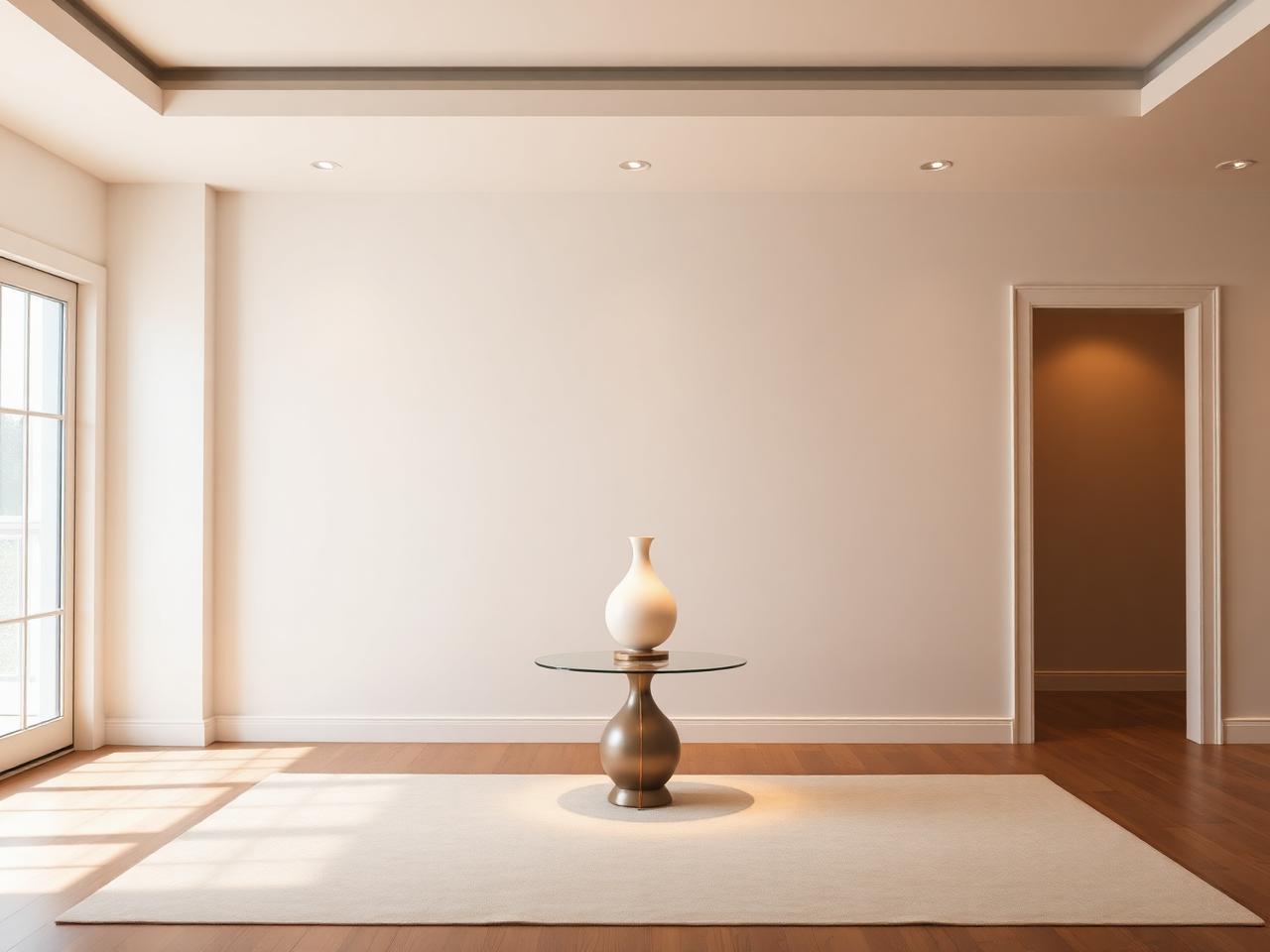
The first days in a new home rarely reveal its final layout. Furniture may still be in transit, a room may have more than one possible use, and an outlet can end up hidden behind storage. Buying a complete lamp arrangement at this point can solve the wrong version of the room.
A better starting point is a short set of decisions. These are not purchases to make in a prescribed order, and they do not require a new lamp in each room. They help distinguish what you need now from what should wait until the furniture and routines are clearer.
Establish what the home already provides
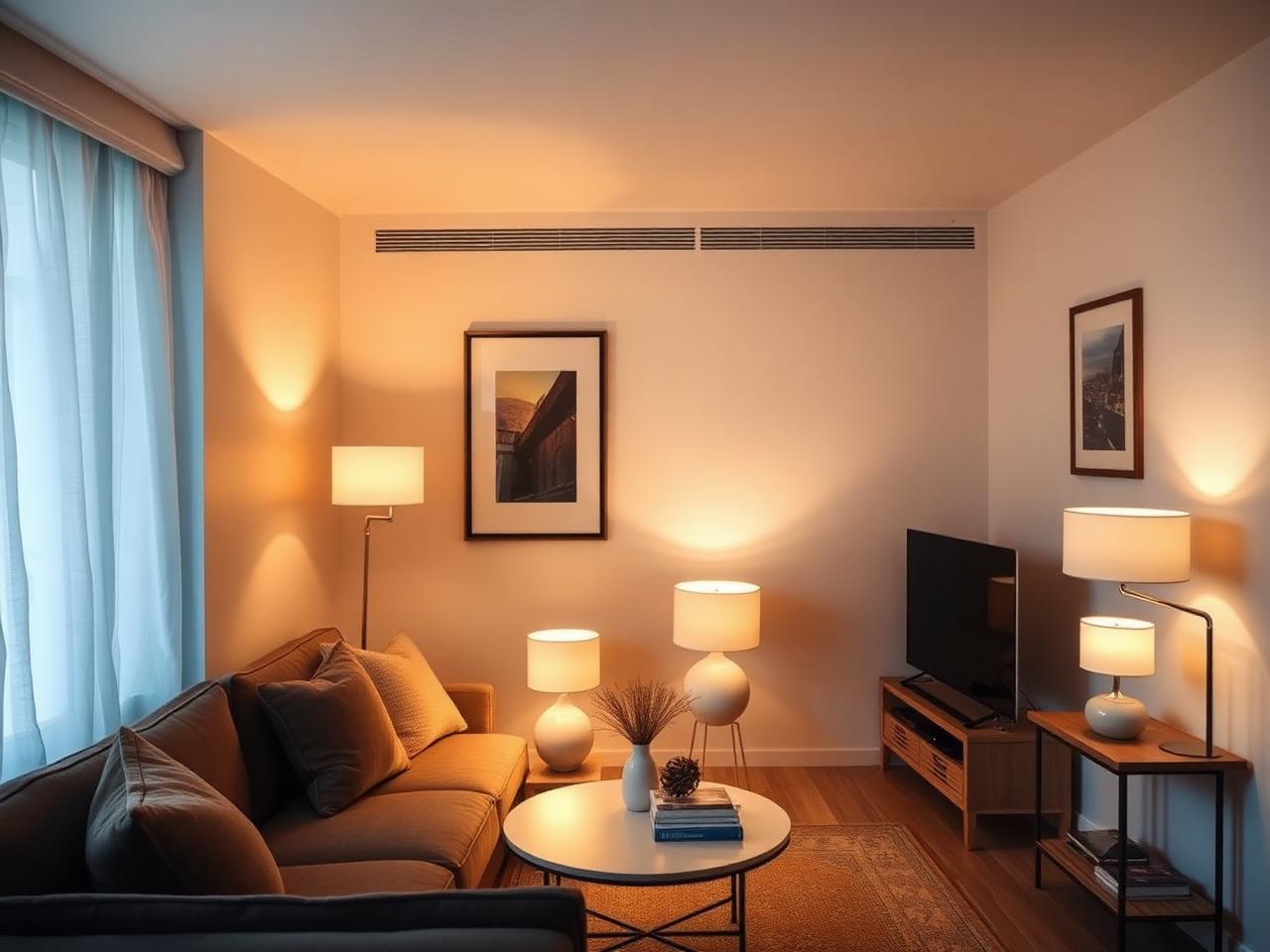
- Record the existing light. Walk through in daylight and again when you can see the installed lighting in use. Note which areas are easy to use and which are not. Keep useful ceiling lights in the plan rather than assuming they need to be replaced by lamps.
Write observations in plain language: the dining surface is difficult to see, the entry is well lit, or the sofa position faces a bright source. Avoid diagnosing the whole room from a photograph. The same room can ask for different arrangements during different activities.
- Name the first activities. Decide where you will eat, read, unpack, and sit during the first week. If those locations are temporary, treat the lighting arrangement as temporary too. Existing lamps can help you test a position without committing to its final role.
Match lamps to surfaces and power routes
- Measure the usable surfaces. Put daily objects on the table before measuring the remaining area. Record the full lamp outline you can accommodate, not just a base diameter. A shade should not interfere with a cupboard door, a curtain, or the person beside the table.
Floor space needs the same attention. Mark where chairs move and where people pass. A floor lamp may free a side table while occupying the only clear route beside it. The useful choice depends on the room, not on a general preference for one lamp type.
- Trace the connection. Locate the accessible power source for each trial position. Check the exact lamp's requirements and supplied parts. Use only the cable or adapter specified by the listing or manufacturer; ask support if that information is missing. Choose another location if the route would cross a walkway or be trapped by furniture.
Buy for a missing role, not a finished photograph
- List only the unresolved needs. After trying the lamps you own, describe what remains. Perhaps a seat needs useful light for reading, or an entry needs an accessible source on arrival. A decorative piece should not be treated as a proven task solution simply because its shape suits the room.
Separate urgent practical needs from decorative decisions that can wait. If you are comparing new lamps, take your surface measurements, connection questions, and activity notes with you to the product page. Leave room for the plan to change as the home becomes familiar.
Start with one room you need to use immediately. A clear record of what works there is more useful than a rushed collection intended to finish the whole home at once.
The Editor's Notes
Get the Lumière styling notes
One quiet essay a month on layering light and shaping the atmosphere of a room. No noise. Unsubscribe anytime.
The Editor's Notes
One essay. One piece. Once a month.
Quiet dispatches from the studio. Unsubscribe anytime.
For the hour after
For the hour after the overhead light goes off
Shop lamps built for the quiet part of the evening.
Share this guide