Seven Lighting Decisions Worth Checking Again
Revisit seven practical choices, from lamp scale to controls, without replacing a room’s lighting all at once.
By Lumière Light Studio Editorial
An unsatisfying lighting arrangement does not necessarily call for a new lamp. Sometimes the problem is a position, an assumption about a feature or a surface that has become crowded. Looking at those decisions individually is more useful than treating the whole room as wrong.
The seven checks below are prompts, not a list of faults shared by every home. Start with the one that describes something you actually notice. Leave arrangements that work for you alone.
Check the room before changing its sources
- Relying on a single arrangement for different activities. A ceiling light may be useful for one purpose and less appealing for another. Try the sources you already have in different combinations. Keep enough general light for the way you use the room; turning off the overhead is not a universal improvement.
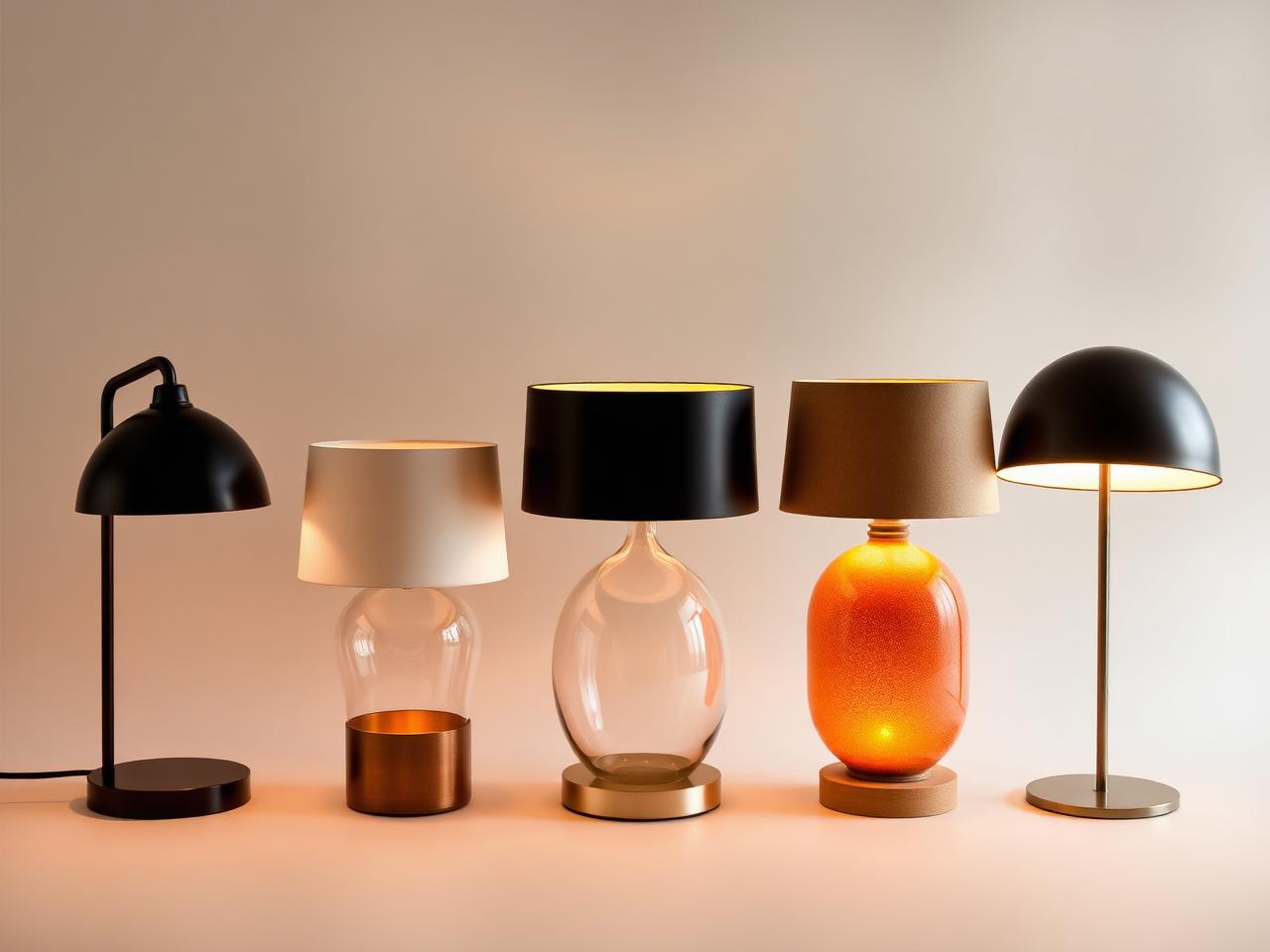
- Choosing by appearance without defining the job. A decorative lamp can look right beside a chair without providing useful light on a book. Write down whether you want background light, a visual accent or a specific task function. Then look for information that addresses that requirement, not just a photograph that suggests it.
These first checks can save you from adding a second lamp that repeats the first lamp's limitation. If the issue is the direction of light, another attractive object with the same light pattern may not change much.
Recheck dimensions and viewing position together
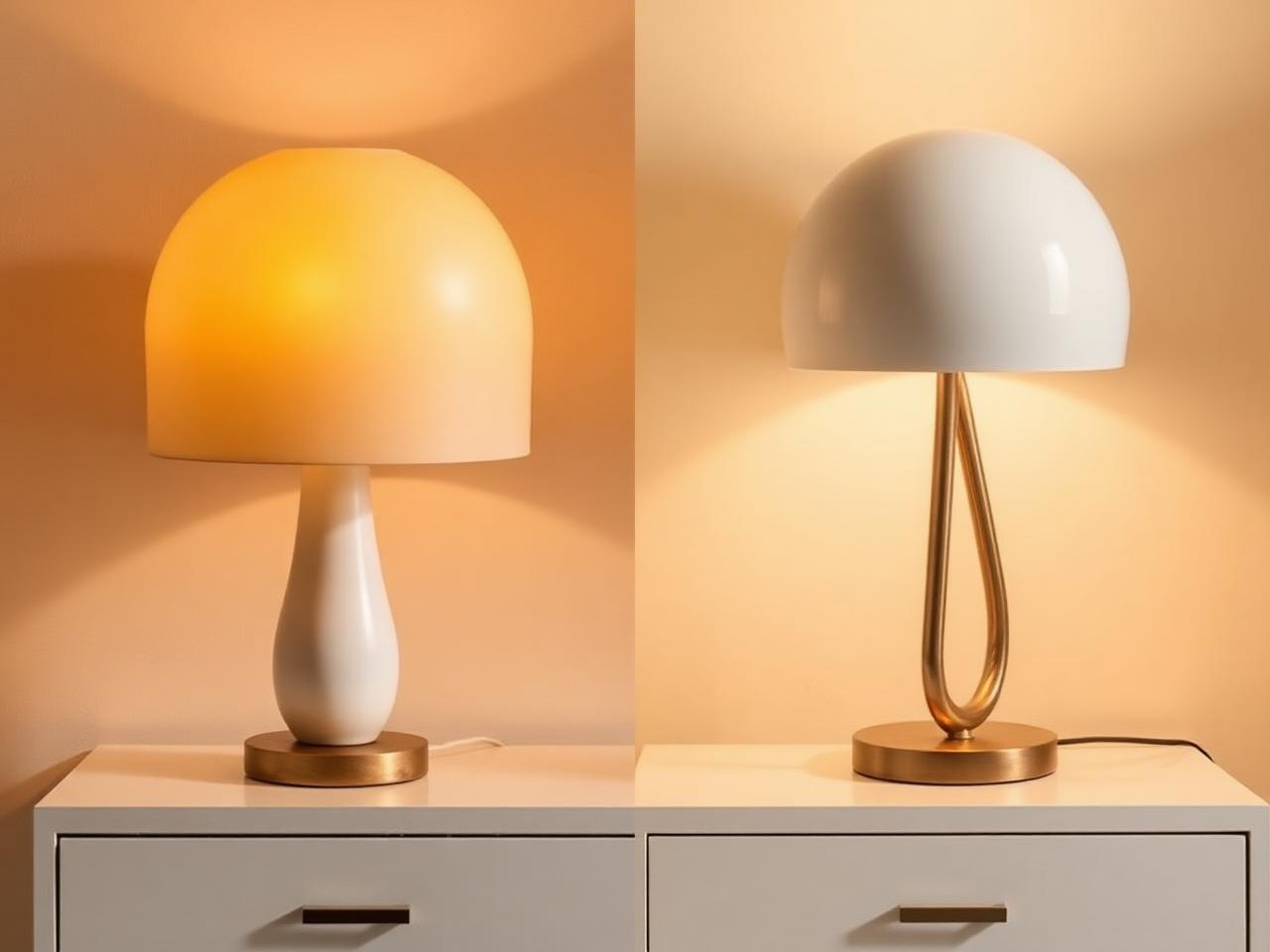
- Judging scale from a close-up. The cropped image may show the finish clearly while hiding how much space the shade occupies. Compare overall dimensions with your surface. Include the things that normally share it. There is no fixed lamp-to-table height ratio that answers every room's needs.
- Looking only while standing. Sit where the lamp will be used and consider the proposed height from there. A bright opening may be visible from the chair even when the lamp looks comfortable from the doorway. Check the line of sight as well as the composition.
A rough paper footprint can make the space question clearer before you order. It cannot establish light output, but it can reveal whether the lamp would compete with a drawer, a door or a place you need for everyday objects.
Verify features instead of completing the description yourself
- Treating all white light as interchangeable. Colour temperature describes warm or cool appearance, not brightness or suitability for every activity. Personal preference matters. Compare how existing sources look together before deciding you need matching values throughout the room.
- Assuming a touch control means brightness adjustment. It may only switch the light on and off. Check the stated operation for the exact variant. Do not assume an external accessory can add a feature the lamp does not list. Ask support when a control description is incomplete.
- Planning the position without reading the power note. A cable omitted from a photograph tells you little about the connection required during use. Confirm the exact variant's requirements and use only the cable or adapter the listing or manufacturer specifies.
Change one unresolved decision at a time
Bulb changes also need a factual starting point. Many lamps use integrated LEDs that are not user-replaceable. For a replaceable bulb, check the stated socket/base, the manufacturer's maximum and the compatibility instructions rather than applying one bulb recommendation across the room.
Choose one observation to investigate: a crowded surface, a control you cannot reach or a source that does not light the intended area. Measure or confirm that fact first. A small, informed adjustment is a better next step than replacing an arrangement solely because it breaks a decorating rule.
The Editor's Notes
Get the Lumière styling notes
One quiet essay a month on layering light and shaping the atmosphere of a room. No noise. Unsubscribe anytime.
The Editor's Notes
One essay. One piece. Once a month.
Quiet dispatches from the studio. Unsubscribe anytime.
For the hour after
For the hour after the overhead light goes off
Shop lamps built for the quiet part of the evening.
Share this guide