The Lighting Rule Worth Following: Light the Room at Lamp Height
Add light close to where the room is used. A seated-view placement exercise gives table and floor lamps a clear role alongside general lighting.
By Lumière Light Studio Editorial
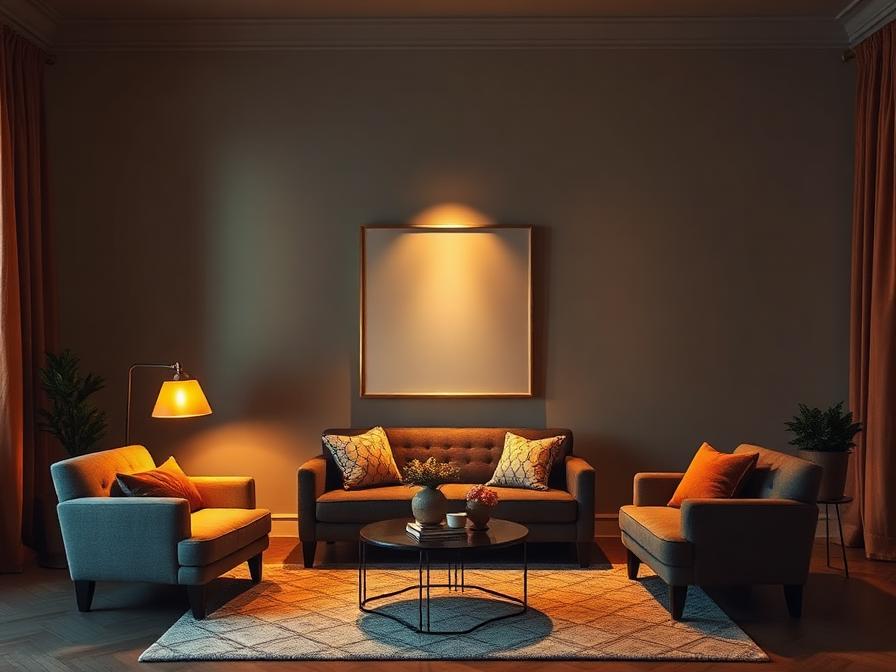
Light the room at lamp height is a useful starting rule for rooms where people sit. It directs attention toward the places occupied by a sofa, chair or bedside table instead of treating the ceiling fixture as the entire plan. It is a working principle, not a survey result or a command to switch off every overhead light.
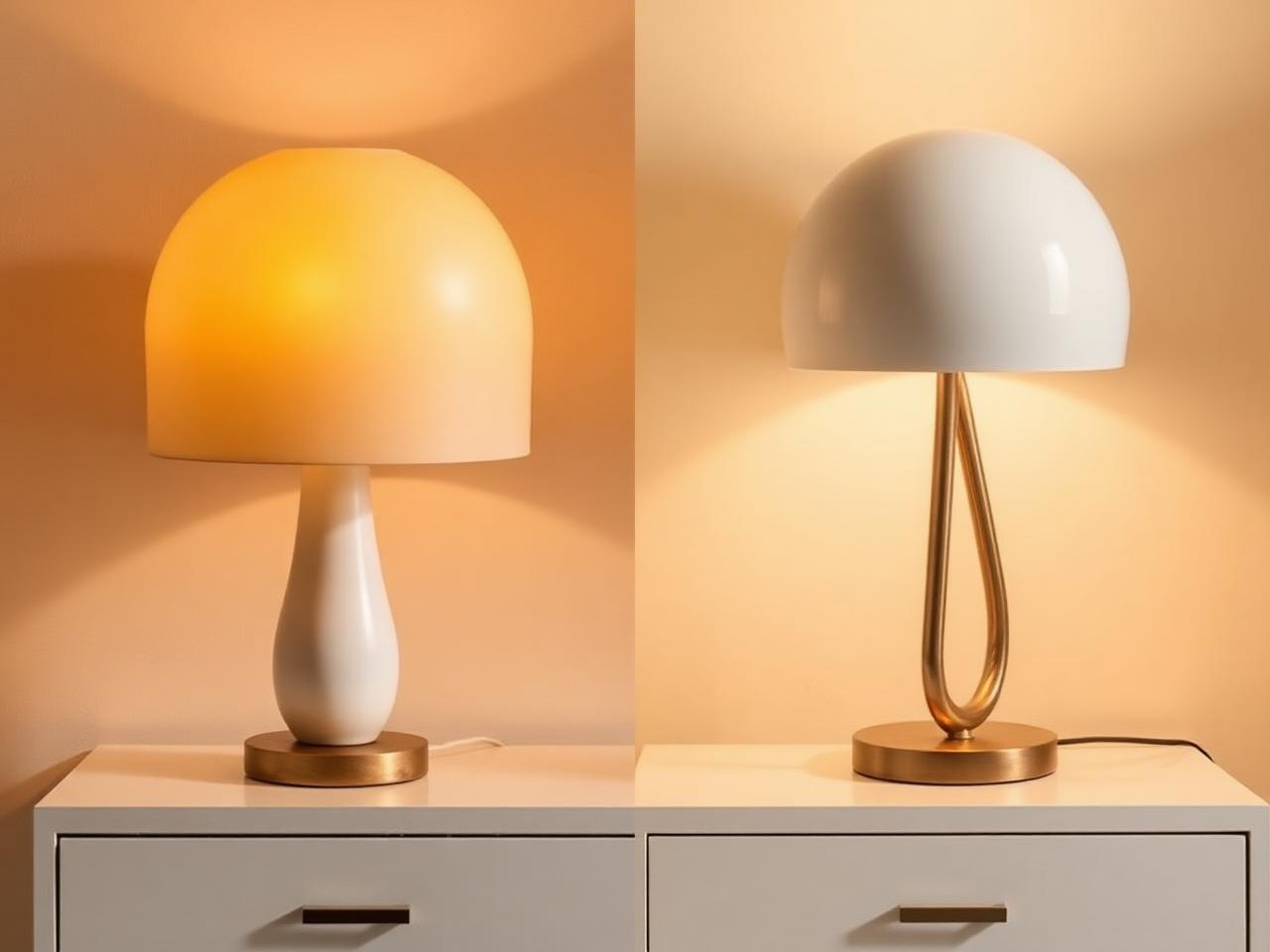
A ceiling fixture can provide valuable general illumination. Table and floor lamps offer other positions from which light can reach a room. The aim is to use those positions deliberately, not to prove that one category of fixture is inherently better than another.
Begin with the seated view
Sit where you spend time and look around before moving anything. Note the area immediately beside you, the surface you use, and the far side of the room. Which part lacks useful light? Which source attracts attention because it is visible directly? These are different problems and may need different answers.
A lamp beside a chair might make the area feel more defined without illuminating a book adequately. A light on a distant console might brighten the wall without helping you find something on the sofa. Give each proposed light a specific purpose, then test whether it fulfils that purpose from the seat.
Distribute light rather than collecting lamps
If several lamps are grouped on the same side of the room, the other side may still feel disconnected. Try moving an existing light to a separate area before adding another. Keep the arrangement connected to useful furniture and an appropriate power point; symmetry is not worth a cable across a walkway.
There is no required total. A compact room with daylight and a useful ceiling fixture has different needs from a larger room with several seating areas. Count the activities and positions that need attention rather than aiming for a prescribed number of objects.
Table height changes the apparent position of the light. A low table beside a high-backed seat can leave much of a lamp hidden. A taller surface may expose the underside of a shade from another chair. Assess the assembled combination of furniture and lamp, not either item alone.
Keep practical light in the plan
Turn on the arrangement you expect to use in the evening and move through the room. Check the entrance, spaces around chairs and the route to adjoining rooms. Preserve enough general light for those routes and for activities such as cleaning or finding dropped objects.
Next, try a detailed activity in its normal position. If the lighting does not let you see the work clearly, treat that as a separate task-lighting need. A decorative lamp has not failed because it cannot do every job, but it should not be presented as a solution without that check.
The next step is to choose one seat, one useful surface and one existing light. Compare the room before and after moving it, with the other lights still available. Keep the change if it serves the activity and improves the balance; otherwise, move it back and try another position.
The Editor's Notes
Get the Lumière styling notes
One quiet essay a month on layering light and shaping the atmosphere of a room. No noise. Unsubscribe anytime.
The Editor's Notes
One essay. One piece. Once a month.
Quiet dispatches from the studio. Unsubscribe anytime.
For the hour after
For the hour after the overhead light goes off
Shop lamps built for the quiet part of the evening.
Share this guide