From Mood Board to Lamp: Choose What Fits Your Room
Turn an inspiration image into a practical lamp brief by separating the feature you like from assumptions about size, light, and daily use.
By Lumière Light Studio Editorial
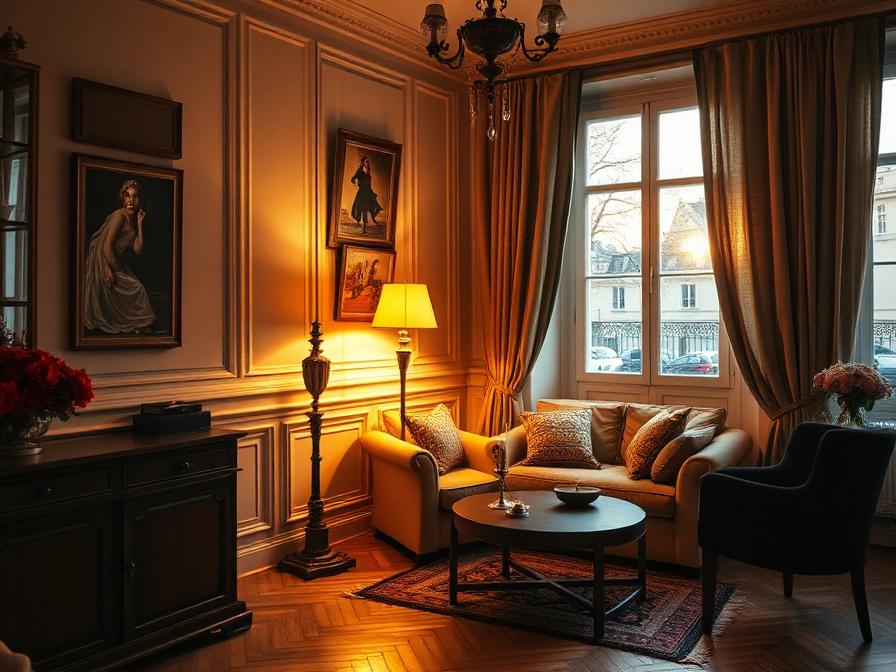
Saving a lamp image is easy. Explaining why that lamp belongs in your room takes a little more thought. The image may appeal because of its colour, its outline, or the way the whole room is lit. Only one of those may actually depend on the lamp.
Treat a mood board as the beginning of a brief, not a shopping list. Its useful role is to make a preference clearer. Measurements, current specifications, and your everyday routine then decide whether that preference can become a workable choice.
Name the feature you want to carry across
Cover the surrounding room in the image and look at the lamp alone. Does it still appeal? If not, the attraction may be the arrangement rather than the object. You might need a clearer surface or a different position for an existing lamp instead of a new purchase.
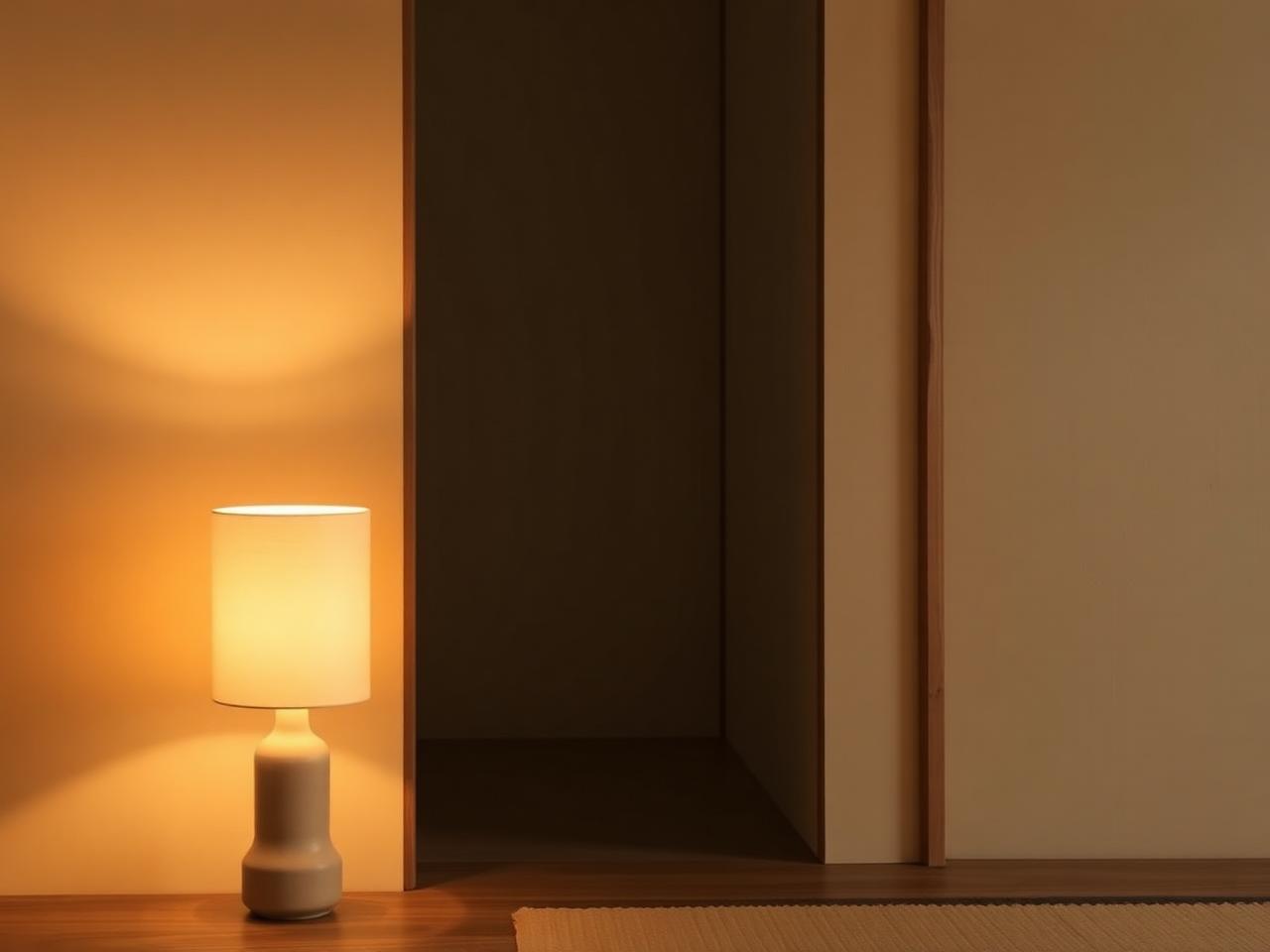
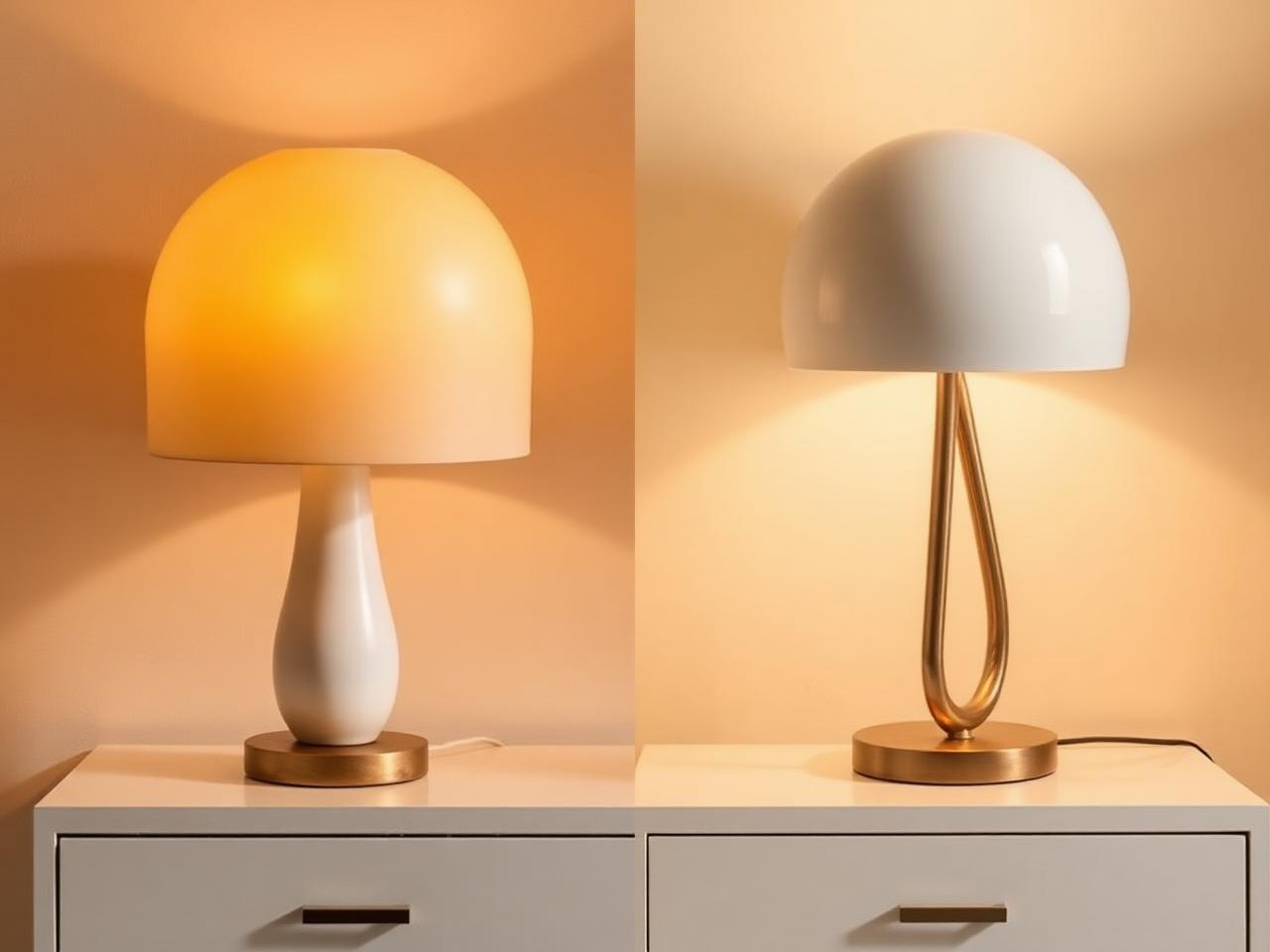
Write one specific description: a broad curved shade, a red accent, a narrow vertical outline, or light on the wall behind a console. Avoid vague goals such as making the room feel more stylish. A precise description gives you alternatives when the photographed object is unsuitable.
Separate visible facts from guesses. You can see a silhouette, but may not know dimensions, composition, controls, or the source of the glow in the photograph. Mark those as unknown rather than completing the image with assumptions.
Give the idea a real location and job
Choose the intended surface and describe what the lamp should contribute. A visual accent on a console is different from light needed for a particular activity. Do not assume a decorative lamp can satisfy both merely because the reference image includes a nearby chair or book.
Measure the available space with daily objects left in place. Record the full span the lamp can occupy, not just an empty patch for its base. Include access to controls and a cable route that does not cross a walking area.
Now compare the real background with the image. A broad shade might obscure your artwork; a small form might disappear against a busy wall. Adjust the desired feature rather than forcing the room to accommodate an exact copy.
Use a brief to filter, then compare appearance
| Part of the brief | What to record |
|---|---|
| Visual preference | The one feature you want to retain |
| Intended job | Decorative background, focal object, or another clearly defined role |
| Fit limits | Available surface, surrounding objects, and access |
| Unknown facts | Dimensions, controls, or light behaviour needing confirmation |
Eliminate options that do not fit the location before judging small stylistic differences. Then compare the remaining options against the visual preference. This order prevents a compelling photograph from overruling a practical limit you already identified.
If a necessary fact is missing, check the current specifications or ask for clarification. A styled image is not evidence of output or control functions. Avoid buying on the assumption that an undocumented feature will be present.
Stop when the brief is answered
Keep the shortlist small enough to compare in the same room context. Place each image beside a photograph of your intended surface, recognising that this helps with visual relationships rather than proving scale or illumination.
You do not need to reproduce the entire mood board. Before choosing, finish one sentence: this lamp fits here because it retains this feature and meets these practical limits. If that sentence depends on guesses, resolve them first.
The Editor's Notes
Get the Lumière styling notes
One quiet essay a month on layering light and shaping the atmosphere of a room. No noise. Unsubscribe anytime.
The Editor's Notes
One essay. One piece. Once a month.
Quiet dispatches from the studio. Unsubscribe anytime.
For the hour after
For the hour after the overhead light goes off
Shop lamps built for the quiet part of the evening.
Share this guide