Lamps in a Home With Pets: Plan Around Their Routes
Choose lamp positions by looking at where animals jump, turn and investigate, then trace the entire cable route.
By Lumière Light Studio Editorial
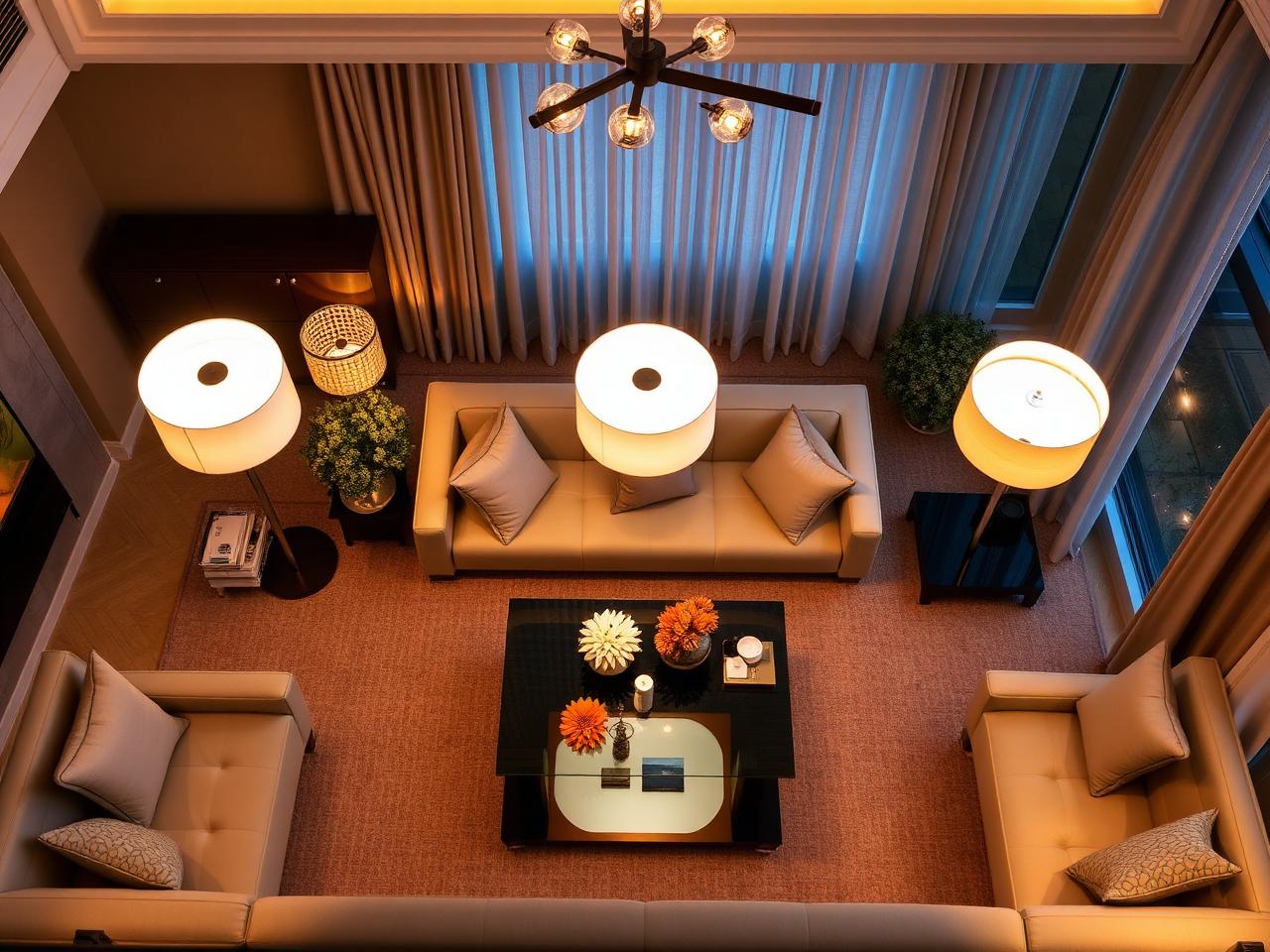
A side table may look undisturbed until a cat uses it to reach the window. A clear corner may be part of a dog’s turning space. In a home with pets, the useful starting point is how the animals move through the room, not where a lamp would look balanced in a photograph.
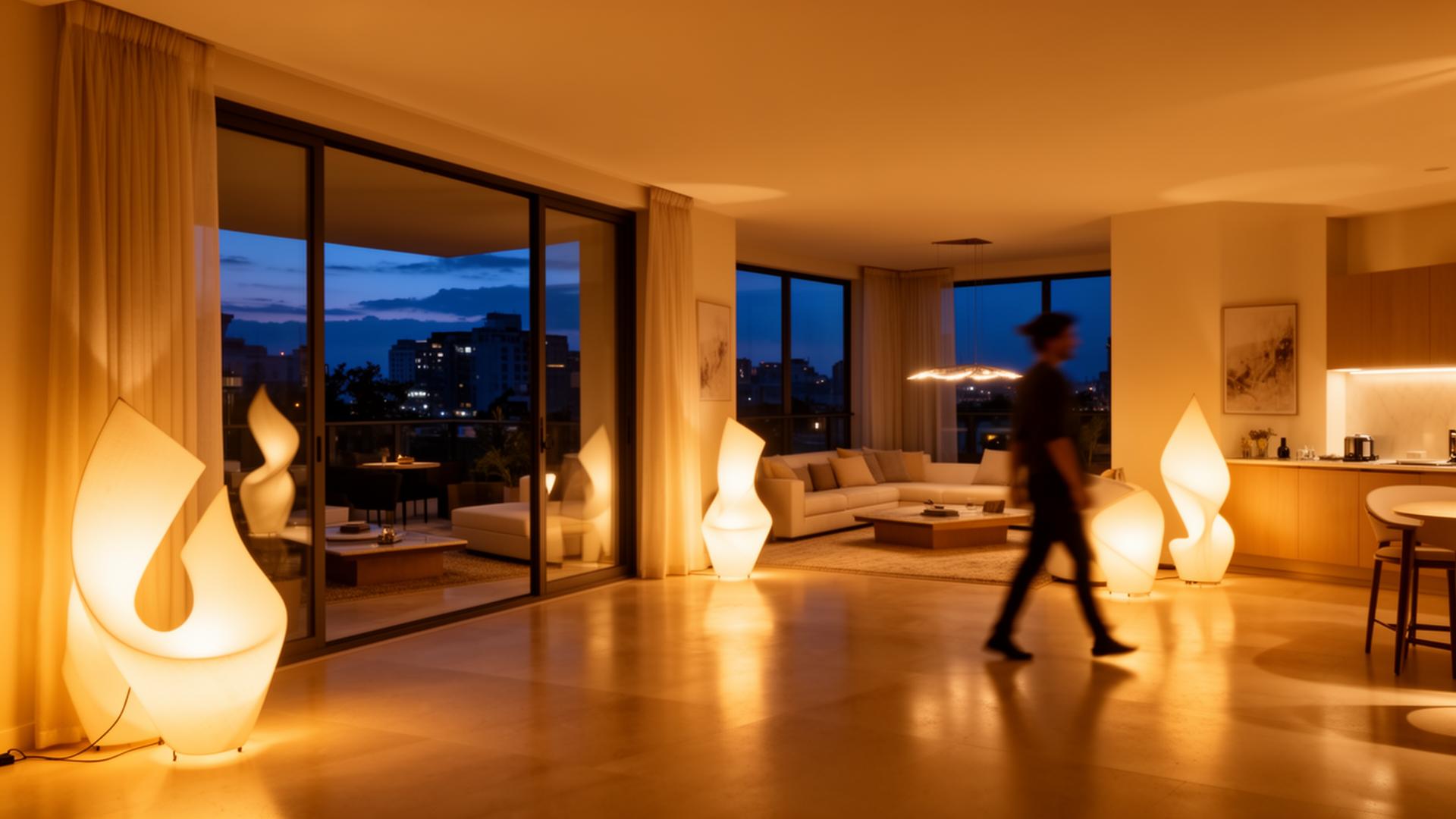
Watch the ordinary routes before selecting a position. Include access to windows, favourite resting places and the path toward food or the door. A lamp does not become suitable simply because an animal has ignored that surface so far.
A stable surface must also be outside the route
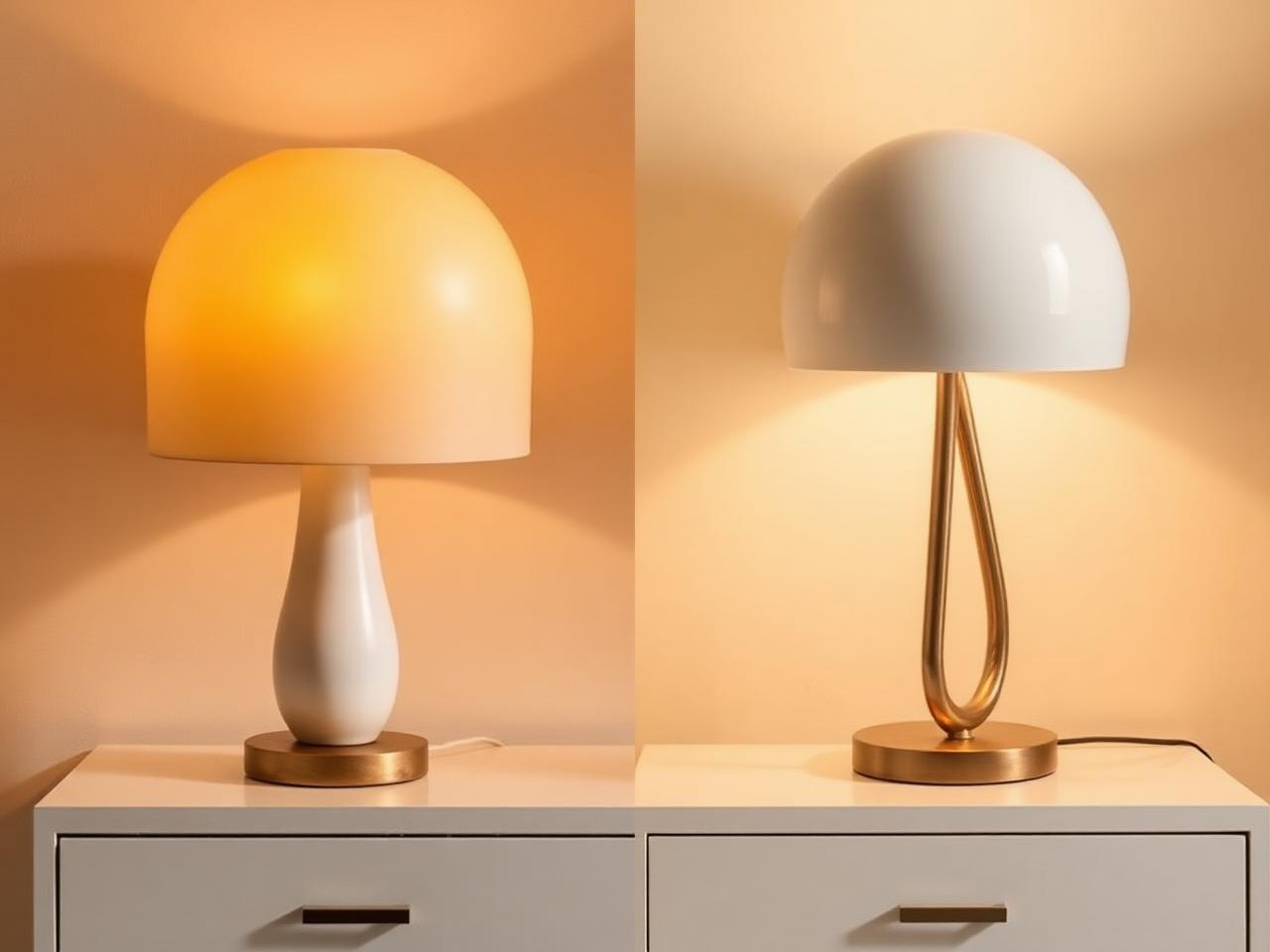
Follow the manufacturer’s setup and placement instructions. The base needs full support on an appropriate, level, stable surface. Keep the shade and other projecting parts away from passing bodies and tails, and allow the clearances the instructions require.
Consider the supporting furniture as well as the lamp. A narrow table that shifts when brushed is a poor starting point. Stacking books beneath a base or wedging a lamp into a gap does not resolve the underlying placement problem. Choose a different surface instead of improvising a restraint.
For a climbing animal, higher is not automatically less accessible. Trace the approach from the sofa back, adjacent cabinet or windowsill. If the animal can reach the proposed surface by its usual route, do not treat that location as separated from it.
The whole cable needs to stay out of reach
Follow the cable from the lamp to its specified power connection. Look below the tabletop and behind nearby furniture as well as across the visible surface. A tidy-looking front can conceal a reachable hanging section at the side.
Keep cables out of animals’ reach, without loose accessible loops. The route also needs to avoid doors, moving furniture and walking paths. Do not pull a cable taut to make it look shorter or trap it behind furniture to hide it.
If a suitable route is not possible, reject the position. Do not rely on an animal losing interest, and do not assume a cable accessory prevents chewing or pulling. Use only the cable or adapter specified by the manufacturer or product listing; ask support about unclear requirements.
Curious behaviour is a reason to reassess
Dangling controls and a new object near a familiar perch deserve attention. Observe from a distance during ordinary room use rather than encouraging an animal to approach the lamp as a test. Supervision does not turn an unsuitable position into a suitable one.
If an animal paws at the lamp or investigates its cable, stop using that arrangement and reconsider the location. Keep an animal away from equipment showing damage and follow the manufacturer’s guidance before further use. Do not attempt repairs or alter the lamp.
Review the plan when furniture moves or another pet joins the home. These checks reduce avoidable placement problems; they are not a product-safety guarantee. The most useful next decision may be to leave a decorative lamp out of that part of the room altogether.
The Editor's Notes
Get the Lumière styling notes
One quiet essay a month on layering light and shaping the atmosphere of a room. No noise. Unsubscribe anytime.
The Editor's Notes
One essay. One piece. Once a month.
Quiet dispatches from the studio. Unsubscribe anytime.
For the hour after
For the hour after the overhead light goes off
Shop lamps built for the quiet part of the evening.
Share this guide