Where Will the Lamp Cable Go? Plan Before Choosing
Map the outlet, furniture and full cable path before deciding where a new lamp belongs.
By Lumière Light Studio Editorial
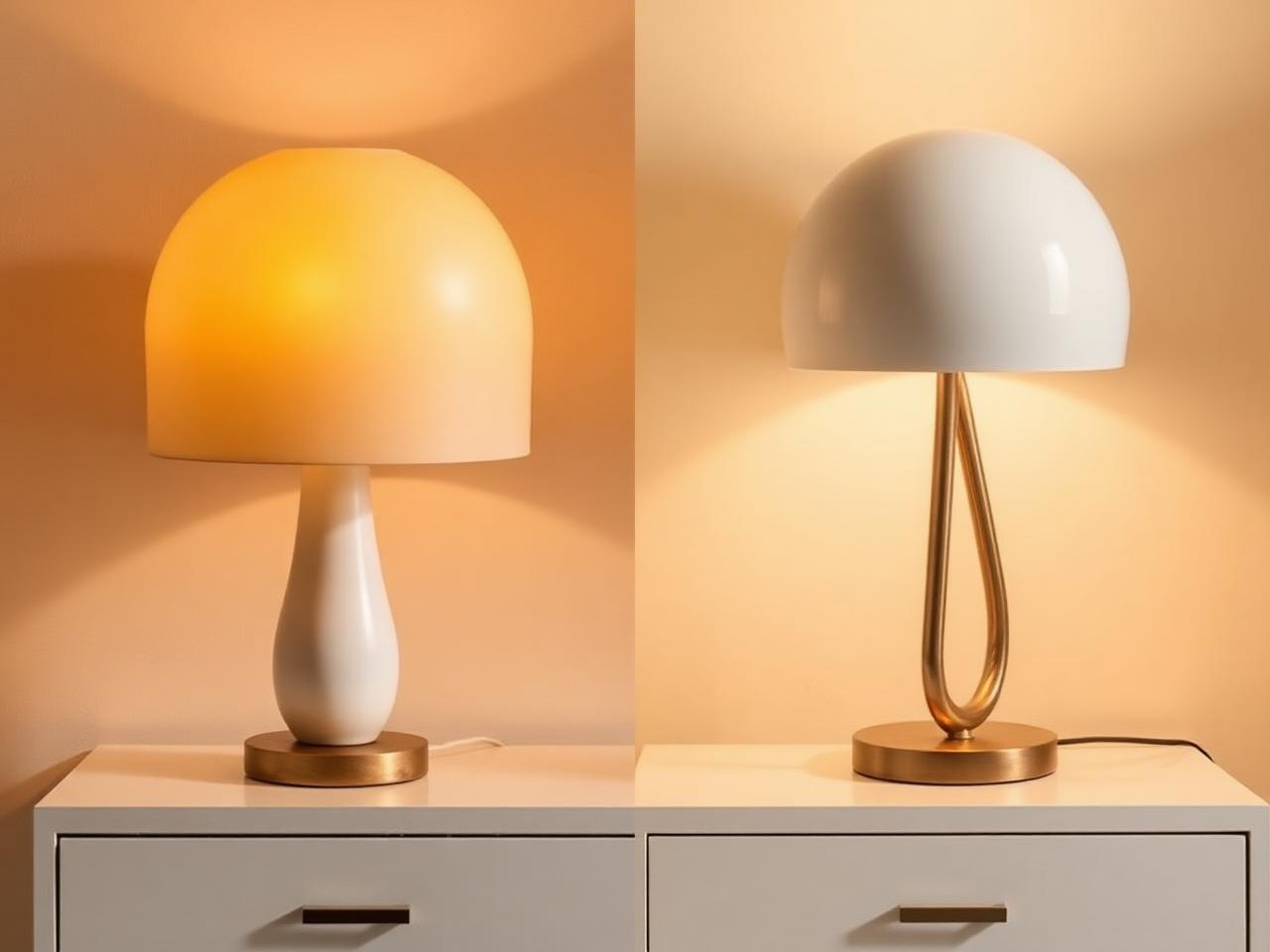
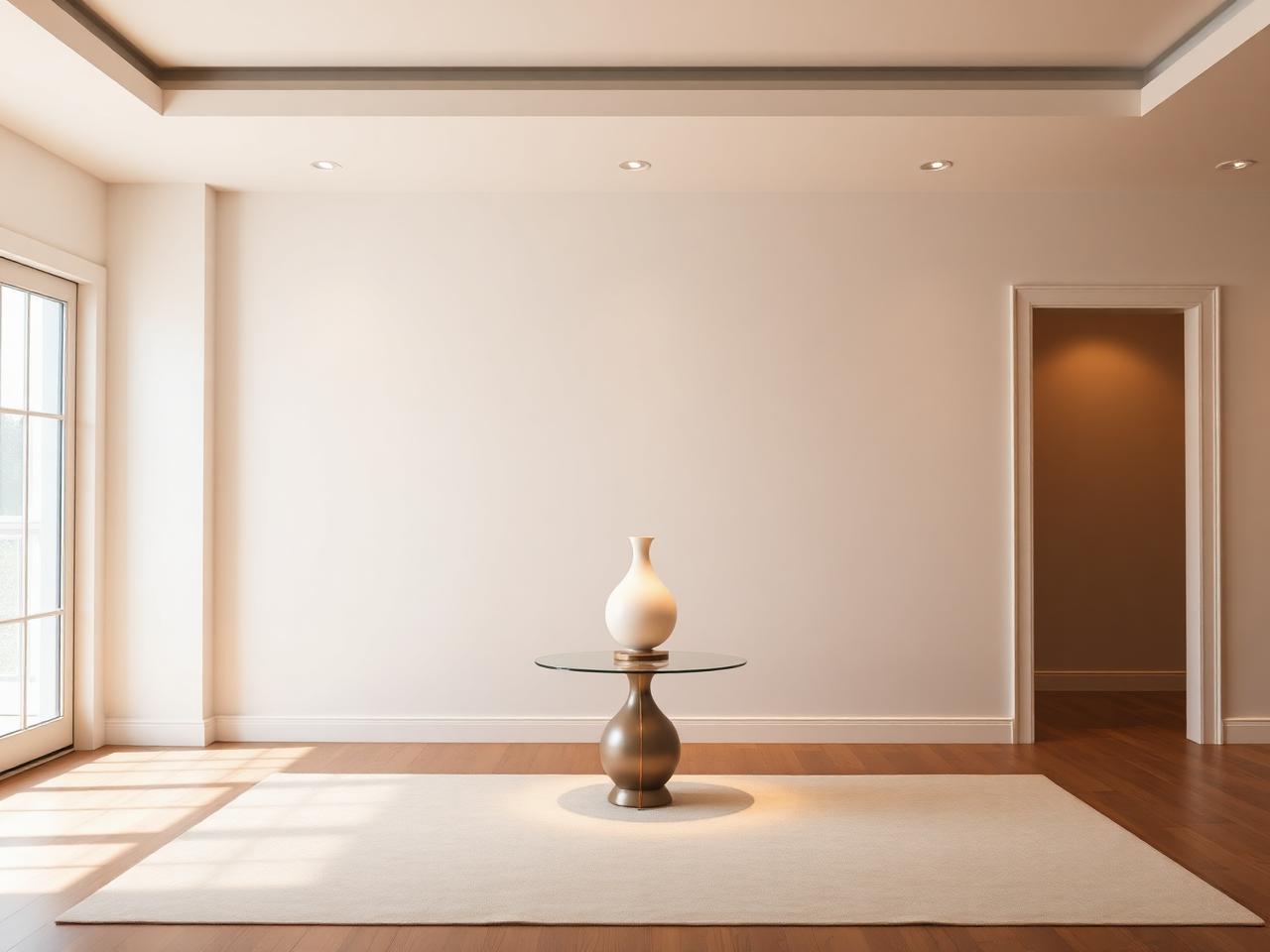
The most appealing place for a lamp can be the least workable place to connect it. An outlet on the same wall may still be separated from the table by a doorway. A connection behind a cabinet may be accessible only when that cabinet is empty. Resolve those details before comparing silhouettes.
This is a placement exercise using existing outlets, not a wiring plan. If the room cannot support the proposed arrangement, move the lamp position or ask an appropriately qualified professional about the room separately. Do not change electrical fittings to make a decorative choice work.
1. Put the outlet and furniture on the same sketch
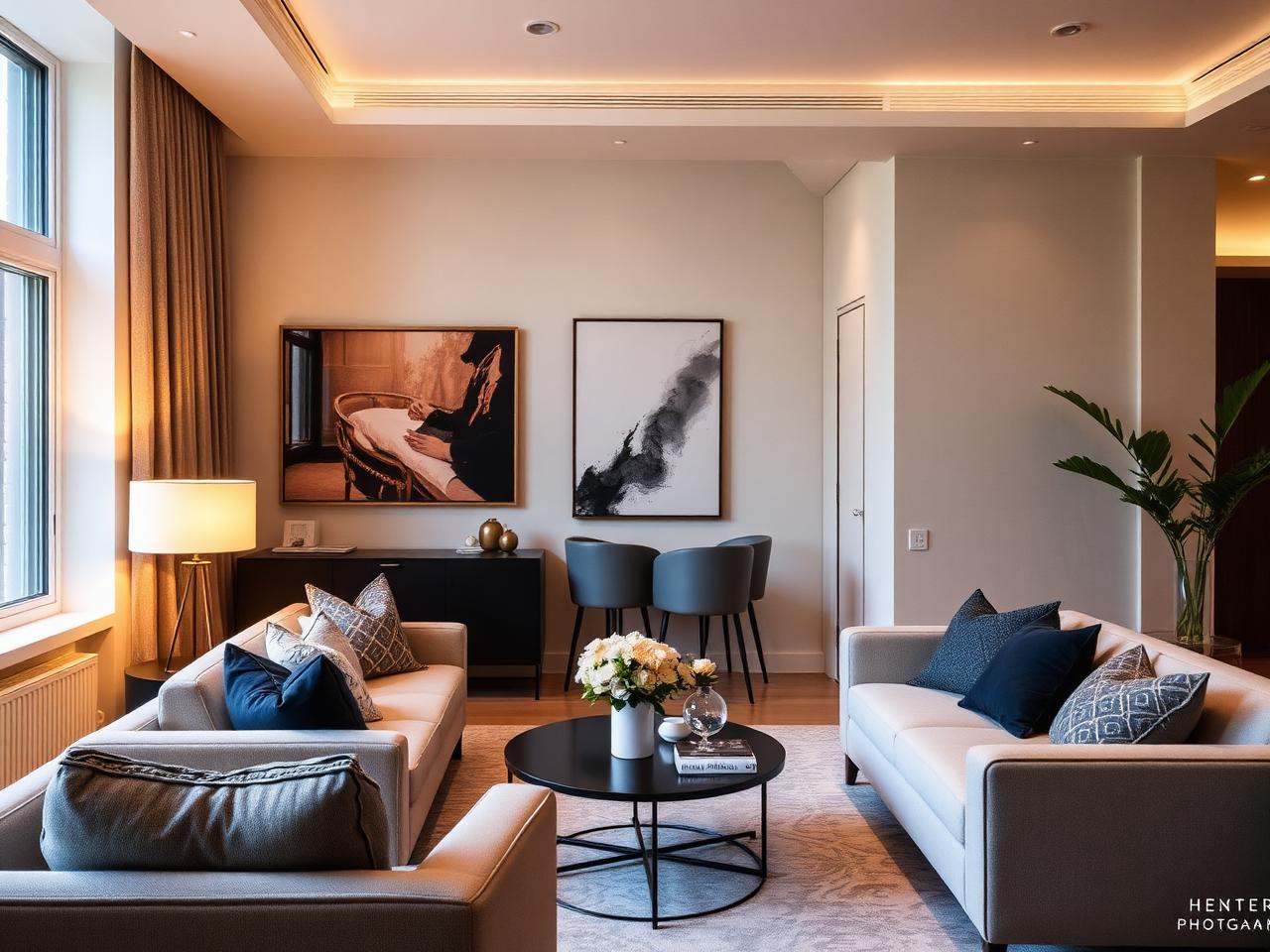
Draw the intended surface, the existing outlet and the routes people use. Include doors, drawers, chair movement and access to curtains. Exact drawing scale is less important than recording the obstacles between the lamp and its connection.
Check that the outlet is accessible for ordinary use as the equipment instructions require. Avoid a plan that involves shifting substantial furniture whenever access is needed. Record other equipment already using that area without assuming that more connections can simply be added.
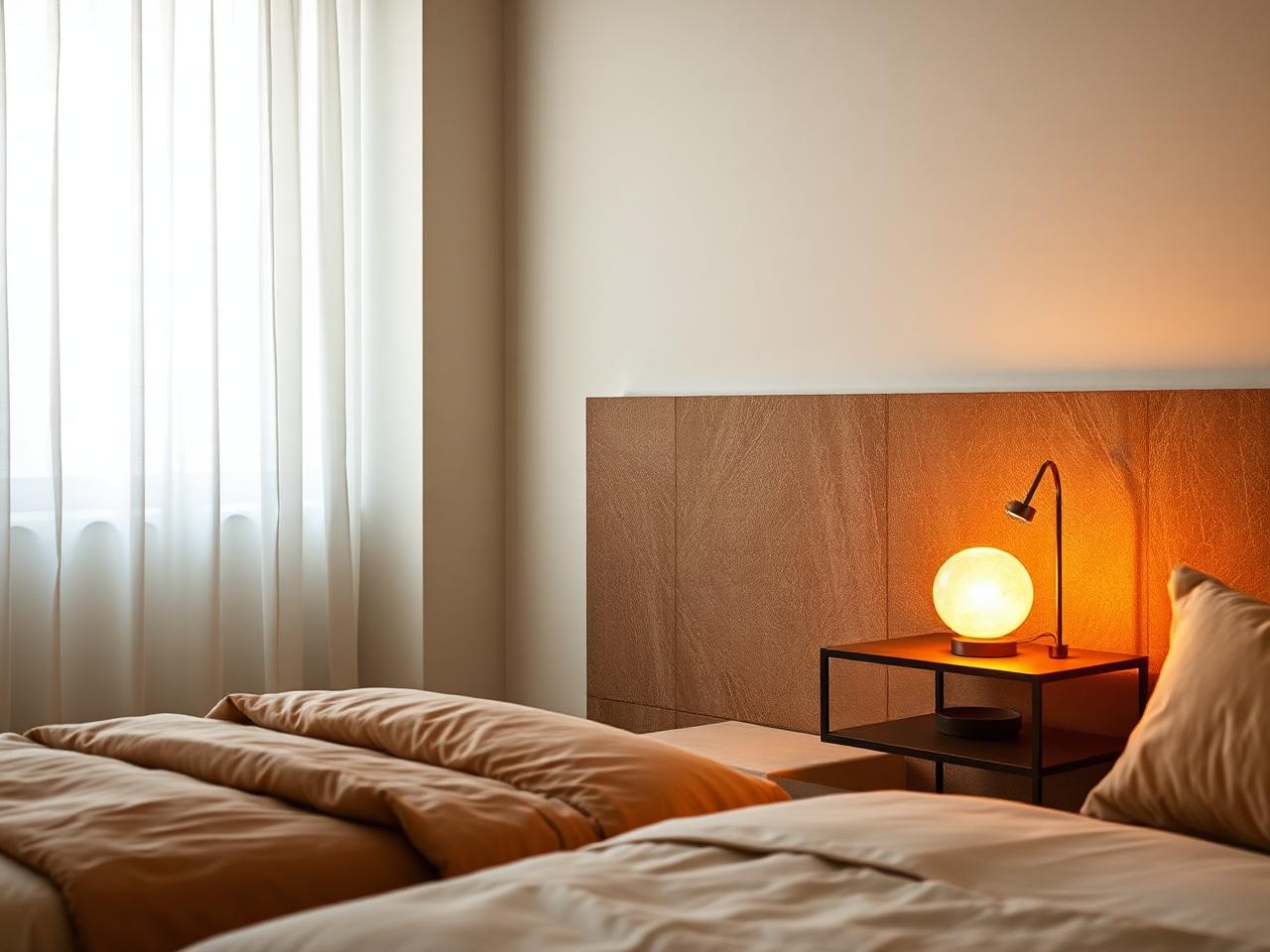
Now mark where the cable leaves the proposed lamp. If the listing does not show that detail, treat it as a question for support. A cable exiting toward the back may take a different route from one leaving the side.
2. Measure the route rather than the straight-line gap
Use a tape measure along the proposed path, with the lamp absent. Include the descent from the surface and any turn around furniture. Do not lay an actual cable across a walkway as a mock-up, and do not assume the diagonal distance is enough.
Confirm the supplied cable length for the exact model. Check what the published measurement includes if that is unclear. Allow an ordinary, untensioned connection consistent with the manufacturer’s guidance rather than planning around a cable stretched to its limit.
An inline switch introduces another location to resolve. Its position along the supplied cable may determine whether it lands on the table, hangs beside it or falls behind furniture. The right total length does not establish a reachable control.
3. Rule out conflicts before hiding anything
Reject a route across a walking path or through a doorway. Keep the cable clear of moving chair parts, drawers and anything that could pinch or pull it. Running a cable under a rug is not a solution to a crossing route.
Tidy should mean an orderly, suitable path, not concealment at any cost. Do not trap a cable behind furniture, fasten it through its covering or alter the supplied lead. Use only the cable or adapter specified by the product listing or manufacturer.
If considering extension leads or cord covers, follow the manufacturer’s guidance and resolve suitability before relying on them. Neither accessory makes an unsuitable route acceptable by itself. Ask support rather than assembling a chain of unverified additions.
Finish by recording three things: the viable path, its measured length and the confirmed control position. If any remains unresolved, keep the lamp off the shortlist for that location. Changing a proposed position now is simpler than organising the room around a connection that cannot work.
The Editor's Notes
Get the Lumière styling notes
One quiet essay a month on layering light and shaping the atmosphere of a room. No noise. Unsubscribe anytime.
The Editor's Notes
One essay. One piece. Once a month.
Quiet dispatches from the studio. Unsubscribe anytime.
For the hour after
For the hour after the overhead light goes off
Shop lamps built for the quiet part of the evening.
Share this guide