One Reads, One Sleeps: Check Both Sides of the Light
Plan a shared bedroom around the book and the opposite pillow, not just the brightness beside the reader.
By Lumière Light Studio Editorial
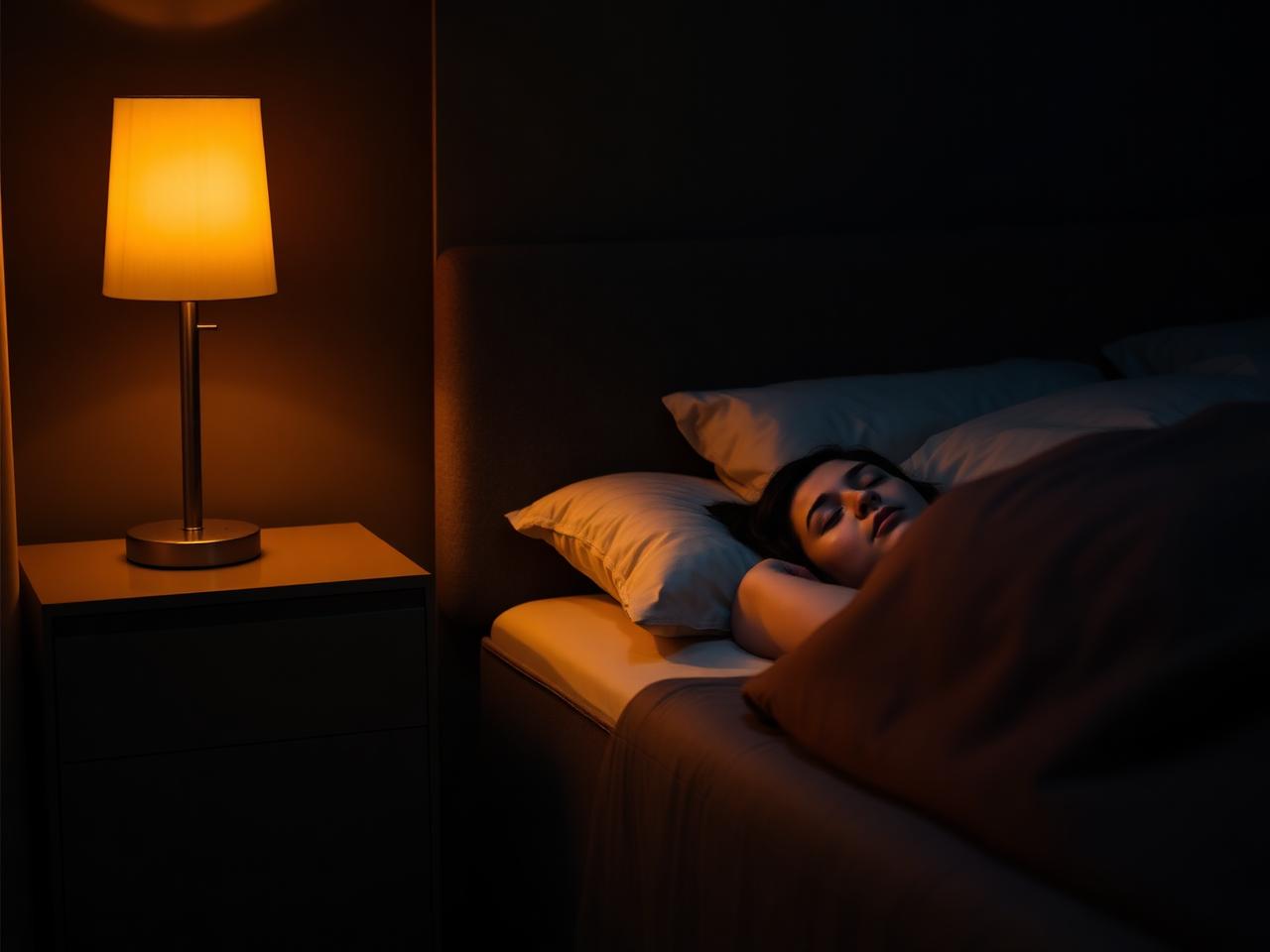
An open book and an occupied pillow create two very different views of the same lamp. The reader may see a shaded source while the other person looks directly into its opening. Planning for this situation means checking simultaneous use, not approving each bedside position separately.
Agree first on what is acceptable to both people. Some tolerate a visible glow; others would prefer reading elsewhere once the shared room is dark. A lamp can help separate the activities, but it cannot guarantee that one person will remain asleep.
Light the book without lighting toward the other pillow
Begin with a source intended and documented for task use. Place the open book where the reader naturally holds it against their usual pillows. Look for a position that sends useful light to that page rather than broadly across the bed.
A directional source may offer more control over where light goes than a shade that glows on all sides. This is a reason to compare light patterns, not a promise that a particular shape contains all spill. Only use adjustments the manufacturer permits.
Do not make low output the sole objective. If the reader has to lean into the light or hold the book in an unusual position, the arrangement is not serving the activity. Find a better direction or location instead of accepting an unreadable page to preserve a dim-looking room.
The opposite pillow decides whether the shade position works
Have the other person check from their normal reclining position while awake. Inspect the source opening, the illuminated shade and the surrounding wall. A bright wall patch can remain noticeable even when the source itself is hidden.
Try one feasible adjustment at a time: change the permitted head direction, shift the lamp on its suitable surface or alter the reader’s accepted position. After each change, reassess both the page and the opposite view. Improving one does not automatically improve the other.
The shade needs to remain clear of bedding and other materials according to the instructions. Do not drape fabric over it, add an improvised screen or place it behind pillows to contain the light. If the lamp cannot provide the wanted direction in an approved position, choose another arrangement.
Separate control from shared room light
Give the reader control of the reading source without depending on the other person to switch it off. Keep each person’s own light independently usable where the chosen equipment allows. This is about which source each person operates, not a requirement for matching fixtures.
Agree what happens when someone enters, leaves or needs the room’s general lighting. Retain a practical way to see the route and nearby furniture; the reading lamp need not be the only available source. Confirm controls rather than assuming adjustment or remembered settings.
Try the setup together during an ordinary evening before choosing a new lamp. Record the page position, acceptable opposite-pillow view and agreed switching arrangement. If no feasible position satisfies both people, another reading location is a reasonable answer, not a failure to find the right decorative object.
The Editor's Notes
Get the Lumière styling notes
One quiet essay a month on layering light and shaping the atmosphere of a room. No noise. Unsubscribe anytime.
The Editor's Notes
One essay. One piece. Once a month.
Quiet dispatches from the studio. Unsubscribe anytime.
For the hour after
For the hour after the overhead light goes off
Shop lamps built for the quiet part of the evening.
Share this guide