Can a Table Lamp Work on an Open Shelf?
Check manufacturer clearances, stable support and access before treating an open shelf as a lamp surface.
By Lumière Light Studio Editorial
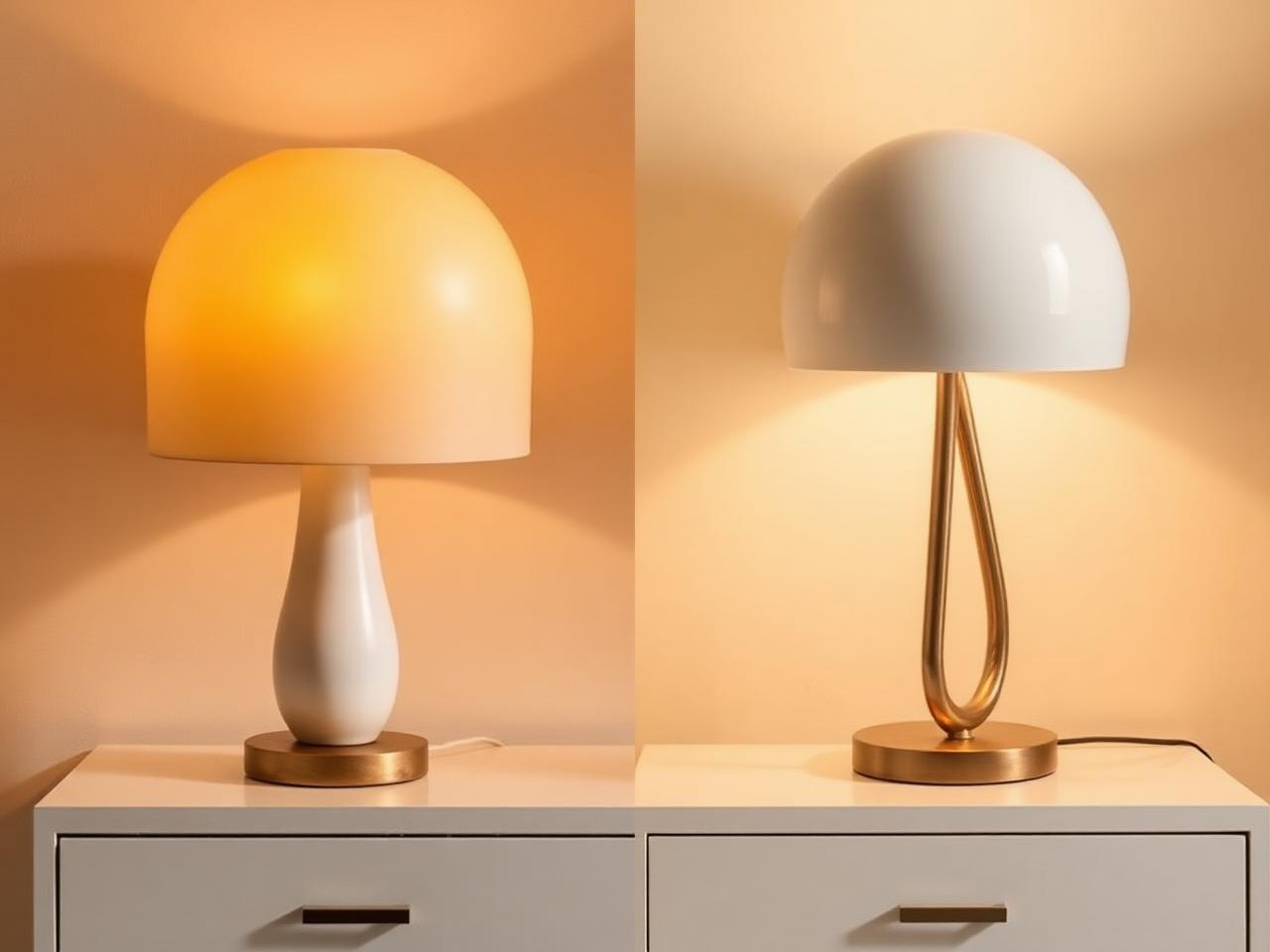
An open shelf can frame a lamp attractively, but an open front does not make every compartment suitable. There may be a shelf close above the shade, a back panel behind it and books on both sides. Before arranging objects around the lamp, establish whether that space is appropriate for it at all.
Manufacturer guidance comes before the composition
Read the lamp's placement and clearance instructions and the shelving manufacturer's support guidance. Check whether the intended use is permitted. Do not infer suitability from the lamp fitting into the opening or from a photograph of a similar arrangement. Missing clearance guidance is a reason to ask the manufacturer, not to invent a gap.
Keep ventilation openings uncovered. Books, baskets, fabric and other display objects should not cover the lamp or occupy the space its instructions require to remain clear. If the manufacturer cannot confirm the arrangement, use an unrestricted surface instead. A visually appealing shelf is not a reason to compromise the stated requirements.
Measure the whole object within the opening
Record the usable shelf depth, width and height, accounting for any lip, bracket or back panel. Compare them with the lamp's full dimensions and specified clearances. A base can fit while the shade projects beyond the front or sits too close to the shelf above it.
The base needs complete, stable support. Do not perch it partly on a book or bridge an uneven surface with decorative objects. Check the shelving's permitted load and installation instructions rather than judging strength by appearance. Include the other objects that will remain on the shelf in that assessment.
Think about access from the front. Can you reach the control without brushing the shade or knocking books into it? Can the lamp be removed for care as its instructions require? A tight fit that makes routine handling awkward is a practical reason to choose another position.
Assess the light from outside the shelf
Turn the lamp on only once the placement meets the relevant guidance. View it from the usual chair and while standing nearby. A higher shelf may reveal the source beneath the shade; a lower one may hide much of the lamp. Neither height can be judged from the empty shelf alone.
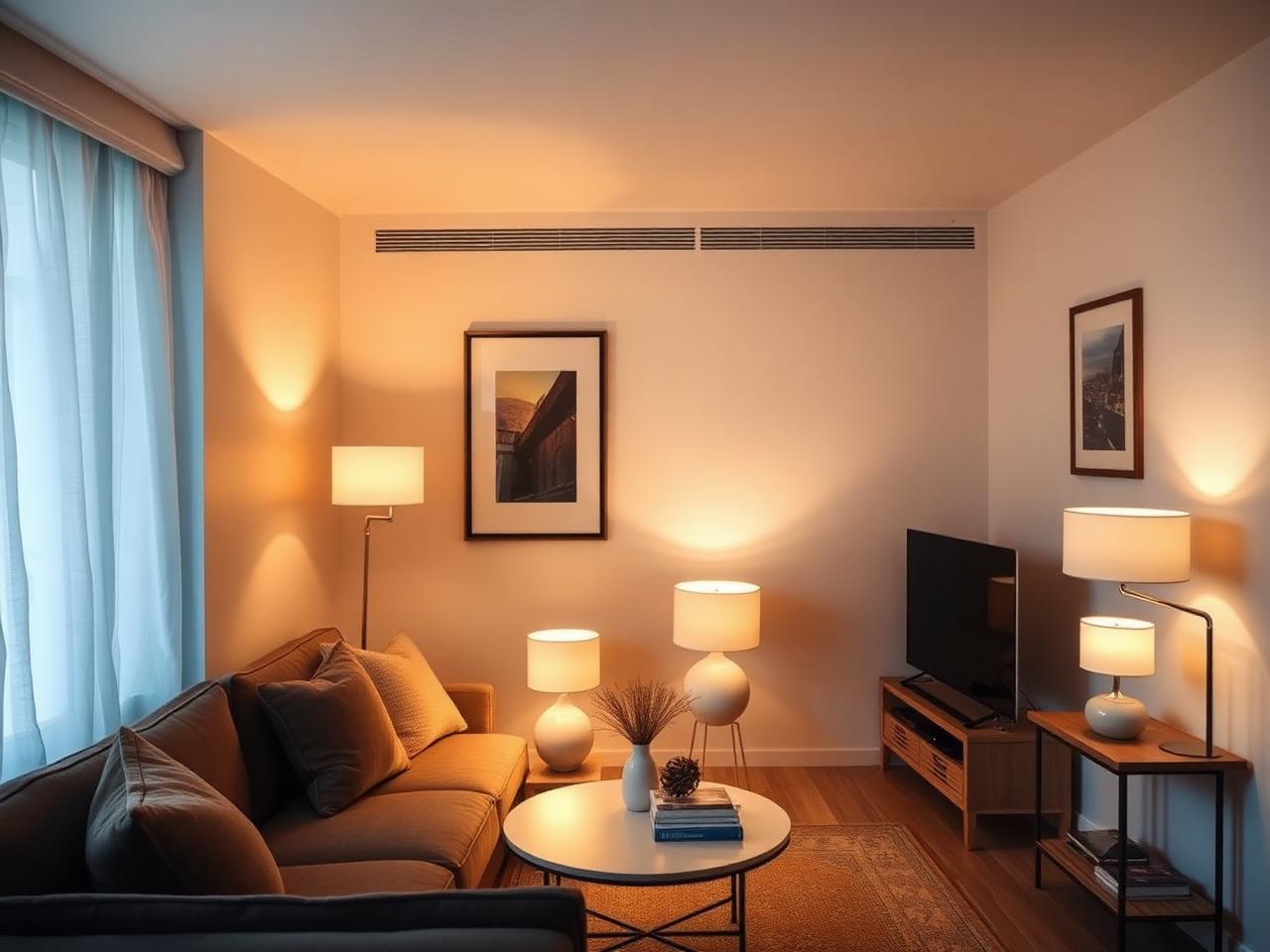
Look at the surrounding objects as well. A book spine close to the lamp may dominate the lighted area while the rest of the room receives little light. That can be a deliberate display choice, but it is not evidence that the shelf lamp supplies useful general illumination. Keep the room's other functional lighting available.
Plan the cable without pinching it behind the shelving, trapping it under objects or crossing the route beside the unit. Do not drill or alter furniture or lighting equipment to force the arrangement. Start by recording the opening and checking the two manufacturers' instructions; only style the remaining space once those conditions are satisfied.
The Editor's Notes
Get the Lumière styling notes
One quiet essay a month on layering light and shaping the atmosphere of a room. No noise. Unsubscribe anytime.
The Editor's Notes
One essay. One piece. Once a month.
Quiet dispatches from the studio. Unsubscribe anytime.
For the hour after
For the hour after the overhead light goes off
Shop lamps built for the quiet part of the evening.
Share this guide