Lighting a Piano or Keyboard: See the Music and Your Hands
Test the score, keyboard and controls from the playing position without obstructing the instrument.
By Lumière Light Studio Editorial
Sheet music and piano keys occupy different planes. A light that reaches the score may leave the hands in shadow, while a lamp that brightens the keyboard can reflect from the page. Plan around both views before deciding where a lamp should stand. The instrument's appearance when not in use is only part of the question.
Start with the instrument in playing position
Set the bench, music rest and score as you normally use them. For a keyboard, include its usual stand and any nearby screen or control panel. Follow the instrument manufacturer's guidance before placing anything on it. Do not assume a flat-looking section is a suitable support for a lamp.
Keep lids, folding music rests and controls free to move. A clamp attachment should not be treated as compatible merely because its opening appears to fit an edge. Check explicit compatibility and mounting instructions with the relevant manufacturers. If that information is absent, choose a separate supported position instead.
A nearby stable table or suitable floor-standing light may offer a position independent of the instrument. Check that it does not narrow the route to the bench or intrude into pedal space. The useful arrangement leaves room to sit down, stand up and change music without moving lighting equipment.
Test the entire score, not just its centre
Open the widest music you regularly use. From the bench, compare the left edge, centre fold and right edge. A small bright patch in the middle is not enough if the outer bars are difficult to distinguish. Try the proposed position with ordinary room lighting on, then with the combination you expect to use in the evening.
Turn a page and check again. Coated paper and protective sleeves can show a reflection that obscures notation at a particular angle. Move the light's position where its design permits, rather than leaning away from your usual posture to escape the reflection. Keep the source itself outside the direct view where possible.
Watch the hands move across the keys
Play across the range you use and look for shadows that move over the keys. Check the controls of a digital instrument as well as the score. If one light cannot illuminate both areas adequately, keep a useful general source rather than expecting a decorative lamp to do the entire job.
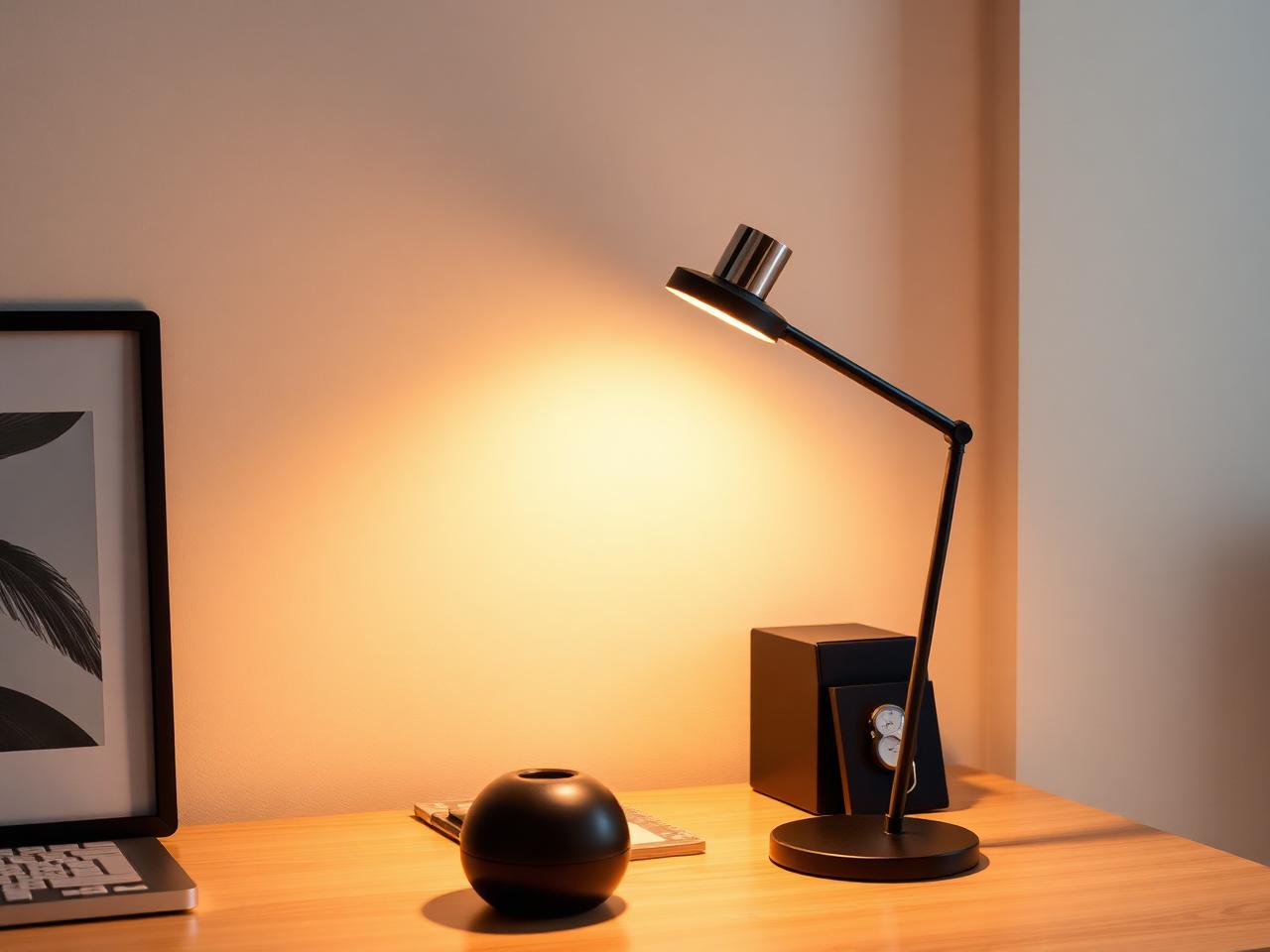
The lamp's styling does not establish its task performance. Judge visibility at the instrument and consult the specifications of any light being considered for that purpose. Avoid choosing solely from a photograph of a lamp placed above a keyboard.
Check cables around the bench, stand and pedals without altering the instrument or its wiring. Use only manufacturer-specified power accessories. Your next step is one complete playing trial: enter the space, sit down, read both pages, use the pedals and turn the music. Resolve whichever movement or view is obstructed before refining the appearance.
The Editor's Notes
Get the Lumière styling notes
One quiet essay a month on layering light and shaping the atmosphere of a room. No noise. Unsubscribe anytime.
The Editor's Notes
One essay. One piece. Once a month.
Quiet dispatches from the studio. Unsubscribe anytime.
For the hour after
For the hour after the overhead light goes off
Shop lamps built for the quiet part of the evening.
Share this guide