A Lamp on a Stair Landing Is an Accent, Not the Lighting Plan
Keep installed functional lighting and a clear route first. Consider a decorative lamp only where the landing has suitable space.
By Lumière Light Studio Editorial
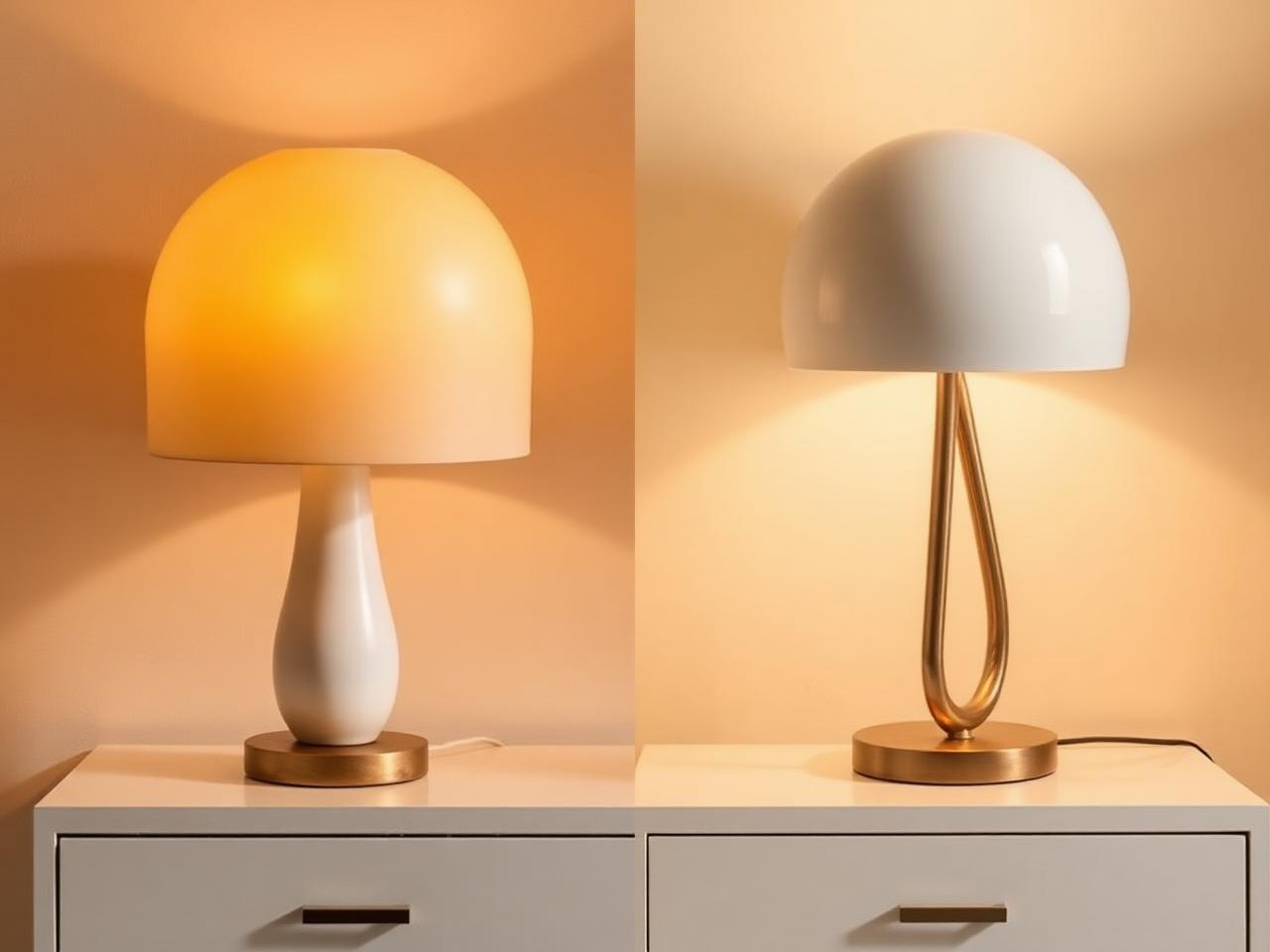
A stair landing may offer a place for a small console or decorative object, but it is first a route between levels. The lighting must serve that route before it serves a composition. A table lamp can add an accent only where the landing has appropriate space and the functional lighting remains in place.
This is not a guide to lighting a staircase with a decorative lamp. If the installed lighting does not provide the visibility needed for the stairs and landing, address that with a qualified electrician. Do not rely on a nearby shade's glow as the answer to a functional lighting problem.
Keep installed functional lighting available
Use the existing functional lighting when moving between levels. A table lamp may be switched off, moved or obscured by an object, so it should not become the assumed source for navigating the route. An attractive pool of light on a console does not establish visibility over the steps.
Consider the approach from both directions. A landing looks different when viewed from below, and a lamp may be directly in sight when climbing even if its source is concealed from upstairs. This is an observation about the proposed accent, not a test that certifies the stair lighting as adequate.
For any changes to fixed lighting or wiring, consult a qualified electrician. Do not relocate connections, add improvised wiring or assume that a nearby socket makes a particular furniture arrangement appropriate. No decorative preference should drive electrical alterations without qualified assessment.
Preserve the route before adding furniture
Check the landing with doors open and in its normal daily use. A console, shade or trailing cable should not intrude into the walking route or access to a handrail. Include the full width of the shade when considering the furniture, not just the base or tabletop.
A narrow landing may be better left without a lamp. That is a complete design decision, not an unfinished scheme. You can retain the space and its functional lighting rather than searching for an object small enough to squeeze into a passage.
Where a suitable surface already exists, follow the lamp manufacturer's placement instructions. The base needs stable support and the control should be accessible without leaning into the route. Keep objects used in passing from crowding the lamp or pushing it toward an edge.
Judge the accent without reducing visibility
With the installed functional lighting on, look at what the proposed lamp adds. Perhaps it gives a plain wall a warmer appearance or makes an existing console more distinct. It does not need to illuminate the stairs to justify its decorative role, and it should not be asked to do so.
Avoid positioning the lamp where its source is distracting from the approach. Keep its cable entirely away from steps and walking space, without trapping it under doors or furniture. If an appropriate route to power is unavailable, omit the lamp and seek qualified advice if changes are wanted. Begin with the functional lighting and the clear passage; decoration comes after both.
The Editor's Notes
Get the Lumière styling notes
One quiet essay a month on layering light and shaping the atmosphere of a room. No noise. Unsubscribe anytime.
The Editor's Notes
One essay. One piece. Once a month.
Quiet dispatches from the studio. Unsubscribe anytime.
For the hour after
For the hour after the overhead light goes off
Shop lamps built for the quiet part of the evening.
Share this guide