Living Room Ambient Lighting: Check the Gaps After Dark
Assess the room beyond the lamps themselves: faces, furniture edges and the darker areas between seating groups.
By Lumière Light Studio Editorial
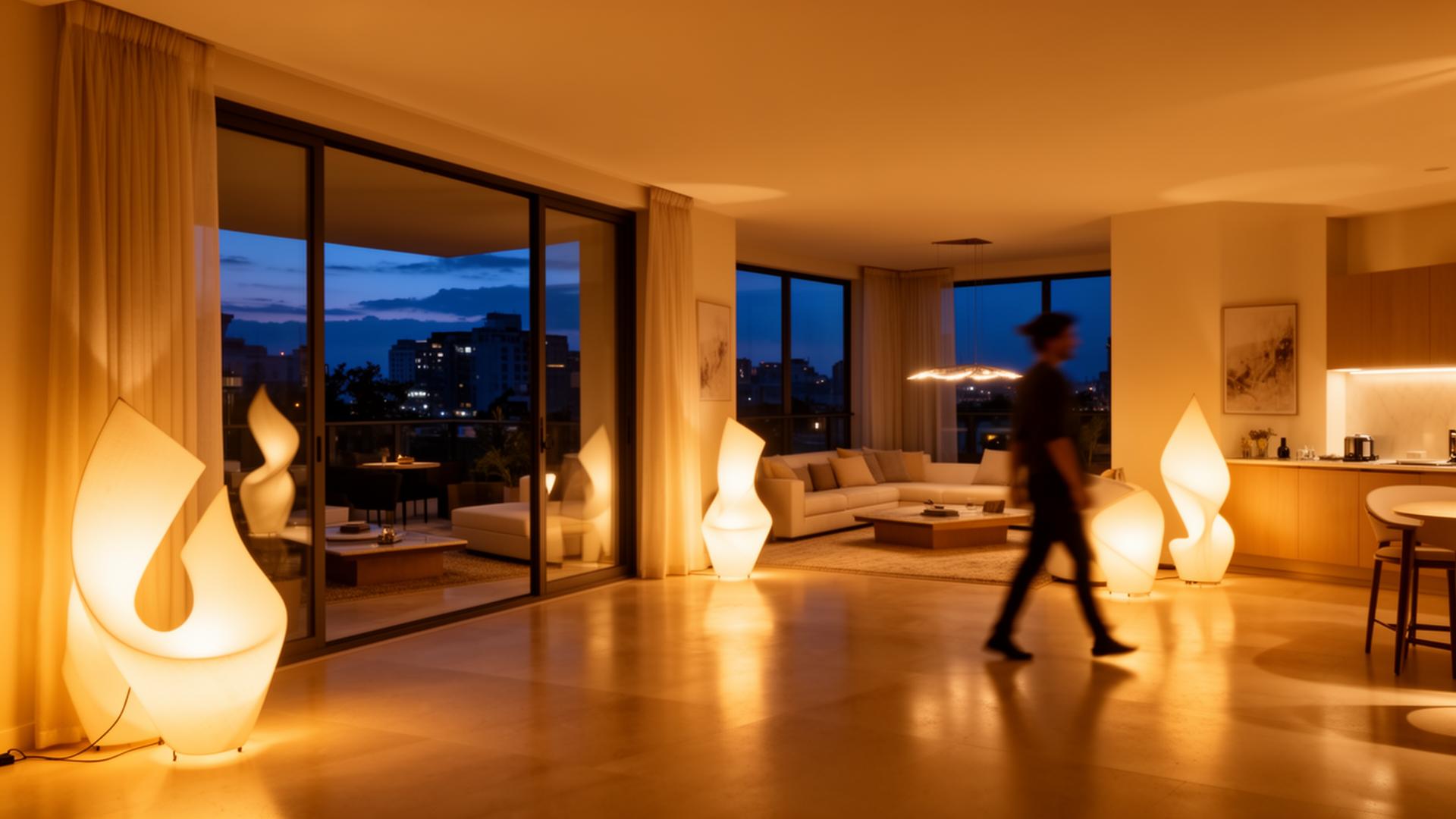
A lamp can look inviting while the space around it remains difficult to use. That gap is worth noticing before adding another decorative source. Ambient lighting is the room's general illumination, rather than light reserved for a particular page or object. Assess it by looking at what you can see between the lamps.
This is a coverage check, not a rule about how many fixtures a room should have. Furniture, wall finishes, shades and the room's proportions all affect the result. An arrangement that works beside one sofa may leave another room's entrance or armchairs poorly served.
Start with the evening room you actually use
Wait until daylight is no longer doing most of the work. Use the curtains or blinds as you usually would. Switch on the lights normally used for sitting together, including an existing ceiling fixture if it is helpful. A staged arrangement with unfamiliar settings will answer a different question from the one that matters.
Begin at the entrance. Look for furniture edges, the path to the seating and objects on the floor. Then sit in each regularly used seat. Can you make out the person opposite and the table beside them? Note places that are unclear instead of judging the room by its brightest corner.
Treat reading as a separate check. A room can have useful general light without providing suitable illumination on a book. Trying to solve a page-level problem by brightening the entire room can change the arrangement for people who are not reading.
Locate the gap before moving the source
Describe each problem precisely. Is the side table hidden behind the sofa arm? Is a wall very bright while the chair beneath it is in shadow? Is one lamp drawing attention because its light source is exposed from a particular seat? These observations suggest different changes.
If a suitable existing lamp can be repositioned, compare one nearby location at a time. Keep it on a stable surface and retain a clear route through the room. Observe whether it improves the original gap or merely creates another bright patch. Moving a lamp farther from its outlet may make an otherwise promising position impractical.
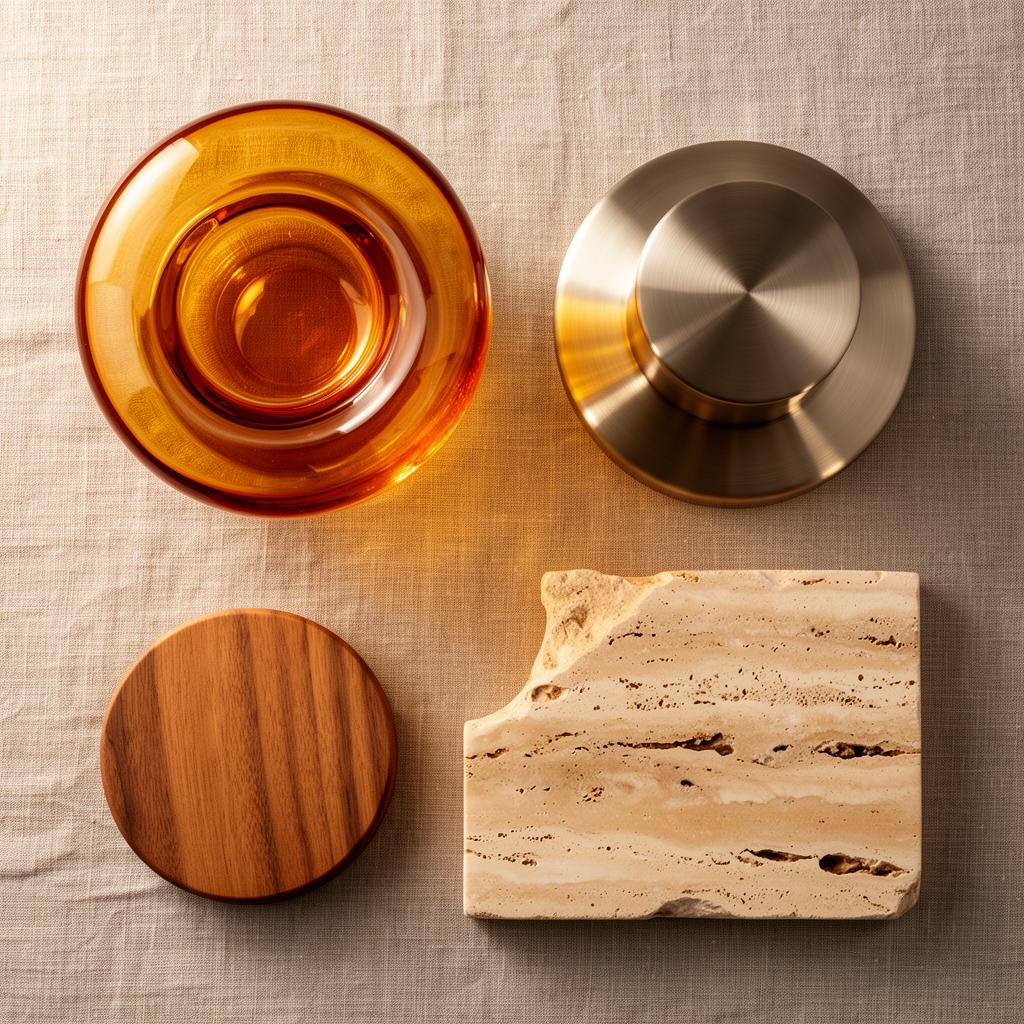
Surrounding finishes matter to the appearance of the result. A pale wall and a dark curtain do not present the same background. Rather than assuming a lamp will fill a corner because its shade looks translucent, inspect that corner with the lamp in place. Material labels alone do not establish coverage.
Stop when the room is usable, not uniformly bright
Some shadow can remain part of the room's character. The aim is not to illuminate each decorative object equally. Keep the distinction between a deliberately quiet background and a place people need to see clearly when they sit, reach or walk.
Warm-looking light may suit your evening preference, but it is not a promised physical effect or a substitute for visibility. Compare the overall appearance from your own seats, without treating a particular colour as compulsory.
Finish by recording the one gap that most affects use. Measure the supporting surface and check access to its control before considering another lamp. If a featured piece interests you, check the current specifications on the product page; its presence here is not a claim about how much of your room it will illuminate.
The pieces referenced above. Check current specifications, delivery and return details on each product page before ordering.
The Editor's Notes
Get the Lumière styling notes
One quiet essay a month on layering light and shaping the atmosphere of a room. No noise. Unsubscribe anytime.
The Editor's Notes
One essay. One piece. Once a month.
Quiet dispatches from the studio. Unsubscribe anytime.
For the hour after
For the hour after the overhead light goes off
Shop lamps built for the quiet part of the evening.
Share this guide