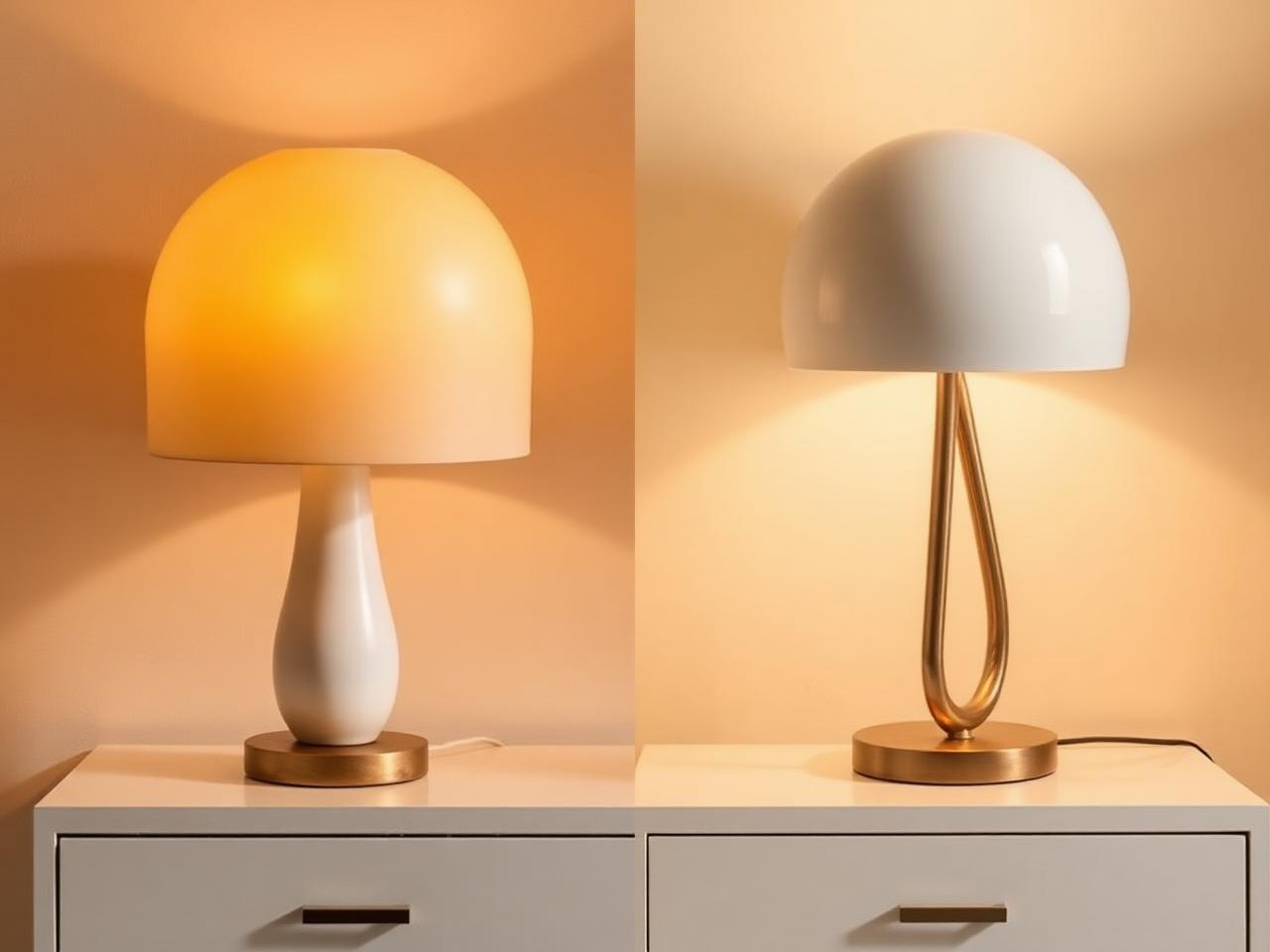
Frosted, Clear and Tinted Glass: Compare What You See
Compare source visibility, surface appearance and perceived colour. These glass descriptions are not brightness ratings.
By Lumière Light Studio Editorial
A glass shade that looks quiet on a white background may become the brightest object in your evening view. Another may look colourful while switched off yet reveal more of the source than expected when lit. To choose between glass descriptions, separate what the surface does from how the complete lamp appears.
Clear, frosted and tinted are not three mutually exclusive recipes. Glass can be both tinted and frosted, or coloured yet transparent enough to reveal the source. Read the full description rather than treating one word as a complete prediction.
Transparency and diffusion answer different questions
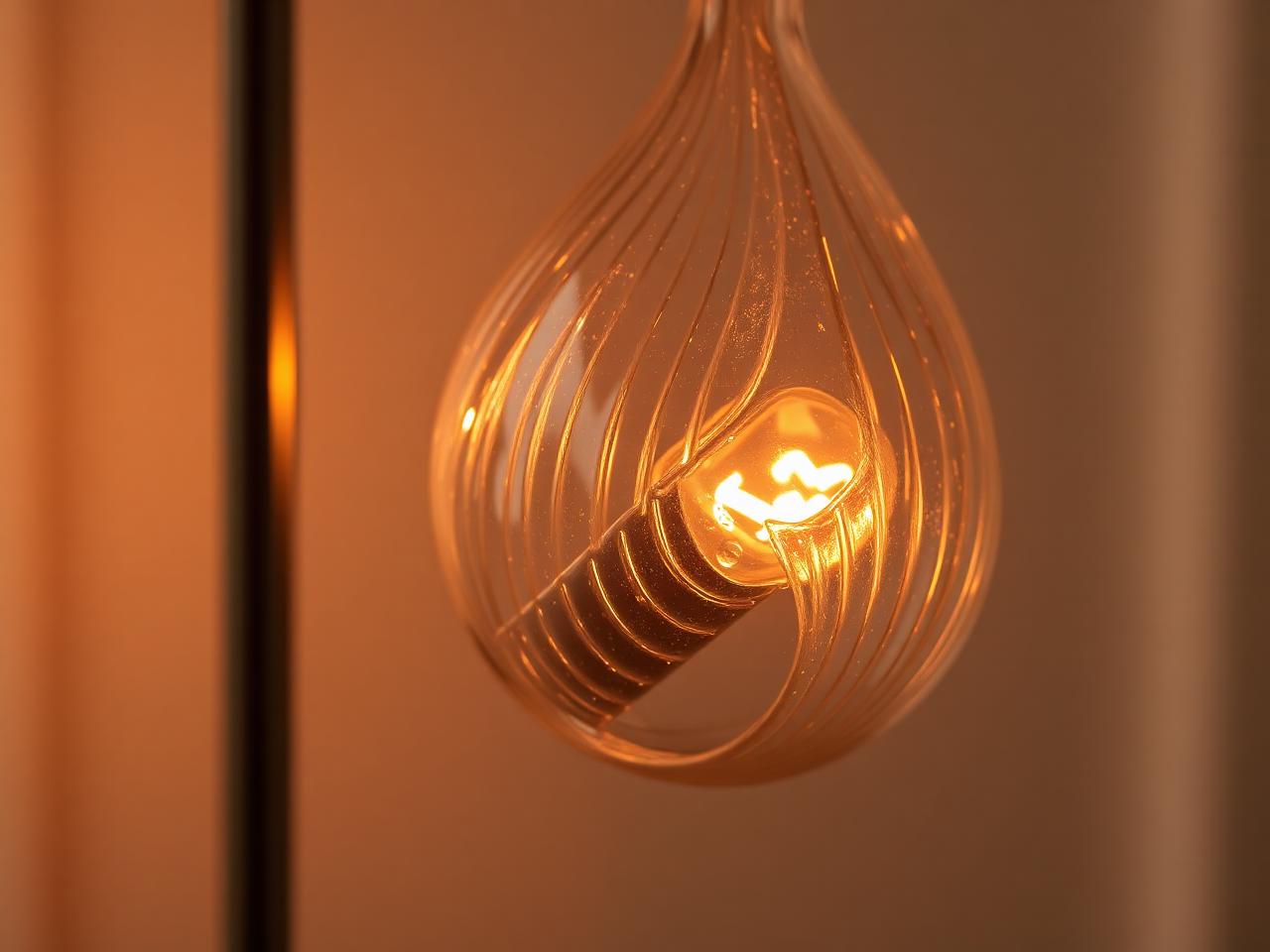
Clear glass generally lets you see detail through it. In a lamp, that may include the source or internal supports. Its surfaces can also reflect the surrounding room. If you like a visible source, this can be part of the appeal; if you want it concealed, clear glass alone may not meet that aim.
Frosting scatters light and can blur detail behind the surface. The result may look more diffuse, but frosting does not establish that the shade will be comfortable from every viewing angle. A bright area may still be visible, particularly near an opening or where the source sits close to the glass.
Tint concerns colour. It can influence the apparent colour of light passing through the glass, but it does not establish the light source's own colour specification. The result depends on both. A colourful shade is not a dependable substitute for checking the stated source.
Compare the properties side by side
| Property | What to look for | What it does not establish |
|---|---|---|
| Clear surface | Visible detail behind the glass | Useful light on a nearby page |
| Frosted surface | Blurred source detail and a luminous surface | Comfort from every position |
| Tinted glass | Colour when unlit and when illuminated | The source's stated colour or output |
Use this comparison to identify the experience you prefer, not to rank the treatments. No transmittance figures or output estimates follow from these labels. Shape, openings and the source remain part of the result.
Check both the lamp and the things beside it
Look for unlit and illuminated views of the same product. In the first, notice colour and transparency. In the second, notice whether you see a distinct source, a bright patch or a more continuous surface. Differences in photographic exposure mean the images cannot reliably tell you how bright two lamps are relative to each other.
Consider your own sightline too. A source hidden from a standing view might be visible from a low chair. If the lamp will sit near pale objects, coloured glass may influence their appearance when lit; decide whether you want that local effect rather than assuming the room will retain its daytime colours.
Choose the property that matters most: seeing the source, obscuring its detail or introducing colour. Then verify the exact shade description and inspect the complete lamp. For Lumière options, check the current specifications on the product page and ask support about any glass treatment that is not documented.
The Editor's Notes
Get the Lumière styling notes
One quiet essay a month on layering light and shaping the atmosphere of a room. No noise. Unsubscribe anytime.
The Editor's Notes
One essay. One piece. Once a month.
Quiet dispatches from the studio. Unsubscribe anytime.
For the hour after
For the hour after the overhead light goes off
Shop lamps built for the quiet part of the evening.
Share this guide