Blown Glass Lamps: What the Technique Does and Does Not Tell You
Blown glass describes a forming technique. Assess a lamp’s finish, visible source and care separately from its production method.
By Lumière Light Studio Editorial
A glass lamp can look appealing for several different reasons: a continuous curve, a visible light source, a coloured surface or reflections from the room. Calling the glass blown explains something about forming it. It does not, on its own, explain which of those qualities a particular lamp will have.
Blown glass is a general technique in which air expands softened glass into a hollow form. The technique can involve different tools and production settings. This explanation is not a claim about Lumière production. The available product specifications do not document a glass-forming method.
A forming method is not a complete description
Blowing, moulding and surface finishing describe different aspects of making a glass object. A blown form may be shaped with a mould. A smooth curve is not proof of one particular process, and a photograph rarely reveals the full sequence used to make an object.
Small visual variations can occur in glass, but they are not a reliable certificate of origin or technique. Equally, a regular shape does not establish that a piece was made by a particular process. If production method matters to your choice, ask for an explicit description of that product rather than interpreting a bubble or irregular edge as evidence.
Judge the light through the finished shade
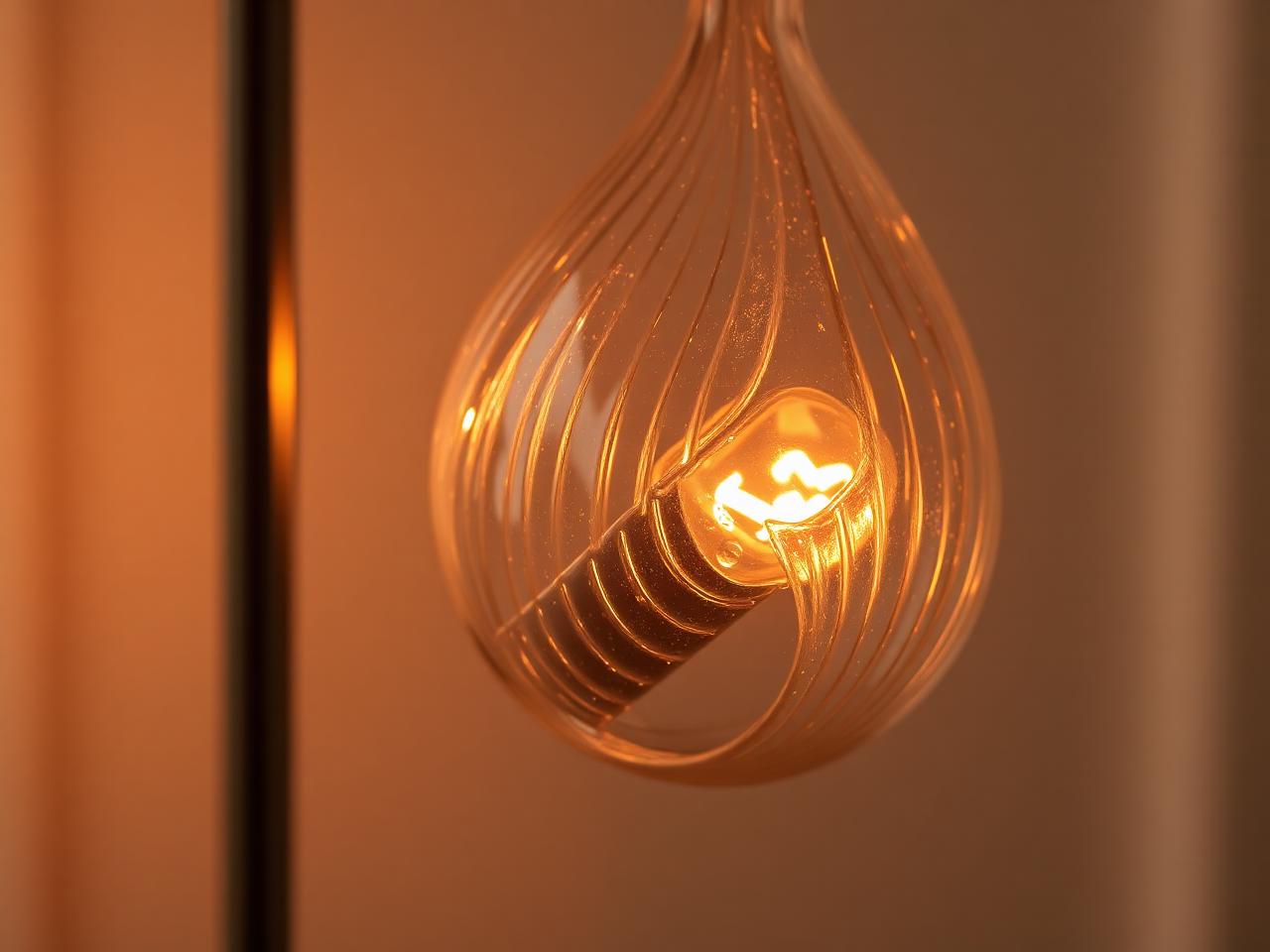
The finished glass, its shape and its relationship to the source affect what you see. A clear surface may leave the source visible. A frosted surface can obscure detail behind it. A coloured surface may alter the apparent colour of light passing through it. These are separate properties from the forming technique.
That separation matters when comparing lamps. A blown clear shade need not look more diffuse than another clear shade made differently. Nor does blowing establish warm light. Consider the stated light source and the complete shade rather than attributing the result to the technique alone.
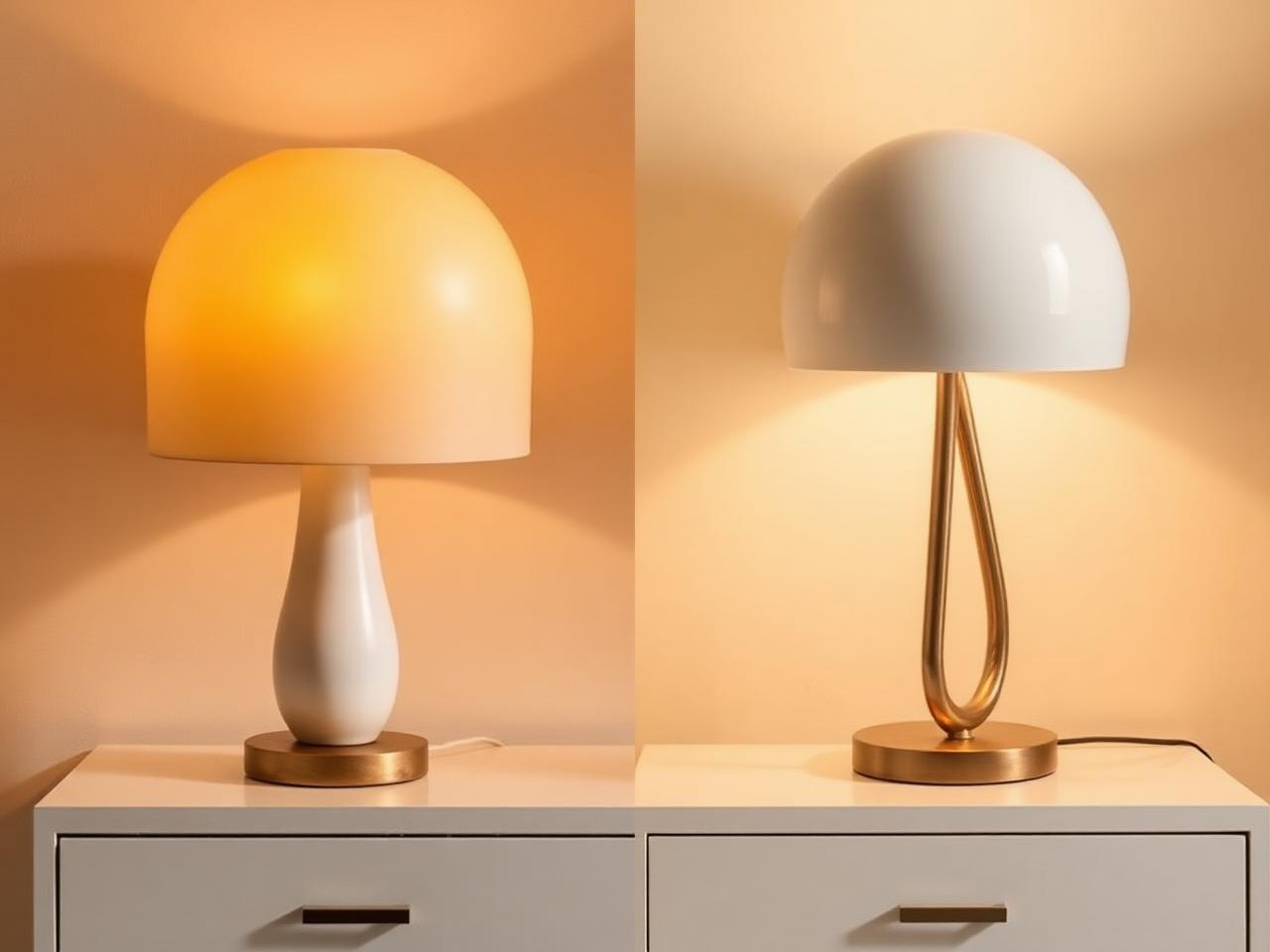
Look for a view with the lamp off and another with it lit. The first helps you understand shape and transparency; the second helps you notice the visible bright areas. Photographs remain limited by their exposure and surroundings, so use them to identify questions rather than to estimate output.
Do not turn a technique into a durability promise
Glass construction varies. The word blown does not establish resistance to impact, a lifespan or an advantage over other forming methods. Follow the handling and placement instructions for the exact lamp. Keep the full base supported and avoid positions where routine movement brings bags or objects against the shade.
Cleaning also depends on the complete product. A lamp may include coatings, fittings and other surfaces with different requirements. Disconnect power first and follow its care instructions; if they do not identify a suitable method, ask support before trying a cleaner.
For a practical choice, separate three questions: what production method is actually documented, what the finished shade looks like, and how the lamp is intended to be cared for. An honest answer to each is more useful than treating one technique as a guarantee of beauty or performance.
The Editor's Notes
Get the Lumière styling notes
One quiet essay a month on layering light and shaping the atmosphere of a room. No noise. Unsubscribe anytime.
The Editor's Notes
One essay. One piece. Once a month.
Quiet dispatches from the studio. Unsubscribe anytime.
For the hour after
For the hour after the overhead light goes off
Shop lamps built for the quiet part of the evening.
Share this guide