Lighting for Airbnb Stays: A Repeatable Guest Setup
Make arrival, bedside controls and between-stay resets easier to follow, without relying on guests to understand an unfamiliar lighting system.
By Lumière Light Studio Editorial
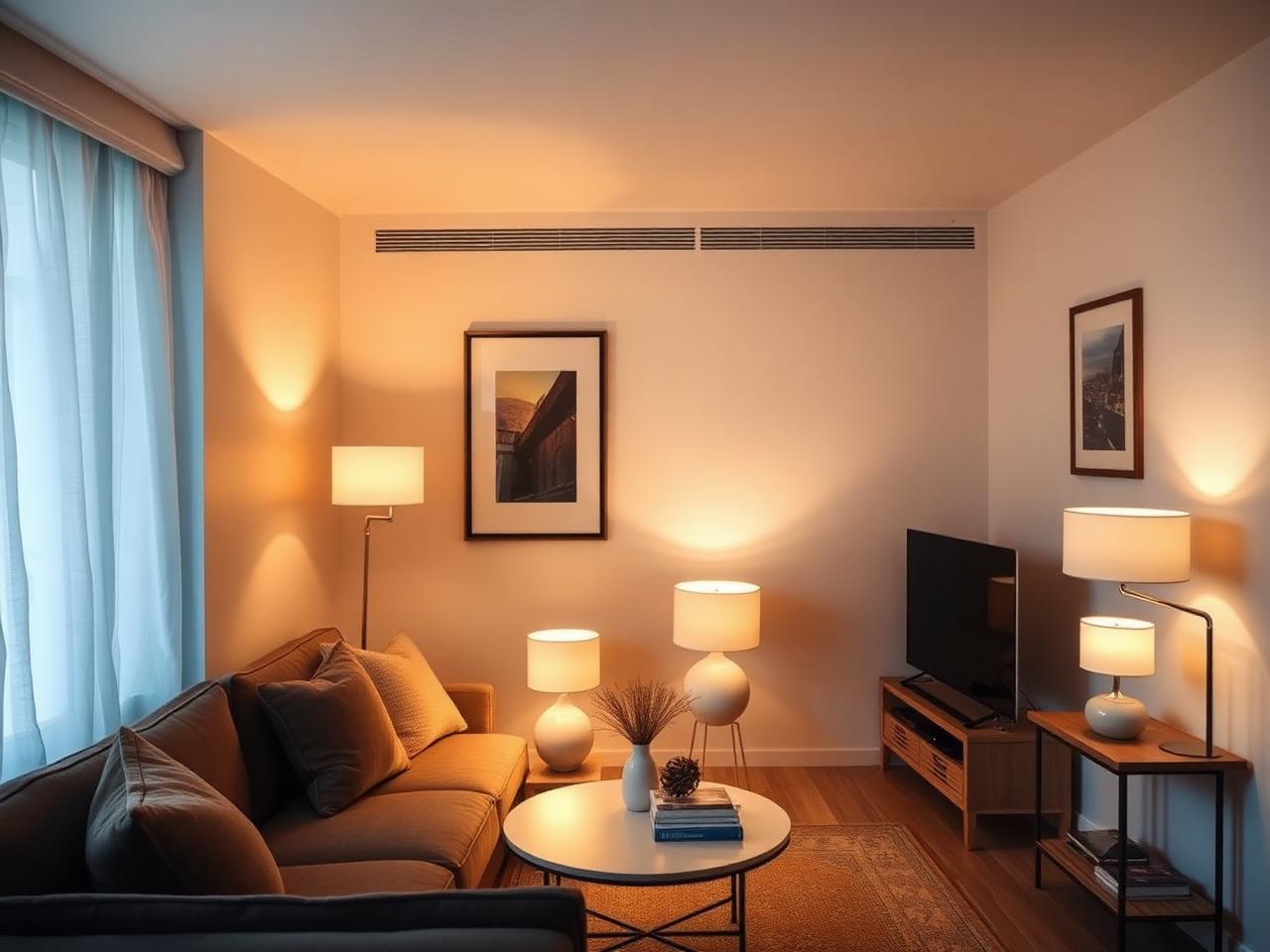
A guest arriving with bags should not need to investigate the lighting before finding somewhere to put them down. For a host, the useful question is not how many lamps will look attractive in a photograph. It is whether an unfamiliar person can find light, operate it and leave the room without guessing which switch does what.
Begin with the route from the entrance to the living area and bed. Then make a repeatable setup for the person preparing the property. This is an operating plan, not a promise of more bookings or better reviews. The arrangement needs to work in the actual rooms, under the local rules that apply to the property.
Make arrival light easy to find
Stand just inside the entrance with the door in its normal open position. Look for the first control a guest can reasonably identify. A lamp hidden behind the door or a switch concealed by coats may suit a photograph but be awkward on arrival. Keep the usual entry control visible and explain it in the arrival instructions.
Where appropriate under the lamp instructions and property arrangements, include an entry light in the arrival setup. Decide who turns it on and how its state is checked before arrival. If the timing cannot be managed reliably, give clear directions to the light the guest can operate at the entrance instead of promising a lit room.
An entry accent lamp is not a substitute for the functional lighting needed along the route. Retain access to installed lights. Walk towards the bedroom carrying an ordinary bag and notice whether furniture, an open door or a trailing cable interferes with the route. Move the arrangement rather than expecting guests to navigate around it.
Label controls by place and purpose
Use plain names that match what a person can see: entry light, sofa lamp, left bedside lamp. Avoid instructions such as “use the little switch” when several controls look alike. Keep any labels legible and place them where they help someone identify the intended control without covering product information or affecting its operation.
For each room, write down which wall switch operates which light and where each lamp control sits. A switch on a cable can disappear behind a table during cleaning. A control on a base may become difficult to reach when a tray is placed in front of it. Check the finished room, not an empty version before styling.
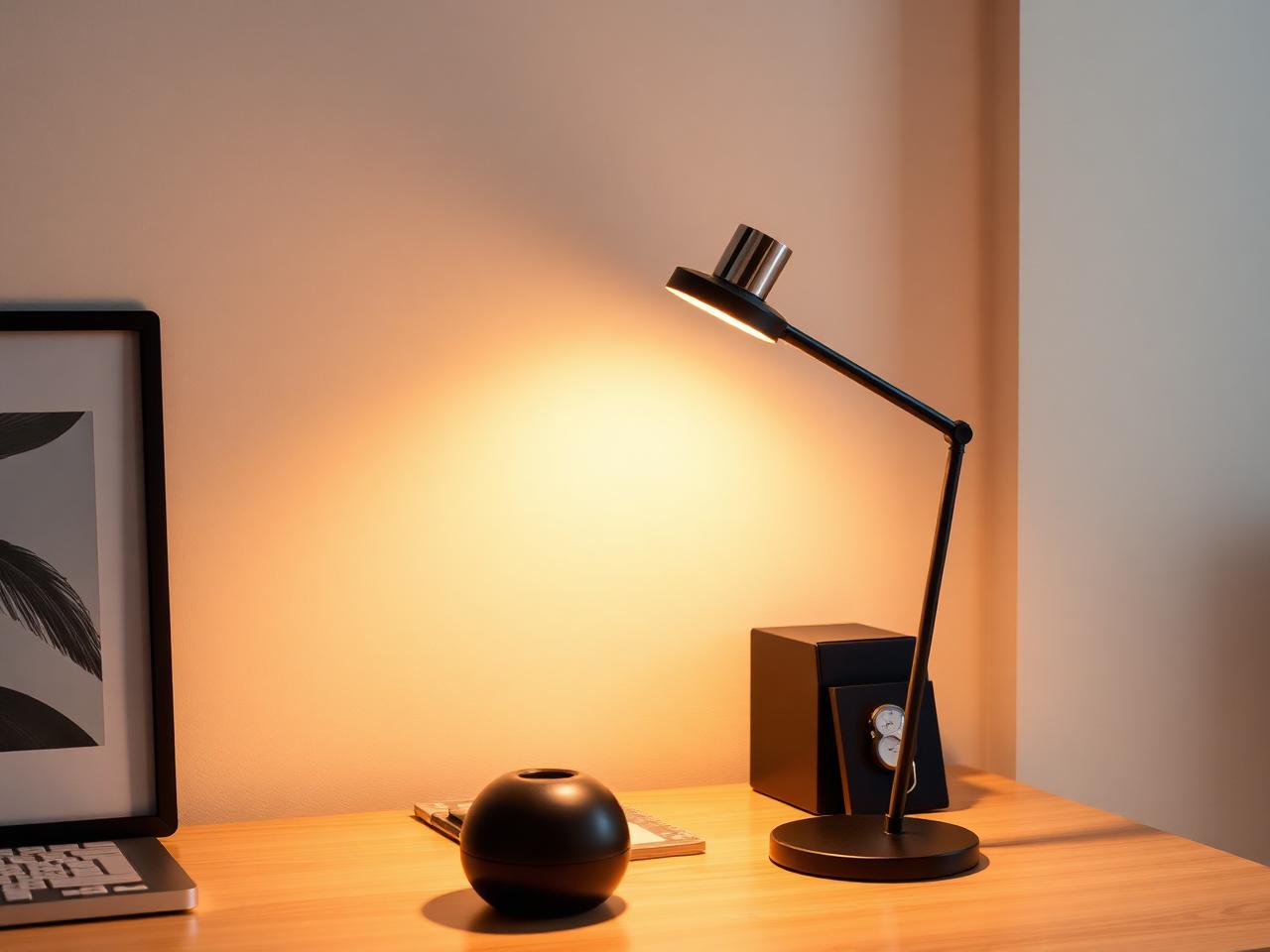
Use only features confirmed for the actual lamp. Do not describe brightness adjustment if its control only turns it on and off. If a lighting arrangement depends on an app or an unfamiliar sequence, consider whether a simpler guest-facing option would be easier to explain. Decorative appearance does not establish how a control works.
Test bedside reach from the bed
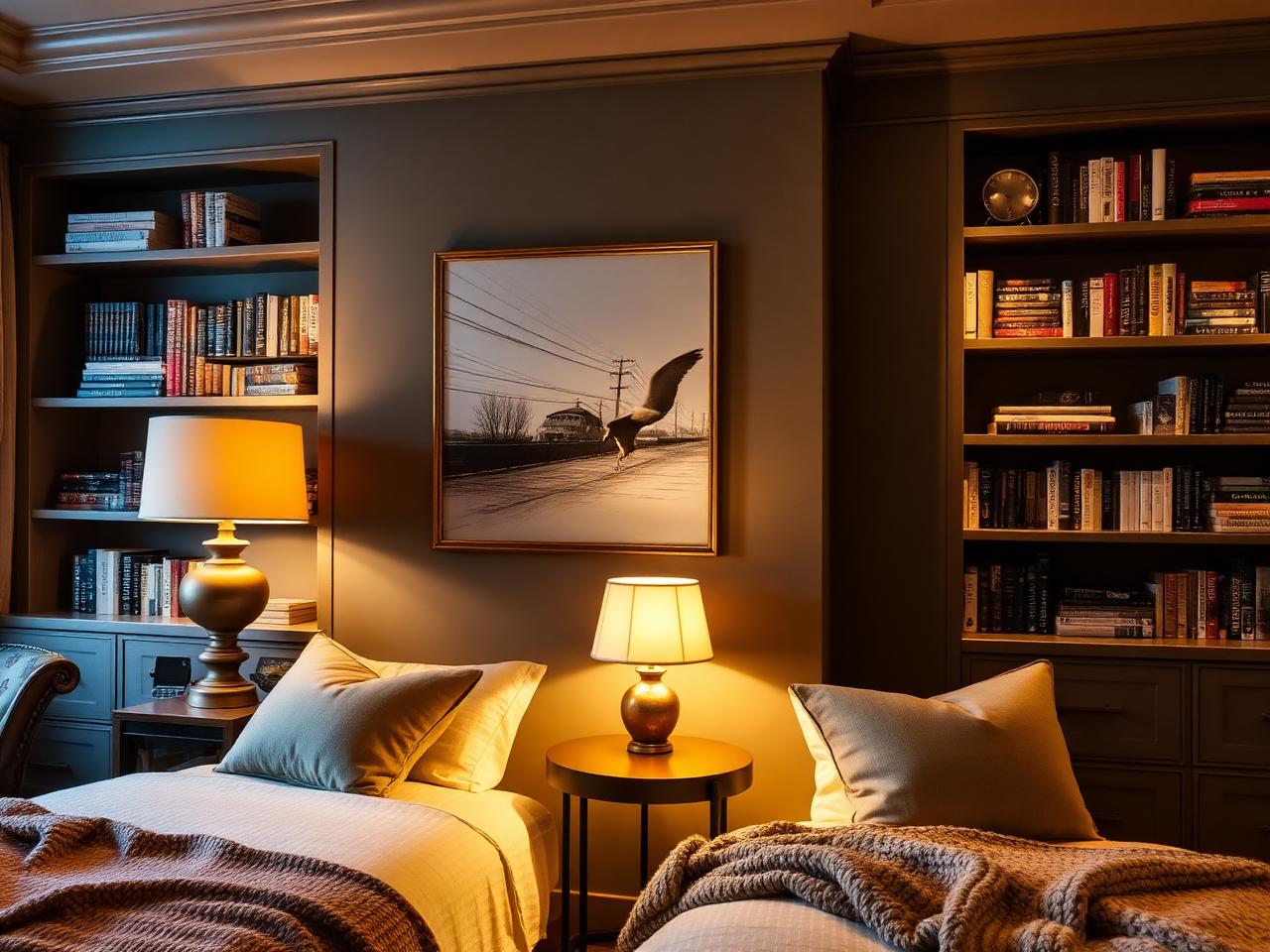
Sit and lie in the positions a guest is likely to use. Can the lamp be turned off without getting out of bed, moving furniture or reaching across another person? Test each side separately. Matching lamps do not solve different surface heights or different distances between the mattress and the tables.
Leave usable space for personal items and keep the control distinguishable from nearby charging leads. Check the view towards the lamp while propped against the pillows. If the source is distracting, try a different position within the manufacturer's placement guidance. A tidy arrangement still needs to be comfortable to operate.
If the room is offered with a reading place, assess that job separately with an actual page in the intended position. An attractive glow does not prove that a decorative lamp supports reading there. Keep the general room light available so guests have a clear alternative when the smaller light is insufficient for their activity.
Reset a defined arrangement between stays
Make a short room-by-room record with a reference image and written control locations. The image shows placement; the words explain operation. Record an arrival state rather than a vague instruction to make the room cosy. That makes the setup easier to repeat when different people prepare the property.
- Restore lamps to their recorded surfaces and check that doors and drawers still open freely.
- Check normal on/off operation using the product instructions, then return each light to its intended arrival state.
- Return cable controls to their accessible positions and check that cables have not been pulled into walking routes.
- Remove objects that conceal controls or crowd the bedside surface.
- Follow the manufacturer's care instructions and flag visible damage or abnormal operation rather than attempting repairs.
- Confirm that arrival instructions and the house manual describe the arrangement now in the room.
Keep any issue separate from the ordinary reset. A lamp that appears damaged should not be treated as ready simply because it still turns on. Refer it to the appropriate support route and provide another suitable lighting option while the issue is addressed.
Keep the manual local and specific
Review local requirements and the property's own arrangements before changing lighting. This article does not establish permissions, electrical compliance or platform-wide requirements. Refer electrical questions to a qualified professional and product questions to the manufacturer or seller. Use only the cable or adapter specified by the product listing or manufacturer; ask support if it is unclear.
The guest-facing manual can stay brief: where the main controls are, how the lamps operate and whom to contact if something does not work. Begin by checking the arrival route and both bedside positions, then write the reset instructions while the arrangement is still in front of you.
The Editor's Notes
Get the Lumière styling notes
One quiet essay a month on layering light and shaping the atmosphere of a room. No noise. Unsubscribe anytime.
The Editor's Notes
One essay. One piece. Once a month.
Quiet dispatches from the studio. Unsubscribe anytime.
For the hour after
For the hour after the overhead light goes off
Shop lamps built for the quiet part of the evening.
Share this guide