Travertine Lamps: Check the Stone, Surface and Setting
Explore travertine as a material without assuming that a stone-like lamp contains it. Verify composition and care before choosing.
By Lumière Light Studio Editorial
If a pale, textured lamp appeals to you, begin by separating the look you want from the material you expect. A stone-like surface, a natural stone base and a named stone such as travertine are not interchangeable descriptions. A product name does not settle the question either.
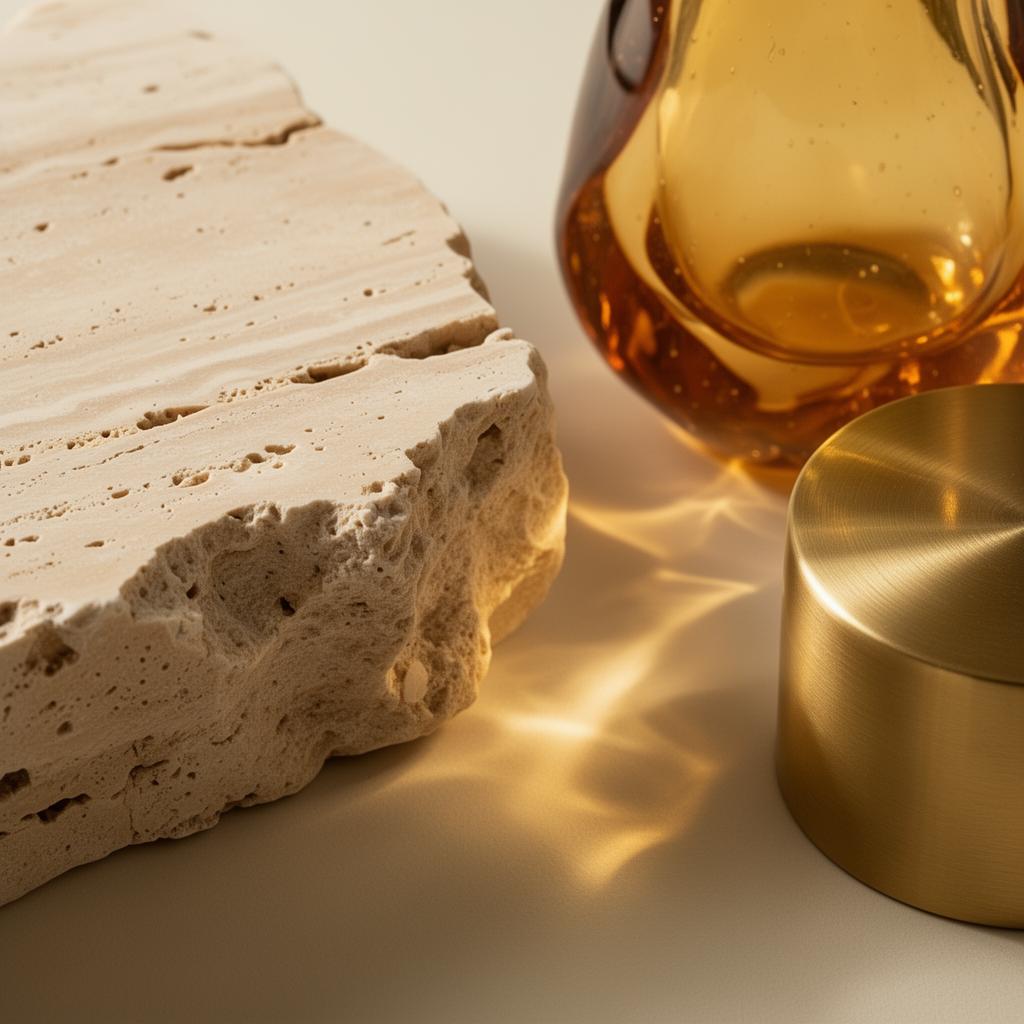
Travertine is a type of limestone that can show pores, bands and colour variation. Those characteristics can be visually appealing in an interior, but their appearance varies with the particular stone and its treatment. This is general material context, not confirmation that any Lumière lamp contains travertine.
Confirm which part is made from the stated material
Read the exact product description rather than relying on a collection name or an image. Ask whether the material refers to the base, another component or only a visual finish. If the specification does not identify it, leave it unresolved until support can clarify.
The same caution applies to origin and production. A texture does not establish where a material came from or how a lamp was made. There is no need to attach an imagined history to a surface to decide whether it works with your furniture.
Texture can complement a room without becoming a theme
Look at the surfaces already nearby. A subtly varied base can offer contrast beside smooth cabinetry or plain walls. Beside a strongly patterned tabletop, that variation may feel quieter or busier depending on the colours and how much of each surface remains visible.
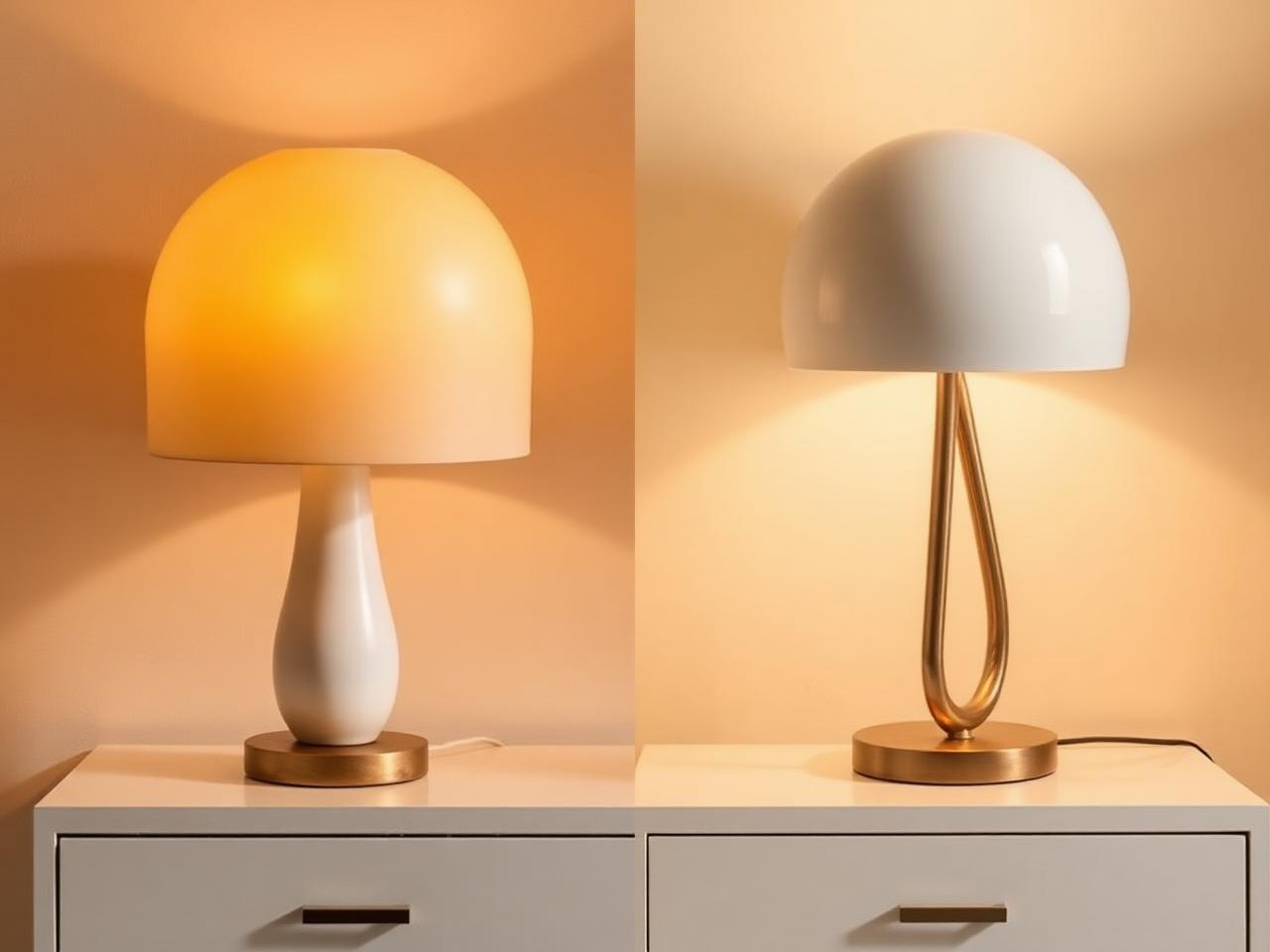
Think about the whole lamp, not only its base. A broad shade can dominate the outline while leaving little stone visible. A simpler upper form may give more attention to the base. Neither arrangement is inherently better; choose according to the part you want to notice from the room's normal viewing position.
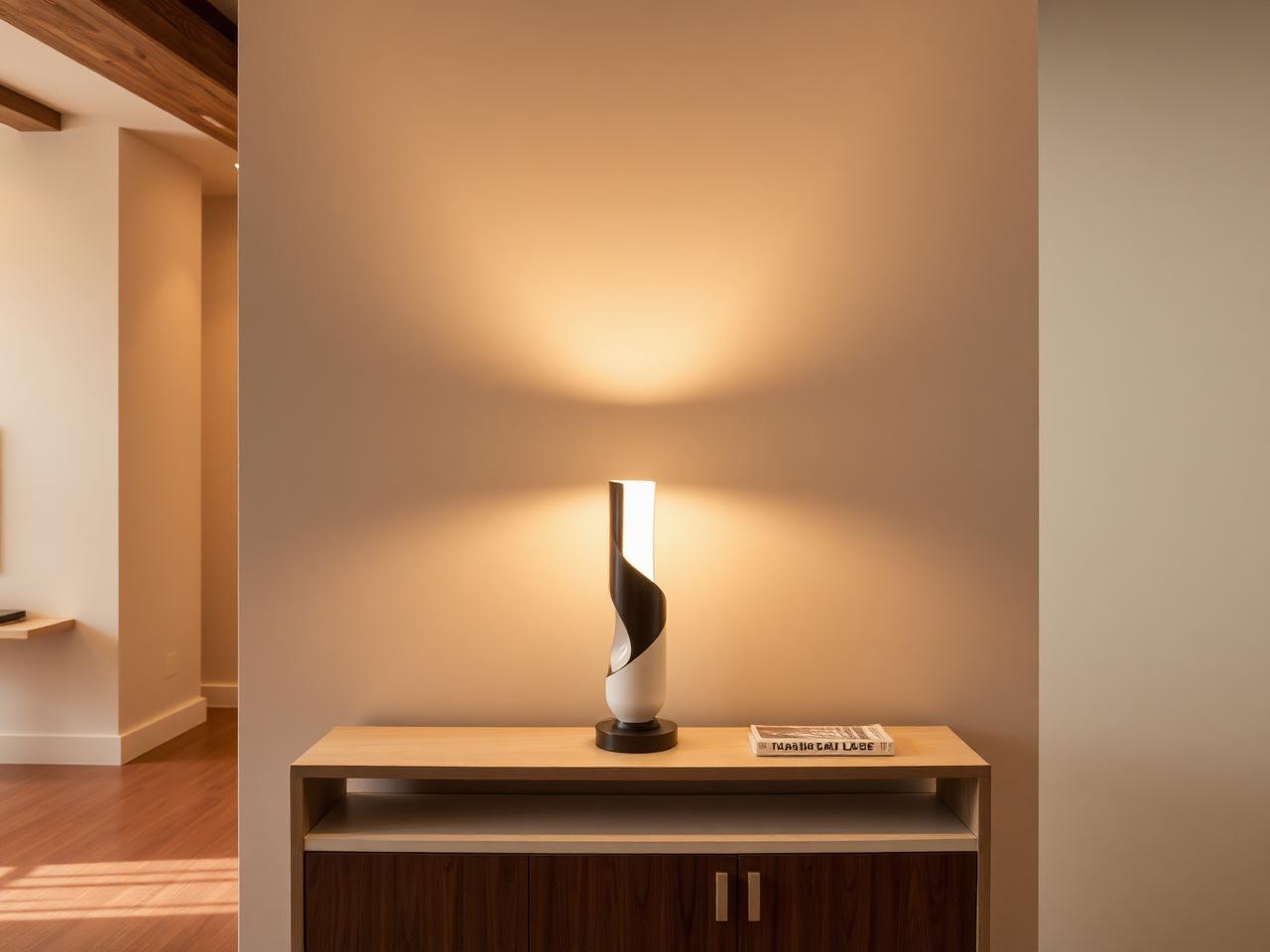
Examine the lamp in relation to daylight and your existing evening lighting. Texture can appear more or less pronounced as the direction of light changes. Product photographs offer examples, not a promise that the same contrast or colour will appear at home.
Material alone does not establish practical suitability
A stone description does not tell you the total mass, stability or dimensions of a finished lamp. Check those details where they are provided, and confirm that the supporting furniture can accommodate the product. Avoid assuming a compact base will suit a narrow surface simply because it looks substantial.
Ask about the surface treatment and the manufacturer's care instructions. Natural stone can require specific care, and a lamp includes more than the stone itself. Do not choose a cleaning product from the material name alone. Disconnect power before cleaning and seek clarification if the finish is not identified.
Before committing to a material, note which quality matters most: colour variation, a textured appearance or confirmed stone composition. That distinction can simplify your search. Verify the actual construction, measure the proposed position and decide whether you still like the complete lamp when the material story is set aside.
The pieces referenced above. Check current specifications, delivery and return details on each product page before ordering.
The Editor's Notes
Get the Lumière styling notes
One quiet essay a month on layering light and shaping the atmosphere of a room. No noise. Unsubscribe anytime.
The Editor's Notes
One essay. One piece. Once a month.
Quiet dispatches from the studio. Unsubscribe anytime.
For the hour after
For the hour after the overhead light goes off
Shop lamps built for the quiet part of the evening.
Share this guide