Getting Ready Before Sunrise: Place Light Where You Dress
Choose light for clothes, small belongings and a bedroom mirror without putting a bright source in your view.
By Lumière Light Studio Editorial
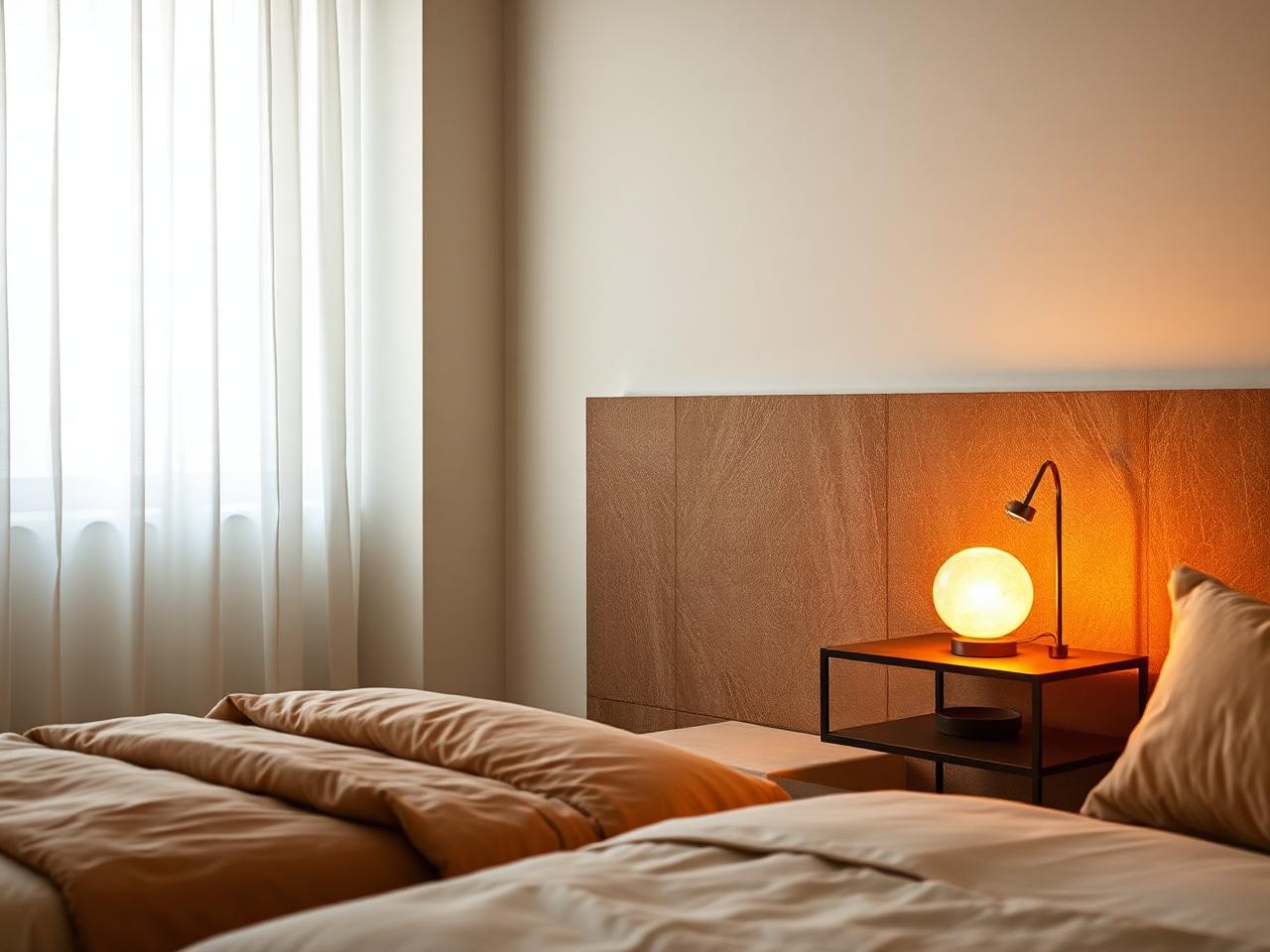
Before sunrise, the bedroom lamp may have to do a job that daylight normally handles: show the contents of a drawer, the front of an outfit or the small objects on a dressing table. A bedside arrangement chosen for use from bed is not automatically useful when you are standing across the room.
Begin in the dry bedroom or dressing area where you actually get ready. This is not a suggestion to take a decorative lamp into a bathroom or place it beside water. Keep any bathroom lighting question within a separate, appropriate installation plan.
Choose by what needs to be visible
First separate three needs: moving around the room, selecting belongings and seeing yourself in a mirror. One source might help with more than one, but establish that in use rather than assuming it from a photograph. Keep the room's general light available while evaluating a local lamp.
| Morning job | What to check in place |
|---|---|
| Finding clothes | Drawer interiors and labels remain visible when you stand in front |
| Using a dressing mirror | The face and clothing are visible without a bright reflected source |
| Collecting small belongings | The tabletop is lit without your hand blocking the useful light |
An adjustable task lamp may be worth considering for a specific surface if its documented functions match the need. A decorative table lamp can contribute background light, but its appearance does not prove task performance. Confirm controls, dimensions and light information in the current listing before choosing.
Put the light outside your own shadow
Open the wardrobe and stand in your normal position. A light directly behind you can leave your body between the source and the clothes. Try a permitted position to one side, on a stable surface, and compare the view inside. Do not place a portable lamp among clothes to solve a dark compartment.
At a dressing table, test with the drawer open and your hands on the surface. The lamp needs space after brushes, glasses and other belongings are returned. If reaching the control means moving these objects each morning, the position is not yet convenient.
For a mirror, start by looking for the source itself in the reflection. Shift your standing position slightly, as you would while dressing. Moving the lamp to a different suitable surface may clear the reflection, but check whether that move leaves one side of your face much darker.
Assess colour separately from warmth
A warm or cool appearance does not establish how faithfully colours will appear. If distinguishing similar fabrics or choosing cosmetics matters, ask about published colour-rendering information rather than treating a colour-temperature label as sufficient evidence.
Keep colour choices provisional when the available lighting does not give you a convincing comparison. Two dark fabrics that look alike before sunrise may separate in daylight. This is a limit to recognise, not a reason to promise that a decorative lamp can reproduce daylight.
Set out tomorrow's clothes once under your proposed arrangement. Open the storage, use the mirror and collect the small belongings. Change the position that produces the clearest obstruction or glare before deciding that another lamp is needed.
The Editor's Notes
Get the Lumière styling notes
One quiet essay a month on layering light and shaping the atmosphere of a room. No noise. Unsubscribe anytime.
The Editor's Notes
One essay. One piece. Once a month.
Quiet dispatches from the studio. Unsubscribe anytime.
For the hour after
For the hour after the overhead light goes off
Shop lamps built for the quiet part of the evening.
Share this guide