Make an Apartment Look More Considered With Lighting
Use a clear focal point, usable surfaces, and a checked evening view to create a cohesive apartment lighting arrangement.
By Lumière Light Studio Editorial
An apartment does not need to imitate a more expensive address to look considered. A clear arrangement can come from deciding what deserves attention, what needs light, and what is simply taking up space. Lighting is one part of that work, alongside furniture, storage, and the way the room is used.
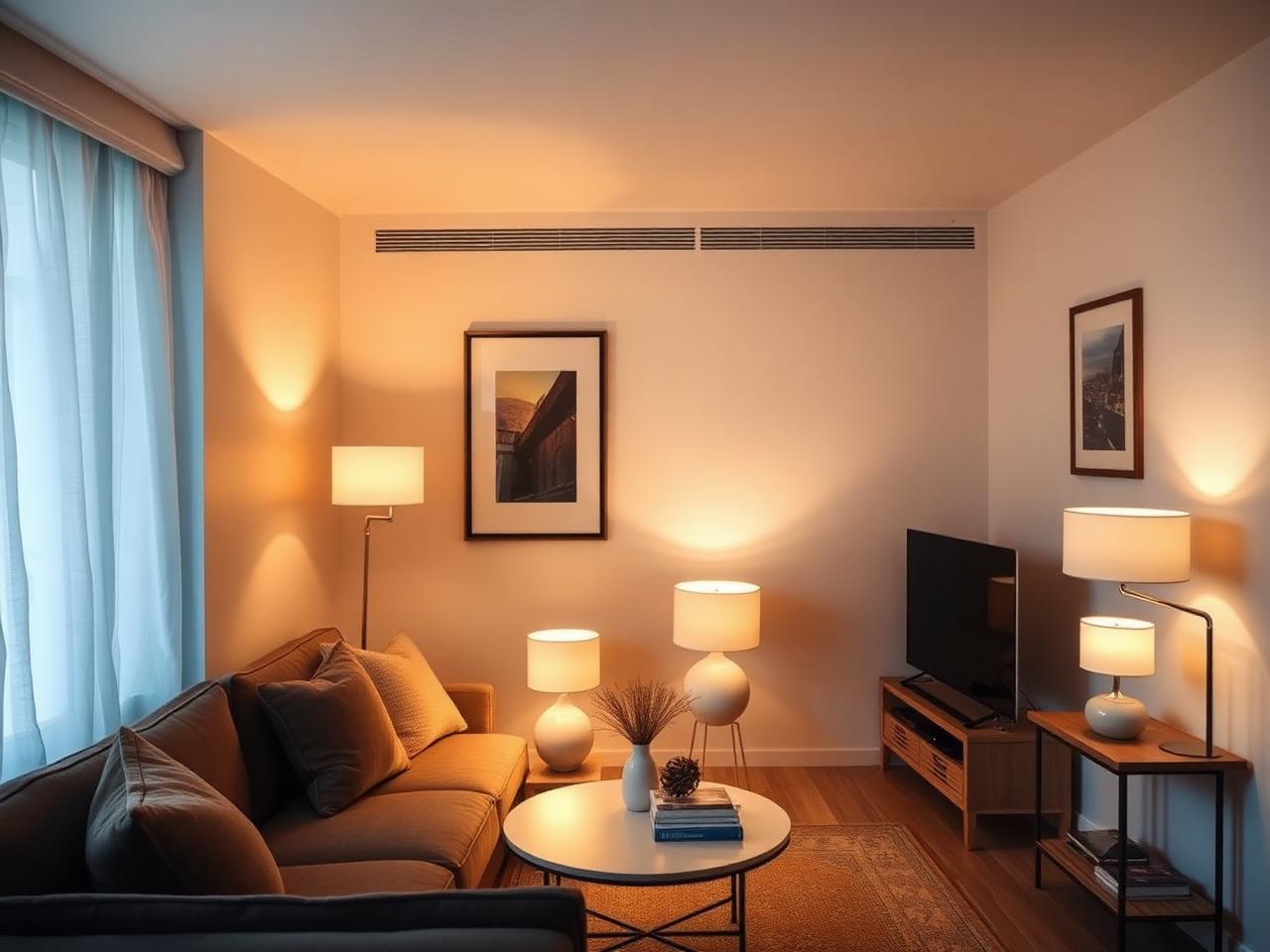
Rather than comparing rents or trying to reproduce a penthouse photograph, choose one view you would like to improve. The doorway is a useful starting point because it shows how several objects relate. Then check the same arrangement from the place you actually sit.
Choose a focal point rather than filling surfaces
A lamp can be the main object on a console, or it can sit quietly beside a picture you care about. Decide which role it has before adding decorative objects around it. If several pieces compete for attention, remove one and compare the view again.
This is not a rule that every surface needs a lamp. A clear table may be more useful, and an unlit object may still belong in the composition. Put light where it serves the room rather than treating empty surfaces as gaps in a scheme.
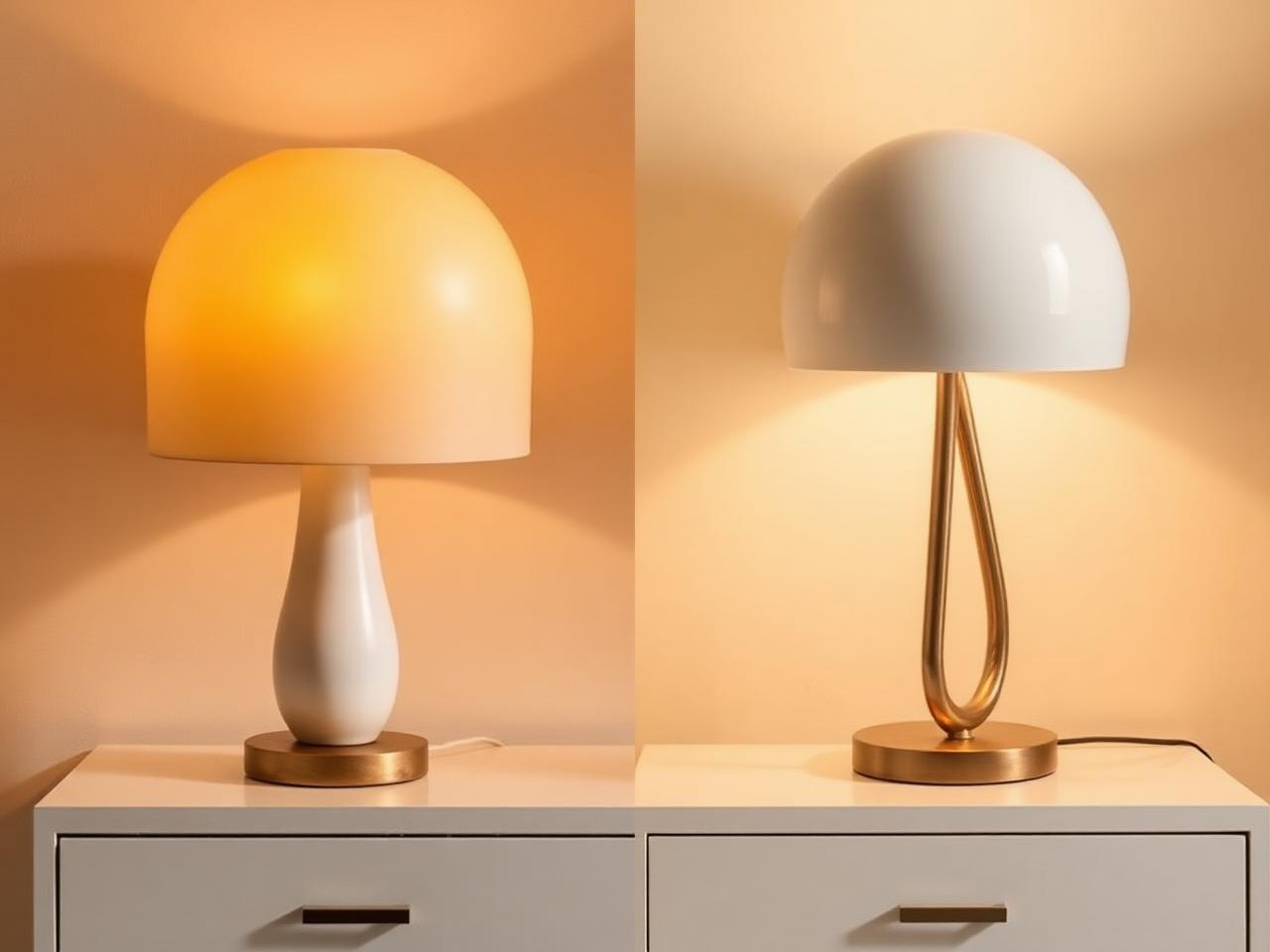
Consider the lamp when it is off as well as on. Its outline, colour, and relation to nearby furniture remain visible during the day. A shape you like in a close photograph may feel crowded beside a curtain or above a narrow table. Measure the complete outline before deciding.
Compare neighbouring light in the actual room
Two light sources seen together may appear different in colour or intensity. That can be intentional, or it can distract from the view you want. Try the combinations available before deciding that every source needs to match.
Do not replace or alter an installed fitting as part of a styling experiment. If a product change is needed, follow the manufacturer's requirements and resolve any permission or compatibility questions first. Extra controls are not universal accessories; do not add a dimming device on the assumption that it will work with a lamp.
Reflections can disrupt an otherwise simple arrangement. Check mirrors, glossy furniture, and television screens from ordinary viewing positions. A small change in lamp location may remove a conspicuous reflection, but the result depends on the actual source and surface.
Finish the practical details before adding more
Pull the chair out, open the cupboard, and walk the route past the lamp. Check that its cable reaches the intended power source without crossing a walkway or being pinched. A composition that prevents ordinary use is not finished, however pleasing the photograph looks.
Keep surfaces edited around their purpose. On a console that receives keys and post, leave a genuine landing area. Beside a sofa, preserve space for the objects used during an evening. Empty space has a practical job as well as a visual one.
Take a comparison photograph from the same position after each change, without using it as proof that the room is better. Return to the seat and assess it in person. Keep the simplest arrangement that looks coherent and supports daily use, then measure any remaining gap before browsing for another piece.
The Editor's Notes
Get the Lumière styling notes
One quiet essay a month on layering light and shaping the atmosphere of a room. No noise. Unsubscribe anytime.
The Editor's Notes
One essay. One piece. Once a month.
Quiet dispatches from the studio. Unsubscribe anytime.
For the hour after
For the hour after the overhead light goes off
Shop lamps built for the quiet part of the evening.
Share this guide