Choosing a Lamp When the Ceiling Feels Close
Compare the whole lamp silhouette, furniture heights, and actual light pattern before choosing a smaller or taller piece.
By Lumière Light Studio Editorial
A tall lamp can feel crowded under a low ceiling even when it physically fits. The issue may be the shade's proximity to the ceiling, its overlap with a cabinet, or how much of the view it occupies. Choosing a shorter lamp addresses only one of those possibilities.
Compare the complete silhouette
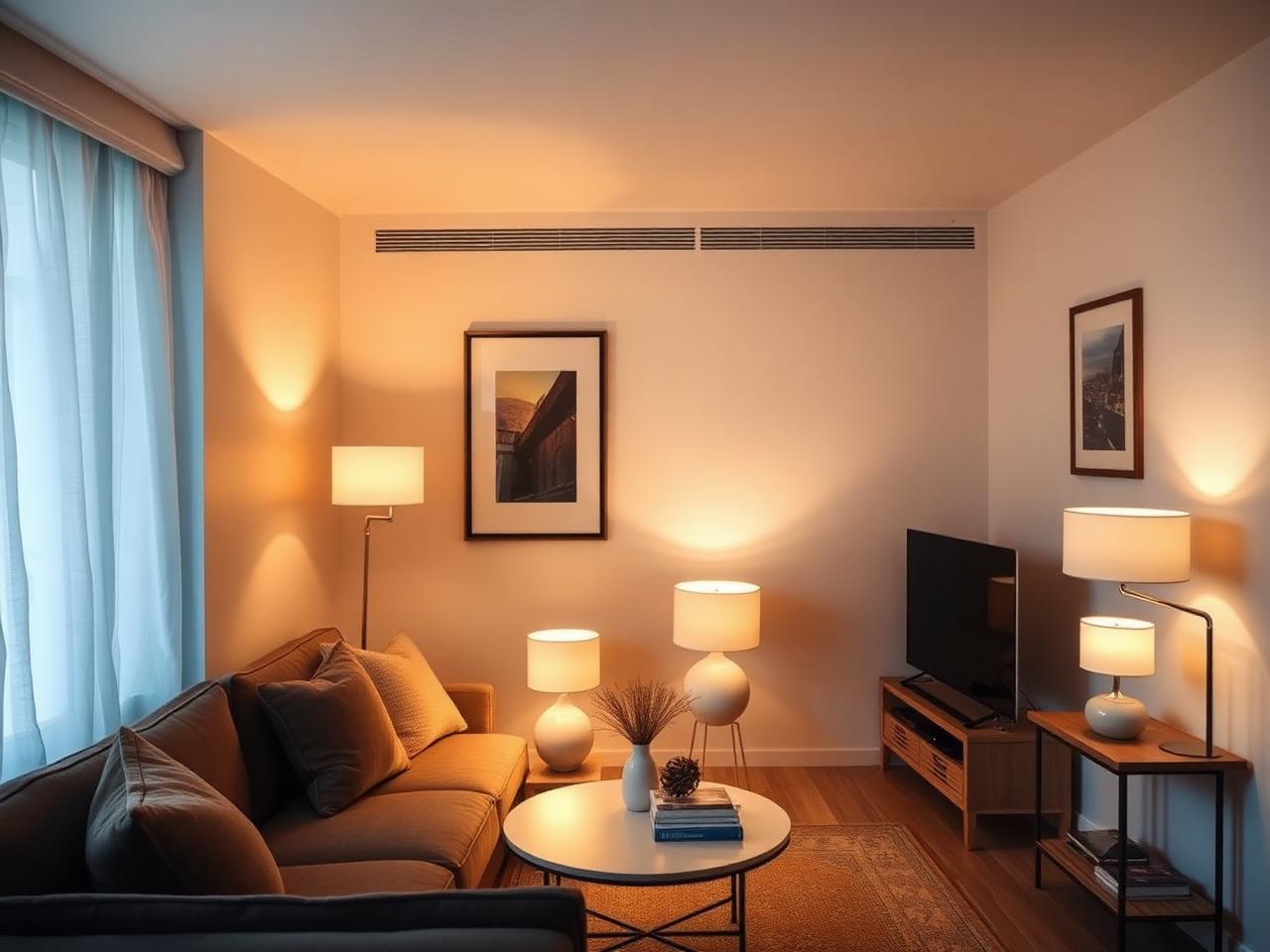
Stand in the doorway and note the furniture heights across the room. A tall bookcase, curtain rail, and lamp shade may form a crowded cluster. Move a freestanding lamp only according to its handling instructions, then compare a position with more space around it.
Measure the intended location and the lamp's full dimensions. Do not stop at overall height: a broad shade can crowd a room more than a narrow taller outline. Include nearby doors, curtain movement, and the routes beside furniture in the comparison.
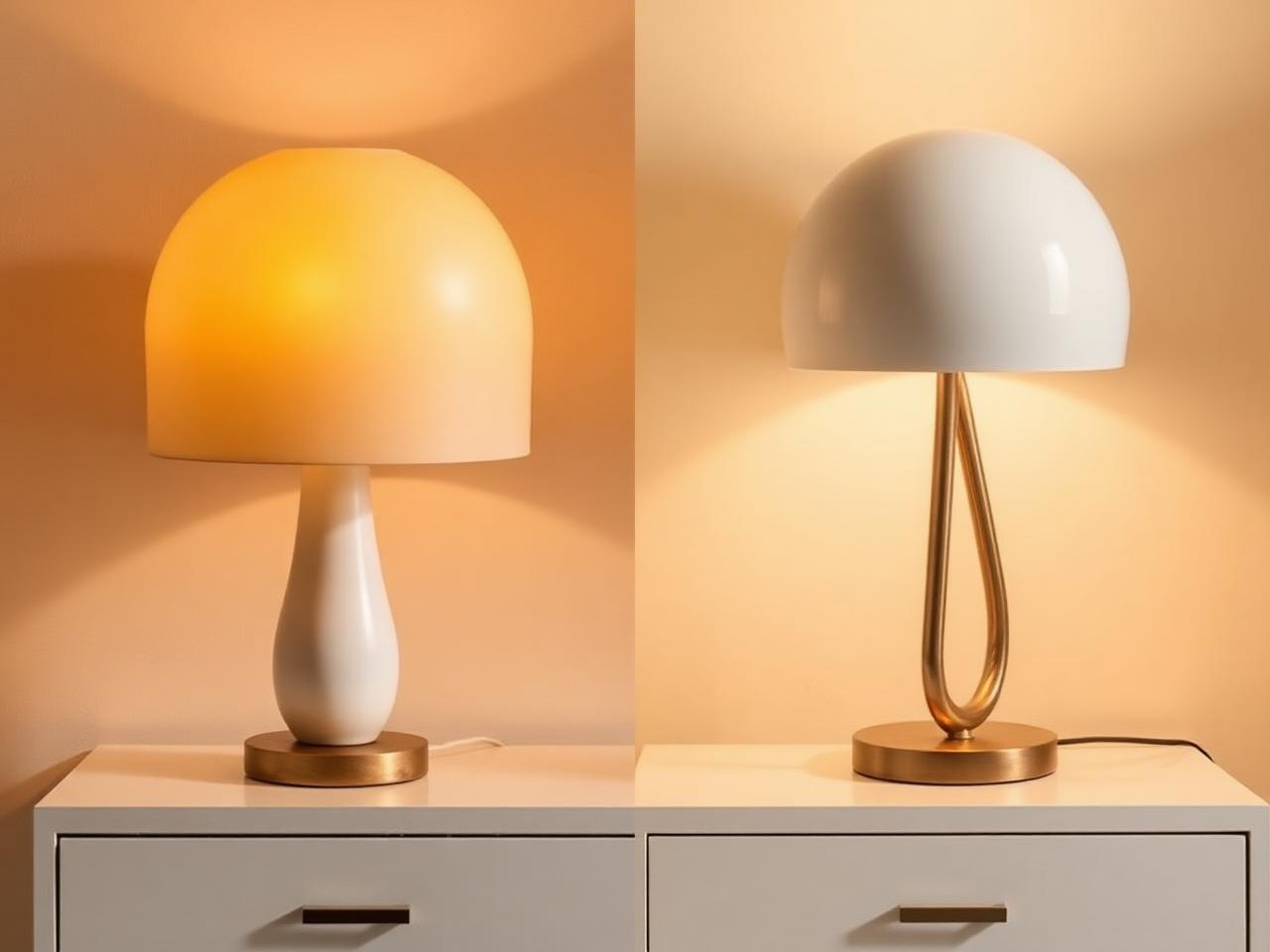
A table lamp begins at table height, not floor level. Add the surface height when considering where its top will sit. A compact object on a high cabinet can end up closer to the ceiling than a floor lamp beside a chair.
Separate visual space from useful light
| Option | Possible advantage | Question to resolve |
|---|---|---|
| Table-level lamp | Leaves a clear upper view | Is the table still usable? |
| Floor lamp | Frees a tabletop | Does its full outline crowd the route? |
| Existing ceiling light | Uses no furniture surface | Does it serve the activity comfortably? |
These are trade-offs, not rankings. A smaller shade does not establish greater brightness, and a taller source does not establish wider coverage. Check the actual light pattern where possible and ask about missing specifications before choosing.
Try an existing lamp on a suitable surface before buying. Look at the wall and ceiling as well as the source itself. A concentrated bright patch may draw attention to the ceiling you hoped to make less prominent. Another position may suit your preference better.
Judge from the seat as well as the door
Sit where the lamp will be seen most often. Check for a direct view of the source and for reflections in a screen or mirror. The arrangement that looks spacious while standing may feel intrusive beside your chair.
Preserve the light needed for ordinary activities. A decorative piece is not a proven reading solution, and making the room visually quieter should not leave the working surface difficult to see. Keep useful existing lighting in the plan.
Record the outline that fits, the surface it needs, and the activity still requiring light. Those three notes make a better comparison than a height limit alone. Begin by measuring the combined furniture-and-lamp height at your preferred position.
The Editor's Notes
Get the Lumière styling notes
One quiet essay a month on layering light and shaping the atmosphere of a room. No noise. Unsubscribe anytime.
The Editor's Notes
One essay. One piece. Once a month.
Quiet dispatches from the studio. Unsubscribe anytime.
For the hour after
For the hour after the overhead light goes off
Shop lamps built for the quiet part of the evening.
Share this guide