Position Light Around Hands and Fabric at a Craft Table
Check hand shadows, raised fabric and small tools in the work position. Separate detail visibility from colour-matching claims.
By Lumière Light Studio Editorial
A seam can disappear into shadow as soon as you bring both hands to it. The empty craft table may look well lit, yet the part being worked on sits behind a raised fold or beneath your fingers. Handwork lighting needs to be checked during the action, not just before materials are laid out.
Choose one representative task for the first check. Threading, following a marked line and comparing fabrics are not identical lighting questions. Start with the detail you most often struggle to see and keep the other materials nearby for comparison.
Follow the hands through the work
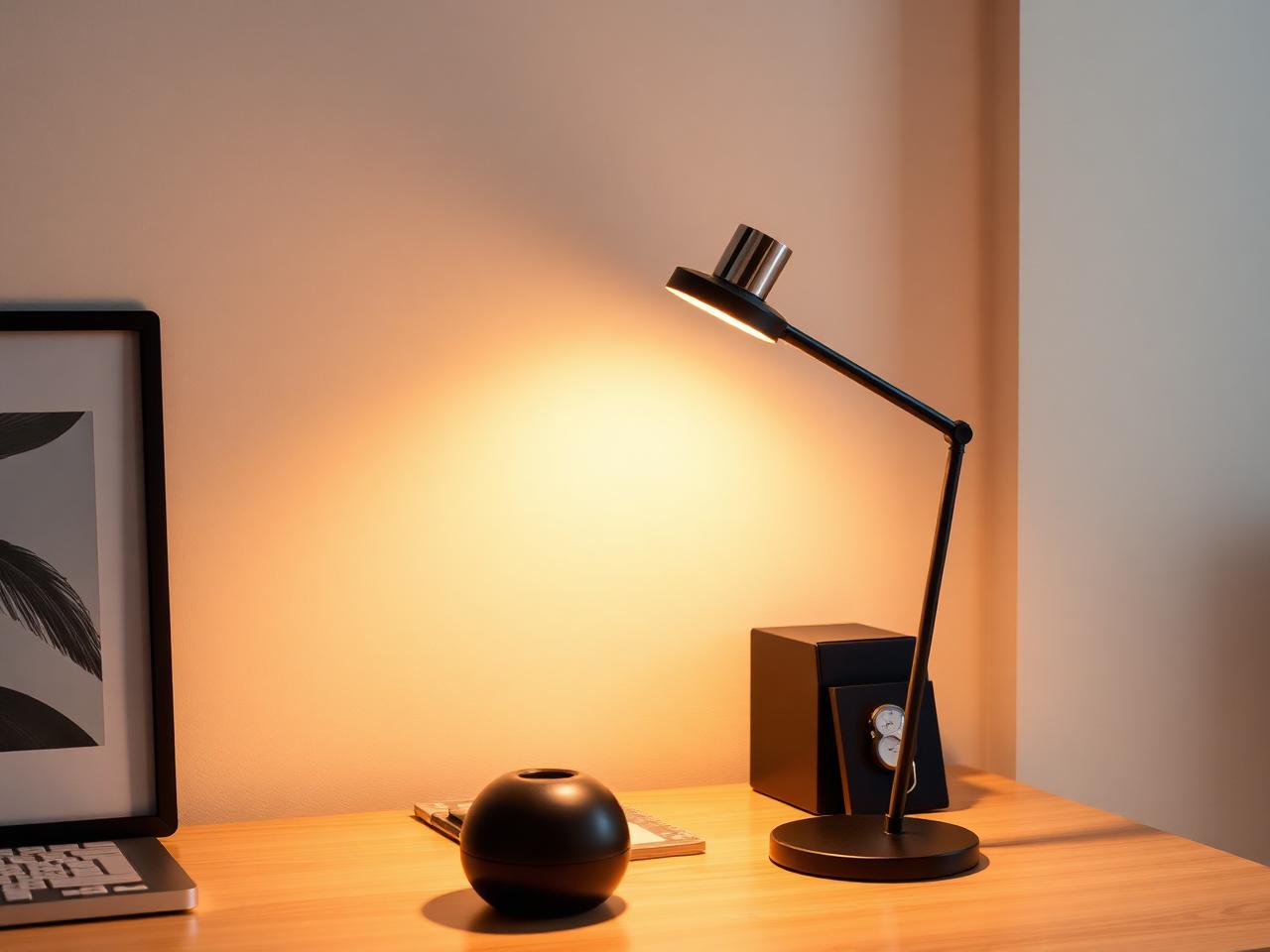
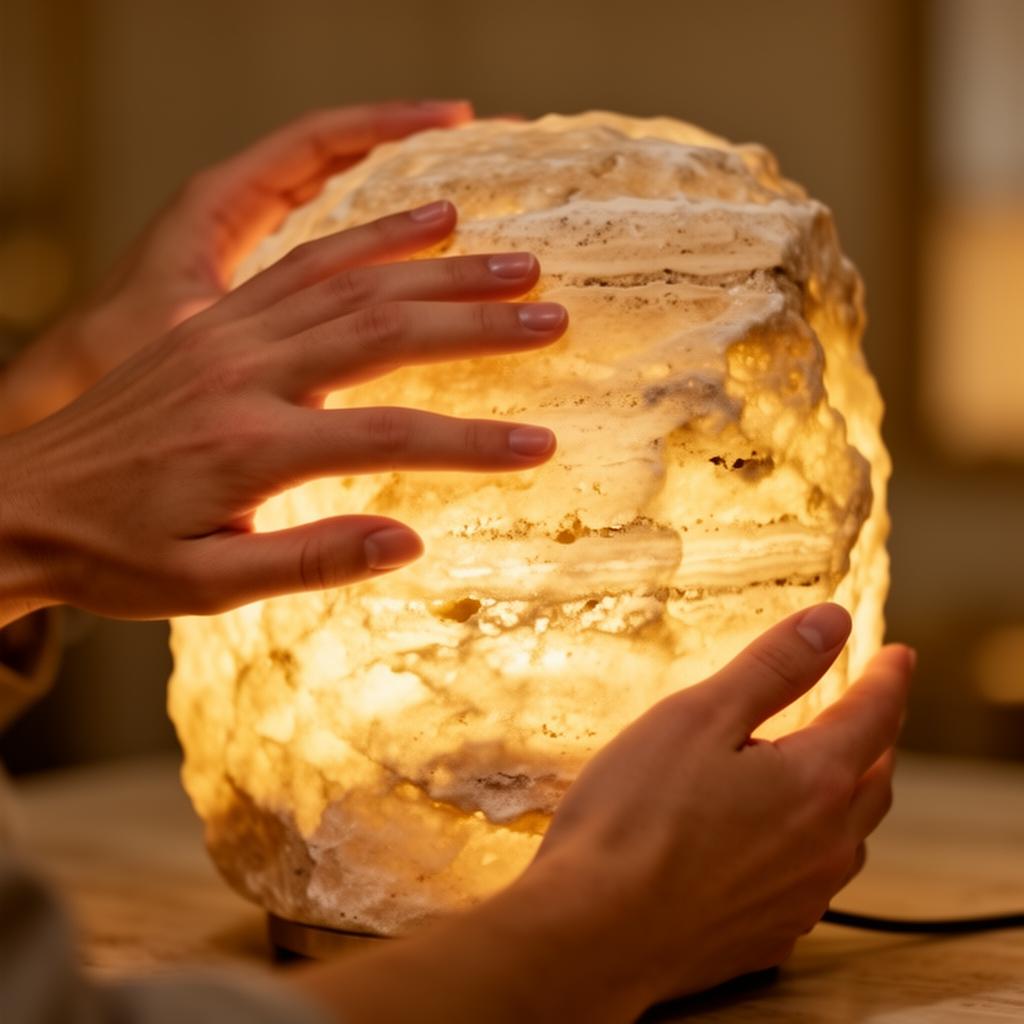
Set out the fabric, tools and instructions in their ordinary places. Sit at the usual height and make a few normal movements. Watch where the shadow falls as one hand holds the fabric and the other uses a tool. A source that works for writing from one side may be blocked when both hands are involved.
Compare light from the opposite side using an existing portable source if one is available and suitable. Keep it on a stable supporting surface. Check the same movement again before making another change. You are looking for a clearer working detail, not simply a brighter-looking tabletop.
Raise and turn the fabric as the task requires. A fold changes the light path, and the shadow can move onto the line you are following. If useful illumination disappears whenever the material is lifted, consider another permitted direction or a more suitable task source rather than relying on the empty-table result.
Give small tools and instructions usable space
Include the tool area in the check. Scissors, thread and a printed pattern may sit outside the small pool of light on the seam. Arrange frequently used items within the useful working area without crowding your hands or placing the lamp where fabric could catch it.
If a sewing machine is part of the setup, keep its operating area and controls clear and follow its instructions. Do not assume that a table lamp can be attached to it or that an improvised mount is suitable. Assess any built-in light as part of the actual work position rather than assuming it solves every surrounding task.
Reach for the pattern or instructions and return to the material. Notice whether a glossy cover or tool surface reflects a bright patch toward you. Reposition an ordinary portable source on a suitable surface to compare angles, while preserving the working space and access to controls.
Keep detail visibility separate from colour matching
Seeing stitches clearly does not establish that two fabrics will appear the same elsewhere. Lamp descriptions such as warm light, and photographs of a glowing shade, are not enough to establish colour accuracy. A coloured decorative light adds another uncertainty when comparing material colours.
If matching matters, compare the pieces side by side in the intended setting as well as at the craft table. Use the same viewing conditions for both pieces rather than relying on separate photographs. A phone image is not a dependable substitute for the physical comparison you need to make.
For colour-critical work, seek documented light-source information relevant to that purpose. Do not invent a performance rating where the listing provides none. Lumière product pages do not currently list lumen output and should not be represented as proven handwork or colour-matching solutions.
Keep the useful position repeatable
Once an arrangement works for the representative task, note the lamp's supporting surface and direction relative to your hands. Check any adjustment against the manufacturer's instructions. A useful angle should be available through normal operation, without forcing a shade or improvising support.
Leave the route around the table clear, and account for the cable when moving fabric or pulling out the chair. Use only the cable or adapter the product listing or manufacturer specifies. If the equipment arrangement is unclear, ask support rather than adapting electrical parts yourself.
Finish by trying a different fabric and one other ordinary movement. This will not certify a lamp's performance, but it can show whether the position only suits one narrow action. Record what remains difficult: the raised fold, the tool tray or the colour comparison. That gives you a specific question to resolve before selecting another light.
The Editor's Notes
Get the Lumière styling notes
One quiet essay a month on layering light and shaping the atmosphere of a room. No noise. Unsubscribe anytime.
The Editor's Notes
One essay. One piece. Once a month.
Quiet dispatches from the studio. Unsubscribe anytime.
For the hour after
For the hour after the overhead light goes off
Shop lamps built for the quiet part of the evening.
Share this guide