What a Lamp’s Power Description Actually Tells You
Separate the connection that supplies power from the way a lamp stores it, and check the exact variant before planning its position.
By Lumière Light Studio Editorial
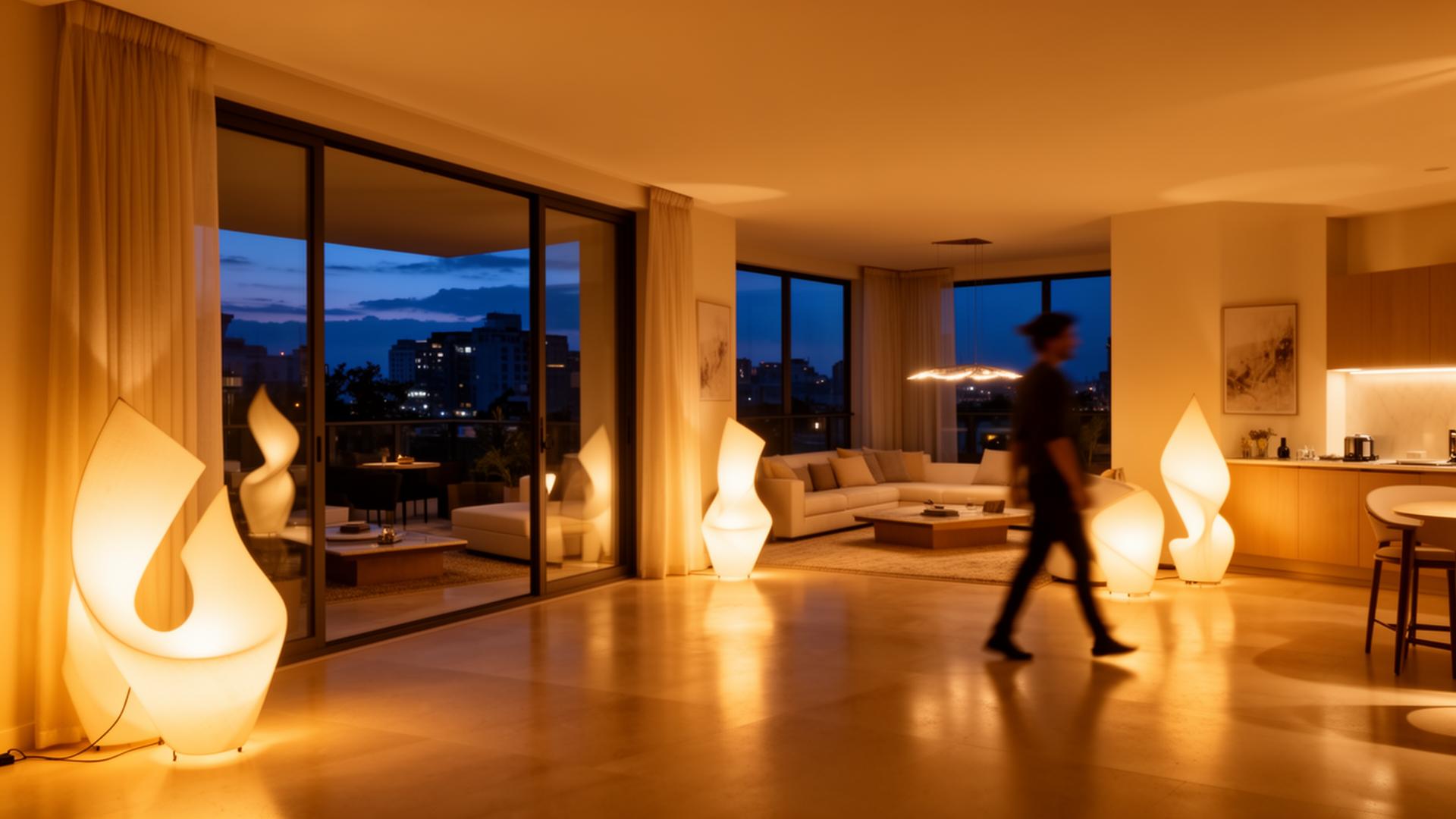
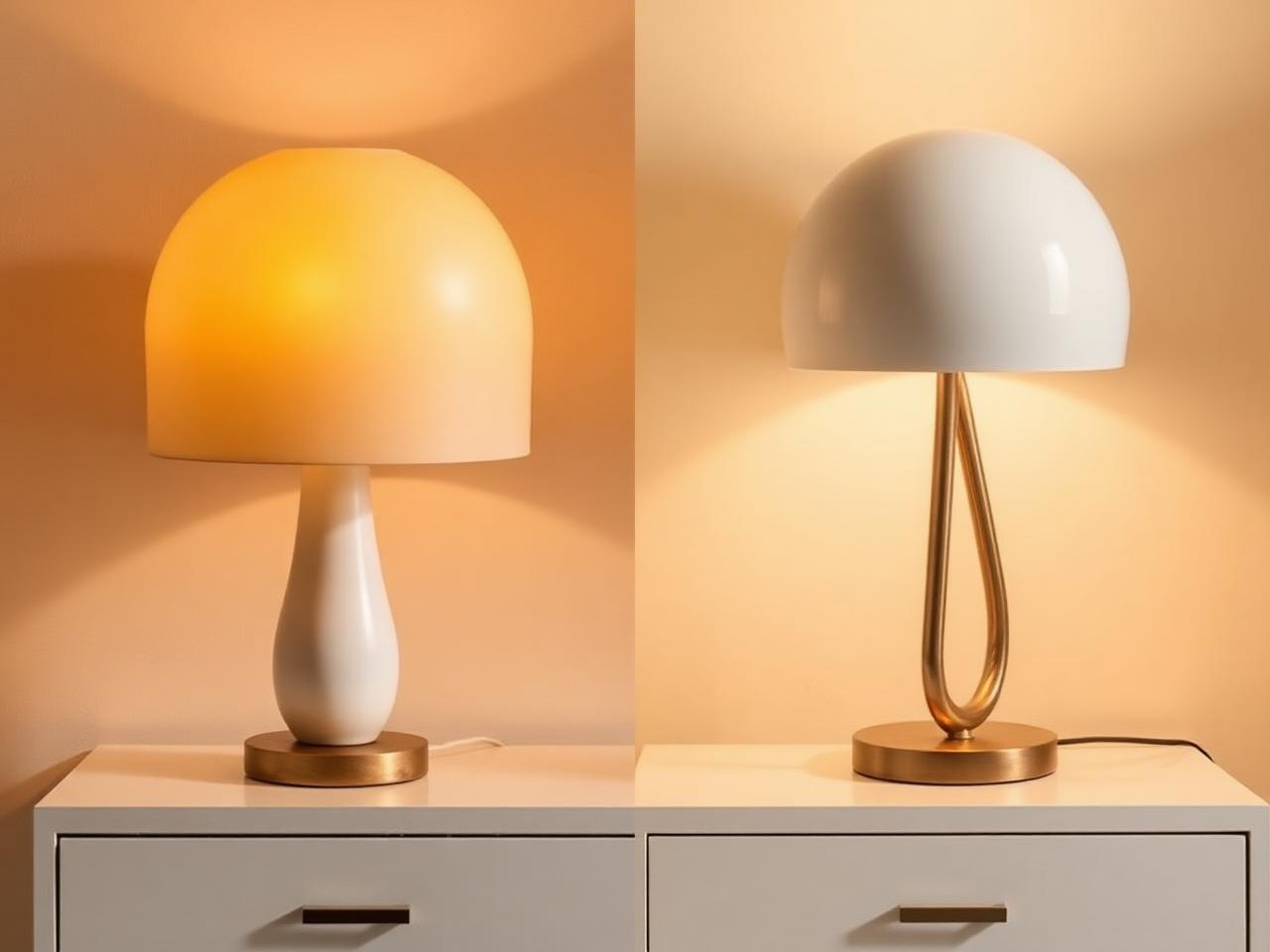
No cable appears in the photograph, and the lamp sits on a shelf far from a socket. It is tempting to treat that scene as a promise about where the lamp can work. The photograph may simply leave the connection outside the frame. The written power note is the better starting point.
Power descriptions answer several different questions. What supplies the lamp? Must that supply remain connected while the light is on? What equipment is included? An answer to one does not automatically answer the others.
A connection type does not establish stored power
USB-powered describes a way of receiving power. It does not, on its own, establish an internal energy store. A lamp described that way may need a continuous connection to operate. Do not turn the name of a connector into a claim about independent use.
Some lamps store energy internally and can operate after the charging connection is removed. That is a separate capability which needs to be stated explicitly. If the product description does not confirm it, record it as unknown rather than assuming either arrangement.
Likewise, plug-in is not a complete equipment list. Read what the exact variant requires and what is supplied with it. A reference to a cable does not confirm that a wall adapter comes in the box.
Read the exact variant rather than the family name
Products with a similar shape or name may have different power arrangements. Choose the intended variant on the product page before reading the specifications. Confirm that the power note belongs to that selection rather than another option shown nearby.
Keep three separate lines in your notes: required input, connection needed during use, and included equipment. Copy only what is actually stated. If a field is missing, write unknown. This prevents a vague phrase from turning into several unsupported assumptions.
Use only the cable or adapter the product listing or manufacturer specifies; ask support if it is unclear. A plug adapter does not convert voltage. A plug shape that appears familiar is not enough to establish that a lamp is suitable for the intended supply.
Plan the position around confirmed requirements
Once you know the connection needed during use, consider the route between the proposed surface and the power source. Include the back of the furniture and the everyday movement around it. A visually tidy arrangement in a staged image may not translate to your room.
Do not infer cable length from the amount visible in a photograph. Ask for the stated length if it affects the position. Nor should you infer that a cable is removable merely because you can see a connector in a detail image.
If the lamp can operate away from its charging connection, ask for the manufacturer's stated use and charging information. Do not derive operating duration from the lamp's size or from another model. Leave the placement decision open until the relevant information is confirmed.
Send the missing question, not a guess
A useful message to support identifies the exact variant and asks whether it must remain connected while lit, what equipment is supplied, and which specified cable or adapter it requires. That is more precise than asking whether the lamp is portable.
Before ordering, put the confirmed power note beside your proposed position. If the two do not fit, choose another position or keep comparing. The next step is to resolve the missing connection detail, not to improvise an accessory solution.
The Editor's Notes
Get the Lumière styling notes
One quiet essay a month on layering light and shaping the atmosphere of a room. No noise. Unsubscribe anytime.
The Editor's Notes
One essay. One piece. Once a month.
Quiet dispatches from the studio. Unsubscribe anytime.
For the hour after
For the hour after the overhead light goes off
Shop lamps built for the quiet part of the evening.
Share this guide