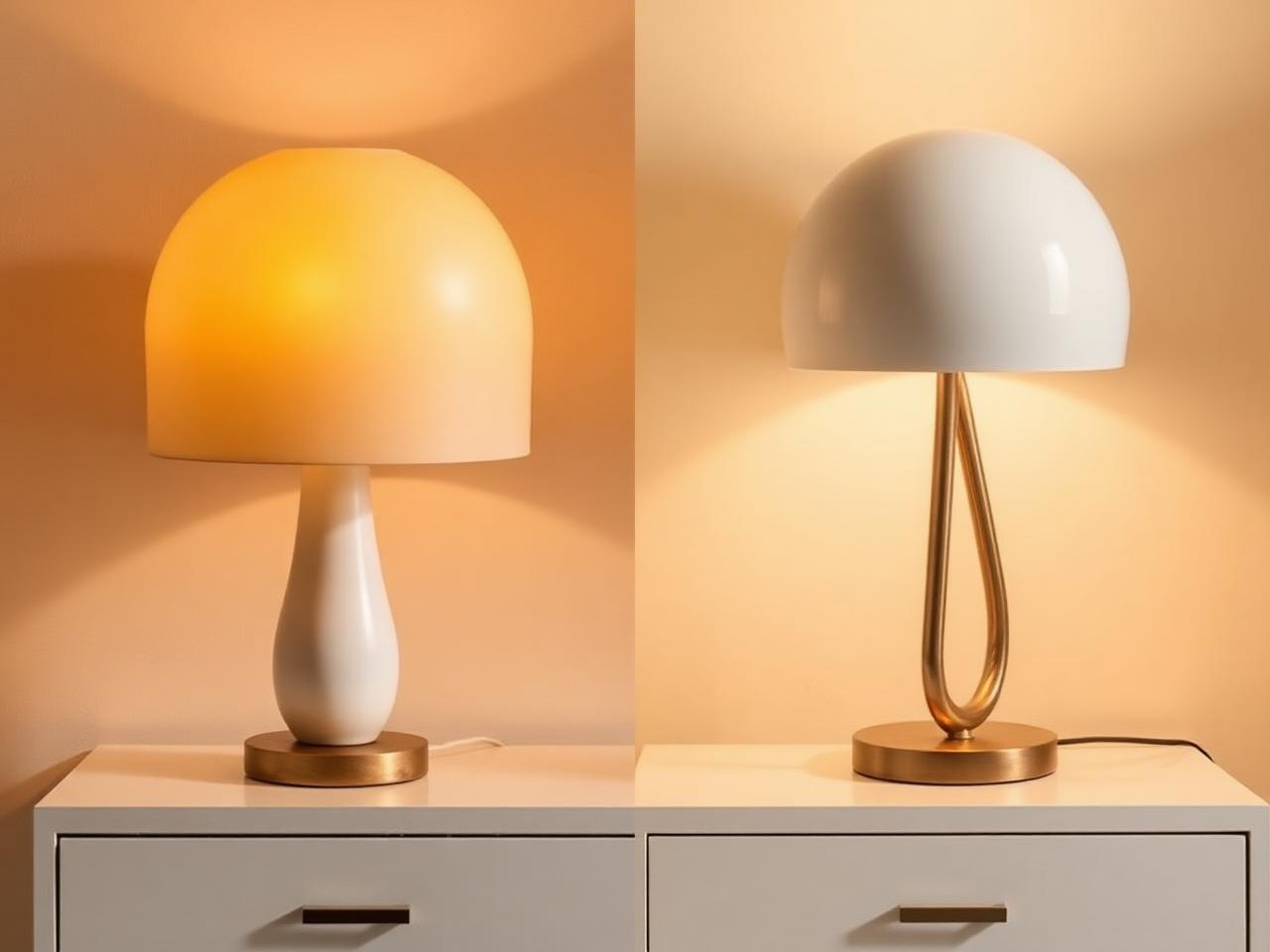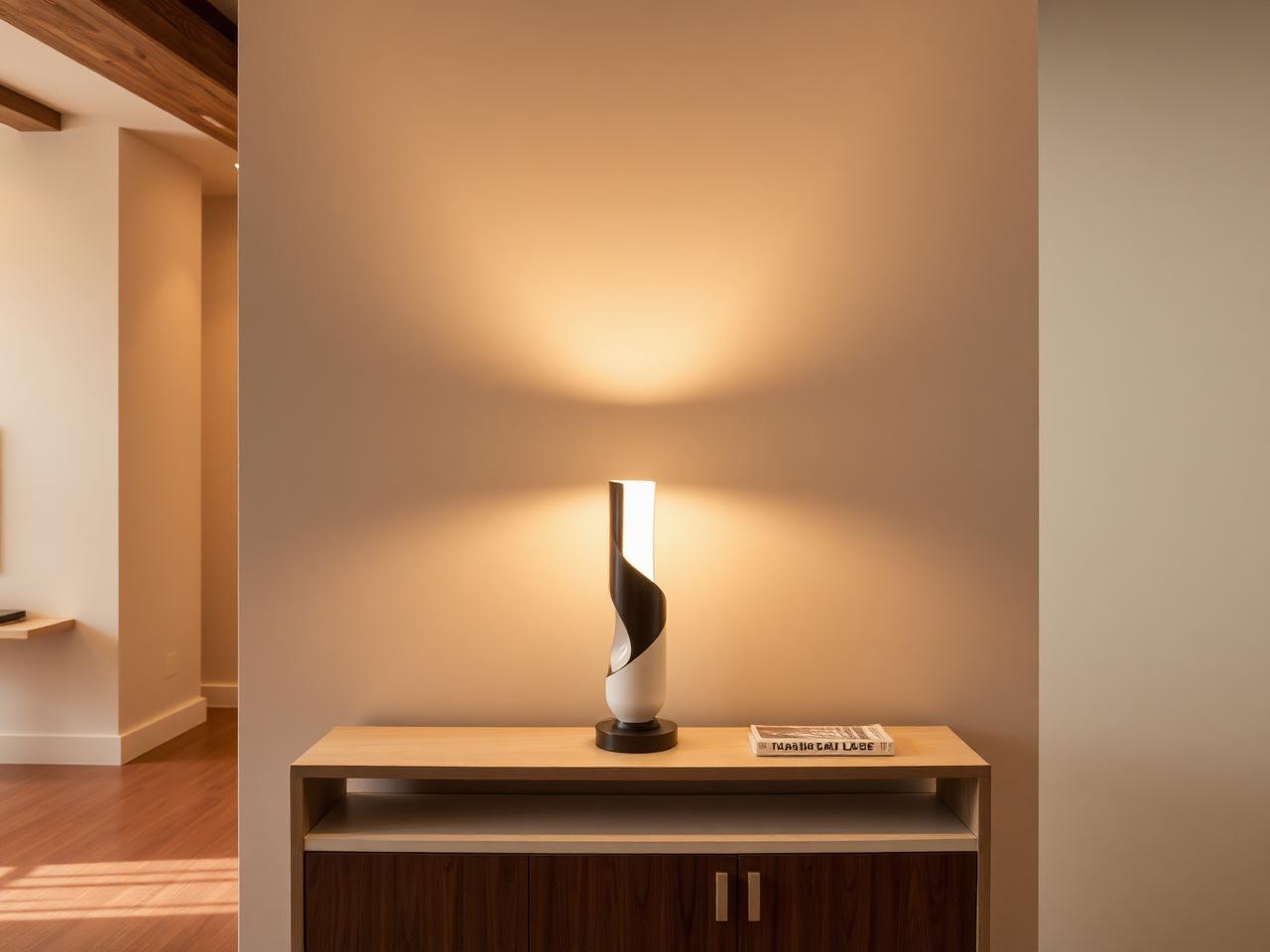
Neo Deco Lighting: Use Geometry Without Making the Room a Theme
Use Neo Deco as a styling shorthand, not a promise about trends or provenance. Compare geometry, repetition, and surrounding shapes.
By Lumière Light Studio Editorial
A geometric lamp can bring structure to a room without asking the rest of the furniture to match. If you are drawn to the label Neo Deco, use it to describe the arrangement you want rather than as proof of a lamp's history. A circle, stepped outline, or symmetrical composition can be a useful starting point on its own.
The practical question is how much geometry the room needs. A lamp might introduce a new shape, repeat an existing curve, or give a soft arrangement a more defined edge. None of those choices requires a complete period-style interior.
Identify the shape you want to repeat
Look around before choosing a lamp. A round mirror, rectangular cabinet doors, and curved chair backs already create a vocabulary of shapes. Select one relationship you would like the lamp to join. Matching the mirror's curve can create continuity; contrasting with a long straight console can make the lamp more distinct.
Compare outlines rather than collecting style labels. Two pieces described with the same label may have very different proportions. Two pieces with different labels may sit together comfortably because their shapes have something in common. The actual view matters more than the category in a listing.
Let one repeated detail do enough work
A lamp does not need matching frames, matching handles, and matching ornaments to look connected to a room. Start with one echo: a curve, a color, or the rhythm of repeated vertical lines. Keep the other objects varied if a coordinated grouping feels too formal.
Symmetry is also a choice rather than a requirement. A centered lamp beneath a centered picture can create a composed arrangement. Moving the lamp to one side can leave more usable space. Compare both from the doorway before buying a second piece just to complete a pair.
Use product identity without inventing design history
Prism has a red glass dome shade, a chrome tripod-style base, and warm light. Those basic features can be considered in a geometric arrangement without assigning the lamp a historical pedigree or claiming it belongs to one movement. Its red shade can be part of the composition rather than an exception that needs explaining.
If considering Prism, check the current specifications on the product page. A visual resemblance does not establish materials beyond the stated identity, controls, dimensions, or practical lighting performance. Other geometric options can be compared through table lamps without assuming that a collection label guarantees those details.
Check the composition in everyday use
A convincing arrangement should work from the chair as well as from the entrance. Check whether the lamp interrupts a picture, crowds the table, or puts a conspicuous bright opening in your normal view. Leave room for the surface's ordinary purpose, even if that means fewer decorative objects.
Finally, switch between the unlit and lit arrangement if you can. The outline may be the feature you notice by day, while the visible light becomes more prominent after dark. Choose the relationship you enjoy in both settings. Sketching two possible positions on the same surface is a more useful next step than deciding whether a trend will last.
The pieces referenced above. Check current specifications, delivery and return details on each product page before ordering.
The Editor's Notes
Get the Lumière styling notes
One quiet essay a month on layering light and shaping the atmosphere of a room. No noise. Unsubscribe anytime.
The Editor's Notes
One essay. One piece. Once a month.
Quiet dispatches from the studio. Unsubscribe anytime.
For the hour after
For the hour after the overhead light goes off
Shop lamps built for the quiet part of the evening.
Share this guide